Creating and Integrating Dynamic Seasonal PBR Textures for Interactive 3D Environments
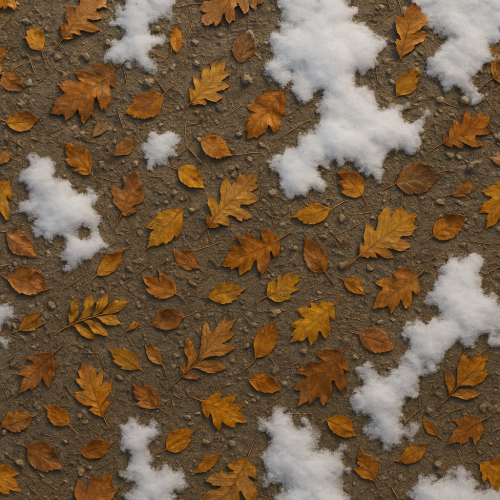
Physically Based Rendering (PBR) revolutionized the creation of realistic materials by codifying how light interacts with surfaces under physically accurate principles. Extending this paradigm into dynamic seasonal textures represents a critical frontier for enhancing immersion in interactive 3D environments. As the demand for environments that evolve naturally—whether through shifting seasons, time of day, or weather conditions—intensifies across games, architectural visualization (archviz), and visual effects (VFX) projects, dynamic seasonal PBR textures emerge as an indispensable toolset. These textures provide a procedural or authorable modality for representing the subtle yet profound changes in surface appearance driven by seasonal cycles, enabling environments to feel alive, contextually plausible, and deeply engaging.
At its core, a dynamic seasonal PBR texture system must encapsulate the intrinsic material properties of assets while accommodating temporal variations without sacrificing physical accuracy or performance. Unlike static PBR textures, which capture a single state of a material, dynamic seasonal textures embody multiple states—such as the vibrant greens of summer foliage transitioning to the desiccated browns and frost-tinged surfaces of late autumn and winter. This temporal dimensionality introduces complexity at every stage, from texture acquisition and authoring to integration and optimization within real-time engines like Unreal Engine or offline solutions such as Blender’s Cycles renderer.
Authoring dynamic seasonal PBR textures begins with a meticulous acquisition process, often combining high-resolution photogrammetry with controlled studio captures. Photogrammetry offers unparalleled fidelity in capturing micro-variations in surface detail—essential for generating accurate normal and height maps that convey the tactile nuances of bark, leaf veins, or frost crystals. However, seasonal effects frequently involve changes in albedo and roughness that may not be reliably captured in a single session. Hence, multiple capture passes or supplemental hand-painting are required to represent transitions such as leaf color shifts, surface wetness after rain, or frost accumulation. This multi-pass workflow necessitates rigorous calibration to ensure consistency across texture sets, preserving spatial alignment between maps and maintaining coherent tiling behavior.
The suite of PBR texture maps—albedo, roughness, normal, ambient occlusion (AO), height, and metallic—each plays a pivotal role in conveying seasonal variation. Albedo maps must reflect chromatic shifts, such as the progression from fresh green chlorophyll to the muted ochres and reds of autumn. This often entails layered or blended albedo textures that can be dynamically swapped or interpolated at runtime. Roughness maps are equally critical; the surface scattering properties of materials fluctuate seasonally, with wet leaves exhibiting lower roughness (glossiness) than dry, brittle ones. Normal and height maps capture micro-geometry alterations, such as frost crystals or leaf curling, which can be baked from high-poly seasonal variants or generated via procedural noise combined with displacement mapping techniques.
Ambient occlusion maps, although traditionally static, can be adapted for seasonal dynamics by integrating baked AO variants that simulate changes in occlusion due to snow accumulation or leaf litter buildup. Metallic maps, while generally static for organic materials, may see subtle seasonal influences in certain contexts—for example, metallic surfaces undergoing corrosion or patina development in damp winter months. The synergy between these maps is paramount; each must be carefully calibrated to avoid visual artifacts when blended or transitioned dynamically. Color calibration involves matching albedo maps to ensure consistent hue and value ranges across seasons, while roughness and normal maps require normalization and smoothing parameters tuned to prevent abrupt shading discontinuities.
Tiling and micro-variation techniques are essential to avoid repetitiveness and enhance perceived detail across large surfaces, especially in natural environments like forests or grassy fields. Seasonal textures amplify this challenge, as the tiling strategy must accommodate multiple seasonal variants while maintaining seamless transitions. Approaches such as multi-texturing blending, stochastic tiling, and detail masks become invaluable. For instance, micro-variation maps can be procedurally generated or hand-painted to overlay subtle seasonal imperfections—such as frost crystals or leaf spot patterns—that break up uniformity without introducing obvious seams. These maps must be aligned with underlying albedo and normal maps, requiring precise UV layout management and texture space optimization.
Calibration extends beyond authoring into real-time engine integration. Unreal Engine, widely used for interactive applications, offers robust PBR shader models and material layering systems that facilitate blending between seasonal texture sets. Practical tips include leveraging Unreal’s Material Parameter Collections to drive seasonal interpolation parameters globally, enabling smooth temporal transitions without excessive draw calls. Utilizing virtual texturing or runtime texture streaming can mitigate memory overhead from multiple seasonal texture sets, preserving performance on constrained hardware. In Blender, while primarily offline, node-based shader setups allow artists to prototype seasonal variations using layered texture blending and procedural masks, ensuring artistic intent aligns with technical constraints before deployment.
Optimization is a crucial consideration given the potential texture memory and performance costs of dynamic seasonal systems. Texture atlasing can consolidate seasonal variants into fewer texture sets, reducing state changes during rendering. Mipmapping strategies should be carefully configured to maintain detail fidelity at varying distances while avoiding aliasing artifacts that might betray texture swaps. Compressing textures using formats suited to the target platform, such as BC7 for desktop or ASTC for mobile, ensures minimal loss in quality while maximizing throughput. Additionally, runtime level-of-detail (LOD) systems can selectively reduce texture resolution or simplify seasonal effects on distant objects, balancing visual fidelity with frame rate stability.
From a practical standpoint, maintaining a unified authoring pipeline that integrates photogrammetry data, procedural generation, and hand-painted elements is vital. Tools such as Substance Designer and Painter enable non-destructive workflows where seasonal variants can be authored as layered materials, allowing parametric control over color shifts, roughness modulation, and detail overlays. This methodology affords the flexibility to iterate rapidly while preserving consistency across complex texture sets. Furthermore, establishing standardized naming conventions and metadata tagging for seasonal states facilitates automation in asset management and engine integration, streamlining the transition from content creation to deployment.
In conclusion, dynamic seasonal PBR textures represent a sophisticated convergence of physically based shading principles and temporal variability essential for modern interactive 3D environments. Mastery of their acquisition, authoring, calibration, and optimization unlocks unprecedented levels of realism and immersion, enabling environments that respond authentically to the passage of time and environmental conditions. By harnessing the full spectrum of PBR maps and leveraging advanced engine capabilities, artists and technical directors can craft truly living worlds that resonate with users across gaming, archviz, and VFX disciplines.
Acquiring high-fidelity base textures that authentically represent seasonal variations is a cornerstone in crafting dynamic PBR materials for interactive 3D environments. The challenge lies not simply in capturing a single static state of a surface but in obtaining or generating a versatile dataset that can fluidly adapt to the subtle and pronounced changes wrought by seasonal cycles—be it the transition from verdant spring foliage to parched summer undergrowth, or from autumnal leaf litter to winter frost. To meet this demand, two primary methodologies dominate: empirical acquisition via photogrammetry with multi-season scans, and procedural generation that simulates natural seasonal transformations. Each approach carries distinct technical considerations for PBR map extraction, calibration, optimization, and seamless integration within real-time engines such as Unreal Engine or authoring platforms like Blender.
Photogrammetry remains the gold standard for capturing physically accurate, high-detail base textures, especially when fidelity and realism are paramount. Executing multi-season scans involves revisiting the same physical locations across different times of the year, systematically capturing the surface data under consistent lighting conditions to minimize photometric variance unrelated to seasonal changes. This demands meticulous planning: controlling for solar angle, weather conditions (diffuse overcast lighting is preferred to avoid harsh shadows), and camera setup to ensure spatial and radiometric consistency. Using calibrated DSLR cameras with fixed focal length lenses or industrial-grade photogrammetry rigs enhances repeatability and image quality. Maintaining identical camera positions and orientations, often facilitated by carefully documented reference markers or GNSS data for outdoor scans, is critical for accurate alignment of seasonal datasets.
Once captured, the raw image sets undergo structure-from-motion (SfM) and multi-view stereo (MVS) reconstruction pipelines to generate dense point clouds and mesh models. The resulting geometry serves as the foundation for baking essential PBR maps—albedo, roughness, normal, ambient occlusion (AO), height, and metallic—tailored to each seasonal state. Albedo maps require careful post-processing to remove lighting artifacts and normalize color temperature across datasets, often employing color calibration targets captured alongside the scans. Roughness maps, which encode microsurface scattering properties, can be derived from specular response captured via polarized light photography or inferred from surface microgeometry extracted during mesh processing. Normal maps benefit from high-resolution mesh details to convey subtle surface undulations, while AO maps are baked to accentuate self-shadowing effects within the micro-topography, contributing to realistic shading in engine shaders.
Height maps, crucial for parallax occlusion mapping or tessellation, are generated by encoding vertex displacement data relative to a base mesh, enabling the simulation of seasonally variable surface relief such as the accumulation of snow or fallen leaves. Metallic maps are typically minimal or uniform for natural surfaces but can be adjusted to represent seasonal changes in surface oxidation or moisture presence, which subtly influence specular reflections.
One of the most challenging aspects of multi-season photogrammetry is ensuring seamless tiling and micro-variation, particularly for expansive natural surfaces like forest floors or rocky outcrops. Because exact repetition of scanned patches can produce visible tiling artifacts, artists often segment scanned data into smaller patches and employ procedural blending techniques within shader graphs or material systems. These techniques include overlaying noise-based micro-variation maps or using detail texture layers to break uniformity without compromising physical accuracy. This hybrid approach preserves the unique seasonal attributes of the base textures while maintaining visual continuity across large terrain expanses.
Calibration across seasonal datasets extends beyond color correction; it involves spatial alignment of meshes and texture maps to a common coordinate space. Tools such as Blender’s UV editing and texture baking suites facilitate the manual or semi-automated registration of multi-temporal data, ensuring that transitions between seasonal states remain spatially coherent. In Unreal Engine, material parameter collections or runtime blending nodes can interpolate between these aligned texture sets, enabling dynamic transitions driven by environmental parameters or gameplay logic.
While photogrammetry excels in authenticity, it is resource-intensive and may not always be feasible, especially when capturing ephemeral or inaccessible seasonal phenomena. Procedural generation offers a complementary or alternative pathway, leveraging algorithmic methods to simulate natural seasonal changes over time. Procedural workflows harness noise functions, layered mask generation, and physically inspired algorithms to modify base PBR maps dynamically.
For instance, procedural albedo variation can simulate leaf color shifts by modulating hue and saturation values with gradient masks representing temperature or daylight duration proxies. Roughness maps can be algorithmically adjusted to mimic surface wetness in spring or frost accumulation in winter, using noise-based roughness overlays that respond to environmental variables. Normal and height maps can incorporate fractal noise or erosion simulations to represent seasonal growth or decay of surface features such as moss, lichen, or snow depth.
Procedural methods benefit from inherent scalability and parametric control, enabling artists and technical directors to author a master base texture set and programmatically drive seasonal variations without the need for extensive photographic data. In Blender, the node-based shader editor allows the integration of procedural masks with texture inputs, generating composite maps that adapt in real time. In Unreal Engine, material functions and dynamic material instances can expose parameters to drive procedural seasonal effects, facilitating smooth transitions and runtime optimization through texture streaming and LOD systems.
Optimization is paramount when dealing with multiple seasonal texture sets or procedurally generated maps, particularly in interactive contexts where memory budgets and performance constraints are strict. Using texture compression formats such as BC7 or ASTC maintains visual quality while reducing footprint. Mipmapping strategies combined with anisotropic filtering ensure sharpness at various viewing distances, while runtime texture atlasing can minimize draw calls. For procedural maps, pre-baked variants or runtime caching can mitigate CPU/GPU overhead.
An effective workflow often merges photogrammetric authenticity for primary seasonal states with procedural augmentation to fill intermediate seasonal transitions or fine-tune micro-variations. This hybrid approach leverages the strengths of both acquisition techniques, producing dynamic PBR textures that are both physically grounded and artistically flexible.
In summary, acquiring seasonal base textures for PBR materials requires a thoughtful balance between empirical data capture and procedural simulation. Photogrammetry affords unmatched realism in capturing the nuanced physical properties of surfaces across seasons, demanding rigorous calibration and careful map extraction. Conversely, procedural generation delivers adaptability and efficiency, enabling the simulation of complex seasonal phenomena through algorithmic manipulation of PBR channels. Mastery of both techniques, combined with judicious optimization and engine-specific integration strategies, empowers 3D artists and technical directors to create immersive, dynamic environments that respond convincingly to the passage of time.
When crafting seasonal variants of core PBR textures, the objective is to convincingly convey environmental transformations—such as the rich chromatic shifts of autumnal foliage, the reflective wetness of spring rains, or the insulative layering of winter snows—while preserving visual fidelity and physical accuracy. This process demands a deliberate approach to the generation and calibration of each fundamental PBR map: albedo, roughness, normal, ambient occlusion (AO), height, and metallic. These maps must not only respond to changing surface properties dictated by seasonality but also integrate seamlessly within real-time rendering engines like Unreal or Blender’s Eevee and Cycles, balancing visual complexity with runtime performance.
Starting with albedo, which fundamentally defines the base color and diffuse reflectance of a material, seasonal variation typically manifests most dramatically here. For foliage, this involves capturing or authoring a spectrum of color states—from vibrant greens to burnt oranges and browns—reflecting chlorophyll depletion and anthocyanin expression. High-fidelity data acquisition often begins with calibrated photogrammetry or multispectral imaging of target vegetation across seasons. This approach ensures that the albedo maps maintain physically plausible reflectance values, avoiding color shifts that could break energy conservation in PBR shaders. When working from photographs, it is critical to neutralize lighting influences using color charts and reference spheres during capture, enabling a consistent baseline for seasonal comparison.
In authoring seasonal albedo variants, one must carefully separate diffuse coloration from specular tinting and subsurface scattering effects, which can be seasonally dependent but are not encoded solely in albedo. For example, snow accumulation on a surface requires albedo to shift toward brighter, desaturated whites with subtle blue undertones, while wet surfaces often darken and saturate due to increased surface water absorption and reduced diffuse scattering. This necessitates a layered approach in texture authoring software such as Substance Painter or Designer, where masks and procedural generators can blend base albedo with snow or moisture layers. Using curvature and ambient occlusion maps as masks to guide snow cover or moisture pooling can increase realism, ensuring that snow does not unrealistically accumulate on vertical surfaces or under overhangs.
Roughness maps encode microfacet distribution and thus dictate how glossy or matte a surface appears. Seasonal changes in roughness are subtler but vital for conveying material state. For instance, dry autumn leaves tend to have higher roughness due to desiccation and surface cracking, whereas freshly fallen snow exhibits a distinct roughness profile with microfacet orientations that contribute to its characteristic soft gloss. Moisture presence decreases roughness by filling micro-surface cavities, increasing specular reflection and creating wet sheen effects. When authoring roughness variants, it’s essential to recalibrate the map values relative to the albedo changes to maintain energy conservation in the shader. For example, a darkened wet leaf albedo should correspond with decreased roughness rather than a static roughness map. Procedural roughness generation driven by height map derivatives or curvature can simulate these effects dynamically, but explicit seasonal maps often afford better control and higher fidelity.
Normal maps, encoding surface detail and microgeometry, require nuanced adjustments to reflect seasonal surface deformations. Dry, brittle foliage or bark may exhibit increased roughness and cracking, which can be simulated by augmenting existing normal detail with high-frequency noise or crack patterns in texturing tools. Conversely, snow accumulation smooths underlying microgeometry, necessitating a flattening or blurring of normal maps to reduce high-frequency detail and simulate the soft, rounded snow surface atop hard geometry. Height maps can be used to drive normal map generation via normal map baking or procedural conversion, enabling precise control over seasonal variations in microrelief. When integrating these maps into engines like Unreal, it is critical to ensure correct tangent space orientation and consistent mipmapping strategies to avoid detail popping during LOD transitions.
Ambient occlusion maps reflect occluded ambient light and provide depth cues that can be seasonally dynamic. For example, snow cover tends to fill crevices, reducing occlusion and brightening the surface, while dry leaf litter or cracked bark increases local occlusion due to increased surface complexity. Generating seasonal AO maps can be accomplished through baking high-resolution meshes or using screen-space AO techniques augmented by masks that define snow or moisture accumulation areas. In real-time engines, blending AO maps based on seasonal parameters or vertex paint masks can optimize performance while maintaining visual accuracy. It is paramount to calibrate AO intensity to complement the albedo and roughness changes, as over-darkening occlusion can inadvertently flatten perceived detail in wet or snowy conditions.
Height (displacement) maps are essential for conveying macro surface variations that influence silhouette and parallax effects. Seasonal variants of height maps are particularly useful for foliage and terrain, where snow accumulation can add several centimeters of depth, or leaf litter can create uneven ground surfaces. When authoring these maps, the challenge lies in maintaining consistent world-space scale across seasonal variants to avoid jarring transitions during blending or morphing animations. High-resolution sculpting workflows in tools like ZBrush or Blender can be combined with procedural noise and mask-driven layering to simulate seasonal surface buildup or erosion. Height maps feed into tessellation or parallax occlusion mapping shaders in engines like Unreal, so optimizing their resolution and range is crucial to balance fidelity and performance, especially since dynamic seasonal blending often interpolates between multiple height maps.
Metallic maps, which define whether a surface behaves as a metal or dielectric in terms of specular reflectance, typically exhibit minimal seasonal variation. However, subtle adjustments may be necessary for materials with organic-metallic composites or where moisture alters perceived metallicity. For instance, wet stone or bark can exhibit increased specular intensity, not due to a change in metallic content but because of altered Fresnel reflectance from water films. In such cases, it is often preferable to modulate roughness and specular parameters rather than metallic maps directly. If metallic maps do require seasonal adjustment, they should be authored with strict binary or near-binary values to maintain PBR energy conservation and avoid physically implausible reflections.
Tiling and micro-variation strategies play a crucial role in maintaining visual interest and avoiding obvious repetition across large seasonal landscapes. Seasonal texture variants should be authored with seamless tiling in mind, using procedural texturing techniques to incorporate noise, variation masks, and stochastic detail. This is especially important for albedo and roughness, where repetitive patterns can break immersion during seasonal transitions. Employing multi-channel packing to combine maps such as roughness, metallic, and AO into single textures can optimize GPU memory usage without sacrificing the ability to swap seasonal variants dynamically. Engine-specific features, such as Unreal’s virtual texturing system, can further facilitate efficient streaming and blending of seasonal maps at runtime.
Calibration between seasonal variants is a critical step to ensure smooth transitions and physical plausibility. This involves maintaining consistent base reflectance levels, ensuring energy conservation across albedo and roughness changes, and verifying normal and height map coherence to prevent shading artifacts. Using reference materials and physically based measurement data as benchmarks during authoring helps anchor seasonal variants in reality. Additionally, iterative testing in the target rendering engine is indispensable. For instance, Blender’s Eevee offers rapid viewport previews for lighting and material response, while Unreal Engine’s material editor provides robust parameter blending and runtime profiling tools. Adjusting texture compression settings and mipmap bias can further refine the visual outcome and performance balance across seasonal variants.
Optimization remains a persistent concern when integrating multiple seasonal PBR texture sets. Using texture atlasing and channel packing reduces draw calls and memory footprint, while LOD systems should be designed to swap entire seasonal sets efficiently rather than blending high-frequency details at runtime, which can be costly. Leveraging engine-specific features such as Unreal’s Material Parameter Collections or Blender’s driver-based shader inputs enables dynamic seasonal switching without requiring multiple material instances. Finally, procedural elements—such as shader-based snow accumulation driven by world-space parameters—may complement static seasonal textures, allowing for adaptive effects that reduce the number of discrete texture sets needed.
In summary, creating seasonal variants of core PBR maps is a complex interplay of physically accurate data acquisition, meticulous authoring, and engine-tailored optimization. Each map—albedo, roughness, normal, AO, height, and metallic—must be carefully adapted to reflect the physical transformations imposed by seasonal cycles, from chromatic shifts and moisture-induced reflectance changes to microgeometry alterations and occlusion modulation. When executed with technical rigor and an eye towards efficient engine integration, these seasonal PBR textures enrich interactive 3D environments with dynamic realism that responds naturally to the passage of time.
FAQ
What is covered in this guide?
This guide explains Creating and Integrating Dynamic Seasonal PBR Textures for Interactive 3D Environments with practical notes for seamless PBR materials, texture setup, and production use.
Can I use these texture techniques in Blender, Unreal Engine, and Unity?
Yes. The workflow focuses on standard PBR maps and tileable materials that can be used in Blender, Unreal Engine, Unity, archviz, games, and VFX pipelines.
Where can I find textures for this workflow?
Use the AITextured texture library and the related texture links on this page to find seamless PBR materials and preview them before download.
Related Textures
 Procedural Dark Tree Bark PBR Texture
 Procedural Aged Oak Plank PBR Texture
 Seamless PBR Wood Planks Texture Featuring Natural Grain in 4K
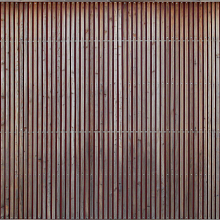 Seamless Wooden Facade PBR Texture in 4K Resolution
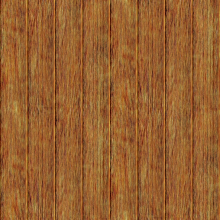 Rustic Aged Wood Planks Texture for 3D Modeling and Rendering
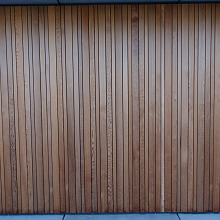 PBR Texture of Vertical Wooden Planks Wall
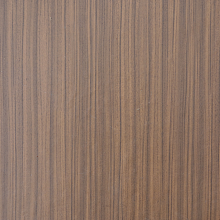 Seamless PBR Wood Texture Featuring Vertical Natural Grain Patterns
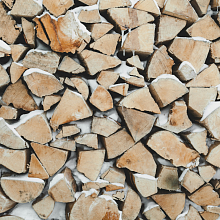 Natural Wood Logs Texture with Snow for 3D PBR