Creating and Utilizing Dynamic Weather PBR Textures for Interactive 3D Environments
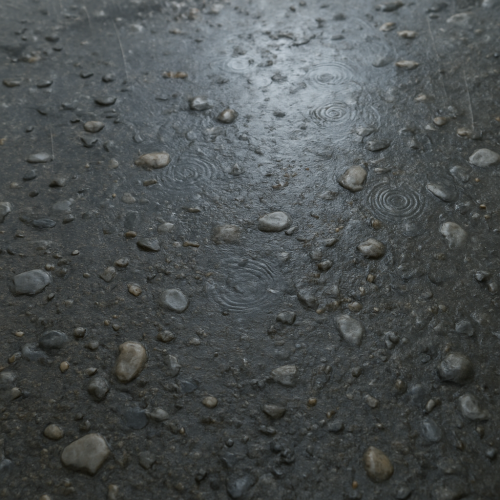
Physically Based Rendering (PBR) has revolutionized the way surfaces are represented in interactive 3D environments, offering a standardized framework that models the interaction of light and material with unprecedented accuracy. However, while static PBR textures have become a mainstay in delivering realistic assets, the increasing demand for immersive and dynamic worlds necessitates a paradigm shift towards textures that adapt fluidly to environmental changes—most notably, weather conditions. Dynamic weather PBR textures encompass this evolution by enabling surface appearances to respond authentically to varying atmospheric phenomena such as rain, frost, dirt accumulation, and wear. Understanding the intricacies of these textures within the PBR workflow is critical for artists and technical directors aiming to elevate interactive experiences through temporal and contextual surface transformations.
At its core, the challenge of dynamic weather PBR texturing lies in simulating the mutable physical properties of materials as they interact with environmental factors. Static PBR textures typically rely on a fixed set of maps—albedo, roughness, normal, ambient occlusion (AO), height, and metallic—that collectively describe the base color, micro-surface reflectivity, geometric detail, shadow occlusion, surface displacement, and metallicity of the material. Each map contributes to the final shaded appearance under a physically plausible lighting model. However, real-world surfaces rarely remain static; precipitation alters surface roughness and reflectivity, frost changes the microgeometry and albedo subtly, dirt layers obscure base colors and modify roughness, and wear patterns introduce localized alterations in both geometry and reflectance. Capturing these dynamic states within PBR workflows demands a nuanced approach to texture acquisition, authoring, and integration.
The acquisition phase often begins with high-fidelity material scans, utilizing photogrammetry or specialized imaging setups to capture both the clean and weathered states of a surface. For dynamic weather effects, it is imperative to source or generate textures that represent multiple environmental conditions—dry, wet, frosted, dusty, or worn. When physical scanning is impractical, procedural or hand-painting techniques can be employed to generate variant texture sets. Regardless of method, strict calibration between these states is essential to ensure seamless interpolation or blending during runtime. Calibration involves matching consistent light exposure, camera angles, and scale across texture captures, as well as aligning UV layouts to enable accurate layering and blending of weather effects. Without this precision, texture transitions can appear jarring or physically implausible, breaking immersion.
In the context of PBR maps, dynamic weather effects often manifest through targeted modifications rather than wholesale replacements. For example, rain introduces a thin film of water that reduces surface roughness and alters specular reflections. This effect can be captured by adjusting the roughness map to lower values in wet zones, enhancing specular intensity and modifying the normal map to simulate water droplets’ microgeometry. Similarly, frost adds a subtle crystalline pattern that affects both albedo—introducing a slight desaturation or whitening—and roughness, increasing microfacet scattering. Dirt and wear, conversely, tend to darken the albedo in specific regions while increasing roughness and occasionally modifying the normal map to simulate surface abrasion or buildup. Height maps can be dynamically altered or layered to accentuate frost buildup or dirt accumulation, adding a tactile feel through parallax or tessellation techniques.
A critical consideration in authoring dynamic weather PBR textures is the incorporation of tiling and micro-variation to avoid repetitive artifacts when textures are applied over large surfaces. Weather phenomena rarely distribute uniformly; raindrops cluster irregularly, frost crystallizes in complex patterns, and dirt accumulates preferentially along edges or crevices. To replicate this natural heterogeneity, multi-channel masks or procedural noise maps are often employed, enabling per-pixel blending of weather layers. These masks can be authored within texturing suites like Substance Painter or Designer, or generated procedurally within shader graphs. The integration of micro-variation ensures that transitions between weather states are visually convincing and free from obvious tiling, which is paramount in maintaining the suspension of disbelief in immersive environments.
Calibration extends beyond the texturing stage into real-time rendering engines such as Unreal Engine or Blender’s Eevee and Cycles. In these platforms, dynamic weather textures must be optimized for performance while preserving visual fidelity. This involves encoding multiple weather states efficiently—often through texture atlases, layered materials, or runtime blending shaders—to minimize memory footprint and draw calls. Artists and technical directors must balance resolution, compression artifacts, and the number of texture sets to achieve smooth transitions without taxing hardware resources unduly. Unreal’s Material Editor, for instance, facilitates complex blending using masks and parameter-driven material instances, while Blender’s node-based system allows for procedural layering and dynamic updates tied to scene variables. Understanding each engine’s capabilities and limitations informs optimal texture preparation and shader authoring strategies.
Optimization also pertains to the sampling and filtering of maps. Normal maps representing wet surfaces might require different mipmap generation strategies to preserve fine droplet details, while roughness and albedo maps need consistent gamma space handling to maintain physical accuracy during blending. Ambient occlusion maps, often baked for static geometry, may require reinterpretation or dynamic adjustment to simulate shadowing changes due to dirt occlusion or frost buildup. Height maps employed for displacement or parallax occlusion mapping must be carefully interpolated to prevent popping artifacts during weather transitions. These technical nuances demand a comprehensive grasp of both the artistic vision and the underlying rendering pipeline.
Practical tips for creating dynamic weather PBR textures emphasize iterative testing within target engines. Artists should employ real-time previews of material blends under various lighting and weather scenarios, adjusting maps and masks interactively to refine the physical plausibility and aesthetic impact. It is advantageous to maintain modular texture sets that can be reused across assets, enabling consistent weather effects throughout a scene while reducing authoring overhead. Additionally, leveraging procedural tools to generate variants can accelerate workflows and provide greater control over weather progression, such as simulating gradual wetting or drying cycles, frost melting, or dirt accumulation over time.
In summary, dynamic weather PBR textures represent a sophisticated confluence of material science, artistic craftsmanship, and technical execution. By extending traditional PBR workflows to accommodate mutable surface conditions, artists and technical directors unlock new levels of environmental realism and interactivity. Mastery of texture acquisition, precise calibration, map manipulation, tiling strategies, and engine-specific optimizations forms the foundation upon which compelling dynamic weather systems are built. This foundational understanding is indispensable as we advance toward fully immersive 3D worlds where materials breathe and evolve with the environment, enriching the narrative and sensory experience of interactive media.
Acquiring high-fidelity, weather-responsive PBR textures demands a meticulous approach, as the foundational data must capture material variations across diverse atmospheric conditions to convincingly convey dynamic weather interactions in real-time environments. The challenge lies not merely in obtaining static texture sets but in sourcing or authoring datasets that dynamically modulate core PBR maps—albedo, roughness, normal, ambient occlusion (AO), height, and metallic—according to weather state transitions such as rainfall, frost, dust accumulation, or sunlight intensity shifts. This section elucidates advanced methodologies for obtaining such adaptable texture data, focusing on photogrammetry under varied weather, capturing wet-dry states, and leveraging procedural generation as a complementary or alternative strategy.
Photogrammetry remains a gold standard for acquiring physically accurate base textures, principally due to its capacity to capture detailed surface geometry and reflectance properties. However, traditional photogrammetric pipelines typically emphasize consistent lighting and weather conditions to minimize noise and maximize reconstruction fidelity. To adapt this process for weather-responsive texturing, data capture must be intentionally diversified across relevant weather states. For example, scanning the same stone facade or asphalt patch in dry sunlight, immediately after rainfall, and under partial frost conditions enables the generation of distinct texture sets that reflect corresponding surface property changes. This approach yields multiple calibrated texture captures with differing albedo and roughness characteristics: wet surfaces generally exhibit darker, more saturated albedo due to water absorption and reduced surface roughness from water film smoothing micro-variations, while frost layers introduce subtle diffuse scattering effects and increase roughness and AO contrast.
Executing photogrammetry under variable weather demands rigorous calibration protocols. Consistency in camera parameters—lens distortion profiles, exposure, white balance, and focus—is paramount across sessions to ensure that inter-weather texture differentials reflect physical change rather than capture artifacts. Reference targets with known reflectance and geometry, such as calibrated color charts and scale bars, should be included in every capture sequence. These provide a ground truth for post-processing normalization, enabling accurate color grading and alignment of PBR maps from different weather states. It is crucial to employ controlled exposure bracketing and high dynamic range (HDR) imaging, particularly under overcast or low-light conditions, to preserve subtle albedo and normal map details that could otherwise be lost due to underexposure or noise.
Once raw photogrammetric data is processed into mesh and texture maps through software like RealityCapture, Metashape, or CapturingReality, further refinement tailored to weather responsiveness is required. Albedo maps extracted from direct color capture must be decoupled from lighting influences to avoid baked shadows that would hinder dynamic AO or roughness modulation. Techniques such as intrinsic image decomposition or retouching with physically informed shaders in tools like Substance Designer or Blender’s shader editor help isolate true diffuse color from specular or shadow components. Roughness and normal maps derived from photogrammetric normal displacement require particular attention; wet surfaces, for instance, necessitate adjustments to roughness maps to represent specular smoothing caused by water films, often achieved by blending the original roughness with a low roughness mask derived from water coverage estimation.
Capturing wet and dry states through photogrammetry can be logistically challenging due to the ephemeral nature of weather conditions and the need for rapid, repeatable capture sessions. To mitigate this, some practitioners employ controlled environmental chambers or artificial sprinkling rigs to simulate rain and moisture on samples, enabling high-precision wet texture acquisition without reliance on natural weather. This controlled approach ensures minimal variation in lighting and camera setup, simplifying calibration and post-processing. Conversely, natural weather captures provide richer variability and authenticity but require extensive planning, rapid data acquisition workflows, and robust data management to handle multi-condition datasets.
Despite the fidelity achievable through photogrammetry, real-world constraints—such as inaccessible weather conditions, time restrictions, or lack of suitable physical samples—often necessitate the integration of procedural generation techniques. Procedural methods offer unparalleled flexibility in simulating weather effects by algorithmically modifying or synthesizing PBR maps in response to environmental parameters. For instance, procedural noise functions and erosion algorithms can simulate the granular accumulation of frost or dust on surfaces by generating height and AO variations that dynamically blend with base textures. These effects can be authored in node-based tools like Substance Designer, which excels in generating weather-responsive roughness and albedo masks that adapt to input parameters such as humidity or temperature.
Procedural workflows also facilitate the creation of micro-variation and tiling patterns essential for avoiding repetition and enhancing realism in large-scale environments. By leveraging non-uniform noise and detail maps, procedural systems can modulate normal and roughness maps subtly, simulating the stochastic effects of raindrop impact, frost crystallization, or dirt accumulation. Critically, these micro-variations must be parameterized to respond to real-time weather data streams within rendering engines. For example, Unreal Engine’s Material Parameter Collections or Blender’s Geometry Nodes can ingest dynamic weather variables to blend between dry and wet texture states, interpolate roughness values, or animate normal map perturbations representing water flow or frost growth.
A hybrid approach—combining photogrammetric captures with procedural augmentation—often yields the best results. Base textures acquired under controlled dry conditions serve as the foundation, onto which procedural layers simulating wetness, frost, or dirt are dynamically composed at runtime. This strategy reduces the volume of required photogrammetry while enabling detailed, physically plausible weather effects. Additionally, procedural masks can optimize texture memory usage by localizing weather effects to relevant regions, rather than requiring full texture swaps. For example, a wetness mask driven by procedural rainfall simulation can selectively blend wet roughness and normal maps only where water accumulates, preserving dry textures elsewhere.
Calibration remains critical when integrating procedural and photogrammetric data. Ensuring consistent color space, gamma correction, and physical scale across all maps avoids visual discontinuities during blending. Tools like Substance Painter allow artists to preview combined procedural and scanned textures in real-time, facilitating iterative adjustments. Furthermore, baking ambient occlusion and height data from high-resolution photogrammetric meshes into texture maps can be augmented procedurally to reflect weather-induced surface changes, such as frost buildup increasing micro-shadowing or water pooling altering height gradients.
Optimization is another pivotal consideration. Weather-responsive PBR textures inherently increase texture count and complexity, potentially impacting performance. To alleviate this, texture atlasing, mipmapping strategies that prioritize weather-effect regions, and runtime LOD systems can be employed. In engines like Unreal, dynamic material instances leverage shader complexity reduction by interpolating between precomputed texture sets or adjusting scalar parameters rather than switching entire maps. Similarly, Blender’s Eevee and Cycles renderers benefit from node-based shaders that efficiently combine base and procedural layers without redundant sampling.
In conclusion, acquiring dynamic weather-responsive PBR textures is a multifaceted endeavor requiring a blend of precise photogrammetric capture under diverse environmental states, rigorous calibration, and procedural generation techniques to fill in gaps or enhance realism. Mastery over this workflow enables 3D artists and technical directors to craft richly detailed, physically accurate materials that respond believably to weather dynamics, elevating immersion in interactive environments. By carefully balancing empirical data gathering with algorithmic augmentation and optimizing for engine constraints, artists can produce scalable, adaptable texture solutions that meet the demanding requirements of modern real-time rendering pipelines.
Physically Based Rendering (PBR) textures form the cornerstone of visually convincing interactive 3D environments, and their role becomes even more critical when simulating dynamic weather conditions. The creation and layering of PBR maps—namely albedo, roughness, normal, height, ambient occlusion (AO), and metallic—must carefully incorporate weather-driven variations to maintain realism and consistency under changing environmental parameters. This process demands a nuanced understanding of both material physics and the technical constraints of real-time engines such as Unreal Engine and Blender’s Eevee or Cycles rendering systems.
The initial step in crafting dynamic weather PBR textures involves acquiring or authoring base material maps with high fidelity and physical plausibility. Albedo maps should capture the inherent diffuse color information devoid of lighting or shadow influences to ensure accurate light responses under various weather scenarios like rain, snow, or dust. When creating albedo maps, subtle color shifts often occur due to moisture saturation or frost accumulation, necessitating separate albedo states that reflect these changes. For instance, a wet surface typically darkens and saturates colors, while icy conditions may introduce a pale, desaturated tone with increased specular highlights. To achieve this, artists often begin with high-resolution scanned materials or hand-painted textures calibrated against reference photography, ensuring color accuracy and energy conservation principles are upheld.
Roughness maps require particularly careful treatment for dynamic weather effects, as they dictate surface microfacet distribution and thus the quality of specular reflections. Weather phenomena alter surface roughness significantly; wetness generally reduces roughness, producing sharper and more pronounced highlights, while frost or snow increases roughness and diffuses reflections. When authoring these maps, a common practice is to create multiple roughness states reflecting dry, damp, icy, or snowy conditions. These states can be generated by manipulating the base roughness map with procedural noise or hand-tuned overlays to simulate micro-geometry changes, such as water droplets or ice crystals. Calibration is critical here—artists must verify that roughness values remain within physical ranges (typically 0 to 1) and visually correspond to real-world materials under similar conditions.
Normal maps are indispensable for adding fine-scale surface detail and depth without increasing mesh complexity. For dynamic weather, normal maps must be layered or blended to simulate changes such as the addition of water droplets, frost accumulation, or eroded surfaces due to wind-blown particles. This often involves authoring multiple normal maps representing each weather state, created either through surface scanning techniques, photogrammetry, or procedural generation within software like Substance Designer or Blender’s texture painting tools. Layering these normal maps is non-trivial because normal vectors do not blend linearly. Instead, artists employ techniques such as tangent-space normal map blending or use specialized shader functions that combine normal vectors in a physically correct manner to avoid artifacts. In engines like Unreal, custom material functions or plugins can facilitate this blending dynamically at runtime, enabling smooth transitions between weather states.
Height maps (or displacement maps) complement normal maps by encoding surface relief information, which can be leveraged for parallax occlusion mapping or tessellation to enhance depth perception. Dynamic weather effects often alter the height profile subtly—rain can smooth surfaces by filling micro-crevices, snow deposits add raised layers, and frost crystallization generates complex patterns. When authoring height maps, it is essential to maintain consistent scaling and avoid abrupt discontinuities that could break the illusion of continuity during transitions. In Blender, height maps can be generated from sculpted displacement passes or procedural noise textures, while in Unreal Engine, they can drive tessellation or virtual displacement meshes. Artists must optimize these maps to balance visual fidelity and performance, often compressing or limiting tessellation distances based on camera proximity and gameplay context.
Ambient Occlusion maps encode how ambient light is occluded by surface geometry, enhancing perceived depth and contact shadows. Weather conditions affect AO subtly; for example, wet surfaces tend to darken occluded areas due to increased light absorption, while snow cover may reflect more ambient light and reduce occlusion contrast. When creating AO maps for dynamic weather, it is advisable to author a base AO map and generate weather-specific AO variations by adjusting contrast or applying procedural masks that reflect material changes. Since AO is often baked from high-poly geometry or generated via screen-space techniques in real-time engines, artists must ensure that AO transitions do not introduce popping or inconsistent lighting cues. In Unreal Engine, combining baked AO with dynamic ambient lighting enables nuanced weather-dependent shading.
Metallic maps define whether a surface behaves like a metal or a dielectric, influencing reflectivity and energy conservation. Weather rarely changes the fundamental metallic nature of a material, but subtle shifts can occur, such as corrosion or wetness altering the perceived metallic sheen. Typically, metallic maps remain static; however, for advanced simulations, artists can author weather-dependent metallic variations to simulate oxidization or dirt layering, which must be carefully blended with base metallic values. Maintaining strict binary metallic values (0 or 1) is standard, but slight deviations may be used to approximate transitional states, with the understanding that physically accurate energy response must be preserved.
A critical aspect of integrating these maps for dynamic weather is the creation of mask maps that control transitions between different weather states. These masks, often grayscale or multi-channel textures, encode where and how strongly each weather effect influences the base material. For example, a mask might delineate areas where water accumulates, snow deposits, or frost forms, based on environmental parameters or gameplay triggers. Mask maps can be authored manually, painted in tools like Substance Painter or Photoshop, or generated procedurally from noise functions, curvature maps, or vertex colors. In practice, multi-channel mask maps enable packing several weather states into a single texture to optimize memory usage.
Blending multiple PBR map states relies heavily on shader logic within the target engine. In Unreal Engine, materials can use lerp (linear interpolation) nodes controlled by mask maps or dynamic parameters to blend albedo, roughness, normals, and other maps seamlessly. Custom material functions facilitate correct normal map blending and height map adjustments, while parameters can be exposed to Blueprints or C++ code for real-time weather responsiveness. Blender’s node-based shader editor supports similar blending, with drivers or animation nodes controlling mask inputs to simulate weather changes for pre-rendered or interactive scenes.
Optimization remains paramount since dynamic layering of multiple PBR maps can incur substantial memory and performance costs. Techniques such as texture atlasing, mipmap biasing, and runtime compression alleviate bandwidth pressures. Artists often reduce texture resolution for secondary weather layers or combine masks efficiently to minimize draw calls. Additionally, leveraging engine-specific features like Unreal’s virtual texturing or Blender’s adaptive sampling can improve performance without sacrificing visual quality.
Micro-variation and tiling strategies also enhance realism by preventing repetitive patterns that break immersion, especially when weather effects accentuate surface detail. Procedural noise overlays and detail maps, applied multiplicatively or additively on top of base maps, introduce randomness at micro scales. When authoring dynamic weather textures, these micro-variations must adapt alongside main map states to maintain consistency—wetness, for example, may reduce visible micro-variation by smoothing detail, while frost enhances it. Ensuring seamless tiling and alignment across all map layers is crucial to avoid visual seams during transitions.
Ultimately, creating and layering PBR maps for dynamic weather effects is a multi-disciplinary challenge that blends artistic intuition with technical rigor. Mastery of acquisition methods, digital authoring workflows, shader programming, and engine-specific optimizations enables artists and technical directors to deliver materials that convincingly respond to environmental changes, elevating immersion in interactive 3D worlds. Through meticulous calibration of each map and thoughtful integration via mask-driven blending, dynamic weather PBR textures become powerful tools for storytelling and gameplay, bridging the gap between static assets and living, breathing virtual ecosystems.
FAQ
What is covered in this guide?
This guide explains Creating and Utilizing Dynamic Weather PBR Textures for Interactive 3D Environments with practical notes for seamless PBR materials, texture setup, and production use.
Can I use these texture techniques in Blender, Unreal Engine, and Unity?
Yes. The workflow focuses on standard PBR maps and tileable materials that can be used in Blender, Unreal Engine, Unity, archviz, games, and VFX pipelines.
Where can I find textures for this workflow?
Use the AITextured texture library and the related texture links on this page to find seamless PBR materials and preview them before download.
Related Textures
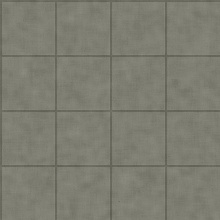 Procedural Stamped Sidewalk Concrete PBR Texture
 Procedural Fine Asphalt Road PBR Texture
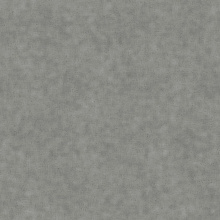 Procedural Pitted Concrete PBR Texture
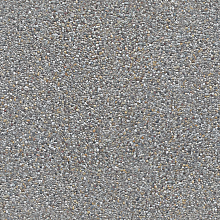 Seamless Concrete Pebble PBR Texture in 4K Resolution
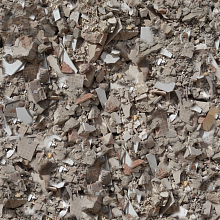 Seamless PBR Concrete Rubble Texture with Debris and Fragments
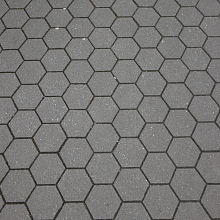 Seamless Hexagonal Concrete Tile PBR Texture 4K
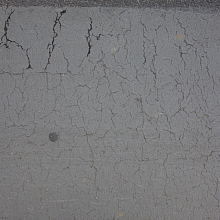 Cracked Asphalt Texture with Weathering