Expert Guide to Leopard Print Seamless PBR Textures for 3D Materials
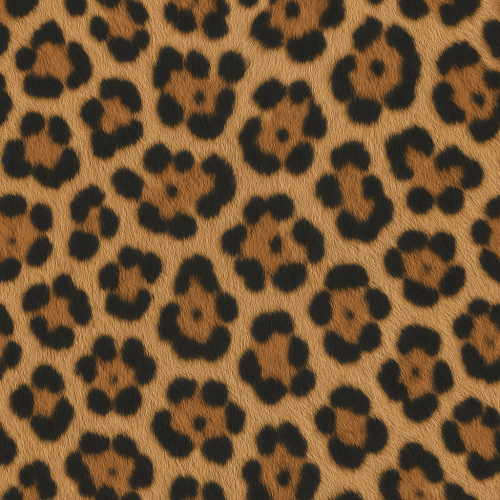
Leopard print textures occupy a distinctive niche within physically based rendering (PBR) workflows, valued not only for their striking visual complexity but also for their adaptability across a broad spectrum of digital content creation fields. From immersive environments in modern gaming engines to the precise demands of architectural visualization and the nuanced subtleties required in fashion product rendering, leopard print textures encapsulate an aesthetic that balances natural irregularity with recognizable patterning. Understanding how to accurately capture and reproduce the defining characteristics of leopard spots within a PBR framework is essential for achieving both authenticity and stylization, depending on the project’s artistic direction.
At its core, a leopard print texture is defined by a series of rosette-shaped spots, typically composed of irregular black outlines enclosing a tawny or golden brown center, arranged against a lighter tan or beige background. This pattern is inherently organic, exhibiting a degree of randomness and variation that challenges straightforward digital replication. In PBR workflows, this complexity must be translated across multiple texture maps—albedo (or base color), roughness, normal, ambient occlusion (AO), height, and sometimes metallic—each contributing to the final material response under dynamic lighting and environment reflections.
The albedo map is the foundational component, carrying the essential color information without baked-in shadows or specular highlights. For leopard print, achieving an authentic albedo map demands careful color calibration and subtle gradient transitions between the spots and surrounding fur base. The color values should reflect the natural pigmentation: the spots themselves tend to be a near-black or deep brown, while the interiors of rosettes are warmer, often with a reddish or golden undertone. The background is a lighter, desaturated beige or cream, with slight tonal variations that mimic the natural fur’s microcolor shifts. Capturing this gradient accurately requires high-resolution source imagery or hand-painted textures derived from photo references, ensuring that the edges of spots do not appear unnaturally sharp or uniform.
Roughness maps for leopard print materials play a critical role in simulating the surface interaction between light and the fur’s microstructure. Unlike smooth surfaces, animal fur exhibits micro-variations in glossiness due to the density, orientation, and condition of the hair fibers. In a leopard print PBR texture, the spots often have slightly different roughness values compared to the surrounding fur, reflecting the subtle differences in hair density or pigmentation. Typically, the black portions of the spots are marginally glossier, as darker pigments can absorb more light, while the lighter fur areas scatter light more diffusely, translating to higher roughness values. When authoring roughness maps, it is important to avoid flat uniformity; introducing subtle noise or micro-variation can simulate natural fur reflectance and prevent the material from appearing artificially smooth or plasticky.
Normal maps are indispensable for adding depth and tactile detail to leopard print textures. Since the pattern exists on an uneven, fur-covered surface, normal maps must capture the slight undulations and hair clumps that give the fur its three-dimensional form. Unlike flat painted textures, these normal maps help break up the silhouette of the spots under dynamic lighting, enhancing realism. For optimal results, normal maps should be derived either from high-resolution photogrammetry scans of real leopard pelts or generated through sculpting workflows in software such as ZBrush or Blender’s sculpt mode. The latter allows artists to emphasize key features like raised hair tufts or the gentle rise and fall of the fur surface, which can be subtle but significantly improve the material’s physicality in real-time engines.
Ambient Occlusion maps contribute to the perception of depth by simulating localized shadowing where fur strands cluster more densely or where the spots naturally recess. In leopard print textures, AO helps accentuate the micro-crevices between hairs and the edges of rosettes, lending the pattern a palpable sense of volume. Proper AO calibration is vital; over-darkening can flatten the texture by exaggerating shadows, while under-utilization reduces the visual punch and realism of the pattern. For workflows in Unreal Engine or Blender, AO maps often combine with other maps in shader networks to modulate indirect lighting, enhancing the fidelity of the leopard print under a variety of lighting conditions.
Height maps, while not always mandatory, can significantly augment the tactile feel of leopard print materials when used in parallax occlusion mapping or displacement workflows. By encoding subtle height differences corresponding to the fur’s intricate patterning, height maps simulate the raised edges of spots and the natural unevenness of the animal’s pelt. This is particularly beneficial in close-up renders or in virtual environments where the viewer may approach the surface closely. Height data must be carefully optimized to avoid excessive displacement that could break the illusion of natural fur or introduce rendering artifacts. In real-time contexts like Unreal Engine, height maps should maintain a balance between visual impact and performance, often necessitating compression and mipmapping strategies to preserve detail without incurring excessive draw calls or memory usage.
Metallic maps are generally less relevant for leopard print textures, given that fur lacks the metallic properties these maps represent in PBR workflows. However, in certain stylized or hybrid materials—such as fashion visualizations where animal print patterns are applied to metallic fabrics or accessories—metallic maps might be employed to define reflective metallic regions within or adjacent to the leopard pattern. This usage requires careful integration to maintain the coherence of both the metallic and organic components within the material.
Acquisition and authoring of leopard print PBR textures demand meticulous attention to detail and a combination of photographic and procedural techniques. High-resolution photographs of leopard pelts serve as invaluable references or base layers for albedo maps. However, raw photos often require extensive post-processing to remove shading, specular highlights, and color imbalances, isolating the pure base color. Tools such as Substance Designer or Quixel Mixer allow for the procedural generation of micro-variations in roughness and normal maps, enabling artists to inject realistic imperfections and avoid repetitive tiling patterns.
Tiling presents a particular challenge for leopard print textures due to the organic irregularity of the spots. Simple repeating patterns can quickly betray their synthetic origin, leading to visual artifacts and immersion-breaking repetition. To mitigate this, texture authors employ techniques such as multi-tile blending, stochastic placement, and the use of micro-variation masks to break up obvious repeats. In Substance Designer, for example, leveraging non-uniform tiling combined with random noise overlays can produce a more natural distribution of spots across large surfaces. Additionally, blending multiple leopard print texture variants through shader layers or vertex painter tools in engines like Unreal or Blender’s Eevee can further reduce visible patterns and enhance realism.
Calibration of leopard print textures within target engines is a critical final step. Given the complexity of the pattern and the fine balance between color, roughness, and normal detail, iterative testing under diverse lighting scenarios is essential. Unreal Engine’s physically based materials system allows for dynamic adjustment of roughness and normal map intensity via material instances, enabling artists to tailor the appearance to specific scene conditions or artistic goals. Similarly, Blender’s Shader Editor supports node-based workflows that facilitate real-time tuning of texture influence, including the capacity to blend between stylized and photorealistic interpretations dynamically.
Optimization strategies are necessary to maintain performance, especially in real-time applications. Leopard print textures typically require high resolution to preserve the detail of the spots and fur texture, often in the 2K to 4K range, depending on object scale and camera proximity. Efficient use of mipmaps, texture compression formats such as BC7 or ASTC, and careful UV mapping to maximize texture space utilization reduce memory footprint without sacrificing visual quality. Moreover, baking combined maps—such as ambient occlusion and curvature into masks used for roughness modulation—can streamline shader complexity and improve rendering speeds.
In conclusion, leopard print PBR textures offer a rich combination of artistic challenge and technical complexity. Their success hinges on a nuanced understanding of organic patterning, precise map authoring, and thoughtful integration into physically based shading models. By carefully balancing authenticity and stylization, leveraging sophisticated acquisition and tiling techniques, and rigorously calibrating materials within rendering engines, 3D artists and technical directors can harness the unique visual appeal of leopard print to elevate projects across gaming, archviz, and fashion visualization domains.
Capturing authentic leopard print textures for physically based rendering workflows demands a meticulous approach to acquisition that balances fidelity to natural detail with the practical constraints of digital texturing pipelines. The complexity of leopard fur lies not only in the distinctive rosette patterns but also in the subtle variations of coloration, fur density, and microstructure that contribute to its photorealistic appearance. To achieve this level of realism, high-resolution scanning and photogrammetry of actual leopard fur—whether from photographic references, museum specimens, or high-quality pelts—form the cornerstone of effective acquisition techniques.
High-resolution scanning methods, such as using flatbed scanners or specialized texture scanners, offer a direct capture of the albedo (base color) information with minimal distortion. The advantage of scanning lies in the ability to maintain consistent lighting and focus, which is critical for preserving the natural color gradients and spot edge softness inherent to leopard fur. However, scanning large or curved samples introduces challenges in maintaining uniform focus and avoiding shadowing caused by the fur’s three-dimensionality. To mitigate this, careful sample preparation—flattening fur sections without damaging the structural integrity—and multiple overlapping scans are often necessary. The resulting images provide a high-fidelity albedo map, rich with subtle color transitions from the warm golden base to the darker rosettes, essential for realistic base color texture creation.
Photogrammetry complements scanning by capturing the volumetric and microstructural aspects of the fur. High-resolution multi-angle photography enables reconstruction of the surface geometry, which translates directly into normal and height maps critical for simulating the tactile quality of fur in PBR workflows. When photographing leopard fur, especially on curved natural surfaces, maintaining consistent, diffuse lighting is crucial to avoid specular highlights that can corrupt the albedo data and complicate normal map extraction. Using polarized light filters can further control unwanted reflections. The resultant photogrammetric mesh can be baked into tangent space normal maps that preserve the intricate topology of individual hairs and spot edges, providing the subtle relief cues needed to simulate light scattering at microgeometry level in engines like Unreal Engine or Blender’s Eevee and Cycles.
One of the primary challenges in capturing leopard print textures is accurately reproducing the natural color variation both across and within rosette patterns. The spots themselves are not uniform black but exhibit gradations from deep dark browns to lighter charcoal tones, often with faint halo effects around edges. The base fur shows a spectrum of yellows, golds, and creams, influenced by seasonal shedding and lighting conditions during capture. This necessitates calibration steps during acquisition and post-processing to normalize color data across multiple samples or capture sessions. Utilizing color calibration charts and consistent white balance references during photography ensures that the albedo textures can be reliably matched to physically accurate shading models. In the PBR context, this translates to base color textures that behave predictably under various illuminations in real-time engines.
Fur density and directional flow present additional acquisition complexities. Leopard fur is not a flat surface; hair strands create anisotropic shading effects and subtle shadowing that contribute to the overall material response. While these effects are challenging to capture directly, some can be approximated through advanced normal and height map baking techniques from photogrammetric meshes, preserving the macro and micro directional cues of fur clumps. Furthermore, generating anisotropic roughness maps informed by the fur’s orientation improves the specular response, particularly in engines supporting anisotropic reflections like Unreal Engine 5. When acquiring textures, capturing multiple high-resolution photographs under different lighting angles can provide data to synthesize these roughness variations, either through manual authoring or procedural texturing workflows.
Ambient occlusion (AO) maps play a vital role in grounding the texture with natural shadowing within the fur clusters and rosettes. Although AO can be baked from the high-poly photogrammetry mesh, care must be taken to avoid exaggerating shadow contrasts, which would appear unnatural on soft fur surfaces. Instead, subtle AO maps that simulate light occlusion between hair strands enhance depth perception without compromising the delicate color transitions. Height maps derived from photogrammetry provide displacement cues that can be used in parallax or tessellation shaders, adding an additional layer of realism by simulating the fur’s uneven surface topology.
Regarding metallic maps, leopard fur is inherently non-metallic; thus, this channel is typically set to zero or black across the texture to prevent unintended specular reflections. This strict adherence to physical material properties ensures that the PBR shader’s energy conservation principles are respected, enabling realistic interaction with environment lighting.
Optimization for engine usage is another critical consideration. High-resolution captures often exceed the texture resolution budgets typical of real-time applications. Therefore, proper tiling and micro-variation workflows are essential. Creating tileable leopard print textures involves carefully selecting sample areas that can seamlessly repeat without visible borders or pattern repetition. Given the natural irregularity of leopard spots, this can be challenging. Techniques such as edge-aware cloning, procedural spot variation overlays, and blending multiple scanned samples help break uniformity and prevent obvious tiling artifacts. Micro-variation maps for roughness and normal channels can be generated procedurally or extracted from varied capture points to add subtle randomness, enhancing the perception of natural fur heterogeneity.
In practical workflows within Unreal Engine, using the engine’s texture compression and streaming features allows for efficient handling of large texture sets. Leveraging masks to blend between different leopard print variations or wear states enables dynamic material responses without increasing texture memory dramatically. In Blender, utilizing the node-based shader editor facilitates the mixing of scanned albedo textures with procedural noise or color variation maps, enabling artists to fine-tune the look interactively before baking the final PBR textures.
Calibration between captured data and shader parameters is paramount. Measured reflectance values from reference fur samples can inform the roughness and specular intensity settings, ensuring that the digital material’s response aligns with real-world observations. Iterative testing under different lighting scenarios, including HDR environment maps, helps validate the authenticity of the textures.
In summary, acquiring authentic leopard print PBR textures involves a multi-faceted approach combining high-resolution scanning for color accuracy, photogrammetry for microgeometry and normal map generation, and careful color calibration to preserve the intricate natural variations of the fur. Addressing challenges related to fur density, anisotropic behavior, and tiling ensures that the final textures integrate seamlessly into modern rendering engines with physically based shading models, ultimately delivering photorealistic materials that convincingly replicate the complexity of leopard fur.
Creating high-quality leopard print PBR textures demands a rigorous balance between artistic control and physical plausibility, and both procedural generation and photographic editing techniques offer distinct advantages for achieving this. Each approach integrates multiple texture maps—albedo, roughness, normal, ambient occlusion (AO), height, and occasionally metallic—to faithfully replicate the intricate fur patterns and material characteristics inherent to leopard pelts. The challenge lies in producing textures that can range from photorealistic to stylized while ensuring seamless tileability, sufficient micro-variation, and optimized performance in real-time engines such as Unreal Engine or rendering suites like Blender’s Cycles.
Procedural workflows are particularly effective for generating leopard prints when flexibility and scalability are prioritized. By leveraging node-based shader systems or scripting environments, artists can algorithmically define spot shapes, sizes, and distribution patterns, mimicking the characteristic rosettes of a leopard’s coat. Typically, the process begins with a base noise or Voronoi pattern to simulate the organic distribution of spots, which are then refined using masks and curvature-driven distortions to avoid unnatural repetition. Controlling parameters such as spot density, edge softness, and internal spot variation enables tailoring from hyper-realistic to stylized interpretations. For instance, edge blurring and layered noise can introduce the subtle fuzziness of fur edges, essential for breaking the hard edges often produced by digital patterns.
Generating the albedo map procedurally involves layering base colors that replicate the gradient from the tawny yellow-brown background to the darker, irregular rosettes. Color ramps and gradient maps are crucial here; they allow smooth transitions and localized hue shifts that prevent flatness. Because the albedo dictates the perceived color and pattern, it must be carefully calibrated to match reference imagery or desired artistic direction. When aiming for alternative color variants—such as black panther-esque melanistic patterns or desaturated, stylized palettes—procedural nodes enable swift color remapping without reauthoring the entire texture. This adaptability is a key advantage over purely photographic methods.
The roughness map, essential for simulating fur’s micro-surface reflectivity, can also be procedurally derived by correlating spot patterns with glossiness variations. Generally, the darker spots correspond to slightly rougher areas due to denser fur or pigmentation, while the background fur tends to be smoother. Procedural noise layered with directional anisotropy simulates the microscopic hair alignment that affects specular highlights, which can be tuned to match specific lighting environments. This channel’s subtlety is vital for achieving believability under dynamic lighting in real-time engines.
Normal and height maps created procedurally require careful attention to the interplay of macro and micro details. The height map often encodes subtle undulations of the fur’s surface and the raised edges of rosettes. By combining fractal noise with directional gradients, the texture can simulate the 3D structure of fur clumps and skin folds beneath. The normal map is typically derived from the height map via software like Substance Designer or via Blender’s displacement-to-normal conversion, ensuring consistent shading. Adding a secondary detail layer representing fine fur strands using fine-scale noise avoids overly smooth results, which can betray the artificial origin of the texture.
Ambient occlusion maps in procedural workflows are often generated through curvature-based masks or by baking indirect occlusion from a 3D fur model, if available. In many cases, a pseudo-AO map derived from the pattern edges suffices, darkening the interiors of rosettes and crevices to enhance depth perception without increasing geometry complexity. This approach is particularly valuable in real-time applications, where performance constraints limit heavy geometry or ray-traced AO.
One of the procedural workflow’s critical challenges is achieving seamless tiling without visible repetition—a common pitfall given the highly recognizable nature of leopard spots. To mitigate this, techniques such as pattern offsetting, randomized spot placement, and multi-octave noise blending are implemented. Using a combination of tileable noise bases with stochastic variation layers breaks up obvious tiling artifacts. Additionally, blending multiple pattern layers with varying scales further obscures repetition. Most shader systems, including Unreal Engine’s Material Editor and Blender’s node-based shaders, support these operations, allowing real-time preview and iterative refinement.
Photographic authoring of leopard print textures complements procedural methods by providing a foundation of authentic detail and natural variation. High-resolution photographs captured under controlled lighting serve as the base for extracting albedo and detail maps. The initial step involves selecting images with minimal distortion, uniform lighting, and clear focus on the pattern. Calibration of color profiles is crucial to preserve the accurate hue and saturation of the fur, often requiring color correction via tools like Adobe Photoshop or Lightroom before texture extraction.
Once a suitable photograph is obtained, careful editing is required to isolate the pattern and prepare it for seamless tiling. This involves cloning and patching to eliminate distracting elements such as shadows, highlights, or fur irregularities not consistent with the desired tile size. The edges of the tile must be treated with blending and edge warping techniques to prevent visible seams. Advanced frequency separation methods allow independent manipulation of color and detail layers, facilitating the creation of a clean, tileable albedo map without sacrificing texture fidelity.
From the photographic base, roughness maps are typically generated by desaturating and inverting the albedo or by extracting specular detail through channel separation. Photographic roughness maps usually require refinement to adjust for lighting inconsistencies in the source image. Using image processing software or Substance Painter, artists can enhance or attenuate glossiness variations to better match physical expectations of fur reflectivity. For instance, darker spots often correspond to slightly higher roughness values, reflecting the denser, oilier fur regions.
Normal maps can be derived from the photographic height information using software such as CrazyBump, xNormal, or Substance Designer’s height-to-normal conversion. However, photographic height data can be noisy and uneven due to lighting conditions and fur topology. Therefore, manual retouching or blending with procedural noise is often necessary to smooth and enhance the normal map, especially to capture micro-fur details that might be lost in the flat photograph. Height maps, where used, should be calibrated to maintain subtle parallax effects without excessive displacement that breaks the pattern’s coherence.
Ambient occlusion maps in photographic workflows benefit from either baking from 3D scans of fur or generating AO from the grayscale information of the photograph, enhanced through curvature filters. This map deepens shadows in crevices and under spots, increasing perceived complexity. Since photographic AO might inherit unwanted shadows, artists often tune the map’s intensity and contrast carefully.
Maintaining seamlessness in photographic textures is a persistent challenge because natural leopard fur patterns rarely repeat perfectly. Techniques such as edge mirroring, offset blending, and patch-based cloning are standard. Additionally, hybrid approaches that combine photographic detail with procedural masks help overcome tiling artifacts. For example, overlaying procedural noise or subtle pattern variation layers on top of the photographic base can mask repetition while preserving natural variation.
In both procedural and photographic workflows, micro-variation is crucial to avoid the “flat” or artificial look often associated with tiled textures. This can be achieved by layering subtle noise maps on roughness and normal channels or by incorporating vertex color variation in the 3D model to modulate texture parameters per instance. In Unreal Engine, material instances and parameter collections allow dynamic adjustment of spot coloration, roughness, or normal intensity, injecting variability at runtime. Blender’s shader nodes permit similar per-instance variation via object info nodes, supporting non-repetitive appearances even when the base texture tiles.
Optimization is another key consideration. Procedural textures, while flexible, can become computationally expensive if overly complex or if multiple layers demand high sampling rates. Baking procedural outputs into texture sets for runtime use often strikes the best balance between quality and performance. Photographic textures require careful resolution management to avoid excessive memory usage; downscaling while preserving detail through smart mipmapping and anisotropic filtering ensures good engine performance. Both methods benefit from texture compression formats supported by target engines, such as BC7 for Unreal Engine.
Calibration against real-world references throughout the authoring process ensures that the physical parameters encoded in the texture maps—particularly roughness and normal—correspond to plausible material responses under typical lighting conditions. Testing in engine environments with different lighting setups, including HDRI and dynamic sources, helps verify that the texture maintains fidelity and visual interest. Adjusting roughness levels or normal map strength based on feedback from engine previews is essential to avoid overly glossy or flat results.
In conclusion, combining procedural generation and photographic editing techniques offers a robust and versatile toolkit for producing leopard print PBR textures. Procedural methods provide unmatched control and adaptability for stylization and alternative color variants, while photographic workflows ground the textures in authentic detail and complexity. By carefully managing seamlessness, micro-variation, and multi-channel calibration, and by optimizing for engine constraints, artists can achieve both natural and stylized leopard patterns that hold up under real-time rendering and close scrutiny.
FAQ
What is covered in this guide?
This guide explains Expert Guide to Leopard Print Seamless PBR Textures for 3D Materials with practical notes for seamless PBR materials, texture setup, and production use.
Can I use these texture techniques in Blender, Unreal Engine, and Unity?
Yes. The workflow focuses on standard PBR maps and tileable materials that can be used in Blender, Unreal Engine, Unity, archviz, games, and VFX pipelines.
Where can I find textures for this workflow?
Use the AITextured texture library and the related texture links on this page to find seamless PBR materials and preview them before download.
Related Textures
 Procedural Stamped Sidewalk Concrete PBR Texture
 Procedural Fine Asphalt Road PBR Texture
 Procedural Pitted Concrete PBR Texture
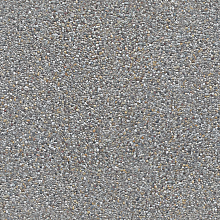 Seamless Concrete Pebble PBR Texture in 4K Resolution
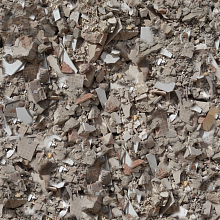 Seamless PBR Concrete Rubble Texture with Debris and Fragments
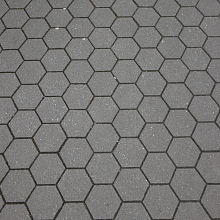 Seamless Hexagonal Concrete Tile PBR Texture 4K
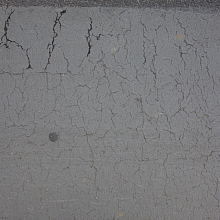 Cracked Asphalt Texture with Weathering