Seamless PBR Coal Textures for Realistic 3D Surfaces
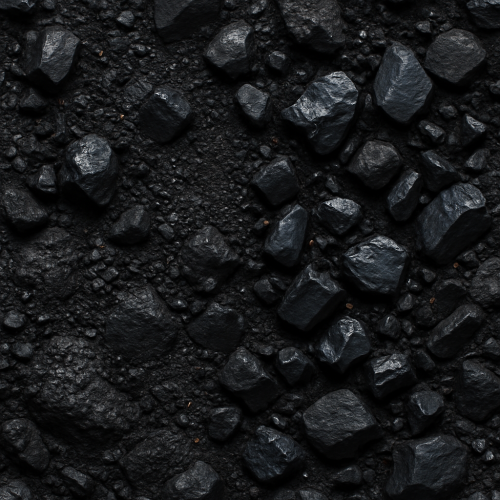
Coal surfaces present a distinctive set of visual and physical properties that pose both challenges and opportunities within physically based rendering (PBR) workflows. Unlike many natural materials such as stone or wood, coal exhibits a complex interplay of matte and glossy characteristics, subtle micro-variations in grain structure, and nuanced reflectivity that necessitate careful consideration during texture acquisition, authoring, and implementation. A thorough understanding of coal’s unique surface attributes is essential for creating convincing digital representations that hold up under diverse lighting conditions and camera angles.
At its core, coal’s appearance is defined by a deep, near-black coloration interspersed with occasional glossy highlights and fine grain patterns that result from its organic sedimentary origins. The albedo or base color map of coal textures typically consists of a very dark, almost pure black tone with slight chromatic variations toward dark greys or faint browns. These subtle shifts in hue are often imperceptible in casual observation but are critical for preventing the material from reading as flat or artificially uniform in rendered scenes. Capturing these low-level chromatic fluctuations involves careful sampling during texture acquisition, often using high dynamic range (HDR) photography under controlled lighting to preserve detail in the shadowed midtones without clipping.
The roughness map plays a pivotal role in defining the characteristic reflectivity of coal surfaces. Coal’s roughness tends to be heterogeneous; some areas exhibit a smooth, almost polished sheen due to natural compression and weathering, while others remain matte and diffuse, reflecting very little direct light. This spatial variation in roughness must be encoded precisely to avoid an overly uniform or plasticky appearance. When authoring roughness maps, it is advisable to emphasize subtle micro-roughness modulation that mimics the natural grain and surface irregularities of coal. Procedural noise overlays or micro-detail normal maps can effectively simulate these fine-scale variations, contributing to more believable specular highlights and light scattering.
Normal maps are indispensable for reproducing coal’s complex surface topology. Coal’s texture is rarely smooth; it features a granular, fractured grain structure composed of tiny fissures, pits, and ridges formed by mineral deposits and organic inclusions. High-quality normal maps, often derived from photogrammetry or high-resolution height scans, encode these micro-variations, providing essential geometric cues that influence how light interacts with the surface. In practice, combining normal maps with height or displacement maps can further enhance the tactile realism of coal textures, especially in close-up renders where surface depth and relief become visually prominent.
Ambient occlusion (AO) maps are another critical component, enhancing the perception of depth and contact shadows in coal materials. Due to the irregular grain and fractured nature of coal surfaces, AO captures the subtle shadowing effects within crevices and cracks, grounding the material in its environment and preventing it from appearing unnaturally flat. Care must be taken to balance AO intensity to avoid excessive darkening that can diminish visible surface detail. In many PBR workflows, AO maps are integrated multiplicatively with the base color or utilized as a separate shading layer, depending on the engine or renderer.
Height maps or displacement maps complement normal maps by providing scalar height information, allowing for the simulation of pronounced surface undulations and fissures. For coal textures, these maps should be carefully calibrated to represent the relatively shallow but intricate surface variations characteristic of the material, as overly exaggerated displacement can result in unnatural surface deformation. Height map data is particularly useful in engines like Unreal Engine or Blender’s Cycles and Eevee renderers, where tessellation or parallax occlusion mapping techniques leverage this information to create convincing surface depth without excessive geometry overhead.
Regarding metallic maps, coal is generally considered a non-metallic material within PBR workflows, so the metallic value is typically set to zero. However, subtle mineral inclusions or vitreous particulates within some coal specimens may yield localized metallic-like reflections, but these are usually negligible and better represented through roughness and specular parameters rather than metallic channel modulation.
The acquisition and authoring of coal textures require a meticulous approach. Photogrammetry and high-resolution scanning prove invaluable for capturing the intricate details of coal surfaces. Controlled lighting setups with diffuse and directional components help reveal both the matte and glossy facets of the material, ensuring accurate albedo and roughness capture. When scanning coal, attention must be given to the reflectivity variance to avoid specular highlights washing out texture details. Post-processing workflows often involve tone mapping and linearization to maintain fidelity across texture maps.
Tiling coal textures seamlessly is non-trivial due to their high contrast and fine grain structure. The presence of distinct fissures and irregularities makes naive tiling prone to noticeable repetition and pattern artifacts. To address this, texture authors often employ a combination of blending multiple texture sets, procedural detail overlays, and advanced tiling algorithms such as triplanar mapping or stochastic tiling within engine shaders. These approaches help mitigate visible seams and maintain the organic randomness inherent to coal surfaces over large areas, which is essential for applications like environmental assets or terrain materials.
Micro-variation is another crucial consideration. Coal’s surface is inherently heterogeneous, with subtle variations in gloss, roughness, and normal detail at microscopic scales. Incorporating micro-variation through layered detail normal maps, noise modulation in roughness channels, or shader-driven procedural perturbations enhances the realism of coal textures by preventing uniform reflections and flat shading. In real-time engines such as Unreal Engine, micro-variation can be implemented efficiently using detail maps combined with vertex normals or world-space noise functions, balancing visual quality with performance constraints.
Calibration of coal textures within PBR pipelines necessitates rigorous testing under varied lighting conditions and viewing angles. Since coal’s visual identity heavily relies on its interplay between diffuse absorption and specular reflection, it is critical to validate texture maps against physically accurate shader models to ensure correct energy conservation and consistent appearance. Cross-engine calibration is advisable when targeting multiple platforms; for example, subtle differences in roughness interpretation between Unreal Engine’s physically based shading model and Blender’s Principled BSDF shader require texture adjustments to maintain visual parity.
Optimization strategies remain essential to balance fidelity and performance. High-resolution coal texture sets with multiple channels can be costly in terms of memory and runtime overhead. Efficient use of texture packing, such as encoding roughness and metallic data into a single channel where applicable, or leveraging texture atlases for repeated assets, helps conserve resources. Mipmapping and anisotropic filtering techniques in modern engines further improve the appearance of coal surfaces at varying distances and angles, maintaining crisp detail and reducing aliasing artifacts.
In practical terms, deploying coal textures in engines like Unreal Engine involves integrating the maps into a material graph that respects PBR principles. The base color should be connected to the albedo input, roughness and normal maps to their respective slots, and AO maps typically multiplied with the base color or plugged into the ambient occlusion input if available. Height maps can be fed into tessellation or displacement nodes to enhance surface depth. Material instances allow for fine-tuning parameters such as roughness intensity or normal map strength in context. Blender users working with the Principled BSDF shader follow a similar workflow, using the base color, roughness, and normal inputs while optionally incorporating displacement through the displacement socket or modifier for enhanced detail.
Ultimately, the accurate digital representation of coal surfaces hinges on a nuanced understanding of their physical and optical properties, careful acquisition and authoring of texture maps, and thoughtful integration into PBR workflows. Attention to the interplay of dark albedo values, heterogeneous roughness, detailed normal and height information, and subtle ambient occlusion effects is essential to delivering coal materials that convincingly respond to light and environment, whether for cinematic rendering or real-time visualization.
Capturing high-quality surface data for coal PBR textures demands meticulous planning and execution to ensure the resulting maps—albedo, roughness, normal, ambient occlusion (AO), height, and where relevant, metallic—faithfully represent the unique physical characteristics of coal. The dark, often semi-glossy and micro-porous nature of coal surfaces presents specific challenges that influence acquisition techniques, from lighting setups to calibration and post-processing workflows.
When beginning a coal texture capture, the choice of acquisition method largely hinges on the scale and intended use of the texture within a PBR workflow. High-resolution photogrammetry remains the preferred approach for capturing the complex micro-variations and subtle surface details inherent in coal. The inherent roughness and fractured surfaces of coal are well-suited to dense image sets that can resolve both macro and micro features. Photogrammetry’s ability to generate detailed normal and height maps, alongside accurate albedo captures, makes it indispensable. However, attention must be paid to lighting conditions and reflective properties to avoid data contamination.
Lighting is critical in coal texture acquisition due to the material’s low albedo and variable glossiness. A diffuse, even lighting environment is essential to minimize specular highlights that can obscure surface texture detail. Utilizing a light tent or a softbox setup ensures soft, controlled illumination that reduces harsh reflections. This diffuse lighting allows the camera sensor to capture the true albedo without the influence of specular spikes, which is crucial for generating clean base color maps. In addition, indirect, evenly scattered light aids in revealing micro-roughness variations, helping to inform roughness maps in post-processing.
For normal and height map acquisition, directional lighting is introduced carefully to accentuate surface micro-reliefs without generating overwhelming shadows or specular hotspots. Employing a raking light at low angles can enhance surface detail visibility, which is crucial when using photogrammetry software’s depth reconstruction algorithms. Multiple lighting angles captured in separate passes or via structured light scanning complement this approach by providing a richer dataset for deriving accurate normal and height information, especially in areas where coal’s fractured surfaces create complex geometry.
The camera and lens choice significantly impact the fidelity of coal texture captures. A high-resolution DSLR or mirrorless camera with a macro-capable lens is preferred to capture fine granularity and micro-variation, particularly important for coal’s fractured and porous appearance. A focal length in the range of 50-100mm macro minimizes distortion while allowing close-up shots needed for detailed textures. Consistent focus stacking techniques may be necessary to maintain sharpness across uneven surfaces, ensuring no detail is lost due to depth of field limitations. Calibration of camera parameters, including white balance and lens profile correction, is essential to maintain color accuracy and geometric fidelity, particularly since coal’s dark tones can challenge automatic camera metering.
When working with scanning technologies, structured light scanners and laser scanners offer precise surface geometry acquisition that can supplement photogrammetry data. These scans are invaluable for deriving detailed height and normal maps with sub-millimeter accuracy, which are critical for convincing surface micro-variation in PBR workflows. However, reflective properties of coal can interfere with scanning accuracy; applying a temporary matte coating such as a removable powder spray can mitigate this issue without altering the underlying surface detail. Care must be taken to document and remove any coating artifacts during post-processing to preserve authenticity.
Environment setup plays a vital role in minimizing noise and artifacts in the captured data. A controlled environment free from ambient light fluctuations ensures consistent exposure and color fidelity across all shots. A neutral gray or black background helps prevent color bleeding, which could otherwise skew albedo data. Stabilizing the subject to prevent movement between shots is especially important in photogrammetry, where misalignments can degrade model accuracy. Using a turntable with precise incremental rotations facilitates consistent coverage and overlapping images needed for reliable reconstruction.
Once raw data acquisition is complete, the calibration and processing pipeline begins. The albedo map extracted from photogrammetry should be refined to remove shadows, specular highlights, and color casts while preserving natural tonal variation. This often involves retouching in image editing software and the use of custom shaders or filters to separate diffuse from specular components. For roughness maps, the tonal variation in the albedo alone is insufficient; instead, roughness data is typically derived from the intensity and distribution of specular highlights captured across multiple lighting conditions or synthesized using physically informed algorithms that consider coal’s surface micro-geometry.
Normal maps benefit from combining photogrammetric depth data with high-frequency detail generated through techniques such as bump map baking from high-resolution geometry or procedural noise emulating coal’s fine particulate texture. Ambient occlusion maps extracted from baked geometry complement this by simulating shadowing in crevices and fractures, enhancing depth perception in the final material. Height maps, essential for parallax occlusion or displacement mapping in engines like Unreal Engine or Blender’s Cycles/Eevee, are generated by scaling and normalizing reconstructed depth data, then fine-tuned to avoid exaggerated displacement artifacts that could break tiling consistency.
Tiling coal textures pose a particular challenge given the natural randomness of the material’s fracture patterns and particulate distribution. To avoid obvious repetition in game engines or renderers, acquisition should include capturing large, overlapping texture sets with sufficient variation. These can be processed using specialized tileable texture generation tools that blend edges and introduce subtle variation in albedo, roughness, and normal data. Techniques such as detail texturing or layered micro-variation maps help break uniformity, with subtle procedural noise overlays compensating for any loss in detail due to tiling.
Optimization for real-time engines demands a balance between fidelity and performance. Coal textures often require high-resolution maps to reproduce nuanced surface detail convincingly, but these must be scaled appropriately and compressed using engine-supported formats such as BC7 for albedo and roughness or BC5 for normals. Mipmapping strategies should preserve edge sharpness for normal maps while allowing roughness and AO maps to blur subtly to avoid aliasing. In Unreal Engine, material instances can leverage mask maps combining roughness, metallic (typically black for coal), AO, and height information into single textures, reducing shader complexity and memory footprint.
In Blender workflows, the acquired PBR maps serve as inputs to principled BSDF shaders, where roughness and normal maps define surface interaction with light. Proper calibration ensures these inputs reflect physical parameters—roughness values aligned to measured gloss levels of coal, normals derived from accurate micro-geometry, and albedo reflecting true diffuse reflectance. Using displacement modifiers driven by height maps can add additional realism, particularly in close-up renders, though care must be taken to limit subdivision levels for performance.
In summary, acquiring coal PBR textures involves a rigorous interplay of lighting control, high-quality capture equipment, environment management, and calibrated post-processing. The dark, complex nature of coal requires precise diffuse lighting to extract clean albedo data, careful directional lighting for micro-detail, and advanced scanning or photogrammetry techniques to capture accurate surface geometry. The resulting data, when processed with attention to tiling, micro-variation, and engine optimization, yields textures that authentically reproduce coal’s distinctive appearance in physically based rendering pipelines across modern 3D applications.
Creating physically plausible and visually compelling coal textures for PBR workflows demands a nuanced approach that balances the organic complexity of natural coal surfaces with the practical necessity for seamless tiling and efficient engine rendering. The integration of procedural methods with photographic input is particularly effective for authoring coal textures, as it leverages the inherent fidelity of real-world data while enabling fine-grained control over variation and repeatability—critical for materials like bituminous and anthracite coal, which exhibit distinct visual and physical properties.
Photographic data acquisition forms the foundation of realistic coal textures. High-resolution, well-lit captures of coal samples are essential to capture subtle albedo variations, surface reflectance nuances, and microstructural details. Bituminous coal, characterized by its semi-glossy luster and dark, often uneven coloration with occasional mineral inclusions, demands photographic input that emphasizes these features without overexposing the reflective sheen. Anthracite, by contrast, is typically shinier and more homogeneous, with a deeper black tone and a harder surface texture, necessitating photographic captures that reveal specular highlights and microfacet structures. Utilizing controlled lighting environments, such as dome lights or cross-polarized setups, helps minimize unwanted reflections and glare, thereby isolating intrinsic surface qualities critical for base color and roughness map derivation.
Once photographic input is collected, the challenge lies in converting these often irregular, non-tileable images into seamless textures suitable for PBR workflows. This is where procedural authoring becomes indispensable. Procedural techniques, including noise functions, fractal algorithms, and layered blending, can be employed to generate micro-variation that complements and extends photographic data. For coal textures, procedural noise can simulate fine surface grain and subtle roughness variations that are difficult to capture uniformly across photographs. Combining these procedural layers with photographic albedo maps, typically through blending modes such as overlay or multiply in texture authoring software like Substance Designer or Blender’s shader nodes, allows artists to maintain natural color fidelity while introducing controlled variation that mitigates tiling artifacts.
A key consideration when blending photographic and procedural elements is the preservation of key visual characteristics unique to the coal type. For bituminous coal, this means retaining the mottled, semi-gloss surface with its occasional light mineral flecks. Procedural noise layers can be masked to highlight or soften these inclusions selectively, blending them seamlessly into the base color without flattening the image. In the case of anthracite, the procedural component can reinforce the smooth, glassy appearance by modulating roughness and normal details to simulate the polished, near-mirror finish. This approach ensures that the underlying photographic fidelity is enhanced rather than diluted, preserving the material’s identity in the final PBR output.
From a technical standpoint, generating the full suite of PBR maps—albedo, roughness, normal, ambient occlusion (AO), height, and metallic (where applicable)—requires a calibrated workflow that integrates photographic input with procedural refinement. Albedo maps are generally derived directly from calibrated photographs, corrected for lighting and color balance to ensure neutral, physically accurate base colors free from baked-in shadows or highlights. Roughness maps benefit from procedural modulation to introduce micro-roughness variance; for instance, bituminous coal’s roughness might be subtly varied using a combination of fractal noise and curvature-based masks derived from normal maps, whereas anthracite’s roughness map should emphasize lower roughness values with fine procedural detail to mimic its reflective quality.
Normal maps are often generated through a hybrid approach: photographic height information can be extracted via photogrammetry or height mapping from macro photographs, while fine-scale normal detail is procedurally generated using noise and bump algorithms to simulate granular surface features. This layered normal map approach enhances surface realism without relying solely on high-frequency photographic detail, which may be inconsistent or cause tiling artifacts. Ambient occlusion maps, critical for shading fidelity in engines like Unreal or Blender’s Eevee and Cycles, can be baked from high-poly models or synthesized procedurally to accentuate crevices and surface irregularities typical of coal chunks or slabs, thereby improving depth perception and material definition.
Height maps, essential for parallax occlusion or displacement effects, require careful calibration to avoid exaggerated surface geometry that can break the illusion of scale or cause rendering artifacts. Procedural height variation can be used to complement photographic height data, smoothing transitions and introducing subtle micro-elevations that reflect the coal’s fractured, layered structure without creating unnatural surface undulations. Metallic maps are generally unnecessary for coal, as it is a non-metallic material; however, in cases where mineral inclusions exhibit metallic qualities, selective masking informed by photographic evidence can be used to generate sparse metallic regions, though this is rare and should be handled conservatively.
Ensuring tileability without sacrificing natural variation is a core technical challenge. Techniques such as edge blending, offsetting, and seamless cloning are standard for photographic textures, but their mechanical repetition often reveals unnatural patterns. Procedural noise and pattern generators can be employed to break up these repetitions by introducing stochastic variation at various scales. One effective approach involves using procedural masks to modulate albedo and roughness variations, creating soft transitions across texture boundaries. Additionally, blending multiple tiled photographs with procedural noise layers in a multi-channel mask setup can yield a more organic appearance. For example, a three-layer blend where each photographic tile is offset and combined with unique procedural perturbations can simulate non-repetitive coal surfaces across large areas.
Within game engines like Unreal Engine, authoring coal textures with this hybrid approach allows for dynamic material instances that can adjust roughness, albedo tint, and normal intensity in real time, facilitating material customization for different environmental conditions or artistic directions. Unreal’s material editor supports complex layering and blending techniques, enabling the integration of procedural masks generated at runtime with static photographic textures. This flexibility is crucial when simulating coal in diverse lighting scenarios, such as wet conditions where roughness decreases and reflectivity increases, or dusty environments where ambient occlusion and roughness maps adjust accordingly.
In Blender, procedural texture nodes combined with image textures offer a non-destructive workflow for iterative refinement. Artists can leverage Blender’s procedural noise (e.g., Musgrave, Voronoi) to add micro-variation to roughness or bump maps while using image textures for base color and macro detail. Blender’s texture painting tools also facilitate manual correction of seams or feature alignment to improve tileability. Baking combined procedural and photographic data into texture sets optimized for real-time engines ensures efficient material usage without sacrificing visual fidelity.
Optimization is critical when authoring coal textures, as high-resolution photographic maps can be resource-intensive. Procedural augmentation enables the reduction of photographic texture resolution by filling in detail procedurally, which maintains perceived surface complexity while lowering memory and bandwidth costs. Mipmapping strategies and anisotropic filtering in engines further enhance texture appearance at varying camera distances, but the base quality must be high and balanced to prevent blurring or loss of important surface cues, especially in close-up views.
In summary, the procedural and photographic authoring of coal PBR textures is a sophisticated interplay between capturing authentic, material-specific details and engineering their seamless integration into tileable, optimized texture sets. This approach ensures that the distinct visual identities of bituminous and anthracite coal are preserved and enhanced, enabling accurate representation in diverse rendering contexts without compromising performance or artistic control. Mastery of this combined workflow empowers artists and technical directors to create coal materials that convincingly respond to lighting, scale, and environment, meeting the rigorous demands of modern real-time and offline rendering pipelines.
FAQ
What is covered in this guide?
This guide explains Seamless PBR Coal Textures for Realistic 3D Surfaces with practical notes for seamless PBR materials, texture setup, and production use.
Can I use these texture techniques in Blender, Unreal Engine, and Unity?
Yes. The workflow focuses on standard PBR maps and tileable materials that can be used in Blender, Unreal Engine, Unity, archviz, games, and VFX pipelines.
Where can I find textures for this workflow?
Use the AITextured texture library and the related texture links on this page to find seamless PBR materials and preview them before download.
Related Textures
 Procedural Dark Tree Bark PBR Texture
 Procedural Aged Oak Plank PBR Texture
 Seamless PBR Wood Planks Texture Featuring Natural Grain in 4K
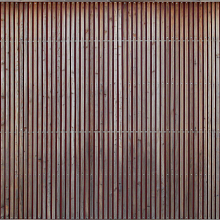 Seamless Wooden Facade PBR Texture in 4K Resolution
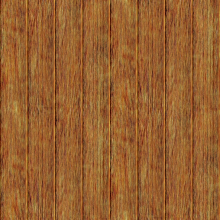 Rustic Aged Wood Planks Texture for 3D Modeling and Rendering
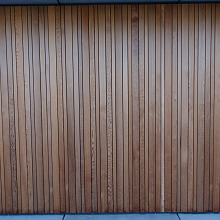 PBR Texture of Vertical Wooden Planks Wall
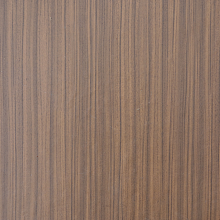 Seamless PBR Wood Texture Featuring Vertical Natural Grain Patterns
 Natural Wood Logs Texture with Snow for 3D PBR