Height Map vs Normal Map for Stone Materials
Understand when to use height maps, normal maps, parallax and displacement for stone PBR materials in 3D scenes.
What this material workflow helps you fix
Use this guide when Height Map vs Normal Map for Stone Materials needs practical scale, roughness, normal strength and visual QA settings rather than only a preview thumbnail.
Normal maps change lighting across a flat surface. Height maps describe depth that can be used for parallax, displacement or material blending.
Stone benefits from both, but using height too aggressively can make masonry look inflated or break silhouettes in ways the model does not support.
Practical Material Parameters
| Material focus | Recommended UV scale | Roughness range | Normal strength range | Best use cases | Common visual issues |
|---|---|---|---|---|---|
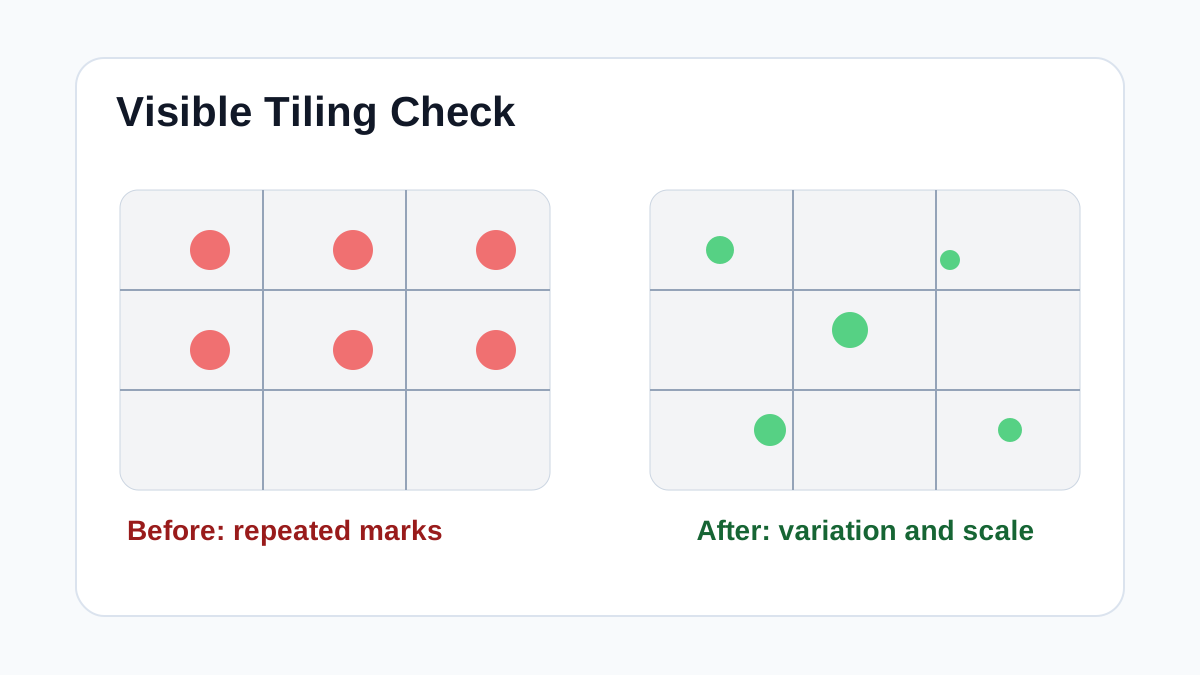
| Stone blocks and rock walls | 1-4 m per tile depending on block size | 0.45-0.85 | 0.35-0.9 | Masonry, cliffs, paths, landscape props | Stone scale too small, height too strong, repeated bright stones |
Step-by-Step Workflow
- Use normal maps for most stone surface detail.
- Use height maps for close-up parallax, displacement or blend masks.
- Keep height intensity low on flat masonry and tile materials.
- Test the material from the final camera distance.
- Disable expensive height features on background assets when they add little value.
Quality Checklist
- Normal detail responds well under side lighting.
- Height does not create floating or warped edges.
- Close-up surfaces gain depth without hurting performance.
- The map choice matches the target engine and asset importance.
Common Mistakes
- Assuming height maps always improve realism.
- Using displacement without enough mesh resolution.
- Letting parallax effects shimmer in motion.
Useful Next Steps
- Browse Stone PBR textures for source materials that match this workflow.
- Use Online PBR preview to preview, pack or prepare maps before importing them into your scene.
- Return to the workflow guide library for related Blender, Unreal Engine, Unity and optimization workflows.
Recommended Textures for This Workflow
FAQ
Which texture maps do I need for Height Map vs Normal Map for Stone Materials?
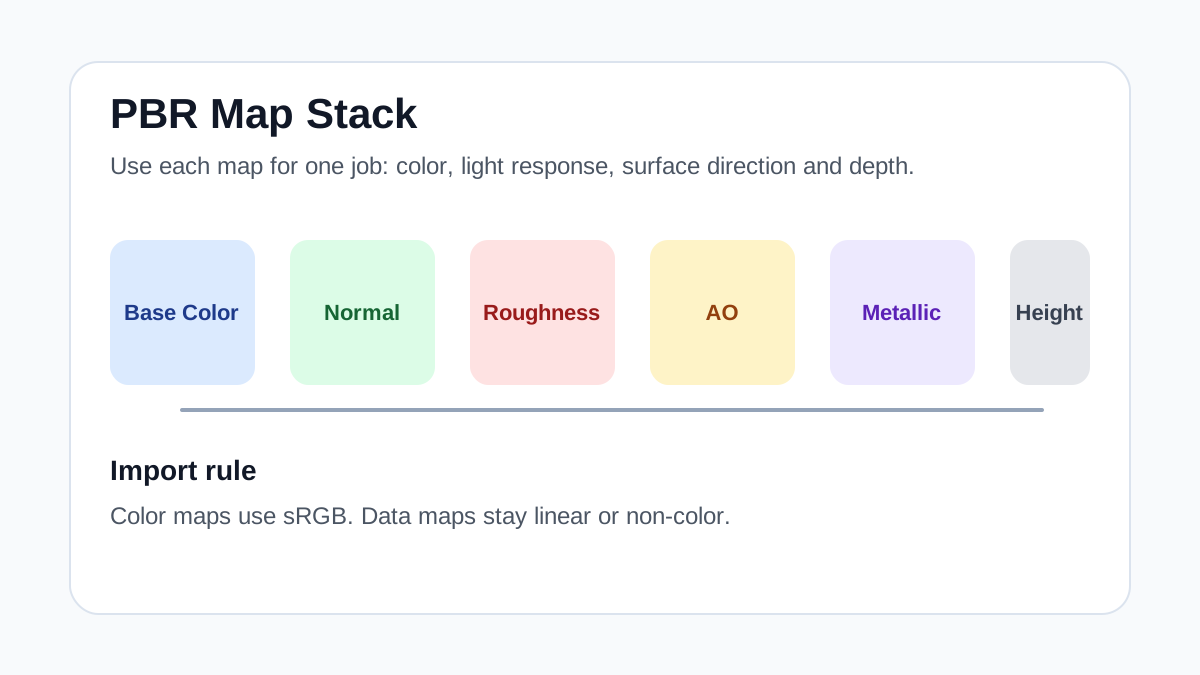
Start with base color, normal and roughness. Add AO, height, metallic or packed engine maps when the material and target renderer support them.
Should I always use 4K or 8K textures for this workflow?
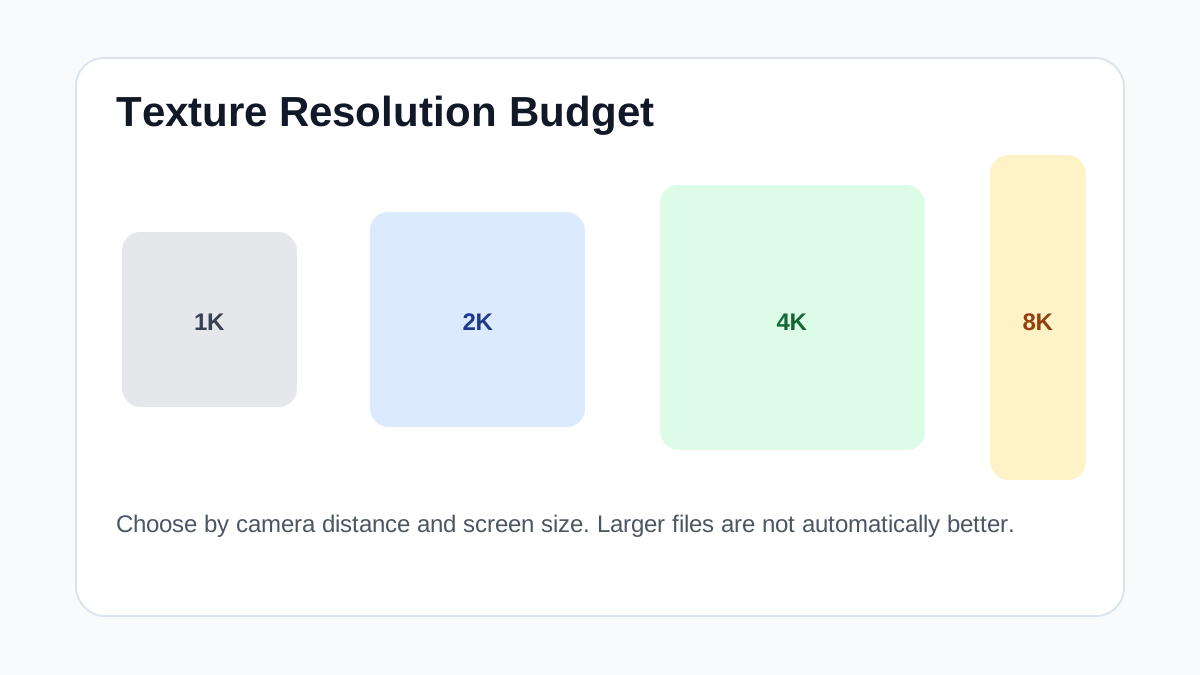
No. Use 4K or 8K only for close camera views or hero assets. For background surfaces, 1K or 2K textures with good tiling and mipmaps are often more efficient.
How does this guide fit into a PBR Workflow pipeline?
Use the guide as a setup checklist before final material tuning. Check scale, color space, map routing, tiling and performance in the target scene rather than judging the texture from the thumbnail alone.