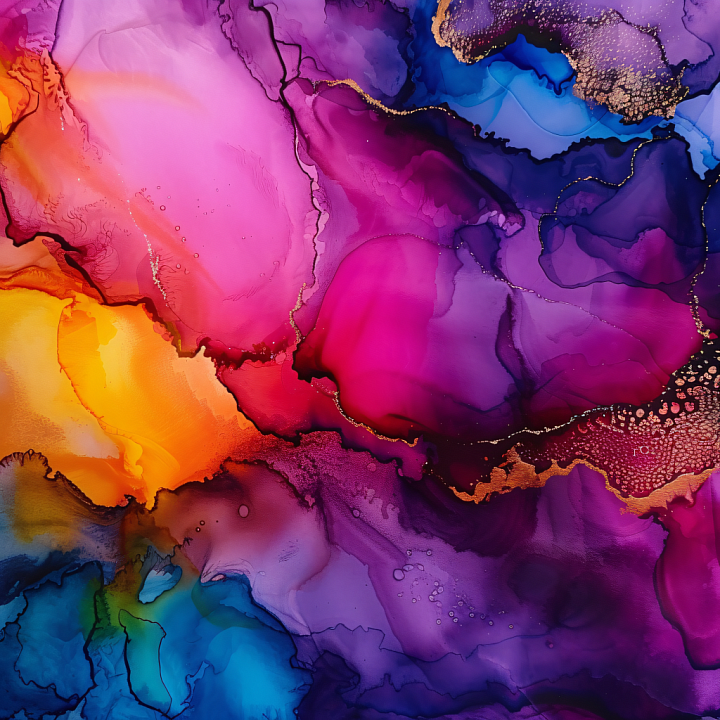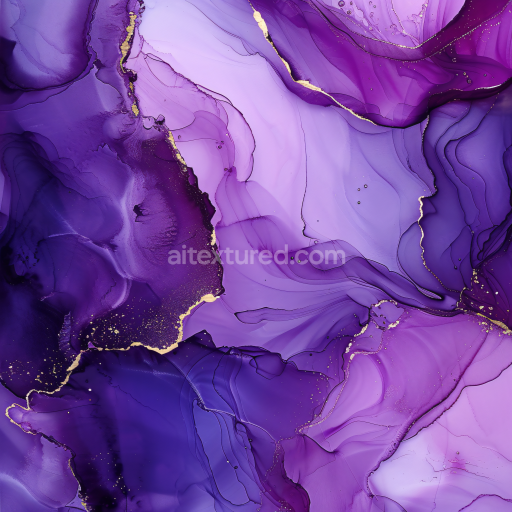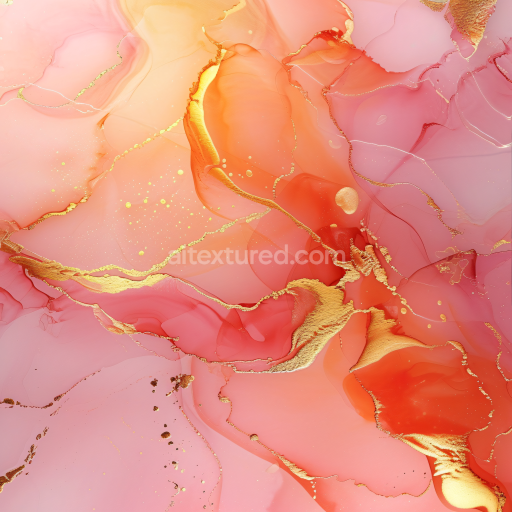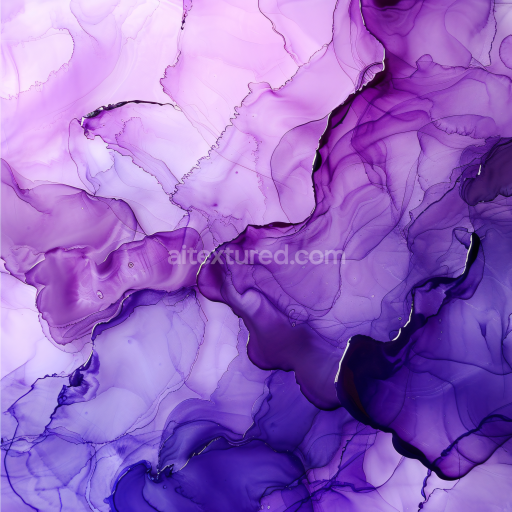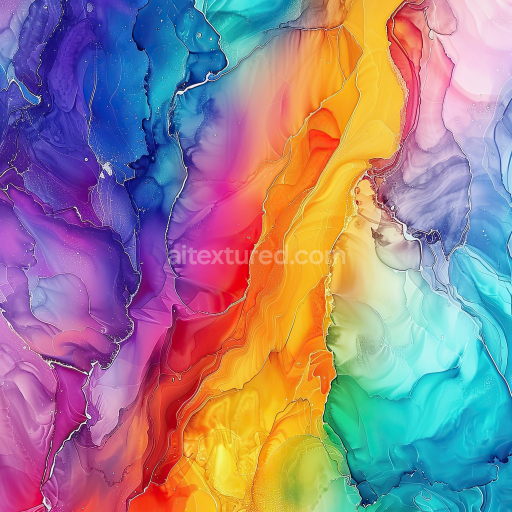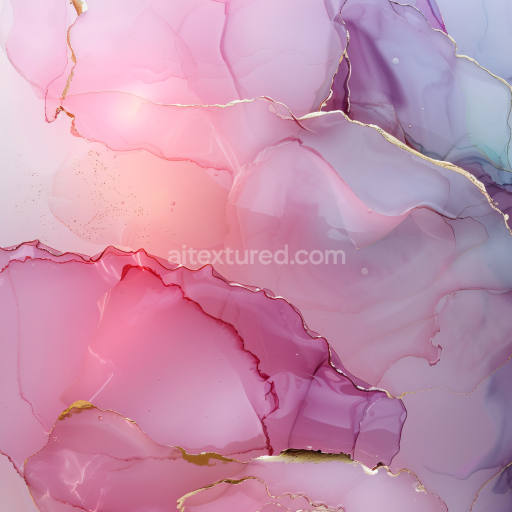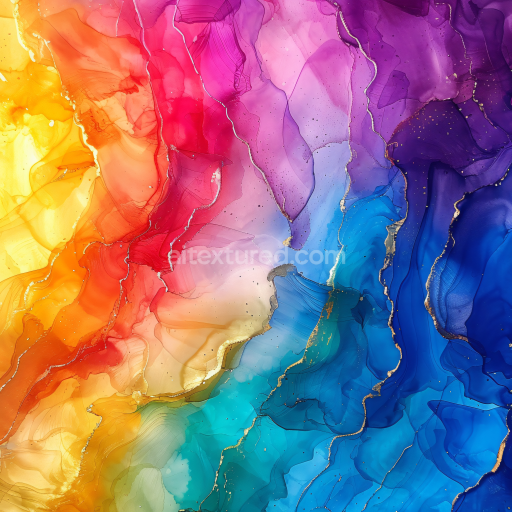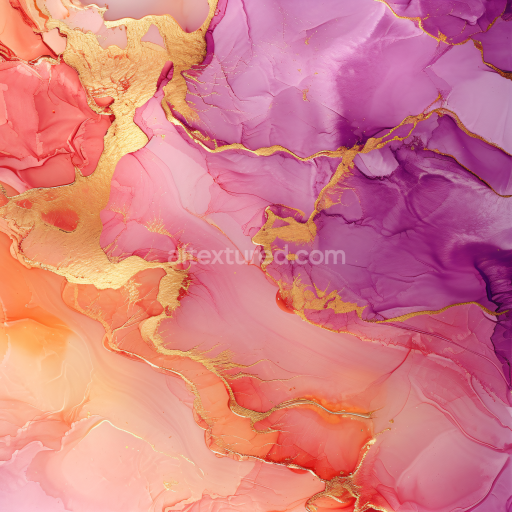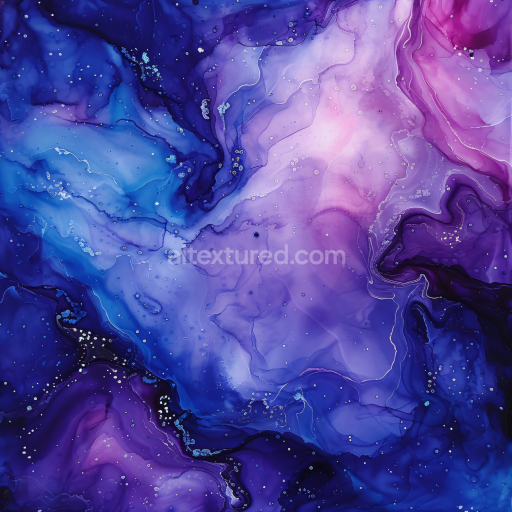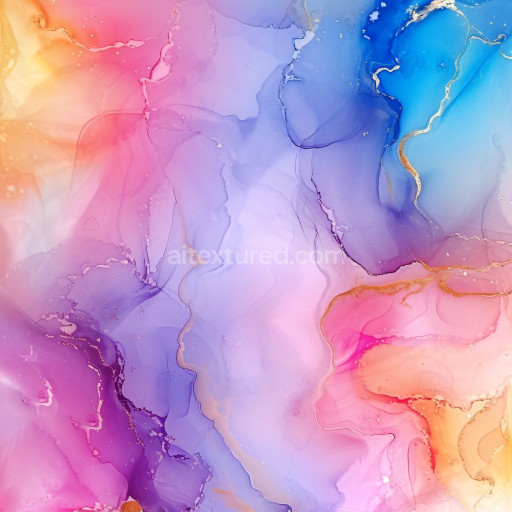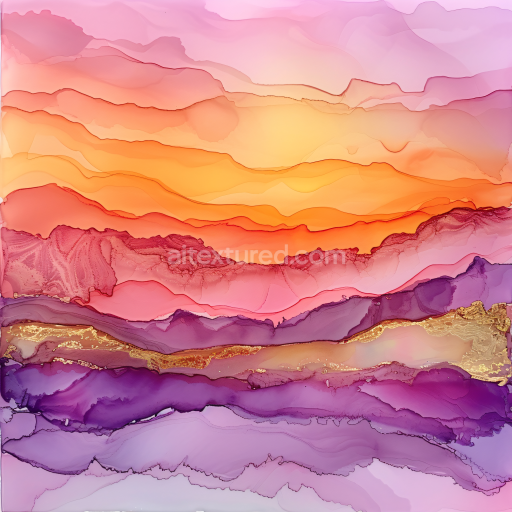
Seamless 3D Alcohol Ink PBR Texture Featuring Vibrant Purple and Gold Swirls with Fluid Movement

Texture · PNG. License: Free for personal & commercial use.

Preview — Seamless 3D Alcohol Ink PBR Texture Featuring Vibrant Purple and Gold Swirls with Fluid Movement

Texture Info

IDalcohol-ink-seamless-pbr-alcohol-ink-texture-with-vibrant-purple-gold-swirls
CategoryAlcohol ink
FormatsPNG
Size1k (1024x1024px), 2k (2048x2048px), 4k (4096x4096px), 8k (8192x8192px)
ColorsRGB
TileableYes
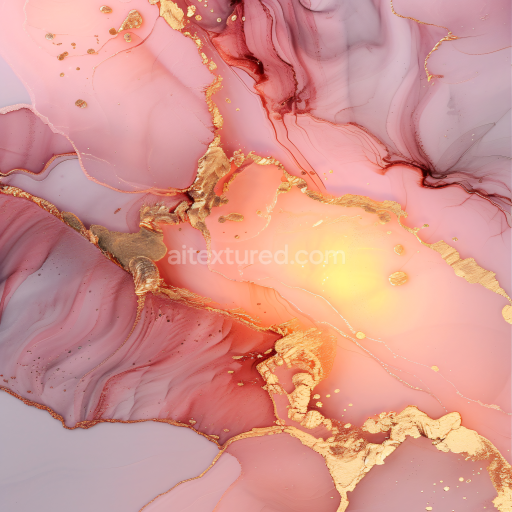
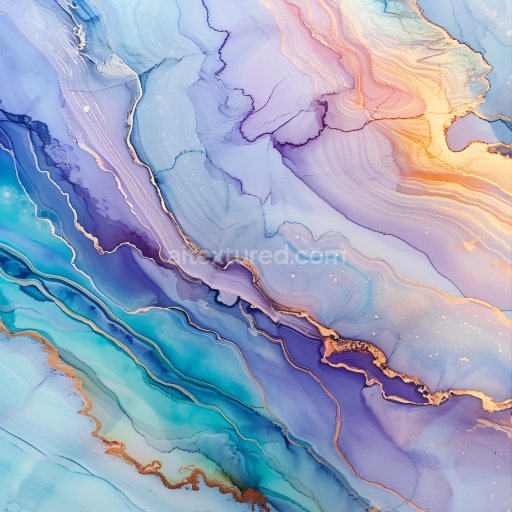
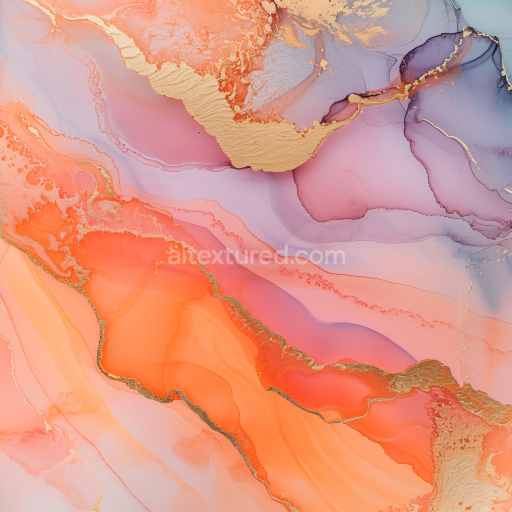
This seamless alcohol ink texture captivates with its fluid interplay of vibrant purples, deep magentas, rich blues, and warm golden-orange highlights. Delicate, organic swirls flow effortlessly across the surface, creating soft gradients that shift from saturated color fields to translucent washes. Fine gold vein accents trace through the composition, lending a luxurious shimmer and adding depth with their delicate metallic edges. The ink movement features smooth blending and subtle marbling effects, with occasional cellular textures near the gold details suggesting a natural ink pooling and bloom. Layered translucency and feathered edges unite to give a luminous, almost ethereal quality to this texture. Tileable and PBR-ready, it integrates seamlessly in 3D modeling, game development, architectural visualization, and product rendering workflows compatible with Blender, Unreal Engine, Unity, 3ds Max, and Cinema 4D. This vibrant texture excels in stylized environments, contemporary interior art, luxury branding projects, editorial design, and motion graphics requiring visually rich abstract backgrounds or surfaces. Its balanced energy and luxurious warmth provide expressive organic complexity, making it perfect for augmenting creative 3D assets or enhancing sophisticated digital atmospheres.

How to Use These Seamless PBR Textures in Blender

This quick guide shows how to connect a seamless PBR texture set in Blender using Principled BSDF. The workflow works for tileable materials used in Blender, Unreal Engine, Unity, archviz, and game environments.

What Is Included

  • albedo or base color for the visible surface color
  • normal for fine surface relief
  • roughness for gloss and reflectivity control
  • metallic for metal or dielectric response
  • ao for ambient occlusion in cavities
  • height for bump, parallax, or displacement
  • ORM packed maps for optimized real-time workflows
Blender node setup overview for a seamless PBR texture
Example node layout for a standard PBR material in Blender.

Quick Start

  1. Open the Shader Editor and create a new material.
  2. Add an Image Texture node for each map you want to use.
  3. Set Color Space to sRGB for Albedo and to Non-Color for Normal, Roughness, Metallic, AO, Height, and ORM.
  4. Connect the maps to the matching inputs on Principled BSDF.

Recommended Connections

  • Albedo -> Base Color
  • Roughness -> Roughness
  • Metallic -> Metallic
  • Normal -> Normal Map node -> Normal
  • Height -> Bump or Displacement, depending on your render setup
Adding an image texture node in Blender
Add an Image Texture node before assigning the downloaded maps.

Using ORM Maps

If your download includes a packed ORM texture, split its RGB channels: R = AO, G = Roughness, B = Metallic. This is useful for Unreal Engine and other optimized real-time pipelines.

Tiling and UV Scale

Because these textures are seamless, you can repeat them across large surfaces without visible seams. Use a Mapping node to increase or reduce tiling density on floors, walls, terrain, props, and modular assets.

Common Mistakes

  • Using sRGB on non-color maps
  • Connecting a Normal map directly without a Normal Map node
  • Overdriving Height or Bump values so the surface looks unnatural
  • Ignoring texture scale, which makes seamless materials look repetitive
Loading a downloaded texture set into Blender
Load the downloaded texture set and wire the maps to Principled BSDF.

For more examples, browse related categories such as Wood Textures, Concrete Textures, and Metal Textures.

AITEXTURED Tools

Build, preview, and export seamless PBR materials. Generate full map sets from a single image, inspect them in a real-time WebGL viewer, and re-package maps for Unreal, Unity, and Blender—directly in your browser.