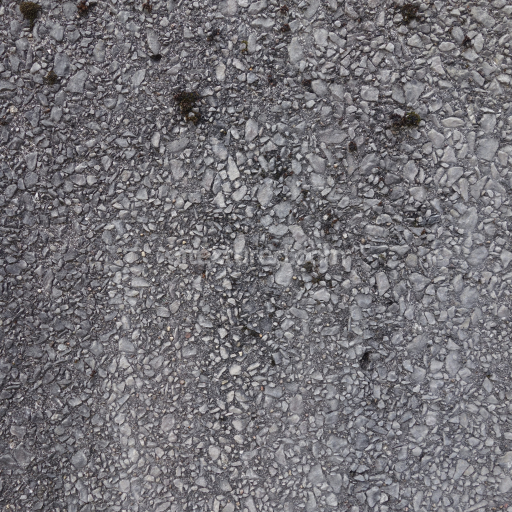
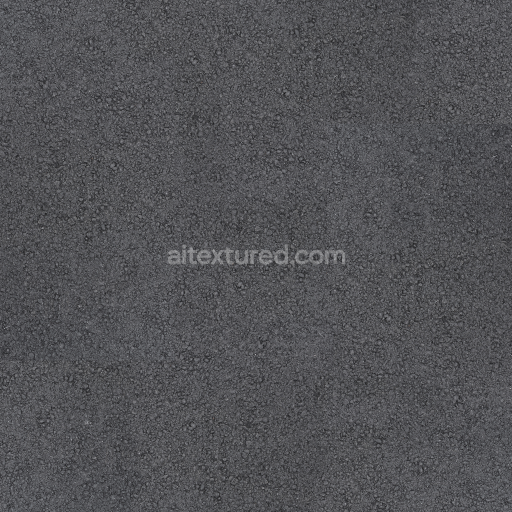
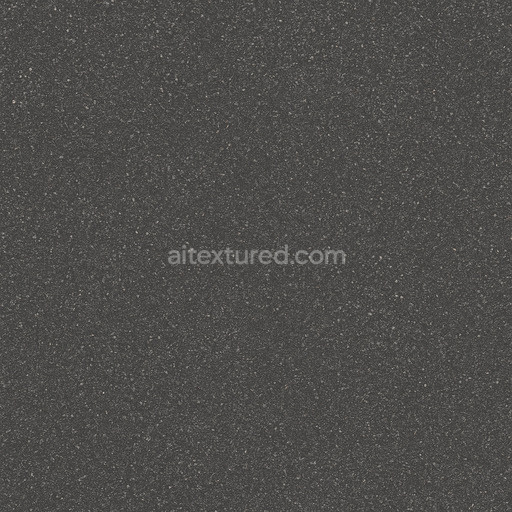
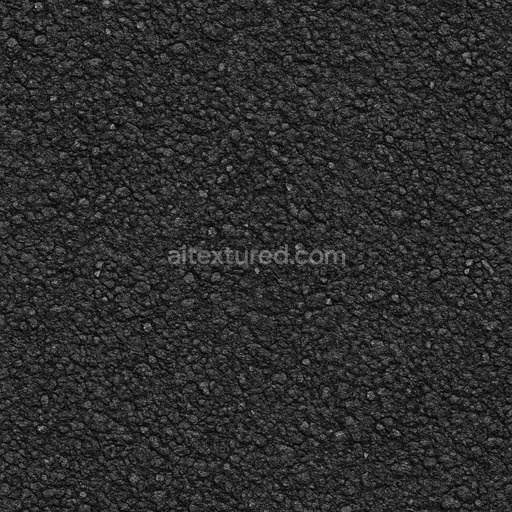
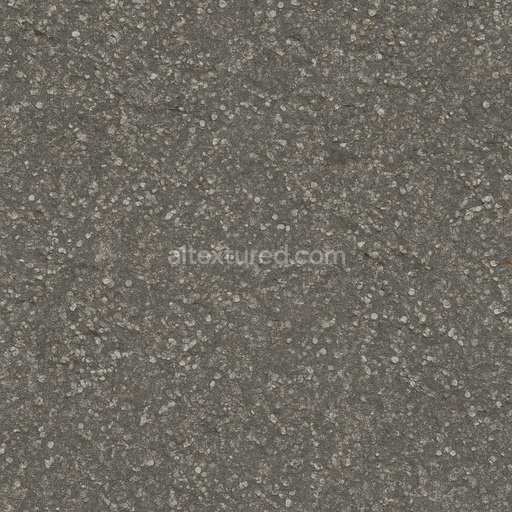
Detailed Asphalt Texture with Embedded Gravel Surface for PBR
Seamless texture (tileable) · PNG, WEBP, PBR ZIP.
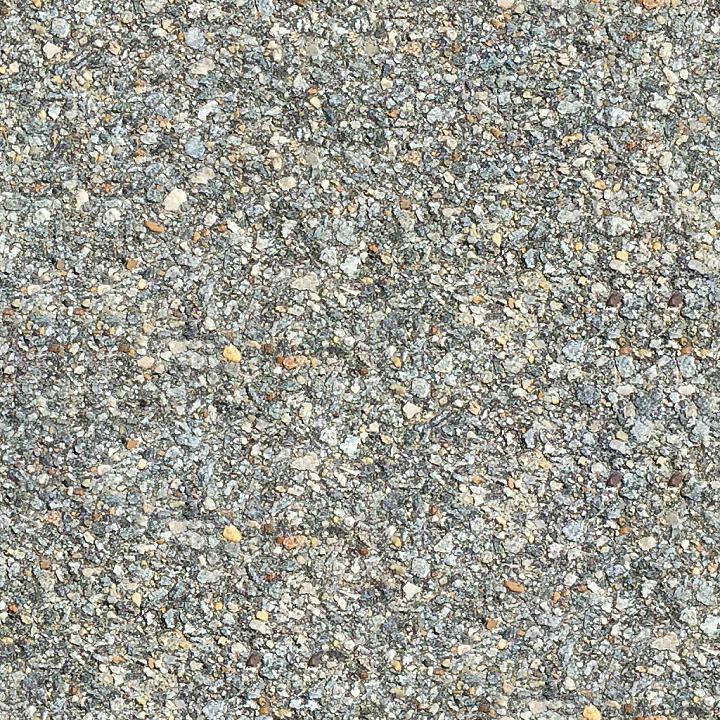
| ID | high-quality-seamless-asphalt-texture-x3 |
|---|---|
| Category | Asphalt |
| Formats | PNG, WEBP, PBR ZIP |
| Size | 1k (1024x1024px), 2k (2048x2048px), 4k (4096x4096px), 8k (8192x8192px) |
| Tileable | Yes |
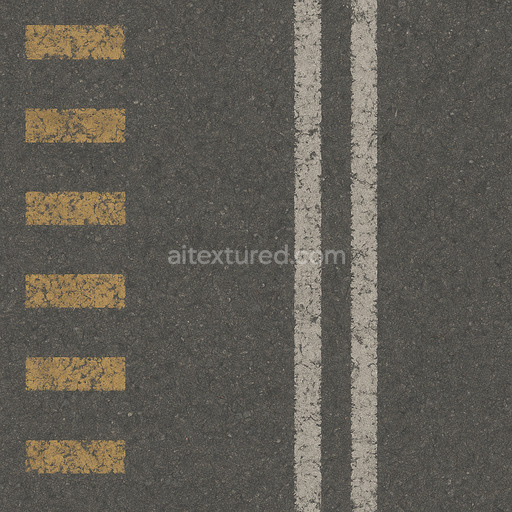
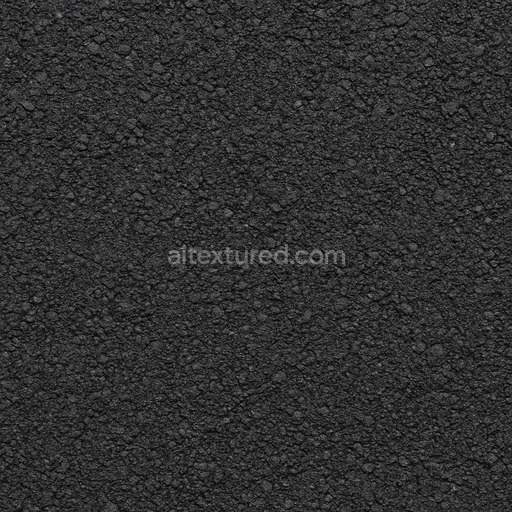
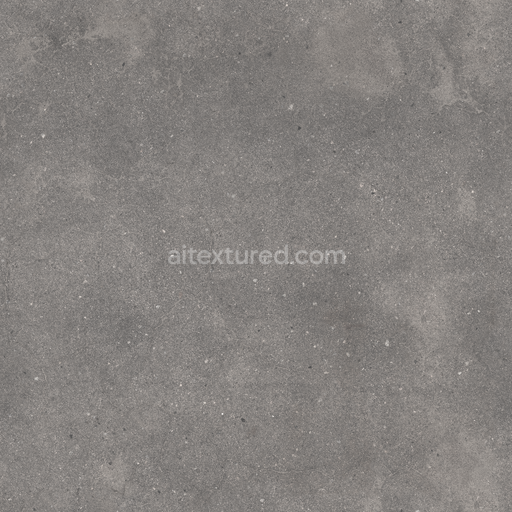
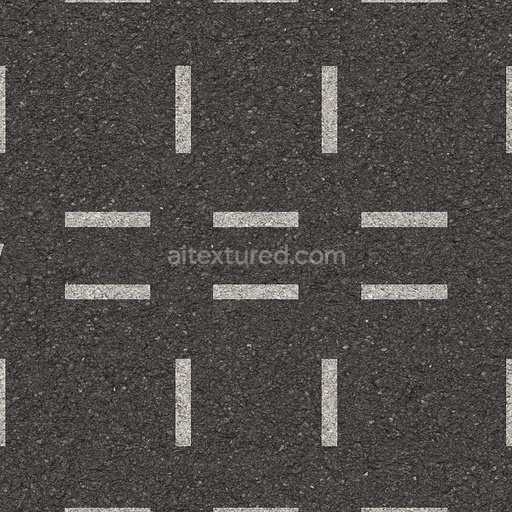
This high-quality seamless asphalt texture captures the intricate material composition and surface finish of real-world blacktop pavement making it an essential asset for digital art game development and architectural visualization projects. The base substrate emulates mineral aggregates bound by polymer-modified bitumen reflecting the typical composite nature of asphalt where crushed stone and sand are suspended in a binder that provides durability and flexibility. Fine aggregates and occasional fibers contribute to the realistic grain orientation and porosity which allow subtle weathering effects and micro-surface variations to emerge. The surface finish is slightly rough with a matte blacktop appearance enhanced by a natural blend of pigments and oxide layers that mimic the dark gray to black coloration characteristic of urban road surfaces and pavement flooring. This combination delivers an authentic textured surface ideal for outdoor and urban environments helping to convey realism in any digital scene or architectural backdrop.
Within the PBR workflow this asphalt texture is expertly crafted to include well-defined BaseColor/Albedo maps that accurately portray the tonal variations and pigment distribution of aged pavement. The Normal map adds depth by simulating the micro-cracks and aggregate relief while the Roughness channel controls the matte non-reflective finish typical of asphalt ensuring minimal specular highlights. The Metallic map is kept near zero to reflect the non-metallic nature of the material while Ambient Occlusion enhances shadowing in crevices and surface irregularities boosting visual depth. The Height/Displacement map provides subtle elevation data to improve parallax effects and enhance realism when used with tessellation in engines like Unreal or Unity. All texture maps are provided in up to 8K resolution guaranteeing crisp detail and flexibility for close-up views or large-scale environments in Blender and other 3D modeling software.
Designed for seamless tiling this texture integrates effortlessly into any digital pipeline allowing artists and developers to scale UV coordinates for precise alignment with road layouts parking lots or urban design projects. For best results adjusting the roughness parameter slightly higher in your material shader can simulate freshly laid asphalt’s less reflective surface while lowering it can emulate worn or polished road finishes. Utilizing the height map with parallax occlusion mapping adds an extra layer of realism by accentuating the pavement’s unevenness and subtle cracks enhancing immersive virtual environments and archviz scenes alike.
Overall this versatile asphalt material offers unmatched realism and detail making it invaluable for digital artists seeking to replicate the textured surfaces of blacktop roads and pavements. Its high-resolution quality and comprehensive PBR maps ensure it meets the demands of game development architectural visualization and urban modeling workflows providing a reliable and authentic backdrop for any project requiring a realistic asphalt finish.
Import the texture maps into Blender with sRGB color space for albedo/base color and Non-Color for normal, roughness, metallic, AO, height, and ORM maps. Connect normal maps through a Normal Map node, then adjust UV scale with a Mapping node so the material repeats naturally on your model.
For the full step-by-step setup, see How to Use Seamless Textures in Blender. Browse related material examples in wood, concrete, and metal.
Yes. This texture is designed as a seamless tileable PBR material, so it can repeat across large surfaces without visible borders.
Use the download controls on this page: they expose the available PNG, WEBP or engine ZIP choices and supported resolutions for this asset.
Use the engine ZIP choices to package compatible source maps for Blender, Unreal Engine or Unity, then verify the imported material in the target application.
Commercial-use permission is not verified for this record. Confirm the original source and license before production use.

Generate maps from existing images, preview materials, convert channels, and package compatible inputs for Blender, Unity, and Unreal Engine.
Choose a verified workflow for generating maps, previewing tiling, converting channels, or starting from the texture catalog.
Derive Normal, Roughness, AO, Metallic, Height and optional ORM maps from one or more source images, then review the results.
Instant WebGL viewer: inspect materials on a sphere, plane, and cube. Check tiling and lighting in real time.
Re-packages maps per engine: Unreal (BaseColor + ORM), Unity (Mask/MetallicSmoothness), Blender (separate channels).
PNG ↔ JPG ↔ SVG: fast convert, SVG rasterize, embed/trace options, quality & background controls.