
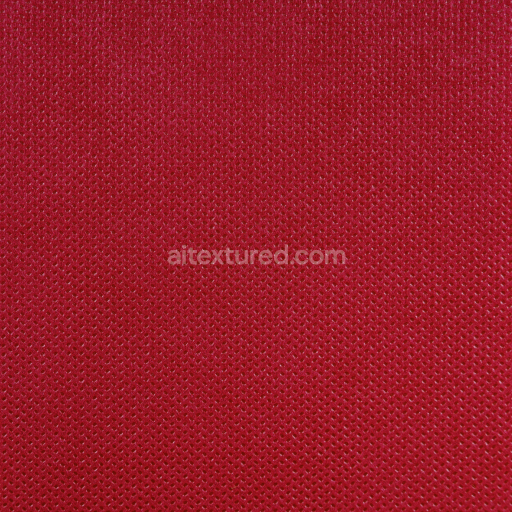
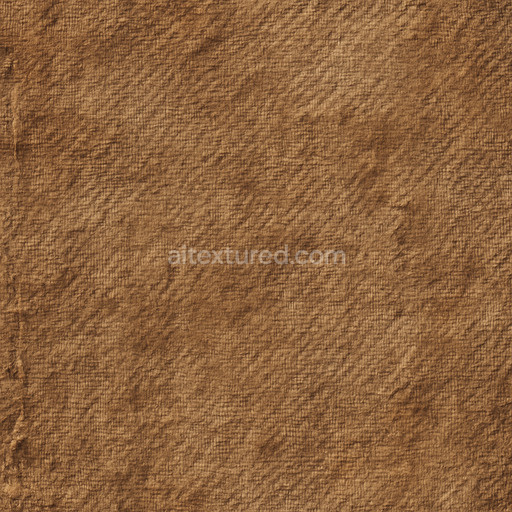
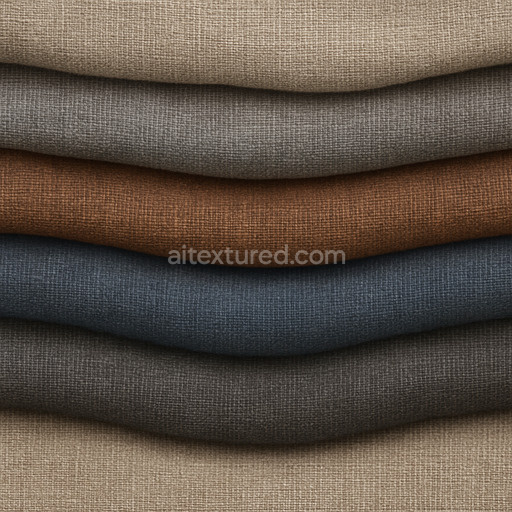
Archviz Cloth Clothes Fabric Padded Synthetic - Seamless PBR Texture
Seamless texture (tileable) · PNG, WEBP, PBR ZIP.
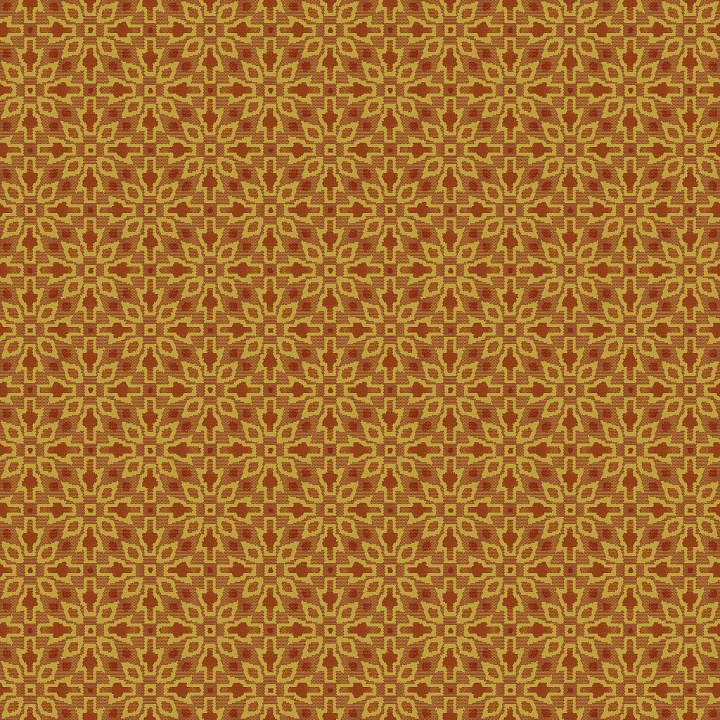
| ID | carpet-fabric-texture-with-classic-pattern-free-pbr |
|---|---|
| Category | Fabric |
| Formats | PNG, WEBP, PBR ZIP |
| Size | 1k (1024x1024px), 2k (2048x2048px), 4k (4096x4096px), 8k (8192x8192px) |
| Tileable | Yes |
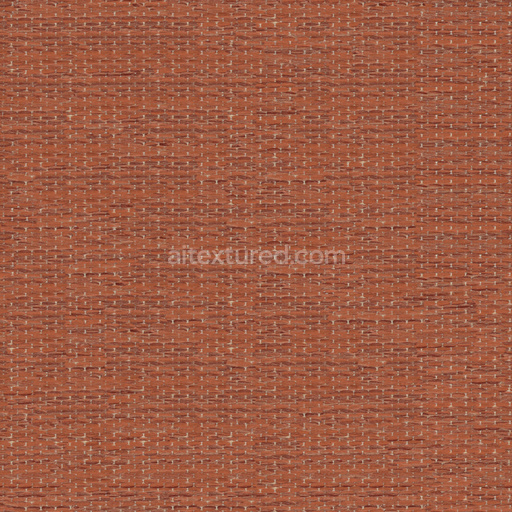
This carpet fabric texture features a classic pattern rendered with meticulous attention to material detail, making it ideal for realistic 3D applications. The base substrate consists of densely woven organic fibers, typically wool or cotton, which create a soft yet durable foundation. These fibers are bound together with natural adhesives and twisted yarns, forming a tightly knit surface that exhibits subtle variations in fiber orientation. The texture’s porosity is low, reflecting the compact weave structure, which helps maintain its form and resist wear over time. The surface finish is matte with a slight tactile roughness, highlighting the natural irregularities of fabric threads. Rich colorants, such as traditional dyes and pigments, are embedded within the fibers, contributing to the deep, warm tones of the pattern while preserving colorfastness against fading and environmental exposure.
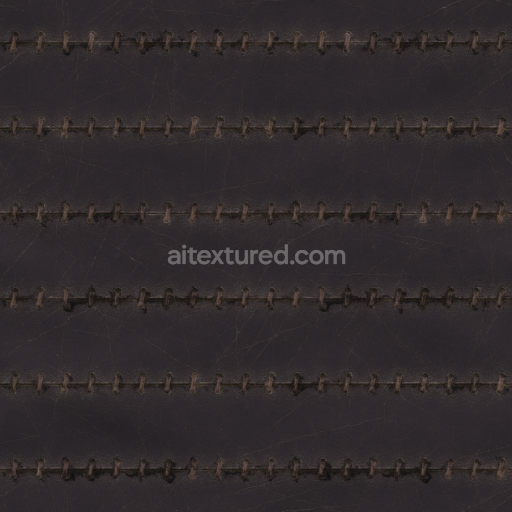
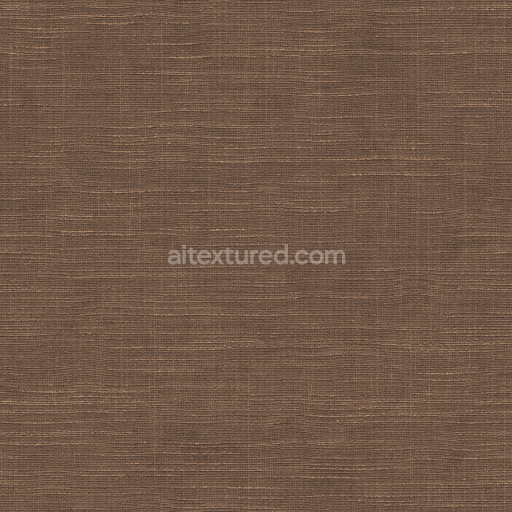
In the PBR workflow, this texture is carefully mapped across multiple channels to enhance realism. The BaseColor (Albedo) channel captures the intricate pattern and nuanced coloration of the dyed fabric without any baked-in shading, ensuring versatile lighting adaptation. The Normal map simulates the raised weave and thread contours, adding depth and tactile complexity. Roughness values are moderately high, replicating the soft, fibrous surface finish that diffuses light gently rather than reflecting it sharply. The Metallic channel is set to zero, as the textile lacks metallic properties. Ambient Occlusion enhances the perception of thread intersections and recessed parts of the weave, while the Height/Displacement map provides subtle relief for enhanced parallax effects, especially noticeable when viewed at oblique angles or in close-up renders.
Rendered at an impressive 8K resolution, this seamless texture is optimized for use in leading 3D software such as Blender, Unreal Engine, and Unity, ensuring crisp detail even on large surfaces. For best results, it is recommended to adjust the UV scale carefully to maintain the pattern’s natural proportions and avoid distortion. Additionally, fine-tuning the roughness parameter can help simulate different fabric finishes, from a slightly polished wool to a more matte cotton feel. This flexibility makes the texture a valuable asset for architectural visualizations, interior design projects, and game environments where authentic material representation is essential.
Import the texture maps into Blender with sRGB color space for albedo/base color and Non-Color for normal, roughness, metallic, AO, height, and ORM maps. Connect normal maps through a Normal Map node, then adjust UV scale with a Mapping node so the material repeats naturally on your model.
For the full step-by-step setup, see How to Use Seamless Textures in Blender. Browse related material examples in wood, concrete, and metal.
Yes. This texture is designed as a seamless tileable PBR material, so it can repeat across large surfaces without visible borders.
Use the download controls on this page: they expose the available PNG, WEBP or engine ZIP choices and supported resolutions for this asset.
Use the engine ZIP choices to package compatible source maps for Blender, Unreal Engine or Unity, then verify the imported material in the target application.
Commercial-use permission is not verified for this record. Confirm the original source and license before production use.

Generate maps from existing images, preview materials, convert channels, and package compatible inputs for Blender, Unity, and Unreal Engine.
Choose a verified workflow for generating maps, previewing tiling, converting channels, or starting from the texture catalog.
Derive Normal, Roughness, AO, Metallic, Height and optional ORM maps from one or more source images, then review the results.
Instant WebGL viewer: inspect materials on a sphere, plane, and cube. Check tiling and lighting in real time.
Re-packages maps per engine: Unreal (BaseColor + ORM), Unity (Mask/MetallicSmoothness), Blender (separate channels).
PNG ↔ JPG ↔ SVG: fast convert, SVG rasterize, embed/trace options, quality & background controls.