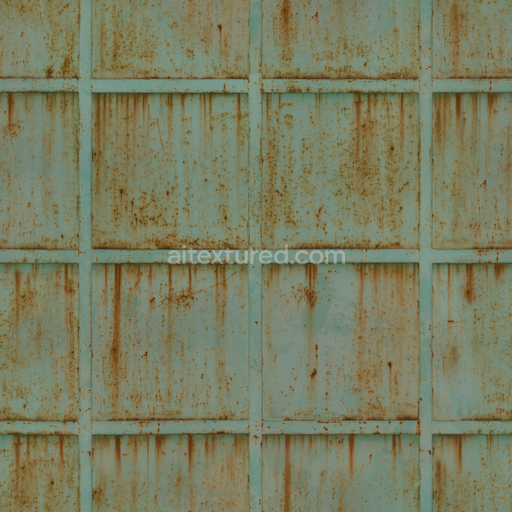
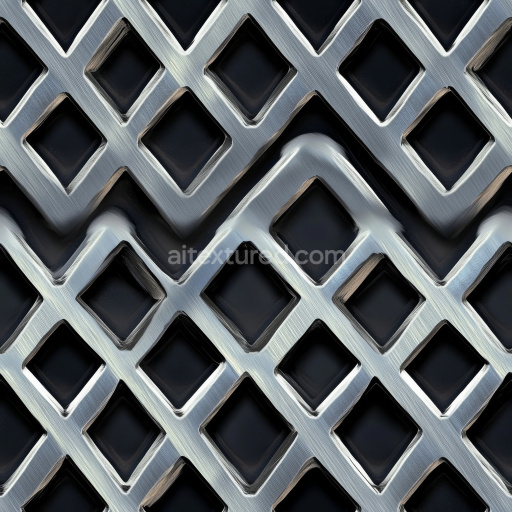
Rusty Metal - Metal Painted Rusty Metal Grid
Seamless texture (tileable) · PNG, WEBP, PBR ZIP.
| ID | wireframe-generator-free-pbr |
|---|---|
| Category | Metal |
| Formats | PNG, WEBP, PBR ZIP |
| Size | 1k (1024x1024px), 2k (2048x2048px), 4k (4096x4096px), 8k (8192x8192px) |
| Tileable | Yes |
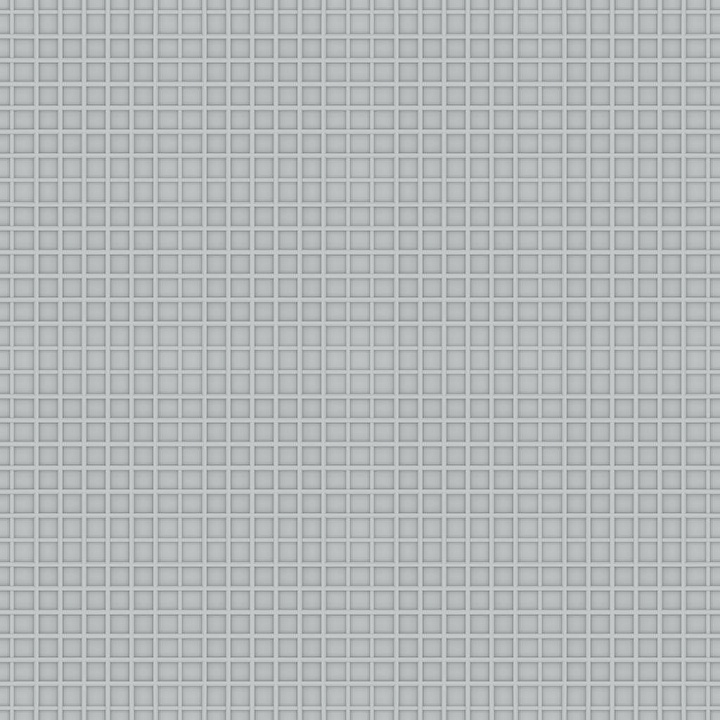
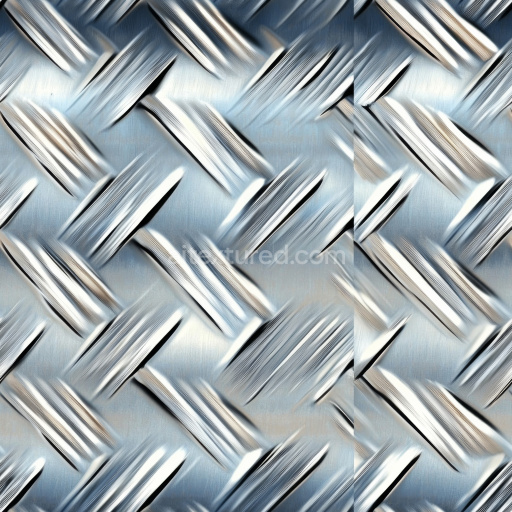
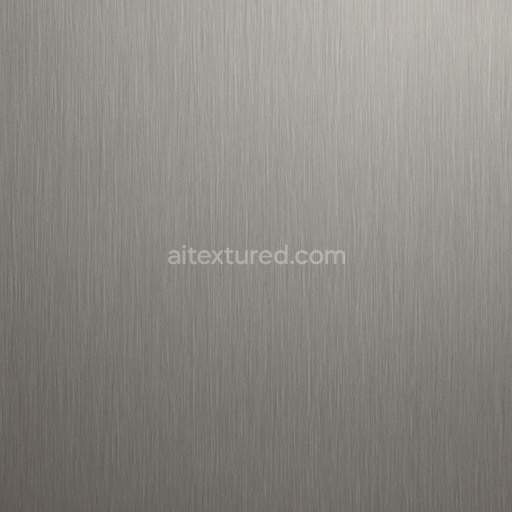
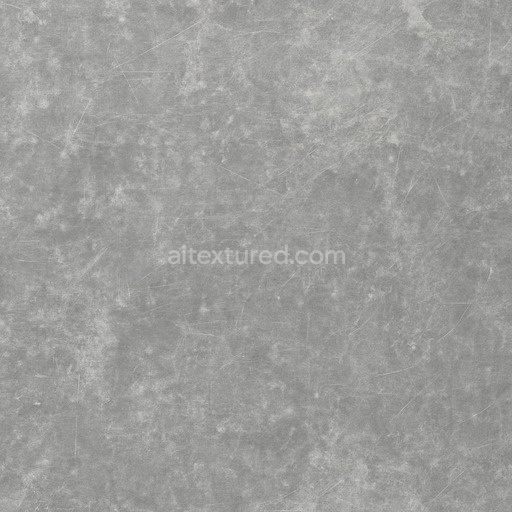
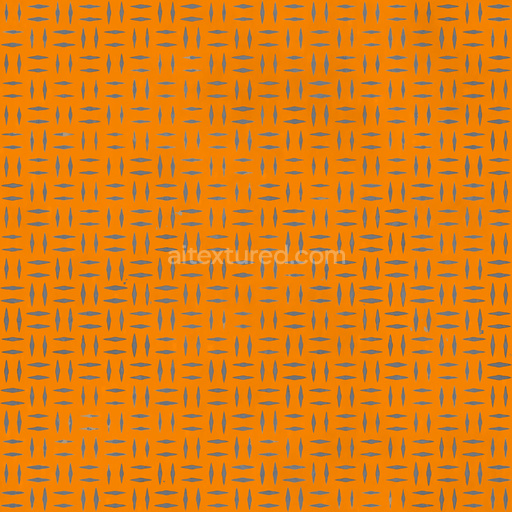
This high-quality seamless PBR texture showcases an intricate wireframe pattern meticulously rendered to simulate a synthetic polymer substrate. The base material closely mimics a durable, slightly flexible plastic enhanced with subtle binders and adhesives that ensure excellent cohesion and structural integrity. Fine, evenly distributed fiber-like aggregates create a consistent grain orientation throughout the surface, resulting in a balanced texture that realistically responds to light and shadow. The finish is smooth with a faintly polished sheen, exhibiting minimal oxidation or weathering effects, while carefully applied neutral colorants provide a uniform base tone. This neutral palette serves as an ideal canvas for various digital environments, allowing the wireframe details to stand out without distractions from background hues or color bleed. Within the PBR workflow, this texture performs exceptionally across all essential channels. The BaseColor (Albedo) channel presents a clean, neutral wireframe design with sharp contrasts between the pattern and background, free from color bleeding. The Normal map captures subtle surface undulations that enhance depth and contribute to realistic light interaction. Roughness is calibrated to a mid-level value, delivering a subtle, refined glossiness that simulates the plastic’s slight reflectivity without appearing overly shiny. The Metallic channel is set to zero, reflecting the non-metallic nature of the polymer-based substrate. Ambient Occlusion softly darkens the edges of the wireframe, increasing perceived detail and depth, while the Height/Displacement map provides precise elevation data, enabling gentle surface relief for parallax and displacement effects that add realism to close-up views. Rendered at up to 8K resolution, this texture is optimized for seamless integration into industry-standard 3D software such as Blender, Unreal Engine, and Unity. It supports high-fidelity rendering in both real-time and offline workflows, preserving the sharpness of wireframe details and the nuanced material qualities at any scale. For practical application, adjusting the UV scale can significantly alter the visual impact—reducing the UV scale tightens the wireframe mesh for detailed close-ups, while increasing it allows the pattern to serve as a subtle background element. Additionally, fine-tuning the roughness map can help tailor the surface’s reflectivity to better match specific lighting conditions, enhancing realism and material authenticity in diverse scenes.
Import the texture maps into Blender with sRGB color space for albedo/base color and Non-Color for normal, roughness, metallic, AO, height, and ORM maps. Connect normal maps through a Normal Map node, then adjust UV scale with a Mapping node so the material repeats naturally on your model.
For the full step-by-step setup, see How to Use Seamless Textures in Blender. Browse related material examples in wood, concrete, and metal.
Yes. This texture is designed as a seamless tileable PBR material, so it can repeat across large surfaces without visible borders.
Use the download controls on this page: they expose the available PNG, WEBP or engine ZIP choices and supported resolutions for this asset.
Use the engine ZIP choices to package compatible source maps for Blender, Unreal Engine or Unity, then verify the imported material in the target application.
Commercial-use permission is not verified for this record. Confirm the original source and license before production use.


Generate maps from existing images, preview materials, convert channels, and package compatible inputs for Blender, Unity, and Unreal Engine.
Choose a verified workflow for generating maps, previewing tiling, converting channels, or starting from the texture catalog.
Derive Normal, Roughness, AO, Metallic, Height and optional ORM maps from one or more source images, then review the results.
Instant WebGL viewer: inspect materials on a sphere, plane, and cube. Check tiling and lighting in real time.
Re-packages maps per engine: Unreal (BaseColor + ORM), Unity (Mask/MetallicSmoothness), Blender (separate channels).
PNG ↔ JPG ↔ SVG: fast convert, SVG rasterize, embed/trace options, quality & background controls.