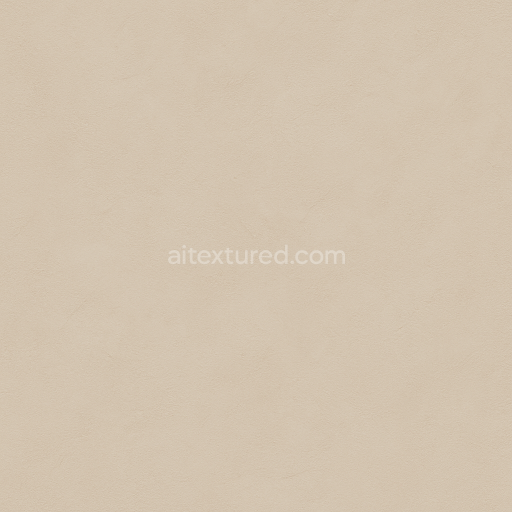
Smooth Plaster Wall With Painted Drywall Surface Realistic Detail
Seamless texture (tileable) · PNG, WEBP, PBR ZIP. License: AITextured Free Commercial License (FCL) v1.1. Free personal and commercial use. Raw resale, standalone redistribution, mirroring/scraping, competing asset packs, and AI/ML training are not allowed without written permission. Attribution is not required, but appreciated..
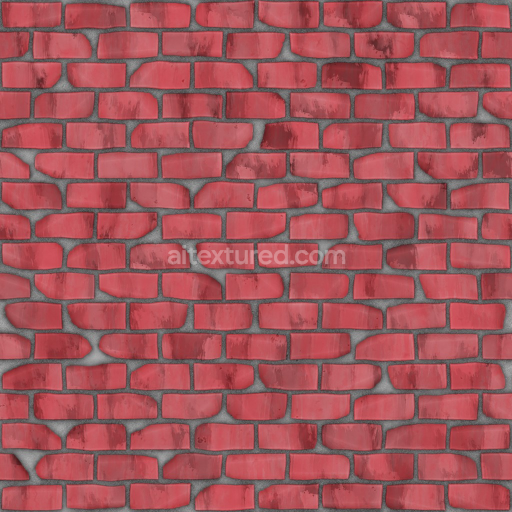
| ID | stylized-archviz-brick-bricks-substance-designer-wall |
|---|---|
| Category | Wall |
| Formats | PNG, WEBP, PBR ZIP |
| Size | 1k (1024x1024px), 2k (2048x2048px), 4k (4096x4096px), 8k (8192x8192px) |
| Color | sRGB |
| Tileable | Yes |
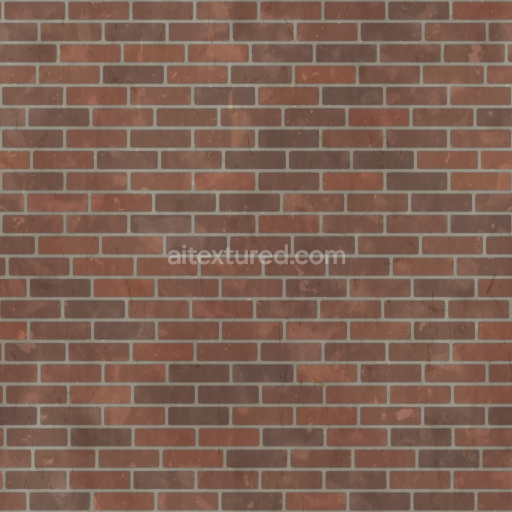
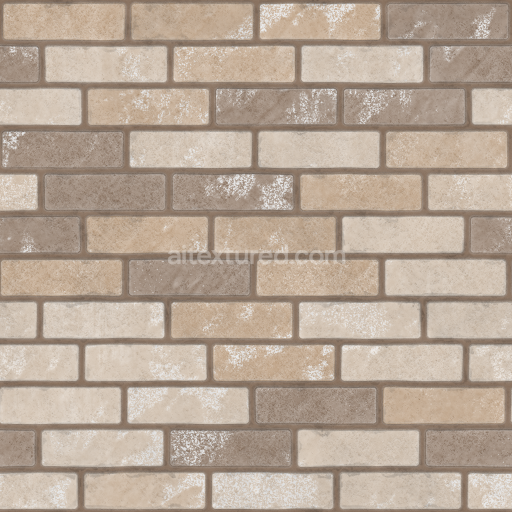
This stylized archviz brick wall texture is expertly crafted using Substance Designer to deliver a seamless physically based rendering (PBR) material that excels in visualization game engines and real-time or offline rendering workflows. The brick surface mimics a refined mineral-based substrate typical of fired clay bricks combined with subtle pigments and oxide layers that give the bricks their warm consistent coloration. The mortar binder between bricks appears as a slightly porous composite replicating cementitious material with fine aggregates to enhance realism. Weathering effects are minimal but present suggesting a well-maintained wall with subtle surface variations while the finish is matte with a gently rough texture that avoids excessive glossiness perfect for architectural visualization projects seeking stylized yet believable brickwork.
The PBR texture set includes all essential maps for physically based workflows such as BaseColor/Albedo to represent brick pigments and mortar hues accurately Normal maps capturing brick edges and surface irregularities and Roughness maps defining the tactile feel of the wall’s surface finish. The Metallic channel is intentionally flat as the material is non-metallic while Ambient Occlusion enhances shadow depth around brick joints and crevices. Height and Displacement maps provide subtle geometric detail simulating the relief of individual bricks and mortar lines ideal for parallax effects or tessellation in high-end renderers. At an impressive 8K resolution this texture ensures crisp detail even on large-scale wall surfaces without visible tiling artifacts.
Designed with compatibility in mind this stylized brick wall texture integrates seamlessly into popular platforms such as Blender Unreal Engine and Unity. To optimize your project verify the color space and gamma settings to match your rendering pipeline and ensure consistent color response across different lighting environments. When applying this texture consider adjusting the UV scale to prevent repetitive patterns on expansive walls and fine-tune roughness values to adapt surface reflectivity to your scene’s lighting conditions. The provided base layer preview facilitates quick look-dev helping you assess the overall material appearance before committing to full rendering workflows.
Overall this stylized archviz brick bricks substance designer wall texture offers a high-quality versatile solution for any digital artist or architect seeking a reliable visually appealing brick surface. Its carefully curated material properties and comprehensive PBR maps make it suitable for diverse applications ranging from detailed architectural visualization to immersive game environments all while maintaining consistent performance and visual fidelity.
Import the texture maps into Blender with sRGB color space for albedo/base color and Non-Color for normal, roughness, metallic, AO, height, and ORM maps. Connect normal maps through a Normal Map node, then adjust UV scale with a Mapping node so the material repeats naturally on your model.
For the full step-by-step setup, see How to Use Seamless Textures in Blender. Browse related material examples in wood, concrete, and metal.
Yes. This texture is designed as a seamless tileable PBR material, so it can repeat across large surfaces without visible borders.
You can download PNG/WEBP versions and use 1K, 2K, 4K and 8K download options when available on the page.
Yes. The download options and engine-mapped ZIP workflow are designed for Blender, Unreal Engine, Unity Standard, URP and HDRP material pipelines.
Yes. The texture is available under the AITextured free commercial license. Review the license page for redistribution and AI-training restrictions.

Build, preview, and export seamless PBR materials. Generate full map sets from a single image, inspect them in a real-time WebGL viewer, and re-package maps for Unreal, Unity, and Blender—directly in your browser.
AI text-to-texture: type a prompt and get a seamless, tileable base image ready for PBR workflows (great starting point for materials).
Create a full PBR set (Normal, Roughness, AO, Metallic, etc.) from a single image. Seamless and tiling-friendly.
Instant WebGL viewer: inspect materials on a sphere, plane, and cube. Check tiling and lighting in real time.
Re-packages maps per engine: Unreal (BaseColor + ORM), Unity (Mask/MetallicSmoothness), Blender (separate channels).
PNG ↔ JPG ↔ SVG: fast convert, SVG rasterize, embed/trace options, quality & background controls.