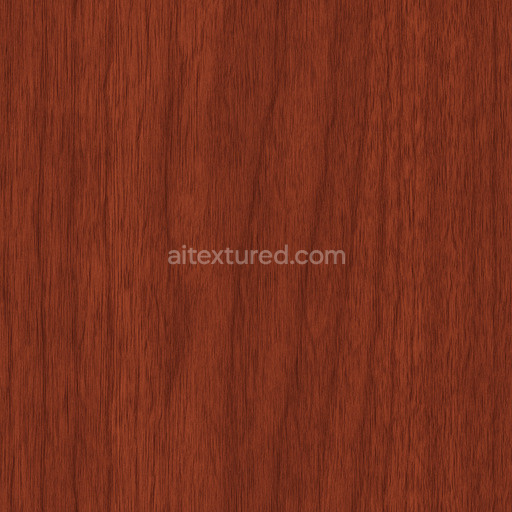
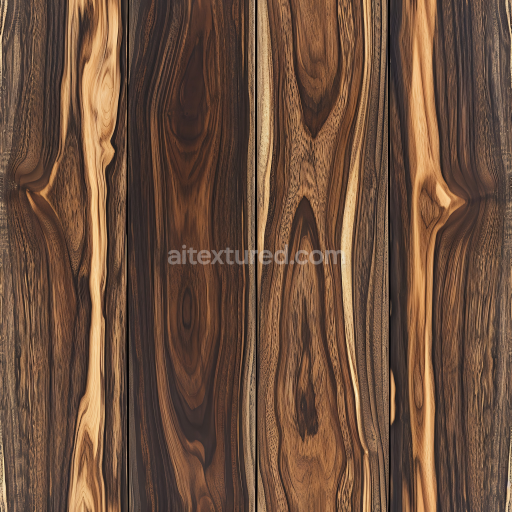
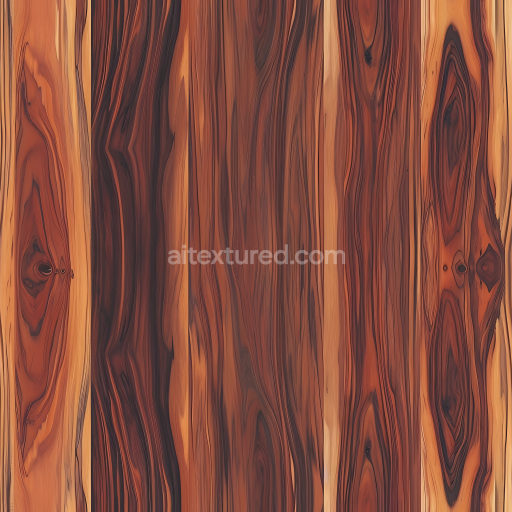
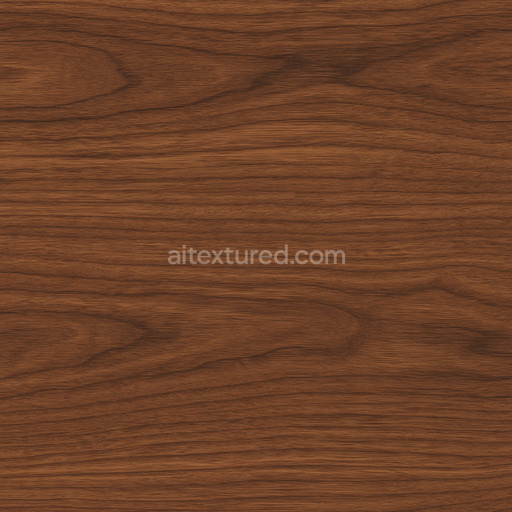
Natural Mahogany Seamless Texture
Seamless texture (tileable) · PNG, WEBP, PBR ZIP.
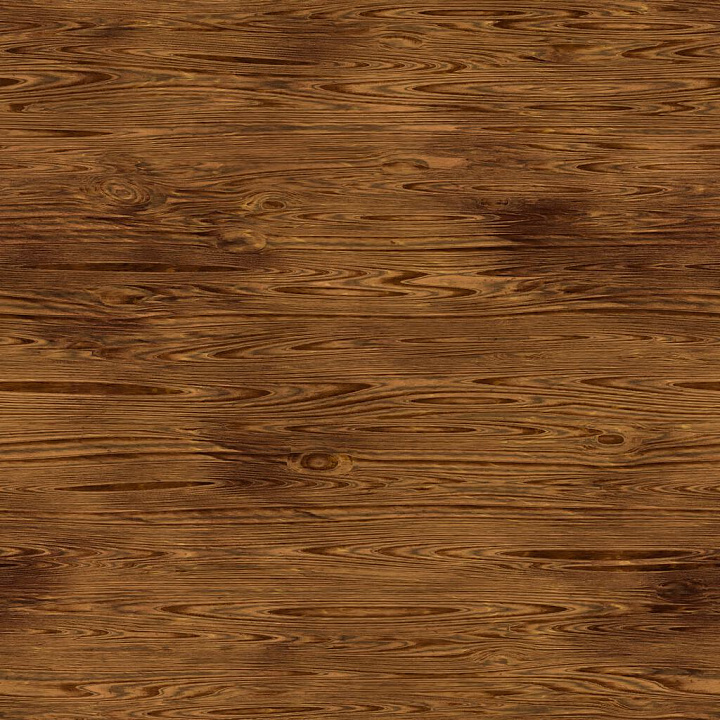
| ID | dull-color-ash-wood-board-texture-free-pbr |
|---|---|
| Category | Wood |
| Formats | PNG, WEBP, PBR ZIP |
| Size | 1k (1024x1024px), 2k (2048x2048px), 4k (4096x4096px), 8k (8192x8192px) |
| Tileable | Yes |
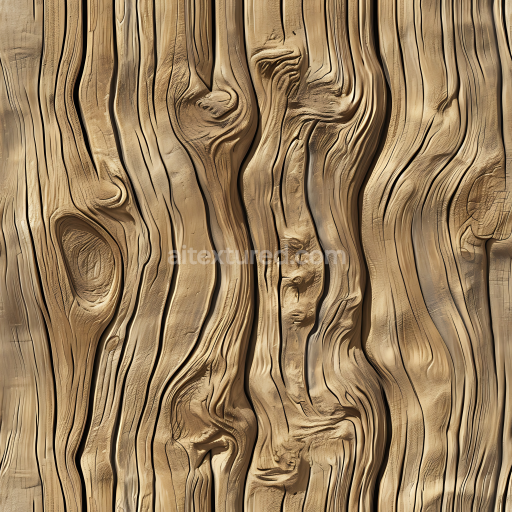
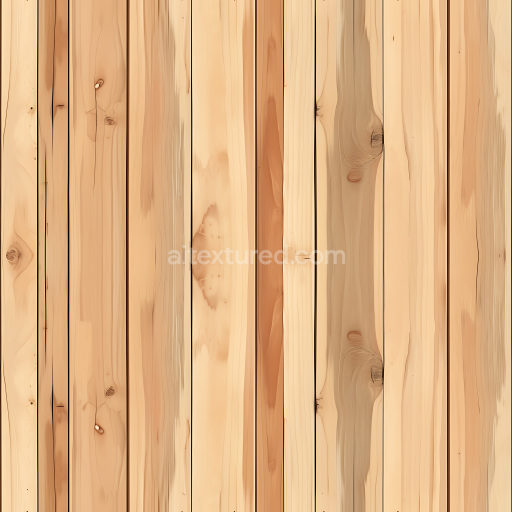
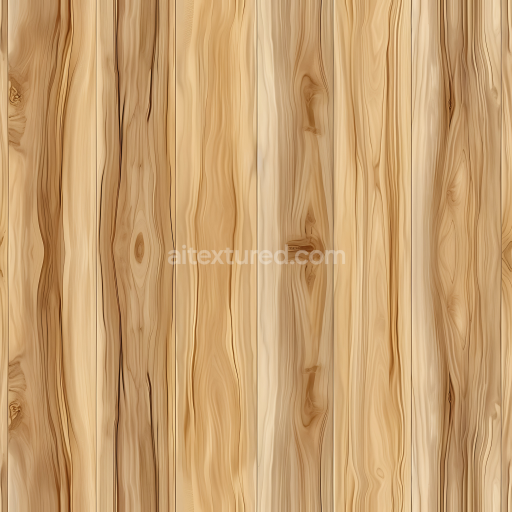
The Dull Color Ash Wood Board Texture (Wood 0050) features a natural ash wood substrate known for its fine grain and consistent density, making it a popular choice in both furniture manufacturing and flooring applications. The wood exhibits a muted, soft coloration with subtle grayish undertones that reflect moderate weathering and oxidation, contributing to its characteristic dull finish. This texture captures the unique arrangement of fibers and growth rings inherent to ash wood, offering a realistic portrayal of its porosity and surface irregularities without excessive gloss. The surface appears gently brushed or sanded, enhancing its tactile quality and lending an understated elegance to any wood-based material simulation.
From a materials science perspective, this ash wood board texture simulates the organic composition of cellulose fibers bound by natural lignins, providing structural integrity and flexibility. The PBR maps reflect these properties through a detailed BaseColor/Albedo channel that reproduces the wood’s soft, muted hues and subtle color variations. The Normal map accurately conveys the tactile grain orientation and fine surface relief, while the Roughness channel emphasizes the semi-matte finish, avoiding unwanted reflections. No metallic elements are present, so the Metallic map remains black, enhancing realism. Ambient Occlusion adds depth to crevices between grain lines and knots, and the Height/Displacement map offers precise surface elevation data, ideal for enhancing depth effects in 3D environments.
Rendered at an impressive 8K resolution, this texture is optimized for high-fidelity applications in Blender, Unreal Engine, and Unity, ensuring crisp detail even on close inspection. When integrating this ash wood board texture, it is advisable to adjust the UV scale to suit the furniture or flooring model, as overscaling can diminish the natural grain’s impact. Additionally, fine-tuning the Roughness parameter can help achieve the desired balance between matte and satin finishes, depending on the lighting setup and artistic direction. For enhanced realism, subtle parallax mapping can be employed using the Height map to simulate the tactile depth of the wood grain under dynamic lighting conditions.
Import the texture maps into Blender with sRGB color space for albedo/base color and Non-Color for normal, roughness, metallic, AO, height, and ORM maps. Connect normal maps through a Normal Map node, then adjust UV scale with a Mapping node so the material repeats naturally on your model.
For the full step-by-step setup, see How to Use Seamless Textures in Blender. Browse related material examples in wood, concrete, and metal.
Yes. This texture is designed as a seamless tileable PBR material, so it can repeat across large surfaces without visible borders.
Use the download controls on this page: they expose the available PNG, WEBP or engine ZIP choices and supported resolutions for this asset.
Use the engine ZIP choices to package compatible source maps for Blender, Unreal Engine or Unity, then verify the imported material in the target application.
Commercial-use permission is not verified for this record. Confirm the original source and license before production use.
Generate maps from existing images, preview materials, convert channels, and package compatible inputs for Blender, Unity, and Unreal Engine.
Choose a verified workflow for generating maps, previewing tiling, converting channels, or starting from the texture catalog.
Derive Normal, Roughness, AO, Metallic, Height and optional ORM maps from one or more source images, then review the results.
Instant WebGL viewer: inspect materials on a sphere, plane, and cube. Check tiling and lighting in real time.
Re-packages maps per engine: Unreal (BaseColor + ORM), Unity (Mask/MetallicSmoothness), Blender (separate channels).
PNG ↔ JPG ↔ SVG: fast convert, SVG rasterize, embed/trace options, quality & background controls.