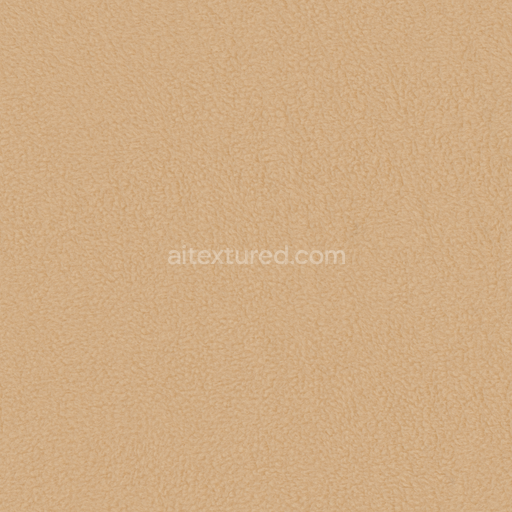
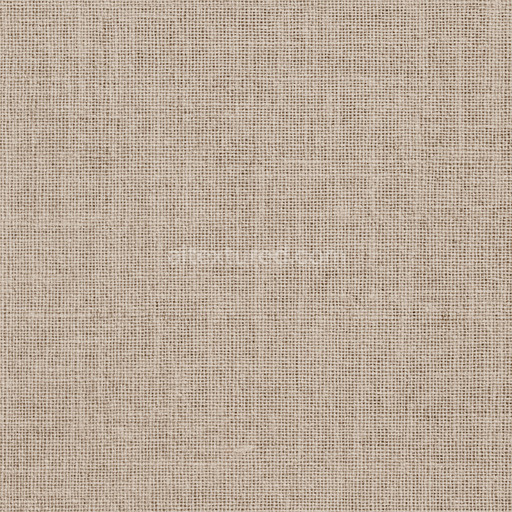
Fleece Cozy Gauzy
Seamless texture (tileable) · PNG, WEBP, PBR ZIP.
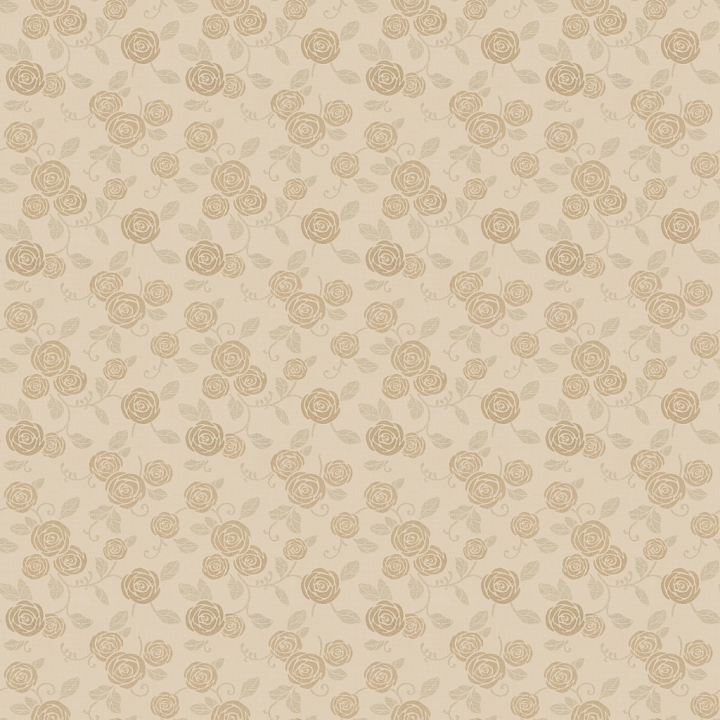
| ID | archviz-cloth-clothes-drapes-fabric-furniture-substance |
|---|---|
| Category | Fabric |
| Formats | PNG, WEBP, PBR ZIP |
| Size | 1k (1024x1024px), 2k (2048x2048px), 4k (4096x4096px), 8k (8192x8192px) |
| Tileable | Yes |
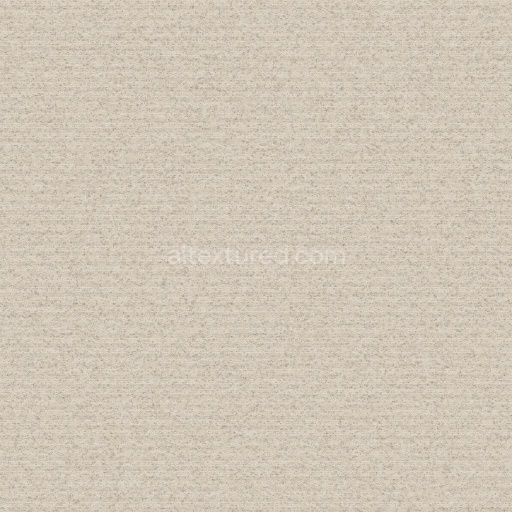
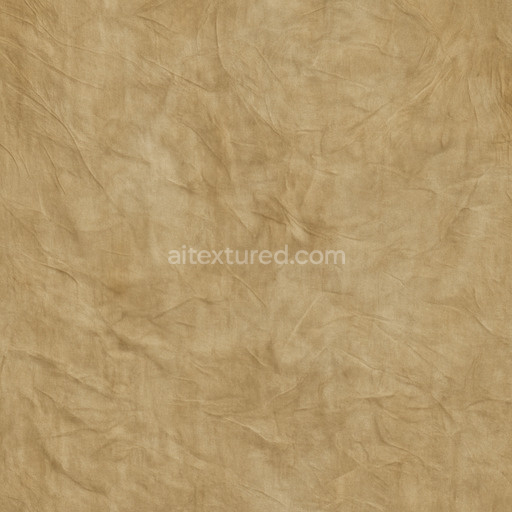
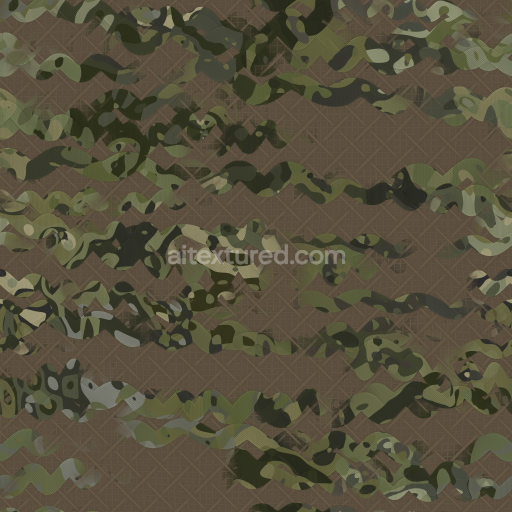
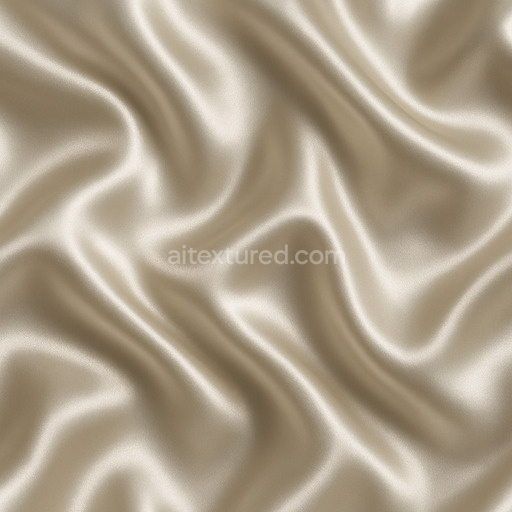
This Archviz Cloth Clothes Drapes Fabric Furniture Substance is a meticulously crafted seamless PBR texture designed to bring exceptional realism and depth to your architectural visualization projects. At its core the base substrate simulates a finely woven textile primarily composed of organic fibers carefully interlaced with subtle synthetic binders that enhance both durability and flexibility. This combination closely mimics the structure of high-quality designer fabrics used in upholstery and drapery featuring a balanced porosity that allows for natural light interaction and a softly brushed surface finish. The fabric’s coloration is achieved through carefully applied natural dyes and pigments resulting in consistent rich tones that highlight the fiber orientation and intricate grain patterns. These details contribute to a tactile authentic appearance that accurately reflects the nuanced surface qualities of textiles commonly found in furniture and clothes applications within archviz workflows.
In physically based rendering pipelines this fabric substance is expertly represented across essential PBR channels to ensure faithful material response under diverse lighting conditions. The BaseColor (Albedo) map delivers true-to-life fabric hues and dye saturation without baked-in lighting enabling precise color fidelity and versatility. The Normal map captures the subtle weave structure and fiber alignment adding intricate surface detail and depth to the fabric’s appearance. Roughness values replicate the semi-matte finish typical of soft textiles and drapes allowing for gentle light scattering that enhances realism. Reflecting the organic nature of the material the Metallic channel remains minimal while Ambient Occlusion provides natural shadowing in folds and creases. The Height/Displacement map encodes fine surface relief supporting realistic parallax and depth effects that are vital for close-up architectural renders.
Rendered at up to 8K resolution this seamless texture supports extensive tiling without visible repetition or color shifts making it ideal for large-scale fabric applications such as furniture upholstery drapery and clothing within archviz scenes. It integrates smoothly with popular rendering platforms including Blender Unreal Engine and Unity ensuring compatibility across both real-time and offline workflows. For optimal results it is recommended to carefully adjust the UV scale to accurately match the physical dimensions of the textile patterns and fine-tune the roughness settings to suit your scene’s lighting environment. These subtle adjustments help emphasize the natural sheen and tactile qualities inherent in designer textiles elevating the overall realism and visual impact of your architectural visualization projects.
Import the texture maps into Blender with sRGB color space for albedo/base color and Non-Color for normal, roughness, metallic, AO, height, and ORM maps. Connect normal maps through a Normal Map node, then adjust UV scale with a Mapping node so the material repeats naturally on your model.
For the full step-by-step setup, see How to Use Seamless Textures in Blender. Browse related material examples in wood, concrete, and metal.
Yes. This texture is designed as a seamless tileable PBR material, so it can repeat across large surfaces without visible borders.
Use the download controls on this page: they expose the available PNG, WEBP or engine ZIP choices and supported resolutions for this asset.
Use the engine ZIP choices to package compatible source maps for Blender, Unreal Engine or Unity, then verify the imported material in the target application.
Commercial-use permission is not verified for this record. Confirm the original source and license before production use.



Generate maps from existing images, preview materials, convert channels, and package compatible inputs for Blender, Unity, and Unreal Engine.
Choose a verified workflow for generating maps, previewing tiling, converting channels, or starting from the texture catalog.
Derive Normal, Roughness, AO, Metallic, Height and optional ORM maps from one or more source images, then review the results.
Instant WebGL viewer: inspect materials on a sphere, plane, and cube. Check tiling and lighting in real time.
Re-packages maps per engine: Unreal (BaseColor + ORM), Unity (Mask/MetallicSmoothness), Blender (separate channels).
PNG ↔ JPG ↔ SVG: fast convert, SVG rasterize, embed/trace options, quality & background controls.