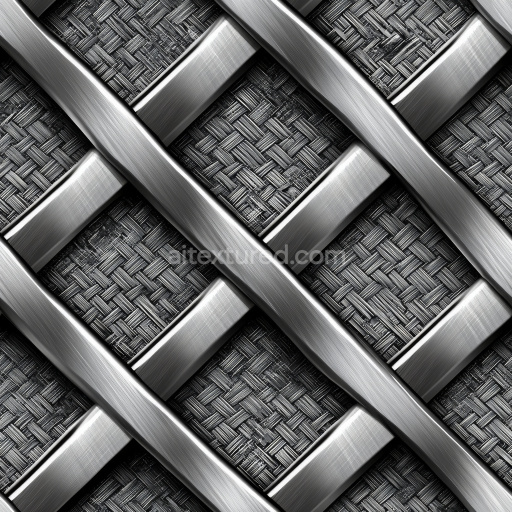
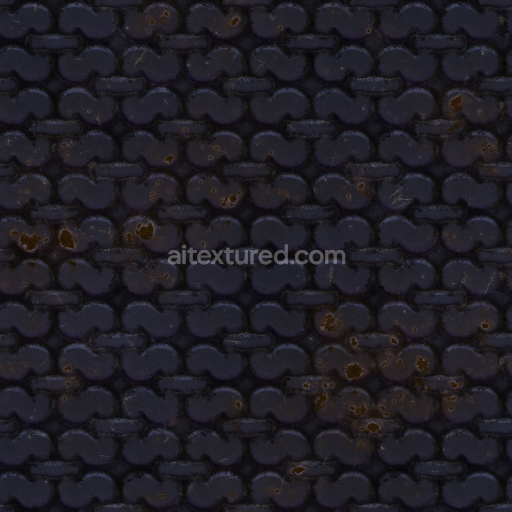
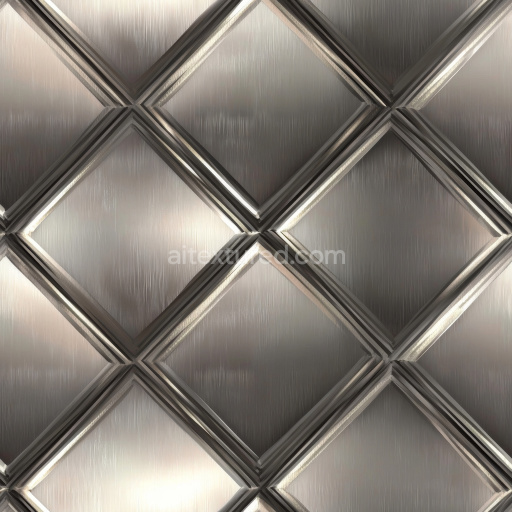
Brushed Steel Metal Lattice Texture with Woven Pattern and Scratches
Seamless texture (tileable) · PNG, WEBP, PBR ZIP.
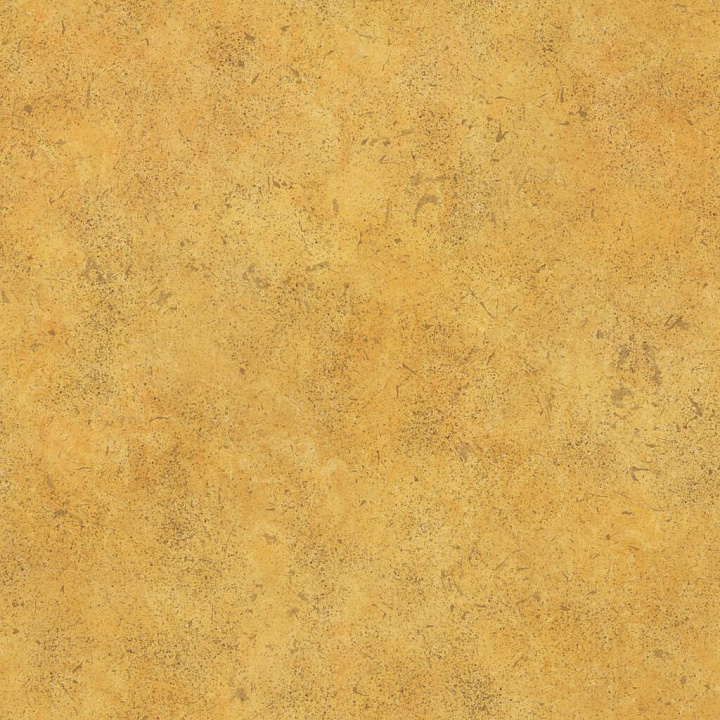
| ID | worn-yellow-brass-metal-texture-free-pbr |
|---|---|
| Category | Metal |
| Formats | PNG, WEBP, PBR ZIP |
| Size | 1k (1024x1024px), 2k (2048x2048px), 4k (4096x4096px), 8k (8192x8192px) |
| Tileable | Yes |
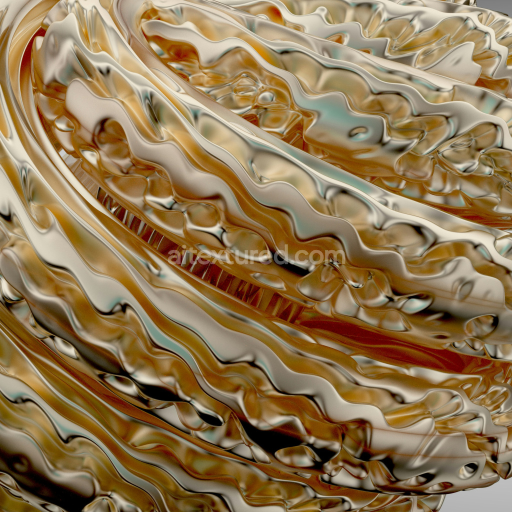
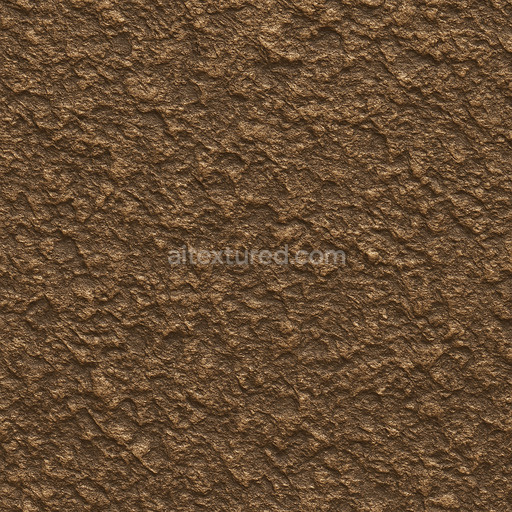
This worn yellow brass metal texture authentically captures the character of an aged brass plate, crafted from a solid copper-zinc alloy known for its distinct yellowish hue. Over time, natural exposure to environmental elements has dulled and darkened the surface, resulting in a weathered finish marked by abundant specks, subtle rust patches, and gentle oxidation. The metal’s surface is uneven and oxidized, displaying a combination of rough and smooth areas where the original polish has eroded away, revealing a tactile, slightly porous substrate underneath. Fine corrosion pits and scattered rust deposits contribute to the realistic appearance of wear, simulating years of chemical interaction and environmental aging on a brass plate often found in decorative home accents or architectural metalwork.
From a materials and composition perspective, this texture reflects the complex interplay of the brass’s base metal, surface oxidation, and corrosion layers. The copper-zinc alloy’s yellowish base color is muted by oxide layers and rust, which introduce orange-brown hues and dark speckles across the surface. The finish exhibits uneven roughness, where oxidized patches appear coarse and matte while less affected areas retain some smoothness from the original polish. This subtle variation in surface properties creates a natural tactile feel and visual depth, characteristic of aged brass metal that has undergone gradual wear and exposure. The texture’s porosity and pitting are evident in the micro-relief, enhancing the authenticity of the weathered metal substrate beneath the corroded finish.
In terms of PBR channels, the BaseColor (Albedo) map faithfully reproduces the worn yellow brass tones interlaced with rust and oxidized details, capturing the authentic color variation caused by aging. The Normal map encodes fine surface irregularities such as dents, scratches, and corrosion effects, adding realistic depth and tactile complexity to 3D models. The Roughness channel varies across the texture, with higher roughness values corresponding to rusted and oxidized areas, contrasting against smoother, less worn patches that retain some reflectivity. The Metallic channel remains consistently high, reflecting brass’s inherent metallic qualities despite surface wear. Ambient Occlusion enhances the perception of depth by accentuating crevices and imperfections, while the Height/Displacement map defines the subtle micro-topography of corrosion pits and surface erosion for accurate parallax and shadowing effects.
This texture is provided in up to 8K resolution, ensuring exceptional detail and clarity suitable for close-up renders and high-fidelity visualizations in Blender, Unreal Engine, and Unity workflows. It is optimized for seamless tiling, making it versatile for use in architectural visualizations, game asset creation, and product design featuring vintage or weathered metal surfaces. For practical application, adjusting the UV scale to a smaller repetition factor can emphasize intricate corrosion details on large surfaces, while fine-tuning roughness values allows tailored simulation of varying degrees of polish and wear depending on lighting and scene requirements.
Import the texture maps into Blender with sRGB color space for albedo/base color and Non-Color for normal, roughness, metallic, AO, height, and ORM maps. Connect normal maps through a Normal Map node, then adjust UV scale with a Mapping node so the material repeats naturally on your model.
For the full step-by-step setup, see How to Use Seamless Textures in Blender. Browse related material examples in wood, concrete, and metal.
Yes. This texture is designed as a seamless tileable PBR material, so it can repeat across large surfaces without visible borders.
Use the download controls on this page: they expose the available PNG, WEBP or engine ZIP choices and supported resolutions for this asset.
Use the engine ZIP choices to package compatible source maps for Blender, Unreal Engine or Unity, then verify the imported material in the target application.
Commercial-use permission is not verified for this record. Confirm the original source and license before production use.


Generate maps from existing images, preview materials, convert channels, and package compatible inputs for Blender, Unity, and Unreal Engine.
Choose a verified workflow for generating maps, previewing tiling, converting channels, or starting from the texture catalog.
Derive Normal, Roughness, AO, Metallic, Height and optional ORM maps from one or more source images, then review the results.
Instant WebGL viewer: inspect materials on a sphere, plane, and cube. Check tiling and lighting in real time.
Re-packages maps per engine: Unreal (BaseColor + ORM), Unity (Mask/MetallicSmoothness), Blender (separate channels).
PNG ↔ JPG ↔ SVG: fast convert, SVG rasterize, embed/trace options, quality & background controls.