Creating and Optimizing Seamless PBR Textures for Realistic Fabric Weaves and Knits
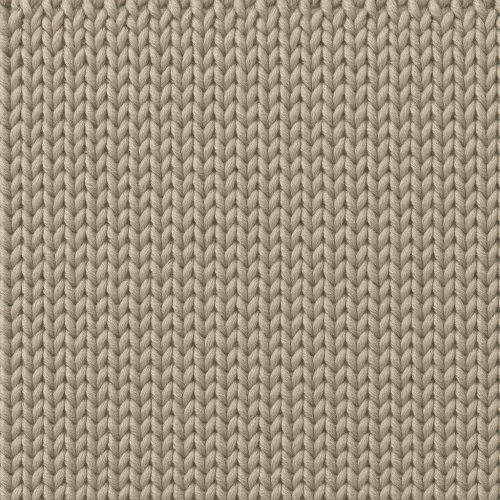
Physically Based Rendering (PBR) has revolutionized the realism achievable in 3D visualization, yet when it comes to fabric weaves and knits, the translation of intricate textile structures into convincing digital materials remains a uniquely complex challenge. Unlike hard surfaces or metals, fabrics are defined by subtle interplay of micro-geometry, anisotropic reflectance, and fine-scale surface variations that collectively evoke tactile authenticity. For 3D artists and technical directors aiming to produce seamless PBR textures that faithfully replicate woven and knitted textiles, understanding the nuanced demands of these materials is essential—not only to capture their inherent complexity but also to optimize them effectively for real-time engines or high-fidelity renderers.
At the core of fabric realism lies the accurate representation of micro-structure details. Woven textiles, for instance, are constructed from interlacing warp and weft yarns, each possessing distinct thickness, twist, and fiber orientation. Knitted fabrics, conversely, exhibit looped structures where yarn tension and stitch pattern introduce characteristic undulations and surface irregularities. These micro-topologies generate subtle shadows, highlights, and occlusions that standard texturing approaches often fail to reproduce convincingly. Consequently, a successful PBR texture pipeline must incorporate high-resolution normal and height data that encode these minute relief patterns, enabling lighting models in engines like Unreal or Blender’s Cycles to respond accurately to directional light and ambient occlusion.
The traditional PBR texture set—comprising albedo, roughness, normal, ambient occlusion (AO), height, and metallic maps—must be carefully adapted for fabrics. The albedo map, which defines diffuse color, requires meticulous color calibration to reflect the optical properties of yarn fibers, including slight translucency and subsurface scattering effects. Unlike metals, fabrics are non-metallic, and thus the metallic map is typically omitted or set uniformly to zero. However, roughness maps present a particular challenge: textile surfaces are rarely uniform in roughness, as the interplay between smooth yarn surfaces and fibrous protrusions creates anisotropic variations. Accurately capturing these variations demands a combination of photographic capture techniques and procedural refinement to avoid flat or overly repetitive appearances when tiled.
Acquisition methodologies for fabric PBR textures often leverage high-resolution photogrammetry, photometric stereo, or specialized material capture setups such as the GigaPan or RTI (Reflectance Transformation Imaging). These techniques facilitate the extraction of detailed normal and height information that surpasses what can be achieved through standard bump map generation. For knits, where loop geometry introduces complex shadowing, multiple lighting angles and polarized light sources help isolate surface normal intricacies. Post-capture processing involves retopologizing normal maps and carefully blending height maps to ensure seamless tiling without introducing visible seams or pattern repetition artifacts, which are particularly noticeable on organic, irregular fabric surfaces.
Optimization is paramount when integrating these textures into real-time engines. High-resolution maps enhance detail but impose memory and performance costs. Therefore, artists must strike a balance by employing mipmapping strategies, anisotropic filtering, and channel packing—for instance, combining AO and roughness maps into a single texture to reduce draw calls. In Unreal Engine, utilizing the engine’s material editor to implement anisotropic shading models tailored for fabrics can further enhance realism, capturing the directional reflection behavior of yarns. Blender’s shader nodes offer comparable flexibility, allowing the blending of normal maps with subtle noise textures to break uniformity and simulate micro-variations in fiber orientation.
Another critical aspect is the treatment of tiling and micro-variation. Fabric textures, especially woven and knitted ones, often repeat across large surfaces. Without sufficient micro-variation, this repetition becomes visually distracting and breaks immersion. Effective strategies include the use of multiple layered texture sets with randomized UV offsets, procedural noise modulation, or detail masks to introduce subtle color and roughness fluctuations. These techniques simulate the inherent irregularities in real textiles caused by manufacturing inconsistencies, wear, or fiber fuzziness. Additionally, height map blending can simulate soft pile or raised fibers, which interact dynamically with light to create a more lifelike fabric surface.
Calibration against real-world reference data is indispensable. Comparing rendered results to high-quality photographs or scanned samples under controlled lighting conditions ensures that albedo reflectance, roughness distribution, and normal map fidelity align with physical counterparts. This calibration often reveals the need for adjustments in gamma correction, linear workflow compliance, and color space conversions, particularly to account for the non-linear scattering properties of textile fibers. Subsurface scattering shaders can be incorporated sparingly to simulate light penetration within yarn bundles, but must be carefully tuned to avoid unrealistic translucency or color bleeding.
In summary, creating and optimizing seamless PBR textures for fabric weaves and knits necessitates a detailed understanding of textile micro-geometry, precision in map creation, and a methodical approach to engine-specific optimization. The artistic opportunities are significant: with well-crafted PBR textures, artists can evoke the tactile richness and nuanced light interplay of real fabrics, whether in the immersive environments of games, the photorealistic scenarios of architectural visualization, or the complex material layering demanded by visual effects. Mastery of this domain combines technical rigor with artistic sensitivity, ultimately enabling 3D projects to transcend the digital divide and resonate with tangible authenticity.
Capturing the intricate surface details of fabric weaves and knits for physically based rendering (PBR) workflows demands a meticulous approach to texture acquisition, balancing fidelity, efficiency, and adaptability. Two primary methodologies dominate this domain: photogrammetry, which harnesses high-resolution imaging to reconstruct real-world textile surfaces, and procedural generation, which algorithmically synthesizes complex weave patterns with parametric control. Each presents unique advantages and challenges when targeting seamless PBR textures suitable for modern real-time engines such as Unreal Engine or offline renderers in Blender, especially when addressing the nuanced interplay of PBR texture maps—albedo, roughness, normal, ambient occlusion (AO), height, and metallic characteristics—that collectively define the tactile realism of fabrics.
Photogrammetry remains a gold standard for capturing authentic fabric microgeometry and color variation, but its efficacy hinges critically on optimized capture setups tailored to the scale and complexity of textile surfaces. Fine weaves and intricate knits, often featuring sub-millimeter threads and subtle surface undulations, require imaging resolutions that exceed typical environmental texture scans. Achieving this necessitates macro photography equipment with high-quality optics capable of resolving thread structures, coupled with high-megapixel sensors to retain detail when downsampling for texture maps. A stable, vibration-isolated setup with a copy stand or macro rail system ensures consistent focus stacking and minimal motion blur, both vital for generating sharp, high-fidelity source images.
Lighting conditions during capture must emphasize the micro-relief without introducing harsh shadows that obscure weave details. A diffuse, multi-directional lighting environment—often realized through a light tent or ring lights with adjustable intensity—minimizes specular hotspots while preserving subtle thread highlights critical for normal and roughness map derivation. Polarizing filters can be employed to reduce surface reflections, facilitating cleaner albedo extraction and more accurate roughness interpretation by minimizing specular contamination. Sequentially capturing images under varying incident angles further enriches normal map generation, allowing photogrammetric reconstruction software to infer precise surface normals from parallax and shading cues.
The scanning resolution and sampling strategy directly influence the balance between fidelity and texture performance. Excessively high resolutions yield large texture maps that strain GPU memory budgets and complicate mipmapping, whereas insufficient detail fails to convey the textile’s tactile complexity. A common best practice is to target a final texture resolution that captures individual thread diameters across the UV space at approximately 2-4 pixels per thread, ensuring the thread pattern is perceptible without oversampling. This resolution guides both the photographic capture scale and subsequent texture baking parameters. To maximize seamless tiling, multiple overlapping scans of adjacent fabric regions can be blended and stitched with careful attention to pattern continuity, often assisted by custom scripts or specialized software like Adobe Substance or Materialize.
Beyond photogrammetry, procedural generation offers a compelling alternative or complementary technique, particularly for knits and weaves where algorithmic control over thread geometry, density, and interlacing patterns enables unparalleled flexibility. Procedural methods typically utilize node-based systems or scripting environments—such as Blender’s shader nodes or Substance Designer’s graph workflows—to simulate the repetitive yet complex nature of textile structures. This approach excels in producing perfectly tileable textures with parametric variation, allowing artists to rapidly iterate on weave tightness, thread thickness, and pattern disruption to avoid obvious repetition artifacts.
Procedural fabric generation begins with constructing a base pattern that mimics the thread layout, often based on mathematical tiling principles or physically inspired weave models. The normal map can be procedurally derived by encoding thread elevation and curvature, capturing the over-under interlacing and the characteristic bumpiness of yarn bundles. Height maps serve to enhance parallax or displacement effects, vital for close-up renders in engines like Unreal Engine, which support tessellation and parallax occlusion mapping. Roughness maps are generated by simulating the microscopic surface variation of fibers, often using noise functions modulated by the thread’s orientation and density to replicate the subtle anisotropic reflectance properties of textiles. Albedo maps integrate base coloration with procedural noise to emulate natural dye inconsistencies and wear patterns, enhancing realism.
A critical advantage of procedural approaches lies in their inherent ability to embed micro-variation within tileable textures. Introducing controlled randomness in thread thickness, fiber fuzziness, or subtle color shifts prevents the mechanical repetition that plagues tiled photographic textures. This micro-variation is essential when scaling textures across large surfaces in game levels or VR environments, where close inspection otherwise reveals artificial uniformity. Additionally, procedural workflows facilitate real-time adjustments and LOD (Level of Detail) scaling, enabling artists to generate multiple mipmap levels or variant maps dynamically, optimizing performance without sacrificing visual coherence.
Calibration between acquisition methods and PBR map extraction is paramount. Photogrammetry-derived textures often require retouching to normalize illumination and correct color bleed, ensuring albedo maps are free from shadowing and specular highlights. Ambient occlusion baked from high-poly scans captures thread interstices but may need blending with procedural AO to compensate for scanning artifacts or occlusion inconsistencies in knit loops. Normal map cleaning, including tangent space correction and seam alignment, ensures smooth shading transitions in 3D engines. Metallic maps are generally uniform zero for natural fabrics, but procedural workflows can simulate occasional metallic threads or embellishments, enhancing material diversity.
When integrating these textures into engines like Unreal or Blender, optimization strategies become crucial. Texture compression formats (BC7 for albedo, BC5 for normals) and channel packing (e.g., combining roughness, metallic, and AO in a single texture’s RGB channels) reduce memory footprints. Mipmaps must be carefully generated to preserve normal map detail and avoid blurring of fine weave patterns at lower LODs. Shader setups can leverage anisotropic filtering and subsurface scattering parameters tailored to fabric properties, where procedural textures provide an advantage by exposing parameters for dynamic control.
In practice, hybrid workflows often yield the best results: photogrammetry captures authentic microstructure and color variation, while procedural methods augment seamlessness, variation, and parametric control. For instance, a photogrammetric base albedo combined with a procedural normal and roughness overlay can marry realism with optimization. Maintaining a comprehensive texture library with calibrated reference scales, consistent lighting profiles, and standardized naming conventions streamlines pipeline integration.
Ultimately, mastering acquisition techniques for seamless PBR textile textures involves a deep understanding of both the physical characteristics of fabric surfaces and the digital tools available to replicate them. Photogrammetry, with its ability to faithfully reproduce complex microgeometry, forms the empirical foundation, while procedural generation provides the algorithmic finesse to scale and refine these details across diverse applications. By carefully calibrating capture setups, lighting conditions, and pattern sampling strategies—and by judiciously combining acquisition modalities—artists and technical directors can produce fabric textures that convincingly embody the tactile richness and visual complexity essential for next-generation realistic rendering.
Physically Based Rendering (PBR) workflows hinge on the generation and integration of several core texture maps—albedo, roughness, normal, ambient occlusion (AO), height, and metallic—each contributing uniquely to the final material appearance. When working with fabric materials, especially woven and knitted textiles, understanding the nuanced creation and optimization of these maps is critical for achieving authentic realism and high performance across rendering engines like Unreal Engine and Blender’s Eevee or Cycles.
The albedo map, often referred to as the base color, carries the intrinsic diffuse color information of the fabric without any shading or lighting data. For fabrics, capturing albedo involves careful photographic acquisition or procedural authoring to represent the true coloration of fibers and yarns. Photogrammetry or high-resolution macro photography under diffuse, shadowless lighting provides a strong foundation; however, raw photos frequently contain baked shadows, highlights, or color casts that must be neutralized during post-processing. Techniques such as frequency separation can isolate and subtract shading, leaving pure color data. When working procedurally, tools like Substance Designer enable the synthesis of nuanced color variations that mimic dyed yarns, subtle discolorations, or wear patterns, which are essential for avoiding flatness and mechanical repetition when tiled.
Calibration of albedo values is crucial: fabrics rarely exhibit highly saturated or overly bright colors due to the light-absorbing nature of fibers. Ensuring the albedo map remains within physically plausible reflectance ranges—generally below 0.8 in linear space—prevents unnatural energy gains in the shading model. This is particularly important because PBR materials assume that the albedo map represents diffuse reflectance only, with no embedded specular information, which can cause double reflections if mishandled. Verification within the shader or using tools such as Marmoset Toolbag’s material viewer can help confirm the albedo’s physical correctness before proceeding.
Roughness maps define how microsurface details scatter light, directly influencing the reflectance characteristics of the fabric fibers. For woven or knitted textiles, roughness is tightly coupled to fiber geometry, surface wear, and finish. A freshly spun cotton weave will have a different roughness profile than a polished silk knit or a coarse burlap. The creation of roughness maps often derives from grayscale photographs taken under controlled lighting or from procedural noise generators tuned to the fiber scale. For instance, micro-variations can be extracted by filtering high-frequency detail from the albedo or normal maps, which can then be inverted or adjusted to reflect the glossiness of smooth or fuzzy fibers.
Authoring roughness maps requires attention to the textural scale: too coarse roughness patterns will cause unrealistic blurring of reflections, while too fine details may be lost due to texture compression or engine filtering. To preserve micro-variation, artists often blend multiple noise layers—such as Perlin noise for broader variation and fine-grain noise for fiber fuzziness—modulated by wear masks or dirt layers to simulate fabric aging. Tiling roughness maps seamlessly is essential; otherwise, visible repetitive highlights can break immersion. Utilizing dedicated texturing tools with seamless noise generation capabilities or employing shader-based procedural noise in engines like Unreal can offer dynamic solutions to this problem.
Normal maps are indispensable for conveying the intricate three-dimensional structure of woven and knitted fabrics. Unlike flat materials, fabric normal maps must emphasize the undulating yarns, fiber intersections, and subtle surface irregularities that define the weave’s tactile feel. High-resolution normal maps can be generated from photogrammetric scans using software like RealityCapture or from bump maps baked from high-poly fibrous geometry in sculpting tools such as ZBrush. When sculpted geometry is impractical, procedural or hand-painted normal maps can simulate characteristic weave patterns, such as twill, basketweave, or ribbed knits.
A common pitfall is over-exaggerating normal map intensity, which can produce unrealistic shading artifacts or silhouette distortions, especially in real-time engines. Calibration involves adjusting the normal map strength in tandem with the base mesh’s UV scale and the engine’s tangent space conventions. For instance, Unreal Engine requires normal maps to be imported with the correct compression settings (e.g., BC5 format) and orientation to avoid inverted shading. Additionally, combining the normal map with a detail normal map at runtime can introduce micro-fiber bumpiness that breaks up uniformity and adds realism.
Ambient occlusion (AO) maps add subtle shadowing information by simulating self-occlusion within the fabric’s microstructure, enhancing depth perception and grounding the weave in three-dimensional space. AO maps for fabrics are typically baked from high-poly source meshes or generated using ambient occlusion baking tools that sample occlusion at the yarn or fiber scale. While AO is often combined multiplicatively with the albedo in some workflows, it is best used as a separate input in modern PBR shaders to preserve lighting accuracy.
Baking AO at the fabric micro-detail level can be computationally expensive, so artists sometimes approximate AO using curvature maps or cavity maps derived from normal data, which approximate occlusion effects based on surface concavity. These maps can be procedurally generated or derived from plugins within texturing suites. AO maps must be carefully tiled and blended to avoid seams, especially since fabric patterns are repetitive. Subtle variation in AO intensity can be introduced to simulate fuzziness or irregular yarn packing, enhancing realism.
Height maps, or displacement maps, provide measurable surface relief information, enabling parallax effects or tessellation-based displacement in rendering engines. For fabric materials, height maps accentuate the raised yarns and depressions in the weave or knit pattern, contributing to the perception of tactile depth beyond what normal maps alone can achieve. Height maps are often derived from grayscale photographs processed to isolate height cues or sculpted directly alongside normal map creation.
Because displacement can be expensive, especially in real-time engines, height maps for fabric are typically optimized by limiting their resolution and dynamic range. Mapping height values within a narrow range avoids exaggerated displacement that could cause mesh artifacts or silhouette popping. In Unreal Engine, height maps are frequently used in conjunction with parallax occlusion mapping (POM) or virtual height maps (VHM) to simulate depth without additional geometry, balancing visual fidelity and performance. Blender’s shader nodes can similarly interpret height maps for bump or displacement shaders depending on the rendering context (Eevee vs. Cycles).
Metallic maps represent the metalness factor within the PBR workflow, dictating whether a surface behaves as a dielectric or a conductor. For most fabric materials, the metallic map is uniformly black (0) because textile fibers are non-metallic dielectrics. However, specialty textiles such as metallic threads, foil prints, or conductive woven fibers require nuanced metallic maps to precisely localize metallic behavior. Generating these maps involves isolating metal regions through masks created in Photoshop or Substance Painter, often guided by reference images or scanned data.
When authoring metallic maps for mixed materials, it is essential to maintain strict binary or near-binary values to prevent ambiguous reflectance. Partial metalness values can produce non-physical results due to the fundamental differences in reflectance models of metals and dielectrics. Calibration involves verifying metallic and roughness maps together because combined high metalness with high roughness leads to muted metallic reflections, which may or may not be desirable depending on the textile finish.
Optimization across all PBR maps is paramount for fabric materials given their typically high-resolution requirements to capture fine fiber detail. Techniques such as mipmap generation, texture compression (DXT5 for albedo with alpha or BC5 for normals), and channel packing—where AO, roughness, and metallic are combined into a single texture—reduce memory footprint and draw calls. When packing, channels must be carefully balanced so that values do not interfere with each other’s visual impact or compression artifacts.
Tiling strategies are critical since fabric materials often repeat across large surfaces. Utilizing non-uniform UV scaling or overlaying subtle noise or detail maps can mitigate visible tiling patterns. Engines like Unreal support runtime shader parameters to introduce micro-variation dynamically, such as vertex color-driven roughness modulation or detail normal blending, which can break uniformity without increasing texture sizes.
Finally, cross-engine calibration is vital. Materials authored in Substance Designer or Painter must be tested and adjusted within the target renderer’s material system, accounting for differences in gamma space, normal map handedness, and mipmap filtering. Iterative feedback loops involving engine viewport previews, photorealistic render passes, and real-time performance profiling ensure the PBR maps for fabric materials deliver both visual fidelity and efficiency.
In sum, the precise creation and optimization of albedo, roughness, normal, AO, height, and metallic maps are foundational to replicating the complex interplay of light and fiber structure in realistic fabric weaves and knits. Through methodical acquisition, procedural refinement, and engine-specific calibration, artists can craft fabric PBR textures that convincingly convey tactile richness and subtle optical phenomena, essential for immersive 3D experiences.
FAQ
What is covered in this guide?
This guide explains Creating and Optimizing Seamless PBR Textures for Realistic Fabric Weaves and Knits with practical notes for seamless PBR materials, texture setup, and production use.
Can I use these texture techniques in Blender, Unreal Engine, and Unity?
Yes. The workflow focuses on standard PBR maps and tileable materials that can be used in Blender, Unreal Engine, Unity, archviz, games, and VFX pipelines.
Where can I find textures for this workflow?
Use the AITextured texture library and the related texture links on this page to find seamless PBR materials and preview them before download.
Related Textures
 Procedural Stamped Sidewalk Concrete PBR Texture
 Procedural Fine Asphalt Road PBR Texture
 Procedural Pitted Concrete PBR Texture
 Seamless Concrete Pebble PBR Texture in 4K Resolution
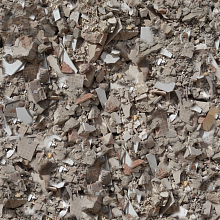 Seamless PBR Concrete Rubble Texture with Debris and Fragments
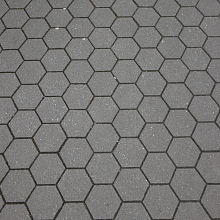 Seamless Hexagonal Concrete Tile PBR Texture 4K
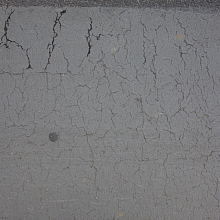 Cracked Asphalt Texture with Weathering