Optimizing Seamless PBR Textures for Realistic Translucent Materials in 3D Pipelines
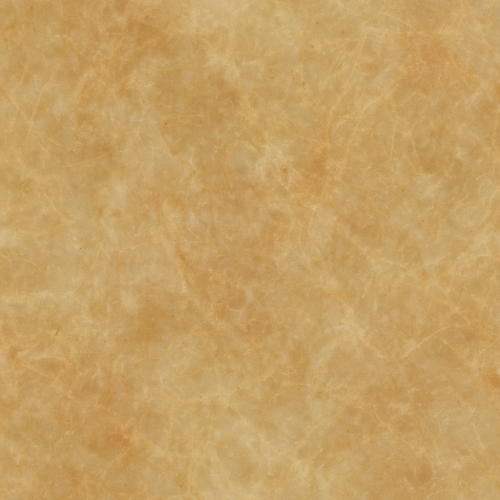
In physically based rendering (PBR) workflows, the accurate depiction of material response to light forms the cornerstone of photorealistic imagery. While opaque materials have been extensively studied and standardized within these workflows, translucent materials introduce a distinct set of optical phenomena that challenge conventional texturing and shading paradigms. Translucent surfaces—ranging from organic tissues like skin and leaves to synthetic materials such as wax, milk, or certain plastics—permit the partial transmission and subsurface scattering of light, fundamentally diverging from purely reflective or refractive interactions typical of opaque counterparts. Understanding the physical and perceptual nuances of translucency is essential for the effective integration of seamless PBR textures into modern 3D pipelines.
The primary differentiator between translucent and opaque materials lies in the subsurface light transport mechanisms. Unlike opaque surfaces, where incident light is predominantly absorbed or reflected at the immediate interface, translucent materials allow photons to penetrate beneath the surface and scatter internally before re-emerging. This volumetric diffusion imparts soft, radiant qualities, often manifesting as subtle translucency or glow, which cannot be replicated by standard albedo and roughness maps alone. Consequently, the acquisition and authoring of PBR textures for translucent materials must accommodate not only surface reflectance properties but also the volumetric optical parameters governing subsurface scattering (SSS).
From a technical perspective, the conventional PBR texture set—comprising albedo, roughness, normal, ambient occlusion (AO), height, and metallic maps—must be reinterpreted or augmented when applied to translucent materials. The albedo map, which encodes the diffuse reflectance, must accurately represent the color and translucency characteristics without conflating surface pigmentation with subsurface coloration. In practice, this often necessitates the separation of surface albedo from subsurface color information, the latter sometimes captured as a dedicated SSS map or integrated into specialized shader parameters. The roughness map retains its role in modulating microfacet distribution and specular reflection, yet its interaction with translucency is nuanced; surface roughness influences the glossiness of reflections but also alters the boundary conditions for light entry into the subsurface volume.
Normal maps maintain their importance in defining fine geometric detail, which affects light scattering directionality and micro-shadowing on translucent surfaces. However, the interplay between microgeometry and subsurface scattering can produce complex visual results, demanding careful calibration of normal map intensity and filtering to avoid unnatural artifacts. Ambient occlusion, traditionally used to approximate self-shadowing in ambient lighting, must be judiciously applied; excessive AO on translucent materials can erroneously darken areas where subsurface light diffusion would otherwise produce subtle illumination.
Height maps contribute to parallax and displacement effects, enhancing perceived depth and surface complexity. In translucent materials, height information can influence the scattering path length and directional biases, indirectly affecting perceived translucency. Metallic maps, denoting conductive versus dielectric properties, are typically less relevant for most translucent materials, which are predominantly dielectric. However, in cases where translucent materials possess partial metallic inclusions or coatings, precise metallic map integration remains critical.
A pivotal challenge in authoring PBR textures for translucency lies in achieving seamless tiling without introducing repetitive patterns that undermine the natural, heterogeneous appearance of subsurface structures. Traditional tiling methods that excel for opaque materials often fail to capture the subtle micro-variations and organic randomness intrinsic to translucent surfaces. High-frequency details in normal and roughness maps, as well as stochastic noise within subsurface maps, must be carefully balanced to preserve continuity while maintaining photorealistic variation. Techniques such as procedural noise layering, multi-scale detail blending, and manual texture stamping become invaluable tools in this context.
Calibration of texture maps to match the targeted rendering engine’s subsurface scattering model is another critical step. Engines like Unreal Engine utilize subsurface profiles and transmission parameters that require precise input values adjusted to the texture maps’ tonal ranges and color spaces. Blender’s Cycles renderer, with its principled BSDF shader, demands consistent integration of the subsurface radius, scale, and color parameters with the authored maps to faithfully reproduce translucency. This calibration involves iterative tuning, often supported by reference capture data or physically measured material properties, ensuring that the texture maps drive the shader parameters within plausible physical bounds.
Optimization remains a constant consideration in real-time pipelines, where translucent materials pose additional performance costs due to complex light transport calculations. Efficient texture packing strategies—such as combining multiple subsurface parameters into single channels—and mipmap biasing to reduce high-frequency noise at distance help mitigate rendering overhead. Moreover, leveraging engine-specific features like Unreal’s translucency modes or Blender’s adaptive sampling can further balance visual fidelity with performance constraints. Artists and technical directors should also consider texture resolution trade-offs, prioritizing high detail in regions of close camera scrutiny while employing lower detail or simplified shading models elsewhere.
Practical tips for successful texture creation encompass careful selection of source material during acquisition, whether through photogrammetry, hyperspectral imaging, or hand-painted methods. Photogrammetric captures of translucent surfaces often require specialized setups with diffuse backlighting to isolate subsurface contributions, enabling more accurate extraction of albedo and subsurface coloration. Hand-painting workflows benefit from an understanding of how translucency modulates color saturation and brightness, guiding artists to avoid over-saturated or flat albedo maps that would conflict with subsurface scattering effects. Additionally, integrating height and normal map details derived from micro-CT scans or high-resolution scans can greatly enhance the realism of complex translucent materials like marble or skin.
In summary, translucent materials in PBR workflows demand a comprehensive approach that extends beyond traditional surface reflectance modeling. The unique physics of subsurface light scattering necessitate specialized texture authoring, calibration, and optimization strategies to faithfully capture their intricate interplay of absorption, scattering, and transmission. By mastering the nuanced relationship between texture maps and shader parameters within the constraints of targeted rendering engines, 3D artists and technical directors can elevate the realism and visual impact of translucent materials across diverse digital content pipelines. This foundational understanding sets the stage for more advanced discussions on seamless texture generation, shader customization, and integration techniques tailored specifically for translucent PBR assets.
Capturing the subtle complexity of translucency in physically based rendering (PBR) textures demands meticulous attention to acquisition methodology, lighting conditions, and subsequent data processing to preserve the nuanced light interactions that define translucent materials. Unlike opaque surfaces, where light reflection and surface microgeometry dominate the visual outcome, translucent materials require detailed representation of subsurface scattering, volumetric light transport, and internal heterogeneities. Consequently, the generation of seamless PBR maps that faithfully encode translucency characteristics involves a fusion of advanced photogrammetric capture, tailored scanning setups, and procedural augmentation balanced with rigorous calibration protocols.
Photogrammetry remains a foundational technique for acquiring high-fidelity surface data, but its conventional approach—reliant on diffuse reflectance and multiple viewpoint image capture—must be adapted to accommodate the semitransparent nature of translucent materials. Standard photogrammetric pipelines primarily reconstruct surface geometry via feature matching on opaque textures; translucency introduces subsurface diffusion that softens features and can disrupt reliable point correspondence. To mitigate these challenges, acquisition strategies often employ controlled lighting environments with narrowband or polarized illumination to isolate surface reflectance components from subsurface scattering effects. This separation is critical to accurately extract albedo and roughness maps that reflect surface properties without contamination from volumetric light transport.
Scanning translucent materials typically benefits from integrating active illumination methods such as structured light or multi-spectral imaging. Structured light scanners project known patterns onto the surface to resolve fine geometric detail, which is essential for generating accurate normal and height maps that influence light directionality and parallax in PBR shading. However, translucency-induced light diffusion can blur projected patterns, necessitating the use of higher-frequency patterns or time-of-flight sensors optimized for translucent media. Multi-spectral imaging extends this principle by capturing reflectance at different wavelengths, which can be leveraged to infer absorption and scattering coefficients intrinsic to subsurface layers—parameters that inform the creation of specialized translucency or subsurface scattering (SSS) maps. Although PBR engines like Unreal Engine and Blender's Cycles do not natively support volumetric scattering maps as separate texture inputs, such data can be baked into modified albedo or translucency masks, or used to drive custom shader parameters for enhanced realism.
In parallel to photogrammetry, procedural generation techniques are increasingly employed to complement or even replace physical scanning when capturing translucency features, particularly in materials with complex internal structures such as frosted glass, skin, or organic tissues. Procedural workflows utilize noise functions, volumetric shaders, and layered micro-variation patterns to simulate scattering heterogeneity, translucency gradients, and anisotropic subsurface detail. These methods are advantageous when physical acquisition is impractical or when seamless tiling is paramount. For instance, fractal noise modulated by curvature or ambient occlusion maps can generate pseudo-random translucency variations that break repetitive artifacts common in tiled textures. Height and normal maps generated procedurally can be combined with photogrammetric data to enhance microgeometry fidelity, creating a hybrid approach that balances realism with optimization.
A pivotal consideration during translucency texture acquisition is the calibration of lighting and camera parameters to ensure consistent, physically plausible data capture. Accurate color calibration targets and spectrally neutral gray cards are indispensable for establishing a baseline albedo reference free from color casts induced by ambient illumination or camera sensor biases. Furthermore, the dynamic range of capture devices must accommodate the high contrast between illuminated and shadowed regions typical in translucent materials, where subsurface light penetration can create subtle gradients. High dynamic range (HDR) imaging techniques are often employed to capture the full luminance spectrum, enabling the extraction of albedo maps that retain color fidelity without clipping.
To create seamless textures suitable for real-time engines, acquired data must be carefully processed to remove edge artifacts and ensure tileability without visible seams. This process often involves advanced stitching algorithms that blend overlapping photogrammetric scans while preserving translucency gradients, as well as retouching height and normal maps to maintain continuous surface detail across texture borders. Micro-variation is critical for translucent materials to avoid flat, artificial appearances; introducing subtle noise or procedural detail at the micro-level within roughness and normal maps enhances light scattering fidelity and visually breaks tiling repetition.
Optimization of PBR translucency textures for real-time rendering platforms also requires balancing resolution and channel packing. Since translucency effects are computationally expensive, developers often encode subsurface scattering parameters into existing texture channels—such as embedding translucency masks within the alpha channel of albedo or roughness maps—to minimize texture fetches and memory footprint. Engines like Unreal provide subsurface profile systems where these maps can be interpreted in shader code to approximate volumetric scattering without dedicated volumetric textures. Blender’s shader nodes offer flexible workflows to combine procedural translucency masks with baked photogrammetric data, enabling artists to fine-tune translucency intensity and color independently from other PBR parameters.
In practice, an effective acquisition pipeline for translucent PBR textures begins with a controlled setup: a diffuse white light source combined with directional fill lights arranged to minimize harsh shadows and specular highlights that obscure subsurface detail. The object is rotated through multiple exposures to capture comprehensive surface data while maintaining constant lighting conditions. Polarizing filters on both light sources and camera lenses help separate surface reflection from subsurface contribution by eliminating glare, enabling cleaner albedo and roughness extraction. Subsequent capture of height and normal maps using structured light or photometric stereo techniques enhances microgeometry representation critical for convincing translucency.
Post-capture processing workflows employ multispectral analysis and tone-mapping to isolate scattering features, generating translucency masks that encode spatial variation in subsurface light transmission. These masks can be combined with ambient occlusion maps, which often require recalculation to incorporate volumetric shadowing effects unique to translucent materials. The final PBR texture set thus includes calibrated albedo with translucency modulation, roughness and metallic maps reflecting surface microstructure and material composition, normal and height maps capturing fine geometry, and ambient occlusion maps refined for subsurface shadowing.
In summary, acquiring PBR textures optimized for realistic translucency demands a hybridized approach that leverages advanced photogrammetry under calibrated lighting, supplemented by procedural generation to capture micro- and meso-scale translucency variations. The interplay between precise data capture, channel packing strategies, and engine-specific shader implementations underpins the successful integration of translucent materials within modern 3D pipelines, enabling artists and technical directors to achieve a level of visual fidelity that faithfully replicates the complex light behavior inherent to these materials.
In the pursuit of photorealism for translucent materials within physically based rendering (PBR) workflows, the generation and precise calibration of texture maps become paramount. While traditional PBR workflows focus heavily on albedo, roughness, normal, ambient occlusion (AO), height, and metallic maps, the incorporation of translucency-related maps—particularly subsurface scattering (SSS) and opacity—introduces additional complexity that demands a nuanced approach. The challenge lies in harmonizing these layers to faithfully replicate light transmission and scattering phenomena intrinsic to materials such as skin, wax, marble, or foliage, all while ensuring seamless tiling and performance optimization within modern 3D engines like Unreal Engine and Blender’s Cycles or Eevee renderers.
The foundational starting point remains the acquisition or authoring of high-quality albedo maps, which serve as the diffuse color base representing the material’s intrinsic pigmentation without direct lighting influence. For translucent materials, albedo must be carefully captured or painted with consideration of light penetration and color bleeding effects, as the diffuse appearance is modulated by subsurface scattering. Photographic capture under controlled lighting conditions using polarized filters or cross-polarized setups can significantly reduce specular reflections, isolating the true diffuse albedo component. When painting albedo maps, subtle color gradations and micro-variations are essential to simulate the heterogeneous nature of translucent materials, which rarely exhibit perfectly uniform coloration. Additionally, maintaining linear color space integrity and avoiding sRGB gamma compression errors is critical to prevent inaccurate shading during rendering.
Roughness maps, encoding the microsurface scattering behavior, play an instrumental role in defining how light interacts with surface irregularities, influencing the specular highlight’s spread and intensity. For translucent materials, roughness calibration must acknowledge that light transmission occurs beneath the surface; thus, roughness values not only affect the reflected specular lobe but also impact how subsurface light is scattered and diffused. When authoring roughness maps, it is beneficial to incorporate micro-variation patterns that break up uniform reflections, enhancing realism. Procedural noise or hand-painted detail can introduce subtle anisotropy or directional roughness variance, which is particularly relevant in materials like skin, where pores and fine wrinkles modulate specular behavior. In engines like Unreal Engine, leveraging roughness maps in conjunction with subsurface scattering profiles requires precise tuning to avoid overly glossy or matte appearances that betray the material’s translucency.
Normal maps remain indispensable for conveying fine surface detail and micro-geometry without additional polygonal complexity. For translucent materials, accurate normal maps help simulate surface undulations that influence both direct reflections and the scattering of light beneath the surface. High-resolution normal maps, generated from photogrammetry scans or sculpted details baked from high-poly meshes, must be carefully optimized to prevent tiling artifacts. Seamless normal map creation often involves specialized tools such as Substance Painter or xNormal, which support edge padding and advanced seam blending to mitigate visible repetition. When integrating normal maps with subsurface scattering shaders, it is vital to ensure that the tangent space orientation is consistent and that normal map intensities are calibrated to avoid exaggerated or flattened surface features that can disrupt the light diffusion simulation.
Ambient Occlusion (AO) maps, traditionally used to simulate self-shadowing in crevices and cavities, are somewhat nuanced in translucent materials. While AO maps enhance perceived depth and realism, their interaction with subsurface scattering must be carefully balanced. Excessive AO darkening can artificially suppress the light penetrating translucent layers, leading to an unrealistic attenuation of subsurface glow. One practical approach is to modulate AO intensity or selectively mask AO influence within subsurface scattering shader inputs. During AO map generation, using high-resolution baking from detailed geometry ensures crevice shadows are captured accurately, but it is often necessary to apply blur or dilation filters to prevent harsh transitions that disrupt the seamlessness of tiled textures.
Height (displacement) maps contribute additional depth cues and can augment subsurface scattering effects by subtly modulating the effective thickness of the material. Thicker regions scatter light differently compared to thinner ones, a nuance that can be approximated by modulating the height map’s grayscale values. When authoring height maps, it is crucial to maintain a calibrated range matching the material’s physical thickness variations, avoiding exaggerated displacement values that cause rendering artifacts or silhouette distortions. In game engines like Unreal, height maps may be converted to parallax occlusion mapping or tessellation inputs, which need to be balanced against performance budgets. Correctly normalized height maps enable more accurate subsurface scattering falloff by serving as a proxy for local thickness, enhancing realism in materials such as wax candles or plant leaves.
Metallic maps, while often minimal or absent in purely translucent materials, still warrant attention. The metallic channel defines the material’s electrical conductivity, influencing how much light is reflected specularly versus absorbed diffusely. Most translucent materials are dielectrics with metallic values near zero; however, subtle metallic variations can exist in composite materials (e.g., translucent plastics with embedded metallic flakes). When metallic data is present, it should be carefully masked and integrated with roughness to prevent skewing the overall light interaction model. Ensuring correct linearization and channel packing of metallic maps within texture atlases optimizes performance and shader complexity.
Central to the representation of translucency are the subsurface scattering and opacity maps, which govern how light penetrates, scatters internally, and exits the material. Subsurface scattering maps typically encode scattering radius, intensity, or color tint, which modulate the shader’s scattering kernel parameters. Obtaining accurate subsurface scattering profiles often requires empirical measurement or referencing detailed biophysical datasets, particularly for organic materials like skin or fruit. Authoring these maps involves painting or procedural texturing techniques that reflect the localized variation in subsurface thickness and scattering properties, such as thicker cartilage areas exhibiting higher scattering radius and intensity. In engines like Unreal Engine 5, subsurface profiles leverage these maps in conjunction with global scattering parameters, necessitating fine-tuning to avoid oversaturation or unnatural translucency.
Opacity maps, alternatively referred to as transparency or alpha maps, define per-pixel transmission and are crucial for materials exhibiting partial transparency or complex geometry like leaves or thin fabric. Correct calibration ensures that opacity transitions are smooth without hard edges or artifacts that can break immersion. When generating opacity maps, maintaining a high bit-depth and avoiding dithering artifacts is important, especially in semi-transparent regions. In Blender, mixed shader setups combining principled BSDF with translucent and transparent BSDF nodes utilize opacity maps to drive light transmission realistically, demanding linear alpha blending and proper premultiplied alpha workflows to prevent haloing or sorting issues.
Tiling and micro-variation strategies are essential to prevent visible repetition and enhance realism across large surfaces. Seamless texture generation techniques such as offset wrapping, symmetry breaking through noise masks, and multi-channel blending allow artists to create complex, non-repetitive patterns that contribute to believable translucency cues. For example, subtle variations in subsurface scattering intensity or opacity tied to underlying texture noise simulate natural heterogeneity in organic materials. Practical optimization involves balancing texture resolution with mipmap generation, ensuring that micro-variations remain perceptible at close range but gracefully degrade at distance to conserve memory bandwidth.
Calibration workflows typically involve iterative visual comparison within target rendering environments. Utilizing reference captures under calibrated lighting setups helps anchor subsurface scattering and opacity parameters to real-world appearances. Shader parameter tweaking, combined with texture map adjustments, often requires toggling between diffuse, direct lighting, and subsurface scattering passes to isolate and refine each component’s contribution. Profiling performance impact during this process is vital, as subsurface scattering shaders can be computationally intensive; thus, optimizing texture compression formats and channel packing can mitigate overhead without sacrificing visual fidelity.
In summary, the generation and calibration of PBR texture maps for translucent materials demand a holistic approach that integrates traditional surface properties with specialized translucency data. Mastery of acquisition techniques, authoring in tools like Substance Painter or Mari, and iterative refinement within rendering engines such as Unreal Engine and Blender underpin the creation of seamless, physically accurate translucent textures. Attention to micro-variation, seamlessness, and performance-aware optimization ensures these materials transcend mere surface appearance, capturing the nuanced interplay of light beneath the surface that defines realistic translucency in modern 3D pipelines.
FAQ
What is covered in this guide?
This guide explains Optimizing Seamless PBR Textures for Realistic Translucent Materials in 3D Pipelines with practical notes for seamless PBR materials, texture setup, and production use.
Can I use these texture techniques in Blender, Unreal Engine, and Unity?
Yes. The workflow focuses on standard PBR maps and tileable materials that can be used in Blender, Unreal Engine, Unity, archviz, games, and VFX pipelines.
Where can I find textures for this workflow?
Use the AITextured texture library and the related texture links on this page to find seamless PBR materials and preview them before download.
Related Textures
 Procedural Lime Plaster Wall PBR Texture
 Procedural Stamped Sidewalk Concrete PBR Texture
 Procedural Fine Asphalt Road PBR Texture
 Procedural Pitted Concrete PBR Texture
 Seamless Concrete Pebble PBR Texture in 4K Resolution
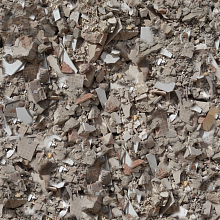 Seamless PBR Concrete Rubble Texture with Debris and Fragments
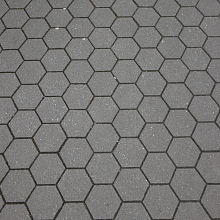 Seamless Hexagonal Concrete Tile PBR Texture 4K
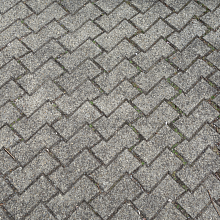 Realistic Concrete Paving Brick Pattern Texture