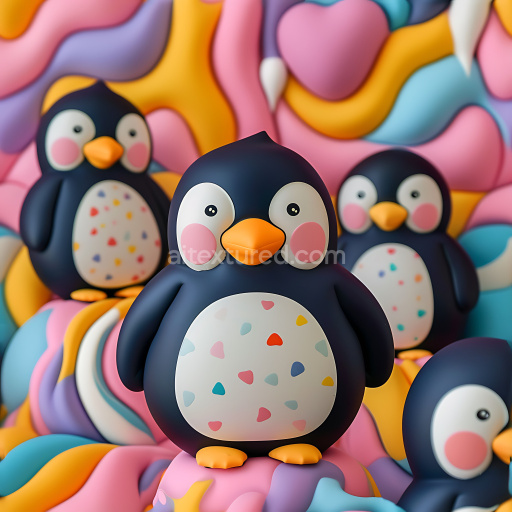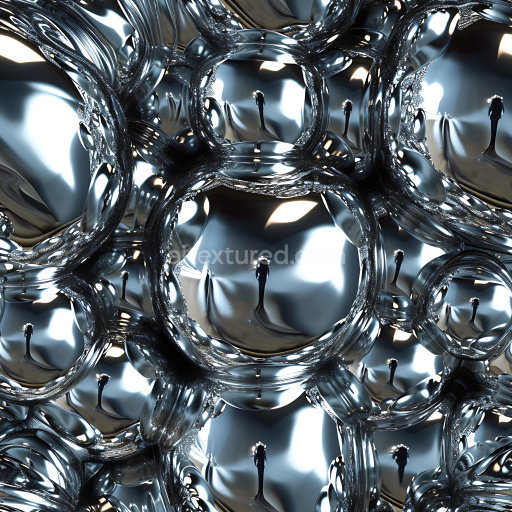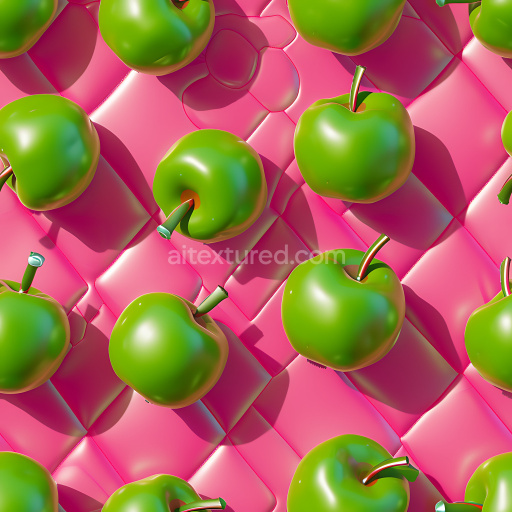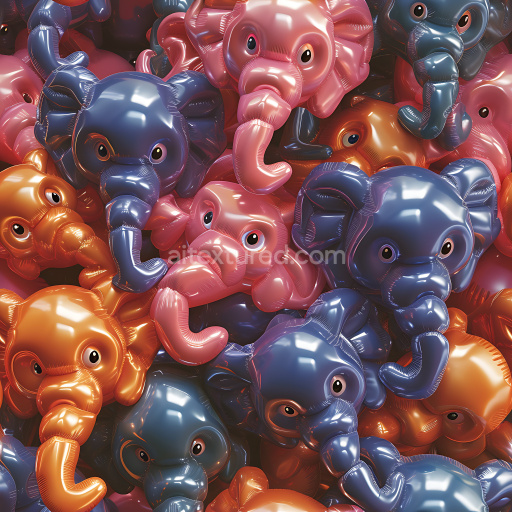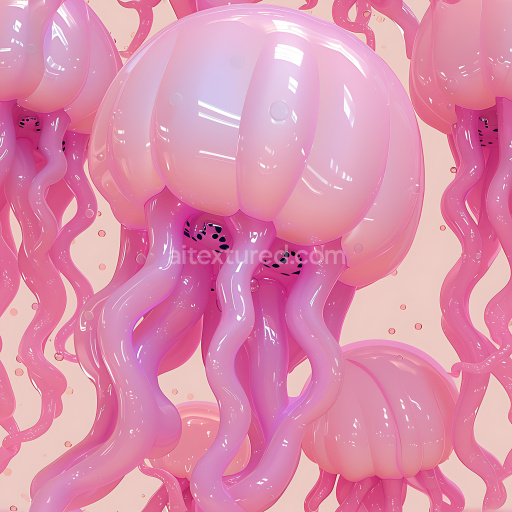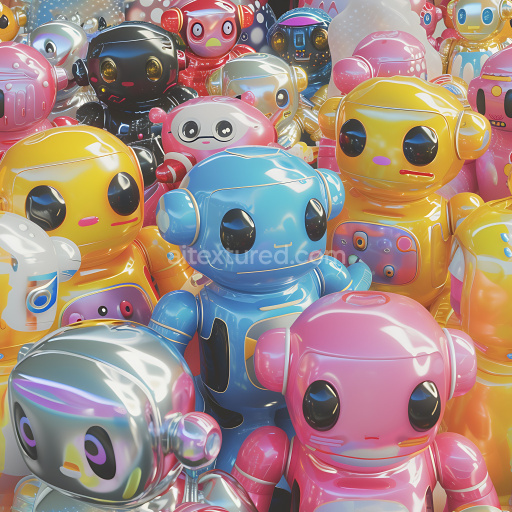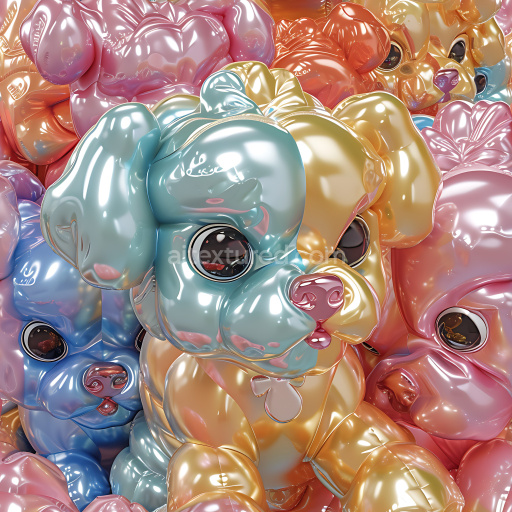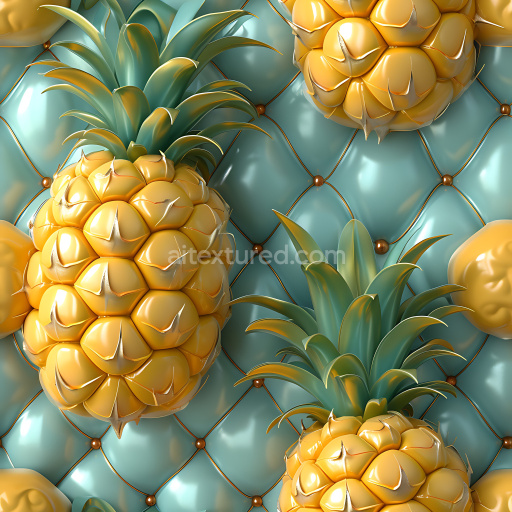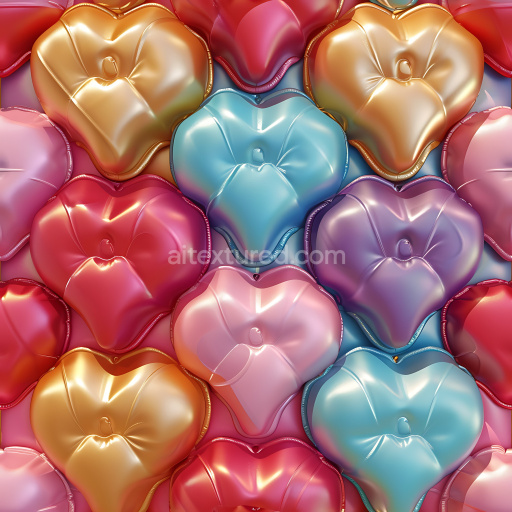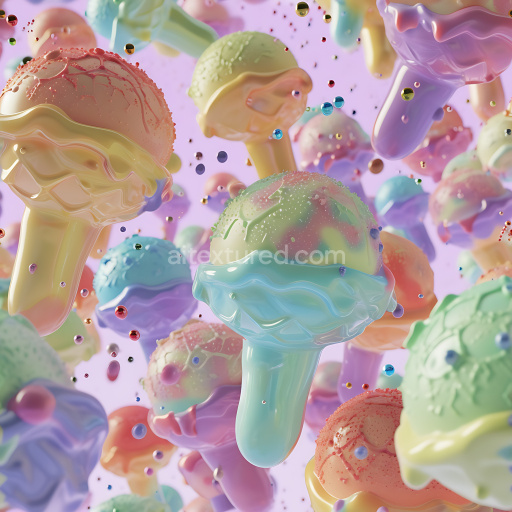
Inflated PBR Texture with Soft Puffy Vinyl Spheres in Pastel Colors

Seamless texture (tileable) · PNG, WEBP, PBR ZIP. License: AITextured Free Commercial License (FCL) v1.1. Free personal and commercial use. Raw resale, standalone redistribution, mirroring/scraping, competing asset packs, and AI/ML training are not allowed without written permission. Attribution is not required, but appreciated..

Inflated with Soft Puffy Vinyl Spheres in Pastel Colors seamless PBR texture preview

Texture Info

IDinflated-seamless-pbr-inflated-soft-vinyl-puffy-spheres-texture
CategoryInflated
FormatsPNG, WEBP, PBR ZIP
Size1k (1024x1024px), 2k (2048x2048px), 4k (4096x4096px), 8k (8192x8192px)
ColorsRGB
TileableYes
This seamless 3D inflated PBR texture showcases a delightful pattern of soft, puffy vinyl spheres arranged in a playful, bubbly composition. The inflated surface resembles gentle balloons or soft rubber bubbles, rendered in pastel shades including peach, baby blue, soft yellow, and blush pink. The surface is smooth and glossy with realistic light reflections, suggesting a slightly elastic, plastic-like material typical of inflated vinyl or rubber.

The overall pattern is non-directional and randomly arranged with variously sized spheres overlapping subtly, enhancing its organic, joyful character. The spheres exhibit well-defined, rounded shapes with subtle shading emphasizing their inflated volume without any creases or stitching. The visual feel is fun, youthful, and tactile, evoking imagery suitable for toy products, whimsical props, kids’ graphics, or candy-themed digital environments.

This texture is fully seamless and tileable at 4K resolution, with PBR-ready material maps enabling artists to simulate realistic reflections and surface responses in major 3D software such as Blender, Unreal Engine, Unity, Cinema 4D, and 3ds Max. It fits perfectly in game development for colorful interface elements or playful environments, VFX projects requiring bubbly surfaces, and product rendering for children-focused goods.

Use it to enhance sci-fi padding, soft toy prototypes, or stylized candy worlds where a soft and inflated look adds charm. Its unique pastel color palette and inflated vinyl feel make it an excellent choice for creative 3D artists aiming for cheerful, tactile surfaces in digital scenes.

Best Uses for This Texture

  • 3D environment surfaces
  • Game art and realtime rendering
  • Archviz and product visualization
  • WebGL previews and material studies
  • Blender, Unreal Engine and Unity workflows

Using This PBR Texture in Blender

Import the texture maps into Blender with sRGB color space for albedo/base color and Non-Color for normal, roughness, metallic, AO, height, and ORM maps. Connect normal maps through a Normal Map node, then adjust UV scale with a Mapping node so the material repeats naturally on your model.

  • Albedo -> Principled BSDF Base Color
  • Roughness -> Roughness, Metallic -> Metallic
  • Normal -> Normal Map node -> Normal
  • Height -> Bump or Displacement depending on render setup

For the full step-by-step setup, see How to Use Seamless Textures in Blender. Browse related material examples in wood, concrete, and metal.

FAQ

Is this texture seamless and tileable?

Yes. This texture is designed as a seamless tileable PBR material, so it can repeat across large surfaces without visible borders.

Which resolutions and formats are available?

You can download PNG/WEBP versions and use 1K, 2K, 4K and 8K download options when available on the page.

Can I use it in Blender, Unreal Engine and Unity?

Yes. The download options and engine-mapped ZIP workflow are designed for Blender, Unreal Engine, Unity Standard, URP and HDRP material pipelines.

Is commercial use allowed?

Yes. The texture is available under the AITextured free commercial license. Review the license page for redistribution and AI-training restrictions.

AITEXTURED Tools

Build, preview, and export seamless PBR materials. Generate full map sets from a single image, inspect them in a real-time WebGL viewer, and re-package maps for Unreal, Unity, and Blender—directly in your browser.