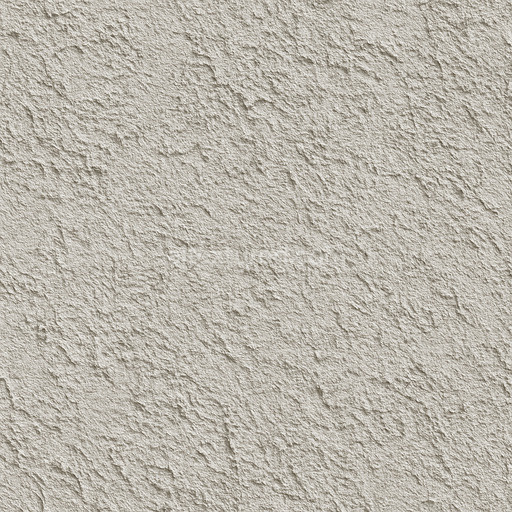
Rough Plaster Seamless Texture
Seamless texture (tileable) · PNG, WEBP, PBR ZIP.
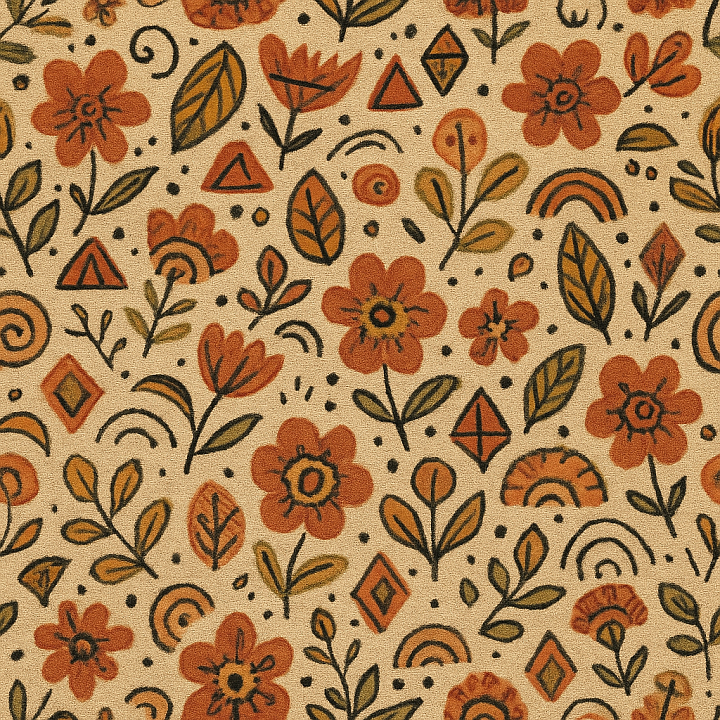
| ID | patterned-cotton-seamless-texture |
|---|---|
| Category | Basic-materials |
| Formats | PNG, WEBP, PBR ZIP |
| Size | 1k (1024x1024px), 2k (2048x2048px), 4k (4096x4096px), 8k (8192x8192px) |
| Tileable | Yes |
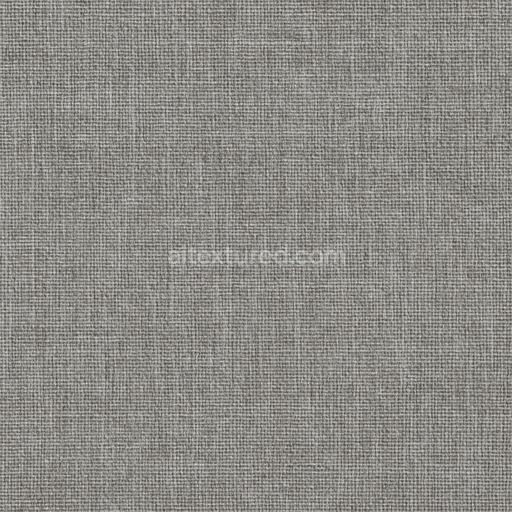
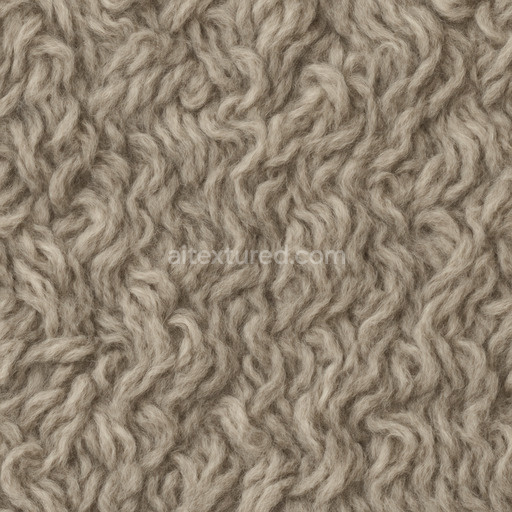
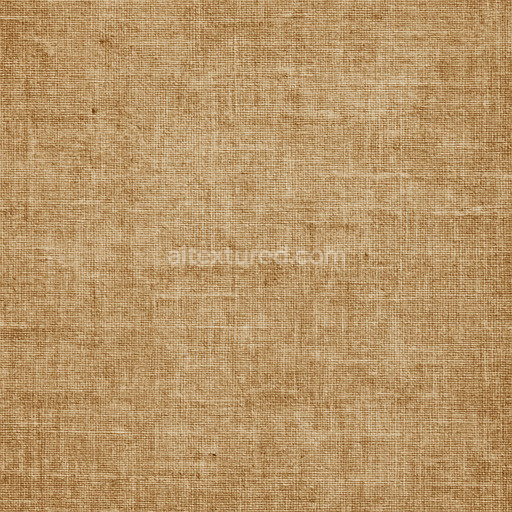
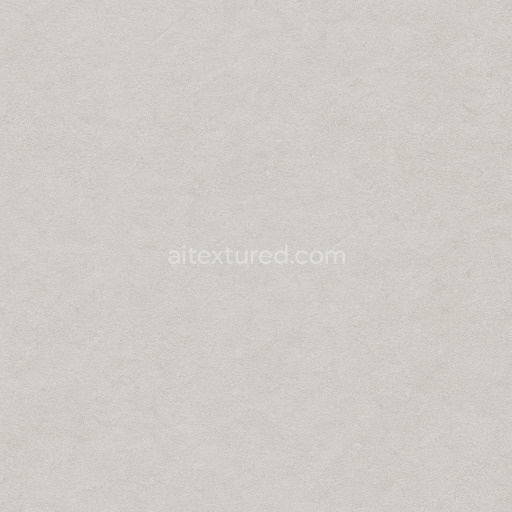
The Patterned Cotton Seamless Texture is a meticulously crafted generated material designed to replicate the natural intricacies of cotton fabric with a repeating patterned motif. This texture is based on an organic soft polymer substrate characteristic of woven cotton fibers featuring fine interlaced threads that create subtle variations in grain orientation and surface porosity. The pattern is carefully balanced with natural colorants resembling cotton's off-white and muted earth tones enhanced by gentle pigment layering that mimics fabric dye absorption. The surface finish is matte and slightly textured reflecting the inherent softness and slight roughness typical of untreated cotton textiles without any artificial gloss or metallic elements.
In PBR workflows this tileable patterned cotton seamless texture maps its BaseColor/Albedo channel to display the detailed coloration and patterning of the fabric including subtle shading from fiber bundles and pigment variations. The Normal map captures the delicate weave and thread elevation providing depth and tactile realism. Roughness values are tuned to emphasize the soft non-reflective surface balancing diffuse light scattering with controlled micro-roughness that prevents any artificial shine. The Metallic channel remains at zero consistent with the non-metallic organic nature of cotton. Ambient Occlusion subtly enhances the fiber crevices and pattern recesses to reinforce realism while the Height/Displacement map offers fine surface relief to simulate the cotton weave’s tactile structure accurately.
This high-resolution texture comes in up to 8K resolution ensuring crisp detail suitable for close-up renders and large-scale applications. It is fully seamless and tileable allowing users to cover extensive surfaces without visible repetition artifacts. The file is compatible with major 3D engines such as Blender Unity and Unreal Engine requiring minimal setup to integrate into your materials library. This versatility makes it ideal for architectural visualization game environments product mockups and interior staging where realistic fabric representation is key.
For optimal results it is recommended to adjust the UV scale to match the fabric’s natural thread size and to fine-tune the roughness intensity based on your scene’s lighting rig to maintain a believable cotton appearance. Enhancing the normal or height map strength can also improve tactile feedback in close-up views helping the patterned cotton seamless texture blend seamlessly into your projects with authentic depth and softness.
The PBR texture patterned cotton seamless texture offers a realistic PBR appearance with basic-materials textures providing a seamless patterned cotton seamless texture that enhances 3D preview accuracy and detail.
Import the texture maps into Blender with sRGB color space for albedo/base color and Non-Color for normal, roughness, metallic, AO, height, and ORM maps. Connect normal maps through a Normal Map node, then adjust UV scale with a Mapping node so the material repeats naturally on your model.
For the full step-by-step setup, see How to Use Seamless Textures in Blender. Browse related material examples in wood, concrete, and metal.
Yes. This texture is designed as a seamless tileable PBR material, so it can repeat across large surfaces without visible borders.
Use the download controls on this page: they expose the available PNG, WEBP or engine ZIP choices and supported resolutions for this asset.
Use the engine ZIP choices to package compatible source maps for Blender, Unreal Engine or Unity, then verify the imported material in the target application.
Commercial-use permission is not verified for this record. Confirm the original source and license before production use.


Generate maps from existing images, preview materials, convert channels, and package compatible inputs for Blender, Unity, and Unreal Engine.
Choose a verified workflow for generating maps, previewing tiling, converting channels, or starting from the texture catalog.
Derive Normal, Roughness, AO, Metallic, Height and optional ORM maps from one or more source images, then review the results.
Instant WebGL viewer: inspect materials on a sphere, plane, and cube. Check tiling and lighting in real time.
Re-packages maps per engine: Unreal (BaseColor + ORM), Unity (Mask/MetallicSmoothness), Blender (separate channels).
PNG ↔ JPG ↔ SVG: fast convert, SVG rasterize, embed/trace options, quality & background controls.