
Exposed Aggregate Concrete Pavement Texture | Free PBR
Seamless texture (tileable) · PNG, WEBP, PBR ZIP.
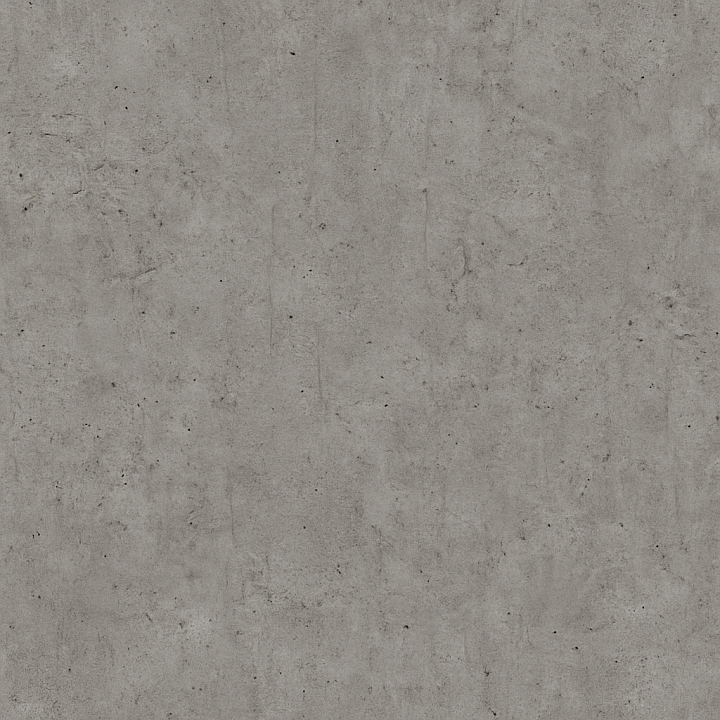
| ID | synthetic-raw-concrete-texture-seamless |
|---|---|
| Category | Concrete |
| Formats | PNG, WEBP, PBR ZIP |
| Size | 1k (1024x1024px), 2k (2048x2048px), 4k (4096x4096px), 8k (8192x8192px) |
| Tileable | Yes |
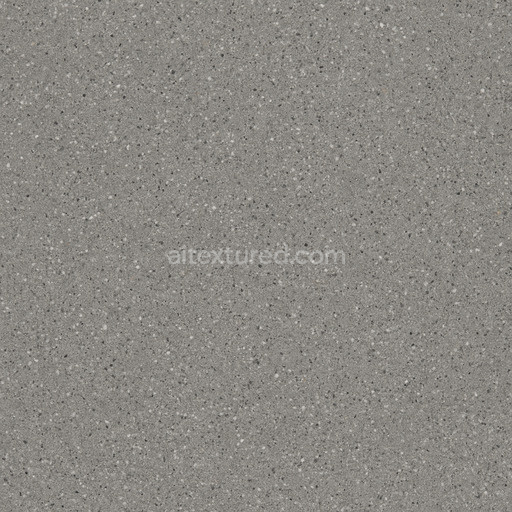
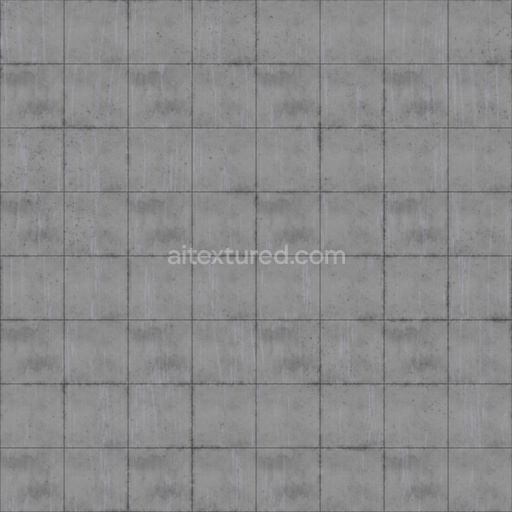
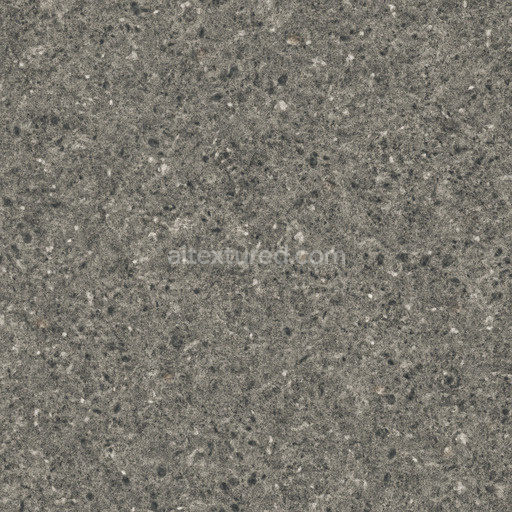
The synthetic raw concrete texture seamless high resolution up to 8K offers an exceptional digital representation of modern concrete surfaces meticulously crafted to capture the material’s fundamental composition and aesthetic nuances. This texture emulates a composite substrate made primarily of mineral aggregates such as crushed stone and sand bound together by synthetic polymer adhesives which replicate the cementitious binder typical of raw concrete. The granular structure subtle porosity and fine micro-cracks are faithfully conveyed highlighting the interplay between coarse grains and finer cement paste. Surface finish is reminiscent of an untreated natural raw concrete—matte with slight roughness and minimal polishing—exhibiting muted gray tones interspersed with faint oxide pigments that add depth and realism. This raw industrial look is ideal for projects aiming to showcase authentic unrefined concrete materials with consistent visual detail across large digital environments.
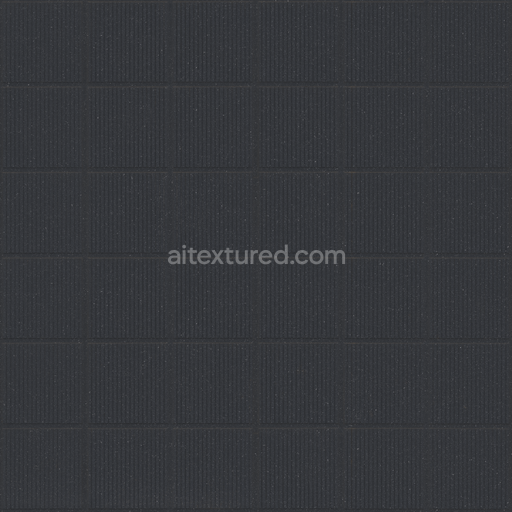
Each PBR channel in this tileable synthetic raw concrete texture seamless high resolution up to 8K is carefully tuned for photorealistic rendering and efficient use in real-time engines like Blender Unreal Engine and Unity. The BaseColor/Albedo map captures the concrete’s subtle color variations and oxide stain patterns without overwhelming saturation while the Normal map accentuates the intricate surface irregularities and aggregate relief enhancing light interaction. The Roughness channel balances the matte slightly abrasive finish typical of raw concrete avoiding overly shiny reflections yet preserving micro-surface variations. The Metallic map remains minimal reflecting concrete’s non-metallic nature and the Ambient Occlusion layer adds realistic shadowing in crevices and pores boosting depth perception. The Height/Displacement map provides measurable surface depth ideal for parallax or tessellation effects further contributing to the material’s tactile authenticity.
Designed with a high resolution up to 8K this synthetic raw concrete texture seamless high resolution up to 8K supports expansive coverage without loss of clarity or repetition artifacts making it perfect for cinematic renders architectural visualizations level dressing and detailed material studies. Its seamless tiling allows for effortless integration into vast environments maintaining consistent detail and realism. For optimal results it is recommended to adjust the UV scale to suit the project’s spatial context and to subtly combine this texture with an ambient occlusion pass and a light normal detail overlay. This approach enhances surface breakup adding natural complexity without oversharpening or artificial appearance thereby accelerating iteration loops and streamlining workflow.
This seamless synthetic raw concrete texture offers a high resolution up to 8K with realistic concrete textures and a generated PBR appearance allowing for a detailed 3D preview of the material’s synthetic raw concrete texture seamless high resolution up to 8K quality.
Import the texture maps into Blender with sRGB color space for albedo/base color and Non-Color for normal, roughness, metallic, AO, height, and ORM maps. Connect normal maps through a Normal Map node, then adjust UV scale with a Mapping node so the material repeats naturally on your model.
For the full step-by-step setup, see How to Use Seamless Textures in Blender. Browse related material examples in wood, concrete, and metal.
Yes. This texture is designed as a seamless tileable PBR material, so it can repeat across large surfaces without visible borders.
Use the download controls on this page: they expose the available PNG, WEBP or engine ZIP choices and supported resolutions for this asset.
Use the engine ZIP choices to package compatible source maps for Blender, Unreal Engine or Unity, then verify the imported material in the target application.
Commercial-use permission is not verified for this record. Confirm the original source and license before production use.

Generate maps from existing images, preview materials, convert channels, and package compatible inputs for Blender, Unity, and Unreal Engine.
Choose a verified workflow for generating maps, previewing tiling, converting channels, or starting from the texture catalog.
Derive Normal, Roughness, AO, Metallic, Height and optional ORM maps from one or more source images, then review the results.
Instant WebGL viewer: inspect materials on a sphere, plane, and cube. Check tiling and lighting in real time.
Re-packages maps per engine: Unreal (BaseColor + ORM), Unity (Mask/MetallicSmoothness), Blender (separate channels).
PNG ↔ JPG ↔ SVG: fast convert, SVG rasterize, embed/trace options, quality & background controls.