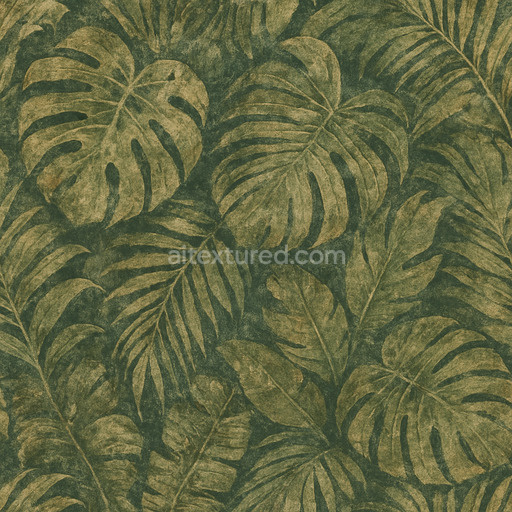
Leaf Generator | Free PBR
Seamless texture (tileable) · PNG, WEBP, PBR ZIP.
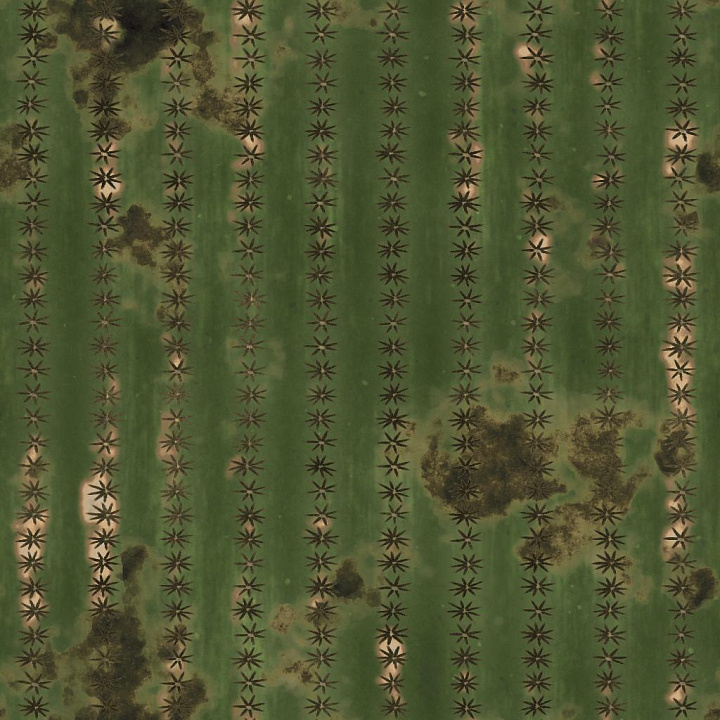
| ID | spiky-cactus-with-spines-texture-free-pbr |
|---|---|
| Category | Foliage |
| Formats | PNG, WEBP, PBR ZIP |
| Size | 1k (1024x1024px), 2k (2048x2048px), 4k (4096x4096px), 8k (8192x8192px) |
| Tileable | Yes |
This seamless Spiky Cactus with Spines texture expertly captures the organic complexity and detailed composition of natural cactus surfaces, emphasizing its distinctive blend of a tough, fibrous base substrate layered with sharp, elongated spines. The material primarily reflects an organic polymer-like structure, enriched with embedded cellulose fibers that provide essential rigidity and resilience to the cactus skin. The surface displays a slightly porous and weathered finish, a result of prolonged exposure to arid, sun-drenched conditions. The coloration is characterized by subtle green pigments combined with natural browning and ochre oxide layers, faithfully replicating the varied tones and weathering patterns found in real cactus spines and skin, which significantly enhances the tactile realism of this texture in digital environments.
From a physically based rendering (PBR) perspective, the BaseColor/Albedo channel accurately conveys the muted green hues interspersed with lighter, almost translucent spine highlights, mirroring the organic color variation in cactus skin and spines. The Normal map captures the fine ridges, sharp protrusions, and intricate surface relief of the spines, adding depth and tactile detail that responds naturally to lighting. Roughness values are carefully balanced to reflect the matte, slightly rough epidermis of the cactus body contrasted with the smoother, glossier surfaces of the spines. The Metallic channel remains near zero, consistent with the non-metallic, organic nature of cactus material. Ambient Occlusion enhances the subtle shadows formed between the densely packed spines, increasing visual depth and realism. Additionally, the Height/Displacement map emphasizes the pronounced geometry of the spikes, making it ideal for parallax occlusion effects in real-time rendering engines.
Rendered at a high resolution of 1024x1024, this free generated PBR texture is optimized for seamless tiling and is fully compatible with leading 3D software platforms including Blender, Unreal Engine, and Unity. The texture’s resolution supports clarity and fine details even when scaled up to 8K, ensuring suitability for high-end design visualization and game development projects. For best application results, adjusting the UV scale is recommended to minimize visible repetition, while fine-tuning roughness parameters can help balance the contrast between the matte cactus skin and the glossier spines. Leveraging the Height map for parallax occlusion mapping will further enhance the realistic impression of sharp, protruding spines within interactive scenes or immersive digital environments.
Download a seamless Spiky Cactus with Spines texture, a free generated PBR material (1024x1024) ideal for realistic design and game applications.
Import the texture maps into Blender with sRGB color space for albedo/base color and Non-Color for normal, roughness, metallic, AO, height, and ORM maps. Connect normal maps through a Normal Map node, then adjust UV scale with a Mapping node so the material repeats naturally on your model.
For the full step-by-step setup, see How to Use Seamless Textures in Blender. Browse related material examples in wood, concrete, and metal.
Yes. This texture is designed as a seamless tileable PBR material, so it can repeat across large surfaces without visible borders.
Use the download controls on this page: they expose the available PNG, WEBP or engine ZIP choices and supported resolutions for this asset.
Use the engine ZIP choices to package compatible source maps for Blender, Unreal Engine or Unity, then verify the imported material in the target application.
Commercial-use permission is not verified for this record. Confirm the original source and license before production use.
Generate maps from existing images, preview materials, convert channels, and package compatible inputs for Blender, Unity, and Unreal Engine.
Choose a verified workflow for generating maps, previewing tiling, converting channels, or starting from the texture catalog.
Derive Normal, Roughness, AO, Metallic, Height and optional ORM maps from one or more source images, then review the results.
Instant WebGL viewer: inspect materials on a sphere, plane, and cube. Check tiling and lighting in real time.
Re-packages maps per engine: Unreal (BaseColor + ORM), Unity (Mask/MetallicSmoothness), Blender (separate channels).
PNG ↔ JPG ↔ SVG: fast convert, SVG rasterize, embed/trace options, quality & background controls.