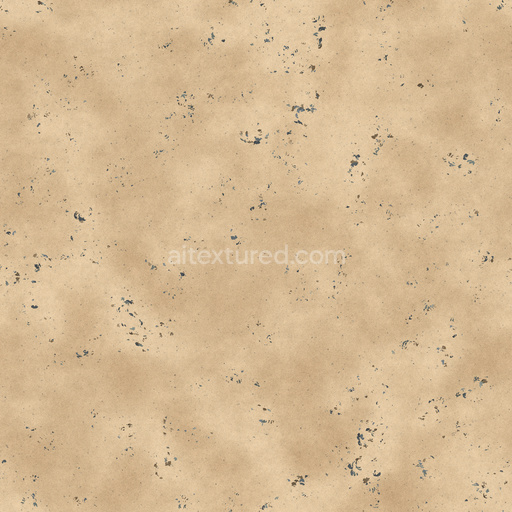
Sand Ground with Wavy Pattern | Free PBR
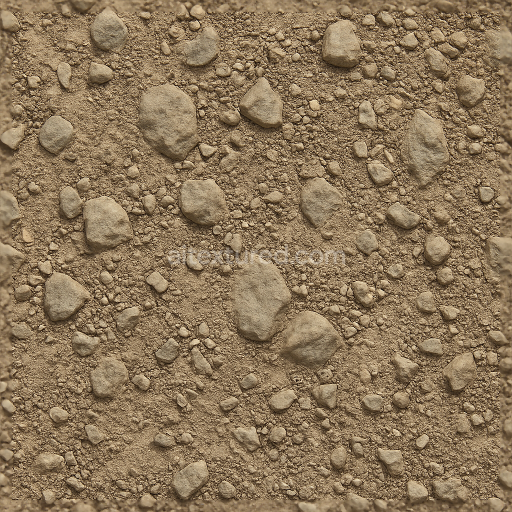
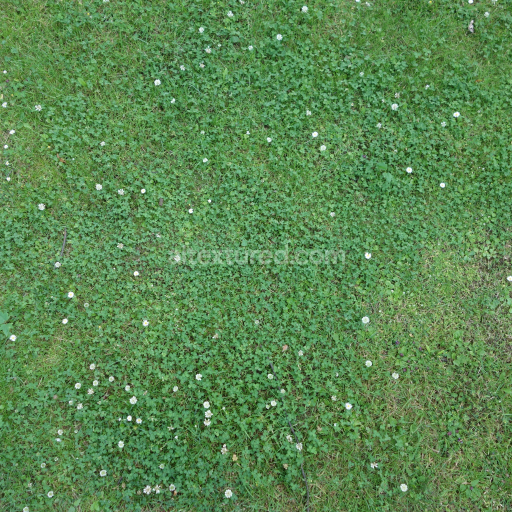
Seamless texture (tileable) · PNG, WEBP, PBR ZIP.
| ID | dry-straw-grass-hay-texture-free-pbr |
|---|---|
| Category | Ground surface |
| Formats | PNG, WEBP, PBR ZIP |
| Size | 1k (1024x1024px), 2k (2048x2048px), 4k (4096x4096px), 8k (8192x8192px) |
| Tileable | Yes |
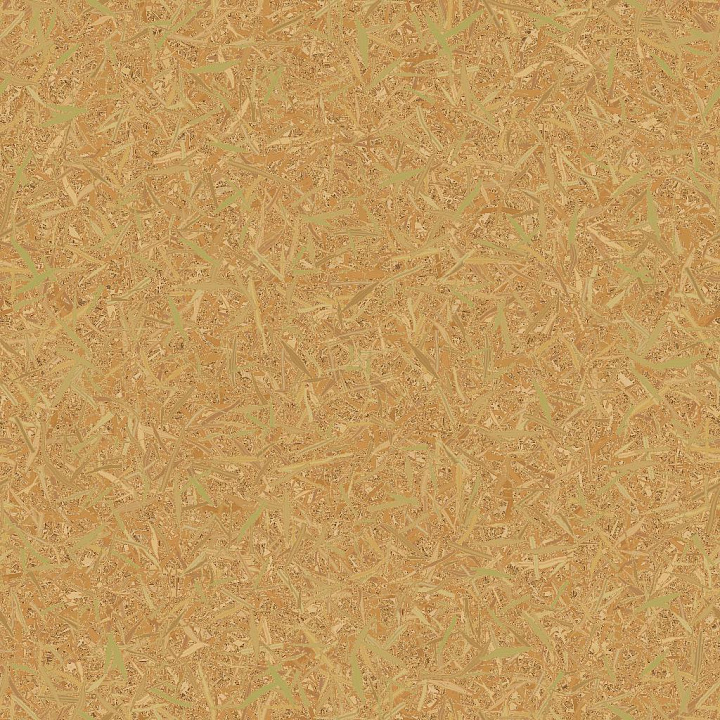
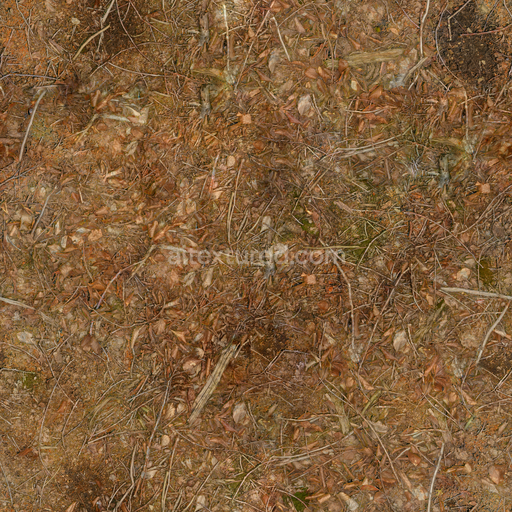
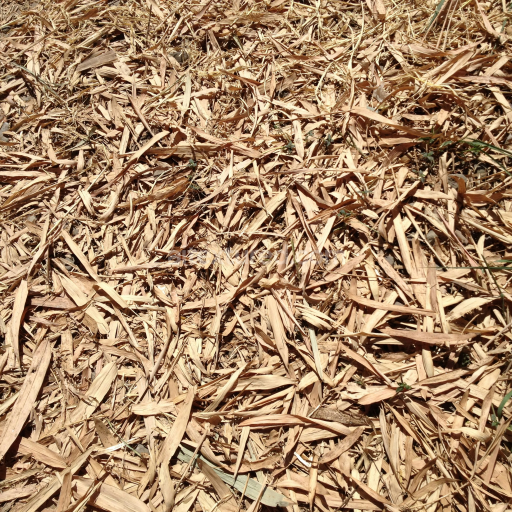
This dry straw grass and hay texture represents an organic material composed primarily of fibrous plant matter, characterized by intertwined, elongated stalks and a naturally rough surface. The base substrate consists of dried grass fibers aligned in varying directions, creating a complex grain orientation that enhances realism. The texture captures the porous and somewhat brittle nature of hay, with subtle weathering effects visible through slight discoloration and uneven edges. The surface finish is matte and irregular, reflecting the natural, unpolished state of agricultural straw without any artificial coatings or adhesives, highlighting its raw, organic composition.
In the physically based rendering (PBR) channels, this texture excels in realism and detail. The BaseColor (Albedo) map displays a warm palette of golden yellows, tans, and light browns, conveying the characteristic hues of dried grass. The Normal map enhances the fibrous surface structure, emphasizing depth and the complex layering of straw strands. Roughness is moderately high to replicate the dry, coarse feel, while the Metallic channel remains near zero, as organic matter contains no metal content. Ambient Occlusion subtly defines crevices and overlapping fibers, improving shadow detail. Height and Displacement maps provide fine elevation differences to simulate the uneven surface typical of hay piles and bundles.
Rendered at an impressive 8K resolution, this texture is optimized for seamless tiling and is fully compatible with major rendering engines such as Blender, Unreal Engine, and Unity. It supports high-quality real-time and offline workflows, making it ideal for agricultural scenes, rustic environments, and natural material visualizations. For optimal results, adjust the UV scale to maintain the natural size of straw fibers and tune roughness values slightly higher in close-up shots to emphasize the dry, fibrous texture. Incorporating parallax or height displacement can significantly enhance depth perception, especially when viewed from oblique angles.
Import the texture maps into Blender with sRGB color space for albedo/base color and Non-Color for normal, roughness, metallic, AO, height, and ORM maps. Connect normal maps through a Normal Map node, then adjust UV scale with a Mapping node so the material repeats naturally on your model.
For the full step-by-step setup, see How to Use Seamless Textures in Blender. Browse related material examples in wood, concrete, and metal.
Yes. This texture is designed as a seamless tileable PBR material, so it can repeat across large surfaces without visible borders.
Use the download controls on this page: they expose the available PNG, WEBP or engine ZIP choices and supported resolutions for this asset.
Use the engine ZIP choices to package compatible source maps for Blender, Unreal Engine or Unity, then verify the imported material in the target application.
Commercial-use permission is not verified for this record. Confirm the original source and license before production use.
Generate maps from existing images, preview materials, convert channels, and package compatible inputs for Blender, Unity, and Unreal Engine.
Choose a verified workflow for generating maps, previewing tiling, converting channels, or starting from the texture catalog.
Derive Normal, Roughness, AO, Metallic, Height and optional ORM maps from one or more source images, then review the results.
Instant WebGL viewer: inspect materials on a sphere, plane, and cube. Check tiling and lighting in real time.
Re-packages maps per engine: Unreal (BaseColor + ORM), Unity (Mask/MetallicSmoothness), Blender (separate channels).
PNG ↔ JPG ↔ SVG: fast convert, SVG rasterize, embed/trace options, quality & background controls.