
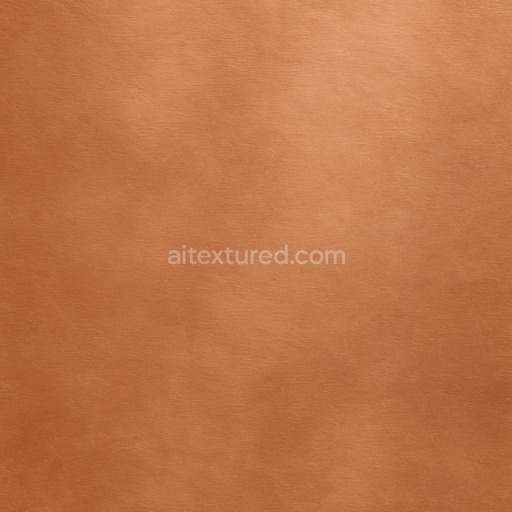
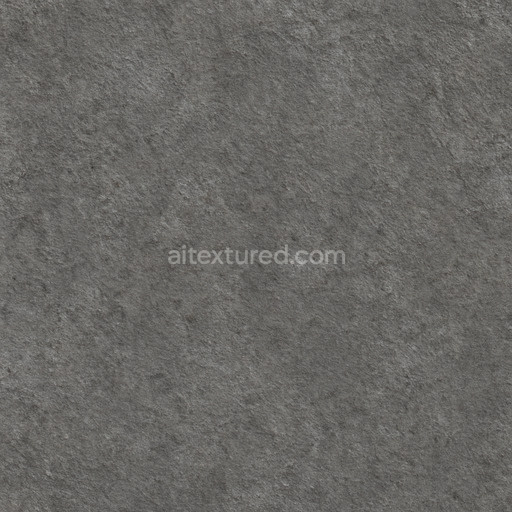
Worn Aluminum Metal | Free PBR
Seamless texture (tileable) · PNG, WEBP, PBR ZIP.
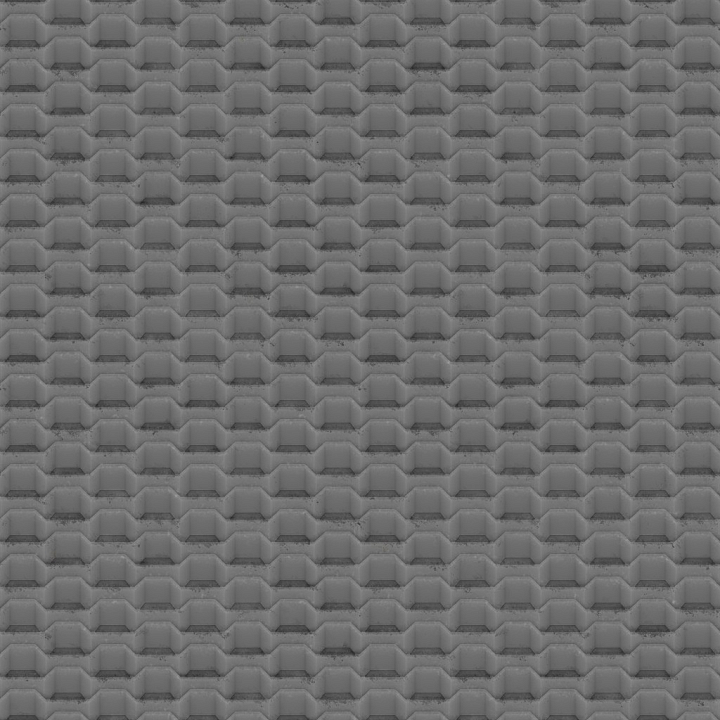
| ID | archviz-grill-metal-plate-sci-scifi-substance |
|---|---|
| Category | Metal |
| Formats | PNG, WEBP, PBR ZIP |
| Size | 1k (1024x1024px), 2k (2048x2048px), 4k (4096x4096px), 8k (8192x8192px) |
| Tileable | Yes |
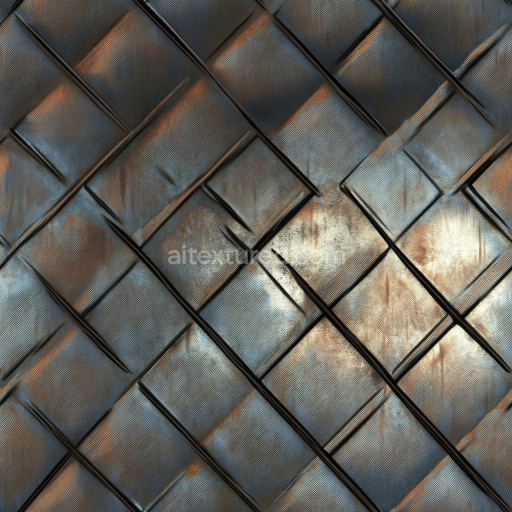
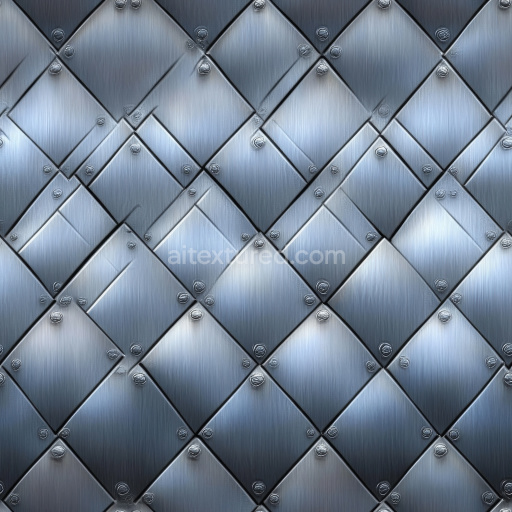
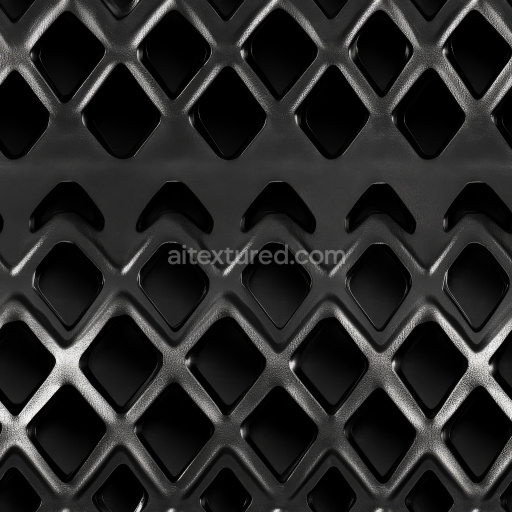
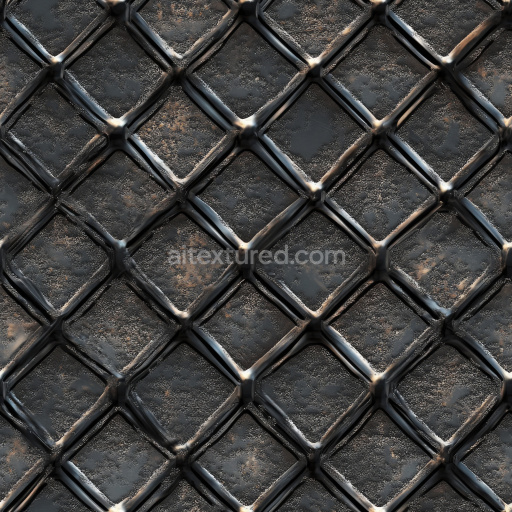
This Archviz Grill Metal Plate Sci Scifi Substance is a meticulously crafted seamless PBR texture designed specifically for physically based rendering workflows. The material simulates a futuristic metal plate commonly found in sci-fi environments featuring a durable metallic base substrate with a finely detailed surface finish evocative of brushed and slightly oxidized steel. The composition includes subtle grain orientation and minor weathering effects that add realism without compromising the seamless tileability. Colorants in the form of oxide layers and light corrosion impart a consistent but complex color response enabling a rich base color that translates naturally across different lighting conditions. This texture set contains all essential PBR maps—BaseColor/Albedo Normal Roughness Metallic Ambient Occlusion and Height/Displacement—carefully calibrated to replicate the intricate interplay of light on metal surfaces including micro-scratches and subtle surface imperfections.
Each map in this Substance Designer-created texture contributes to the material’s authenticity: the BaseColor channel presents a true-to-life metallic hue with sci-fi-inspired accents while the Normal map emphasizes fine surface details and grain directionality. The Roughness map controls the finish’s reflectivity balancing polished highlights with matte weathered patches to simulate realistic wear. Meanwhile the Metallic channel defines the metal’s conductive properties ensuring accurate light reflection typical of engineered plates. Ambient Occlusion enhances depth perception by darkening crevices and edges and the Height/Displacement map adds dimensionality for advanced rendering techniques promoting enhanced realism in close-up views. This texture is curated for high performance and visual fidelity at resolutions up to 8K making it ideal for demanding archviz scenes real-time applications and offline rendering pipelines.
Optimized for seamless tiling this material is fully compatible with popular engines and software such as Blender Unreal Engine and Unity. When integrating this grill metal plate texture into your project it’s recommended to verify your color space and gamma settings to maintain consistency with your workflow. For best results in sci-fi or architectural visualization projects adjust the UV scale to prevent repetition artifacts and fine-tune the roughness map to achieve the desired balance between gloss and wear. The height map can be subtly enhanced to simulate realistic parallax effects without compromising performance. This versatile texture is suitable for a wide range of applications from detailed close-ups in visualization to expansive surfaces in game environments providing a high-quality foundation for any metal surface representation.
Import the texture maps into Blender with sRGB color space for albedo/base color and Non-Color for normal, roughness, metallic, AO, height, and ORM maps. Connect normal maps through a Normal Map node, then adjust UV scale with a Mapping node so the material repeats naturally on your model.
For the full step-by-step setup, see How to Use Seamless Textures in Blender. Browse related material examples in wood, concrete, and metal.
Yes. This texture is designed as a seamless tileable PBR material, so it can repeat across large surfaces without visible borders.
Use the download controls on this page: they expose the available PNG, WEBP or engine ZIP choices and supported resolutions for this asset.
Use the engine ZIP choices to package compatible source maps for Blender, Unreal Engine or Unity, then verify the imported material in the target application.
Commercial-use permission is not verified for this record. Confirm the original source and license before production use.
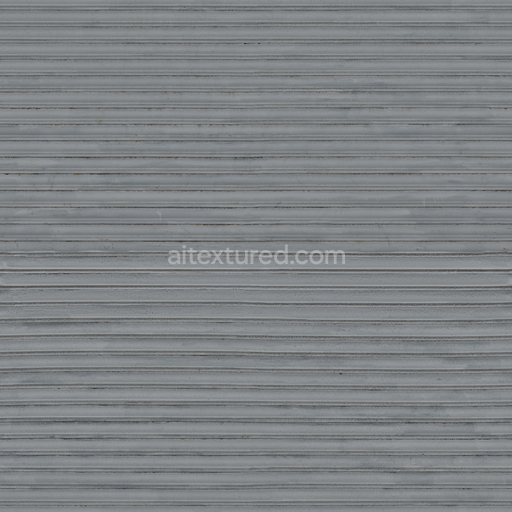
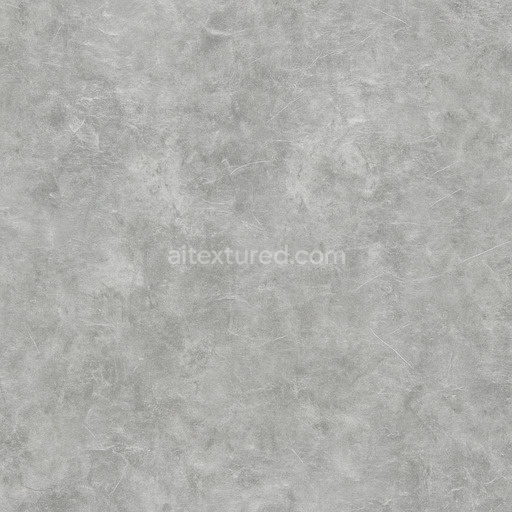
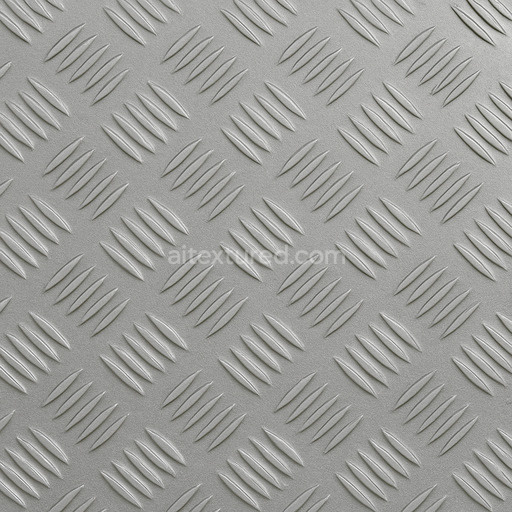

Generate maps from existing images, preview materials, convert channels, and package compatible inputs for Blender, Unity, and Unreal Engine.
Choose a verified workflow for generating maps, previewing tiling, converting channels, or starting from the texture catalog.
Derive Normal, Roughness, AO, Metallic, Height and optional ORM maps from one or more source images, then review the results.
Instant WebGL viewer: inspect materials on a sphere, plane, and cube. Check tiling and lighting in real time.
Re-packages maps per engine: Unreal (BaseColor + ORM), Unity (Mask/MetallicSmoothness), Blender (separate channels).
PNG ↔ JPG ↔ SVG: fast convert, SVG rasterize, embed/trace options, quality & background controls.