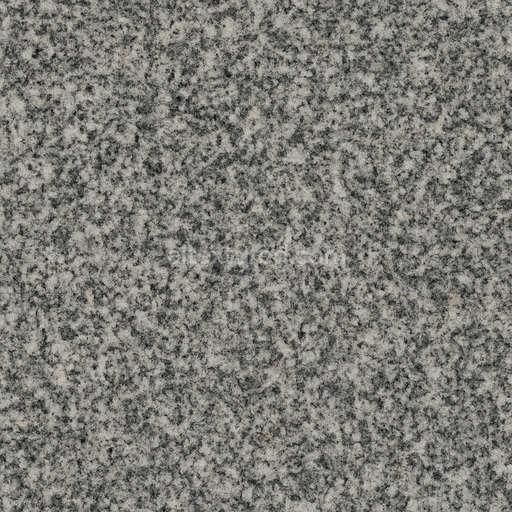
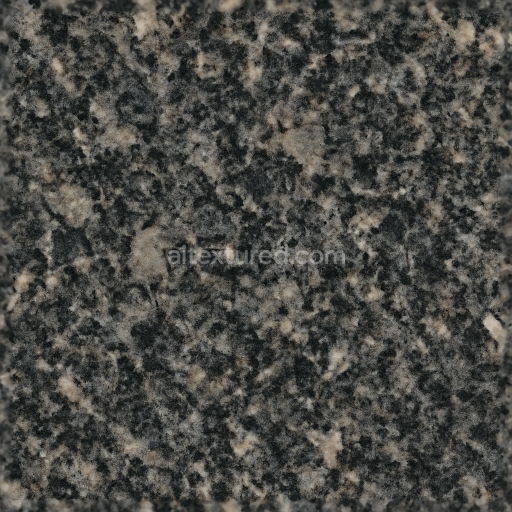
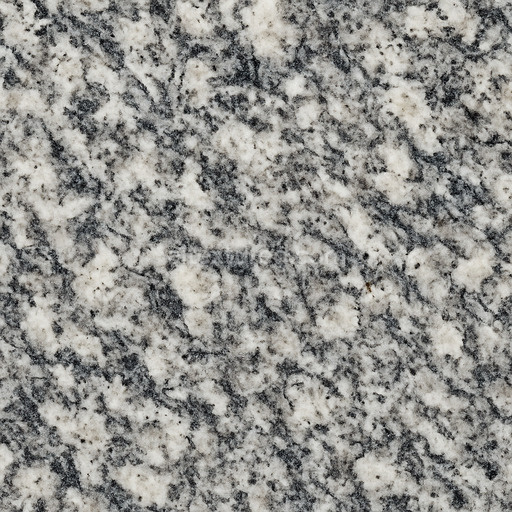
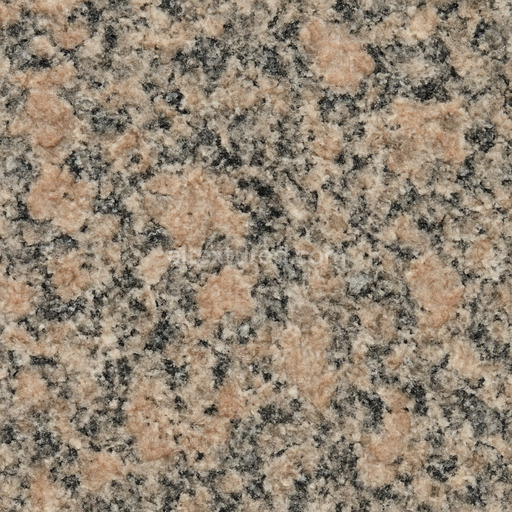
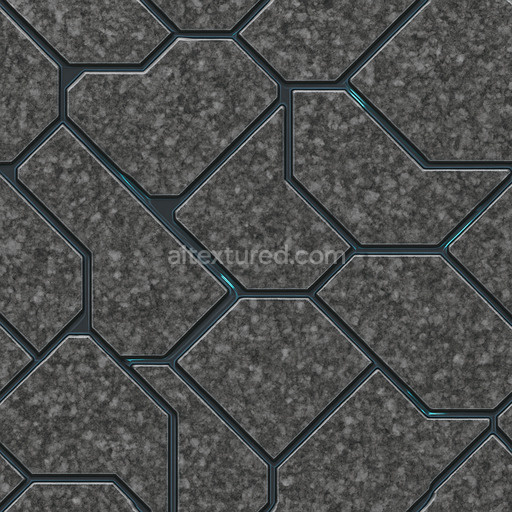
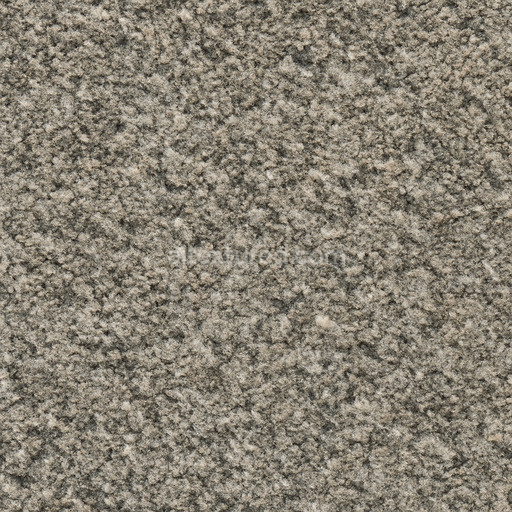
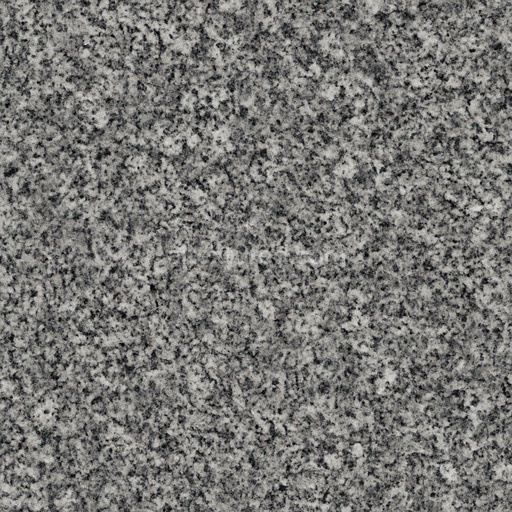
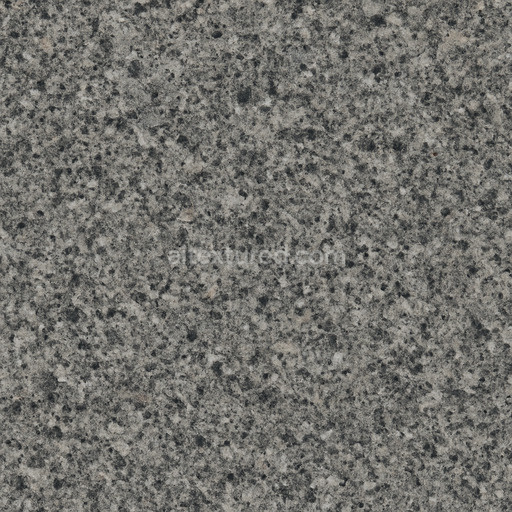
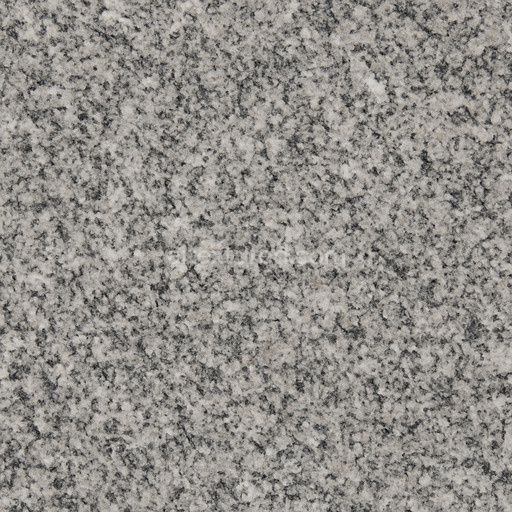
Granite Granite Floor Seamless Texture
Seamless texture (tileable) · PNG, WEBP, PBR ZIP.
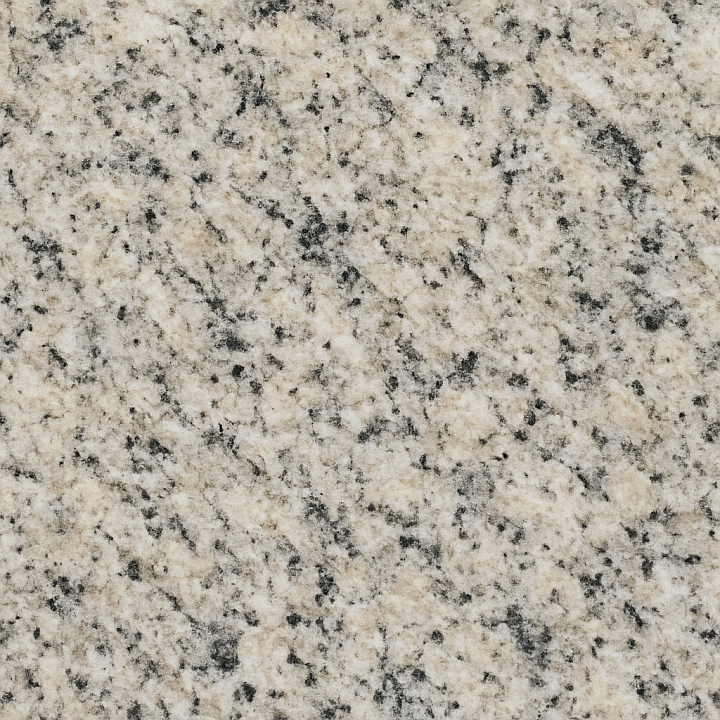
| ID | natural-granite-texture-seamless |
|---|---|
| Category | Granite |
| Formats | PNG, WEBP, PBR ZIP |
| Size | 1k (1024x1024px), 2k (2048x2048px), 4k (4096x4096px), 8k (8192x8192px) |
| Tileable | Yes |
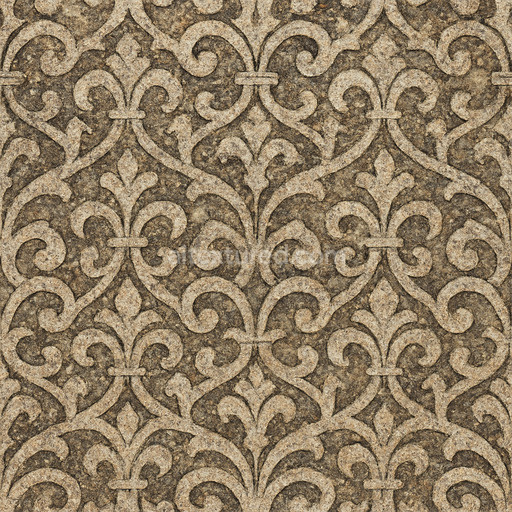
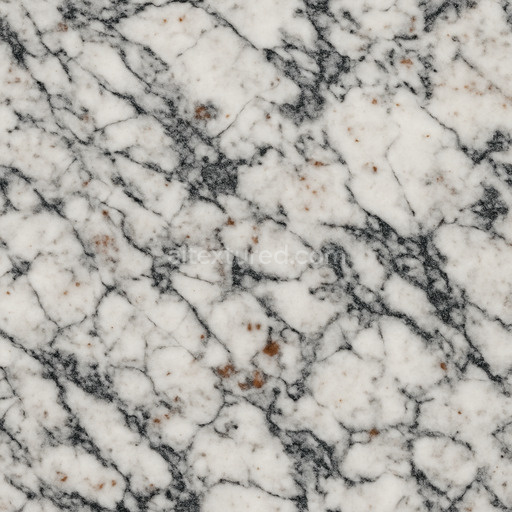
Experience the natural granite texture seamless high resolution up to 8K an expertly crafted generated stone texture that faithfully replicates the authentic complexity and visual richness of natural granite surfaces. This coarse-grained igneous rock is primarily composed of quartz feldspar and mica minerals forming a durable base substrate characterized by tightly interlocking mineral grains. The unique mineral composition includes crystalline aggregates with varying grain orientations and subtle porosity shaped by natural weathering and geological processes. The surface finish of this seamless natural granite texture features a lightly polished slab appearance showcasing intricate mineral patterns and delicate color variations that range from soft grays to warm beige tones. These hues are enriched by natural oxide layers that contribute depth and realism enhancing the stone’s tactile and visual authenticity in any 3D preview or rendering environment.
In terms of physically based rendering (PBR) workflow this tileable natural granite texture seamless high resolution up to 8K excels in delivering a production-ready material with comprehensive channel support. The BaseColor channel captures the nuanced pigments and mineral inclusions faithfully representing the granite’s natural color spectrum. The Normal map emphasizes micro-roughness and crystal grain structure bringing out the subtle surface irregularities inherent in granite’s crystalline composition. The Roughness channel balances polished and matte areas to simulate realistic light reflection without artificial glossiness while the Metallic channel remains neutral to reflect granite’s non-metallic nature. Ambient Occlusion enhances shadows within crevices and grain boundaries adding dimensional depth and visual complexity. Finally the Height or Displacement map subtly conveys the stone’s uneven surface topology and natural fissures enhancing three-dimensional realism in renders. This comprehensive texture setup ensures seamless integration with Blender Unreal Engine and Unity supporting high-fidelity visuals at up to 8k resolution.
For optimal use of this texture natural granite texture seamless high resolution up to 8K it is recommended to carefully adjust the UV scale to match the actual dimensions of granite slabs preserving the natural grain size and maintaining authenticity. Additionally fine-tuning the roughness parameter allows simulation of various surface finishes from honed to lightly polished granite making the material versatile across architectural visualization game environments product mockups and interior staging. Combining this with subtle ambient occlusion and a gentle normal pass enhances surface breakup and micro-detail without introducing harsh highlights ensuring a balanced and natural appearance that elevates any 3D preview or rendering project utilizing stone textures.
Import the texture maps into Blender with sRGB color space for albedo/base color and Non-Color for normal, roughness, metallic, AO, height, and ORM maps. Connect normal maps through a Normal Map node, then adjust UV scale with a Mapping node so the material repeats naturally on your model.
For the full step-by-step setup, see How to Use Seamless Textures in Blender. Browse related material examples in wood, concrete, and metal.
Yes. This texture is designed as a seamless tileable PBR material, so it can repeat across large surfaces without visible borders.
Use the download controls on this page: they expose the available PNG, WEBP or engine ZIP choices and supported resolutions for this asset.
Use the engine ZIP choices to package compatible source maps for Blender, Unreal Engine or Unity, then verify the imported material in the target application.
Commercial-use permission is not verified for this record. Confirm the original source and license before production use.
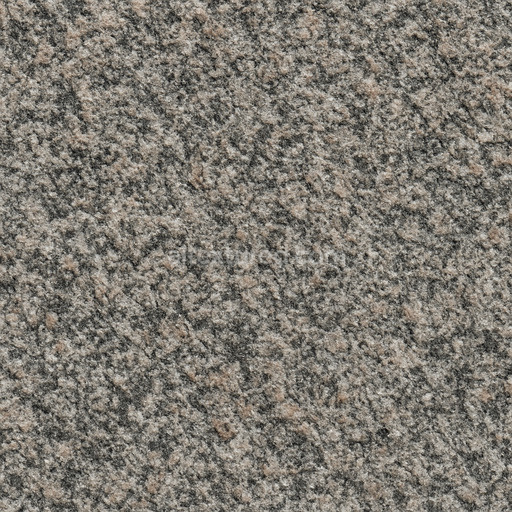
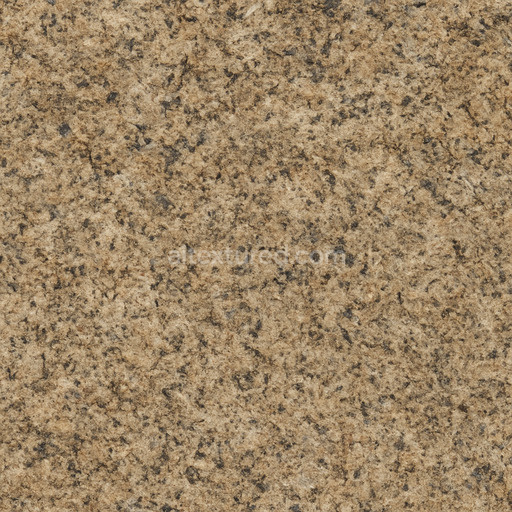

Generate maps from existing images, preview materials, convert channels, and package compatible inputs for Blender, Unity, and Unreal Engine.
Choose a verified workflow for generating maps, previewing tiling, converting channels, or starting from the texture catalog.
Derive Normal, Roughness, AO, Metallic, Height and optional ORM maps from one or more source images, then review the results.
Instant WebGL viewer: inspect materials on a sphere, plane, and cube. Check tiling and lighting in real time.
Re-packages maps per engine: Unreal (BaseColor + ORM), Unity (Mask/MetallicSmoothness), Blender (separate channels).
PNG ↔ JPG ↔ SVG: fast convert, SVG rasterize, embed/trace options, quality & background controls.