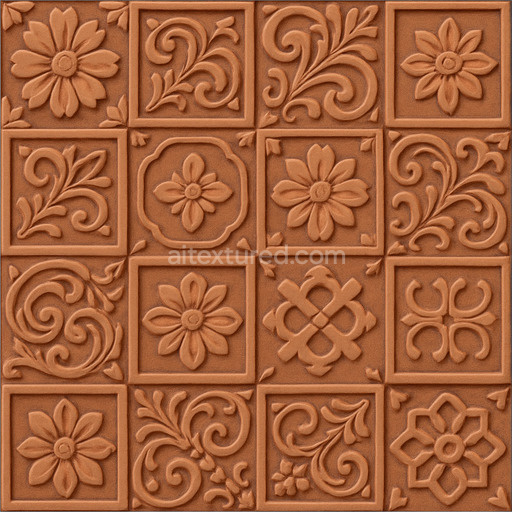
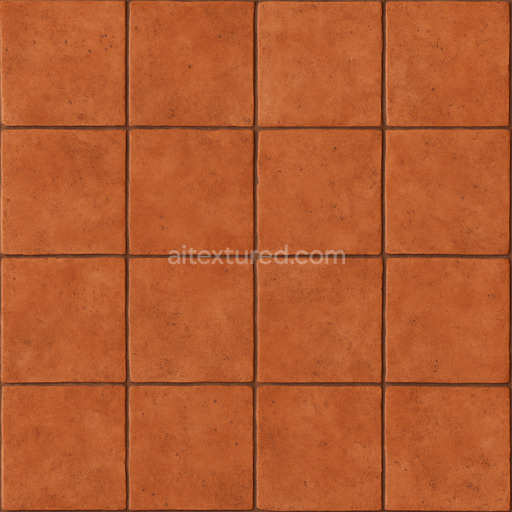
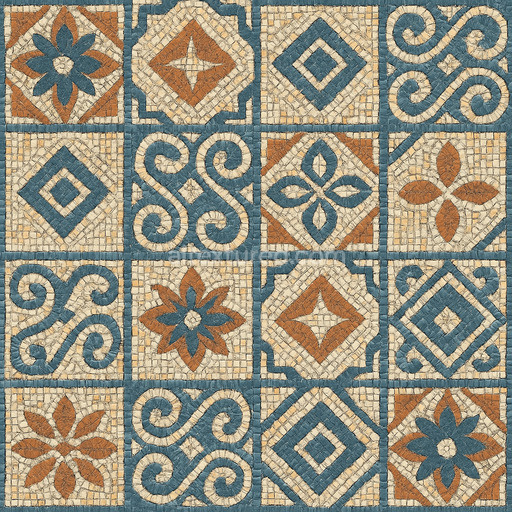
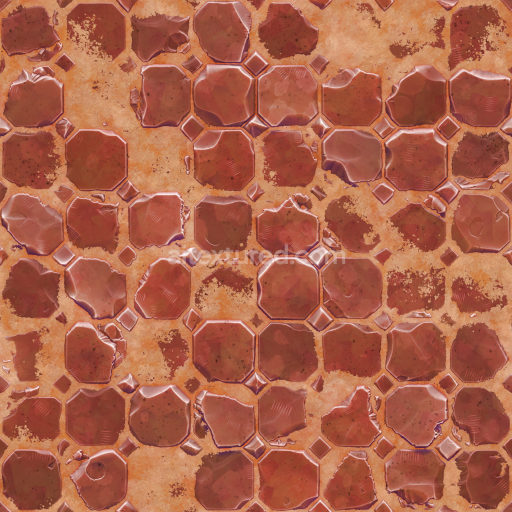
Decorative Terracotta Tile Seamless Texture
Seamless texture (tileable) · PNG, WEBP, PBR ZIP. License: AITextured Free Commercial License (FCL) v1.1. Free personal and commercial use. Raw resale, standalone redistribution, mirroring/scraping, competing asset packs, and AI/ML training are not allowed without written permission. Attribution is not required, but appreciated..
| ID | archviz-ceramic-moroccan-substance-designer-tiles |
|---|---|
| Category | Ceramic-tile |
| Formats | PNG, WEBP, PBR ZIP |
| Size | 1k (1024x1024px), 2k (2048x2048px), 4k (4096x4096px), 8k (8192x8192px) |
| Color | sRGB |
| Tileable | Yes |
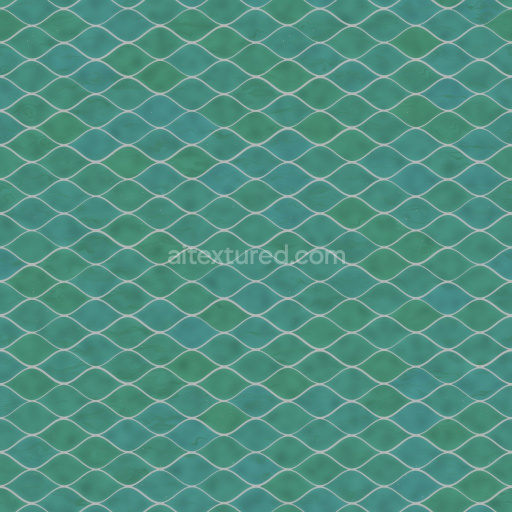
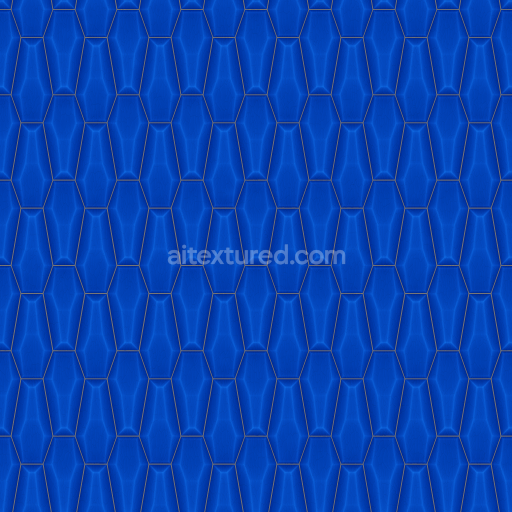
This Archviz Ceramic Moroccan Substance Designer Tiles texture is meticulously engineered to authentically replicate the intricate materiality and composition of traditional Moroccan ceramic tiles. The base substrate emulates a fine-grained ceramic clay body carefully combined with mineral-based binders and natural colorants to achieve a durable weather-resistant surface characterized by subtle porosity. This porous nature typical of genuine ceramic allows for a natural wear pattern over time while maintaining structural integrity. The tile’s pattern showcases an intricate glaze finish that balances a polished yet slightly matte sheen capturing the unique way ceramic oxide pigments interact with layered glazes to produce vibrant consistent colors without any metallic reflections. This nuanced surface finish enhances realism making the texture ideal for high-fidelity architectural visualization projects that demand authentic Moroccan tile aesthetics.
The texture set is fully optimized for physically based rendering (PBR) workflows and includes all essential channels to accurately convey the material’s physical and optical properties. The BaseColor (Albedo) map reveals rich ceramic pigments with subtle tonal variations reflecting the natural mineral-based dyes integrated into the clay body. The Normal map emphasizes the fine relief of the tile’s embossed details and glaze imperfections providing depth and tactile realism. The Roughness channel simulates the semi-glossy surface finish which mimics the interplay between the smooth glaze and the gentle wear caused by environmental exposure. The Metallic map remains minimal true to ceramic’s non-metallic nature while Ambient Occlusion deepens shadows in crevices and grout lines enhancing spatial definition. The Height/Displacement map captures the tile’s raised relief and surface texture contributing to realistic light interaction in both real-time and offline rendering engines.
Rendered at a sharp 8K resolution this seamless PBR texture is tailored for seamless integration into Blender Unreal Engine and Unity environments supporting advanced archviz game development and visualization workflows. For optimal results it is recommended to carefully adjust the UV scale to maintain tile proportions that reflect real-world dimensions ensuring visual accuracy in digital scenes. Additionally fine-tuning the roughness parameter can help balance the polished glaze effect with natural surface wear enhancing the overall authenticity of the Moroccan ceramic tiles during look development. This expertly crafted material offers both quality and versatility making it a reliable choice for designers and artists seeking to bring the timeless beauty of Moroccan ceramic tiles to their architectural visualization projects.
Import the texture maps into Blender with sRGB color space for albedo/base color and Non-Color for normal, roughness, metallic, AO, height, and ORM maps. Connect normal maps through a Normal Map node, then adjust UV scale with a Mapping node so the material repeats naturally on your model.
For the full step-by-step setup, see How to Use Seamless Textures in Blender. Browse related material examples in wood, concrete, and metal.
Yes. This texture is designed as a seamless tileable PBR material, so it can repeat across large surfaces without visible borders.
You can download PNG/WEBP versions and use 1K, 2K, 4K and 8K download options when available on the page.
Yes. The download options and engine-mapped ZIP workflow are designed for Blender, Unreal Engine, Unity Standard, URP and HDRP material pipelines.
Yes. The texture is available under the AITextured free commercial license. Review the license page for redistribution and AI-training restrictions.
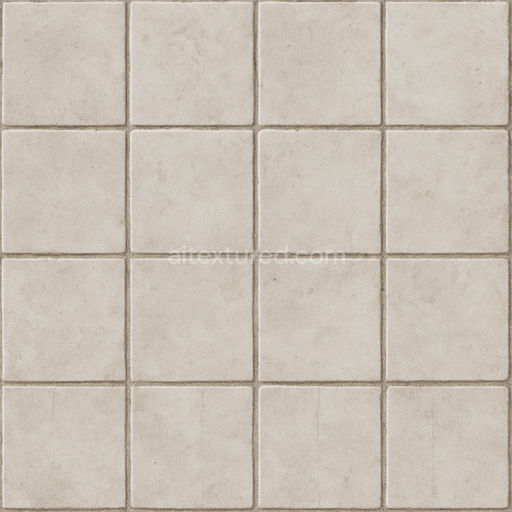
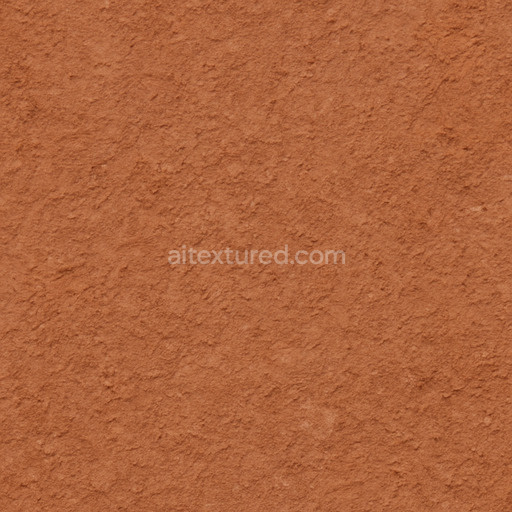
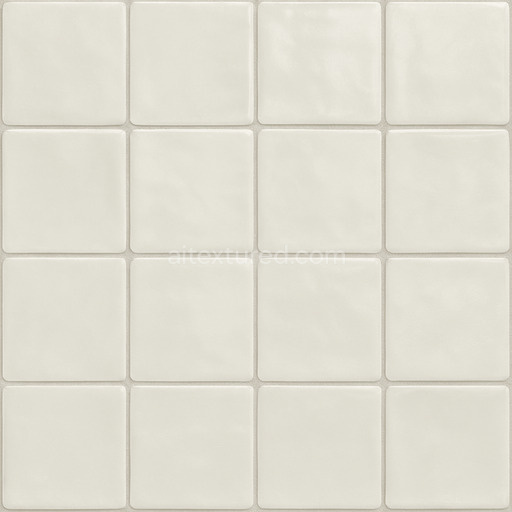
Build, preview, and export seamless PBR materials. Generate full map sets from a single image, inspect them in a real-time WebGL viewer, and re-package maps for Unreal, Unity, and Blender—directly in your browser.
AI text-to-texture: type a prompt and get a seamless, tileable base image ready for PBR workflows (great starting point for materials).
Create a full PBR set (Normal, Roughness, AO, Metallic, etc.) from a single image. Seamless and tiling-friendly.
Instant WebGL viewer: inspect materials on a sphere, plane, and cube. Check tiling and lighting in real time.
Re-packages maps per engine: Unreal (BaseColor + ORM), Unity (Mask/MetallicSmoothness), Blender (separate channels).
PNG ↔ JPG ↔ SVG: fast convert, SVG rasterize, embed/trace options, quality & background controls.