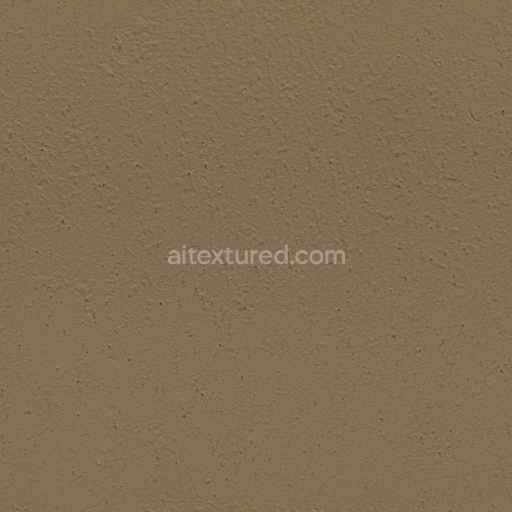
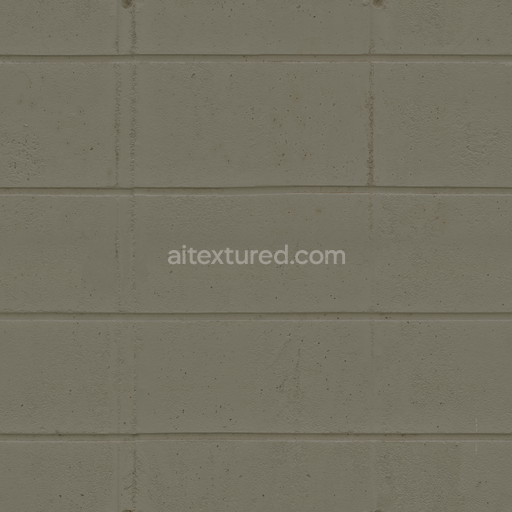
Beige Wall Beige - Wall Plaster Outdoor Beige Painted
Seamless texture (tileable) · PNG, WEBP, PBR ZIP.
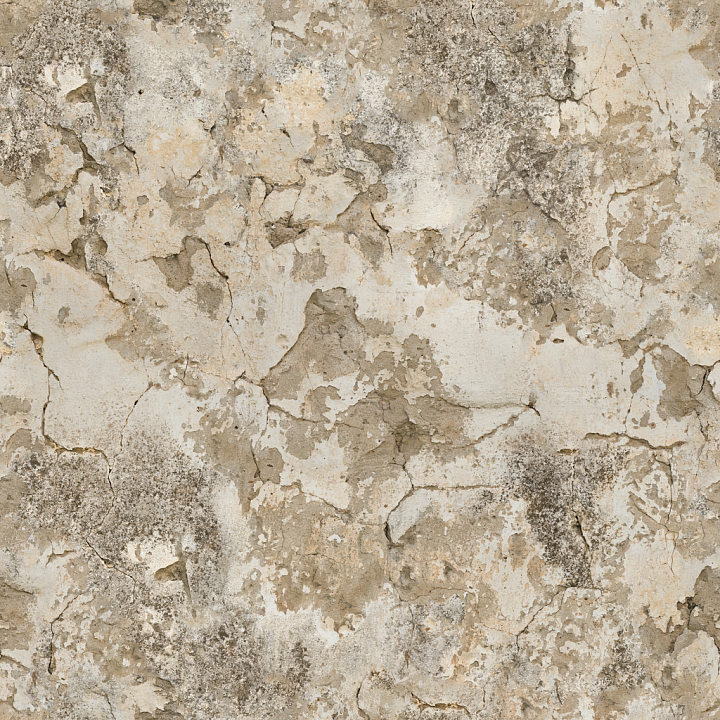
| ID | cracked-concrete-wall-rough-uneven-old-weathered-wall-worn |
|---|---|
| Category | Concrete |
| Formats | PNG, WEBP, PBR ZIP |
| Size | 1k (1024x1024px), 2k (2048x2048px), 4k (4096x4096px), 8k (8192x8192px) |
| Tileable | Yes |
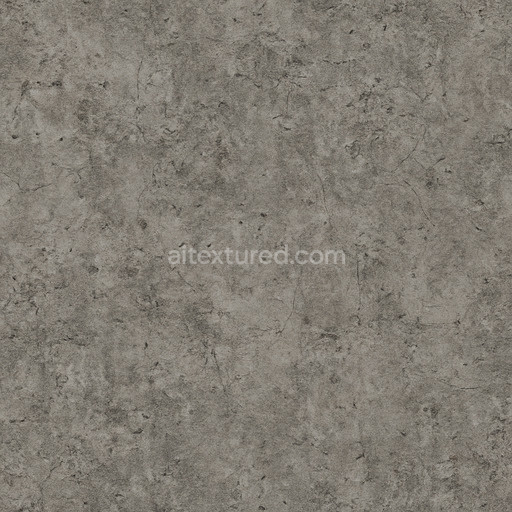
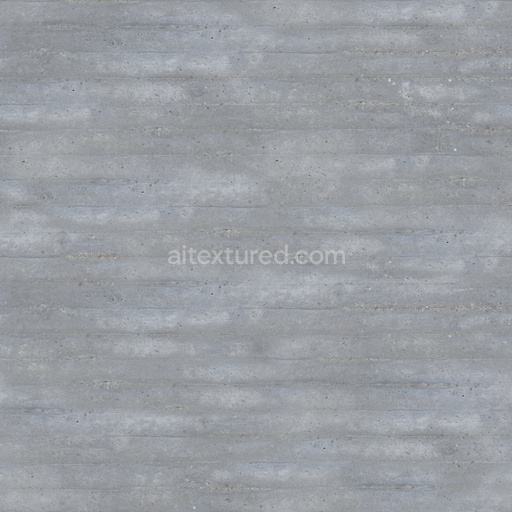
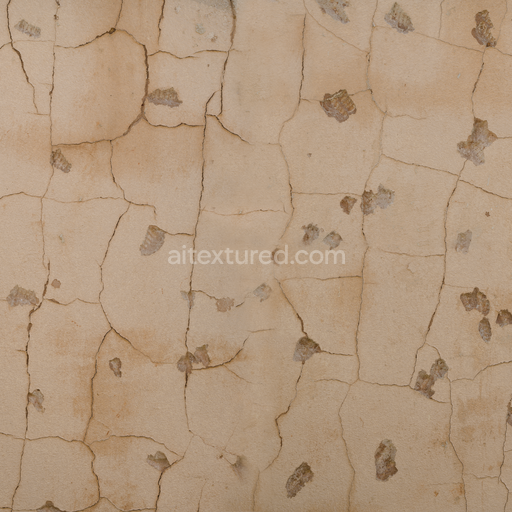
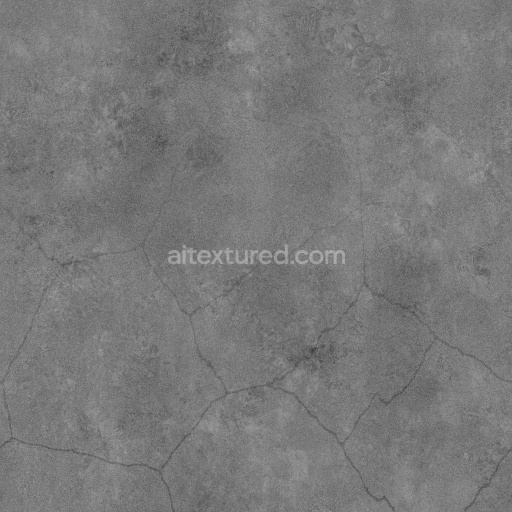
This cracked concrete wall texture captures the intricate details of an old weathered surface showcasing the natural roughness and uneven wear typical of aged plaster and concrete materials. The base substrate consists primarily of mineral aggregates bonded with cementitious binders presenting a porous and chipped structure affected by years of outdoor exposure. The subtle beige and off-white colorants reflect accumulated dirt stains and discoloration while occasional paint remnants and worn plaster layers add depth and realism. Fine cracks and chips reveal the layered composition of the plaster-concrete blend with textural nuances visible in both smooth and rough patches emphasizing the man-made character of the wall. The surface finish appears dry and matte typical of outdoor brick and concrete facades subjected to weathering and environmental stresses.
This physically based rendering (PBR) material includes comprehensive texture maps that faithfully represent these physical and compositional properties. The albedo (BaseColor) map delivers accurate color information highlighting the stained painted and discolored areas to convey the aged appearance. The normal map enhances surface detail by simulating the uneven chipped and cracked relief of the concrete and plaster layers. The roughness channel controls the matte dry finish by varying surface glossiness across worn and intact regions while the height map provides displacement data for subtle depth effects such as cracks and chipped edges. Ambient occlusion enhances shadowing in recessed areas reinforcing the texture’s dimensionality. Metallic values remain minimal or zero reflecting the non-metallic nature of concrete and plaster materials.
Designed for seamless tiling at 4K resolution with an optional 8K upgrade this texture is optimized for high-end rendering pipelines and real-time engines including Blender Unreal Engine and Unity. Its balanced level of detail ensures reliable results across a variety of digital content creation (DCC) tools and game engines without the need for manual adjustments. When applying this cracked concrete wall texture it is recommended to carefully adjust the UV scale to maintain natural proportions and avoid repetition artifacts. Additionally fine-tuning roughness values can enhance realism by emphasizing the differential wear between chipped and smoother areas while leveraging the height map for parallax effects can add convincing depth on close-up surfaces.
Import the texture maps into Blender with sRGB color space for albedo/base color and Non-Color for normal, roughness, metallic, AO, height, and ORM maps. Connect normal maps through a Normal Map node, then adjust UV scale with a Mapping node so the material repeats naturally on your model.
For the full step-by-step setup, see How to Use Seamless Textures in Blender. Browse related material examples in wood, concrete, and metal.
Yes. This texture is designed as a seamless tileable PBR material, so it can repeat across large surfaces without visible borders.
Use the download controls on this page: they expose the available PNG, WEBP or engine ZIP choices and supported resolutions for this asset.
Use the engine ZIP choices to package compatible source maps for Blender, Unreal Engine or Unity, then verify the imported material in the target application.
Commercial-use permission is not verified for this record. Confirm the original source and license before production use.
Generate maps from existing images, preview materials, convert channels, and package compatible inputs for Blender, Unity, and Unreal Engine.
Choose a verified workflow for generating maps, previewing tiling, converting channels, or starting from the texture catalog.
Derive Normal, Roughness, AO, Metallic, Height and optional ORM maps from one or more source images, then review the results.
Instant WebGL viewer: inspect materials on a sphere, plane, and cube. Check tiling and lighting in real time.
Re-packages maps per engine: Unreal (BaseColor + ORM), Unity (Mask/MetallicSmoothness), Blender (separate channels).
PNG ↔ JPG ↔ SVG: fast convert, SVG rasterize, embed/trace options, quality & background controls.