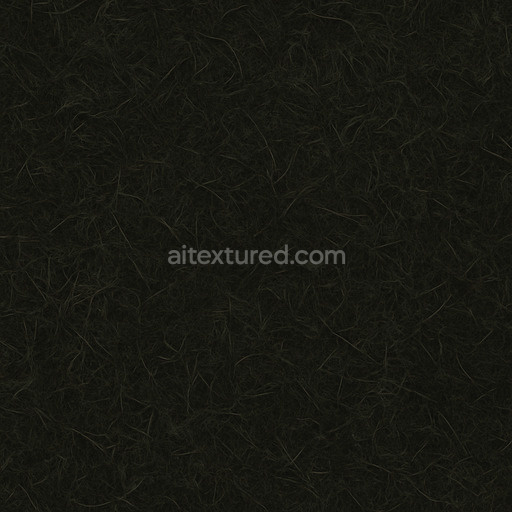
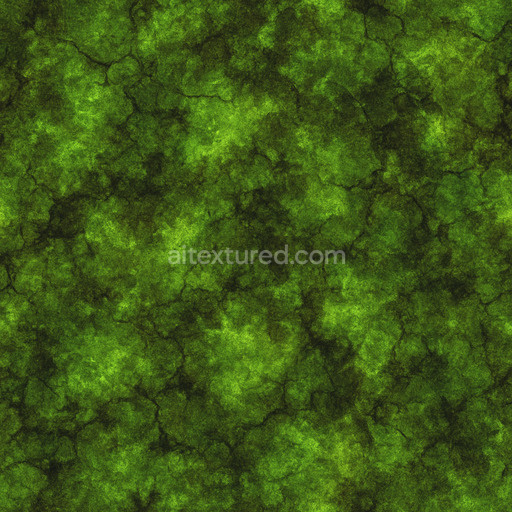
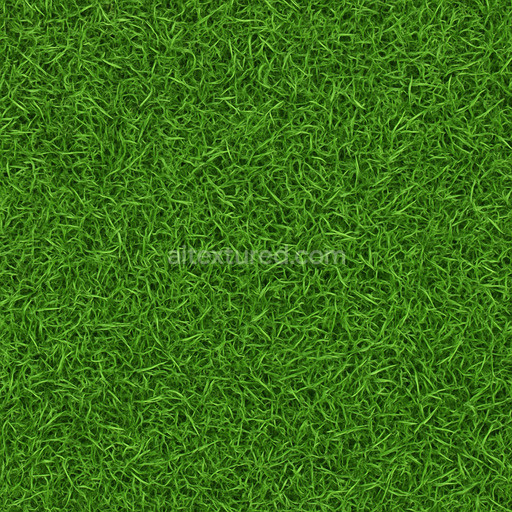
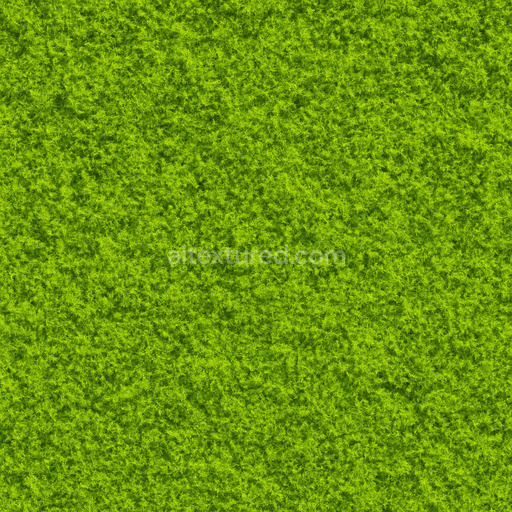
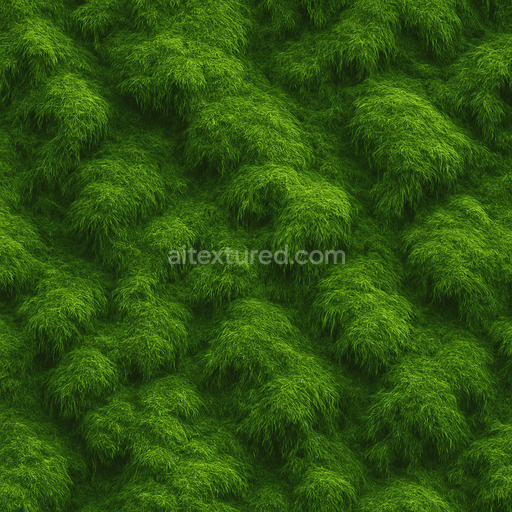
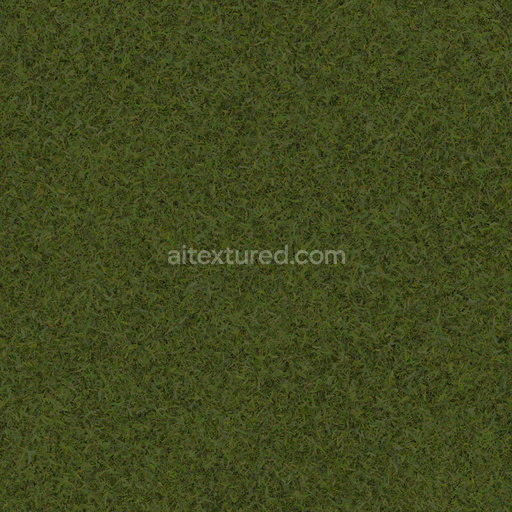
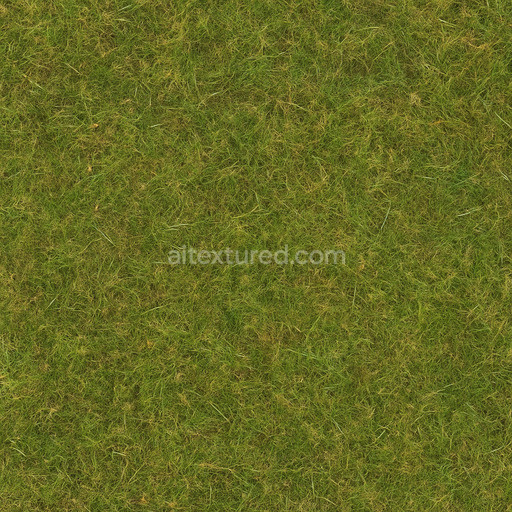
Dark Meadow Texture
Seamless texture (tileable) · PNG, WEBP, PBR ZIP.
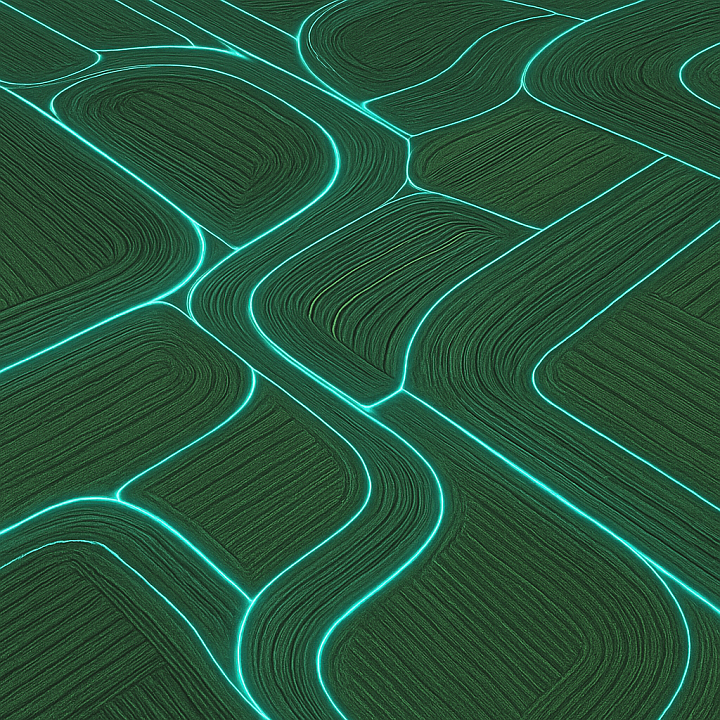
| ID | futuristic-field-texture |
|---|---|
| Category | Grass |
| Formats | PNG, WEBP, PBR ZIP |
| Size | 1k (1024x1024px), 2k (2048x2048px), 4k (4096x4096px), 8k (8192x8192px) |
| Tileable | Yes |
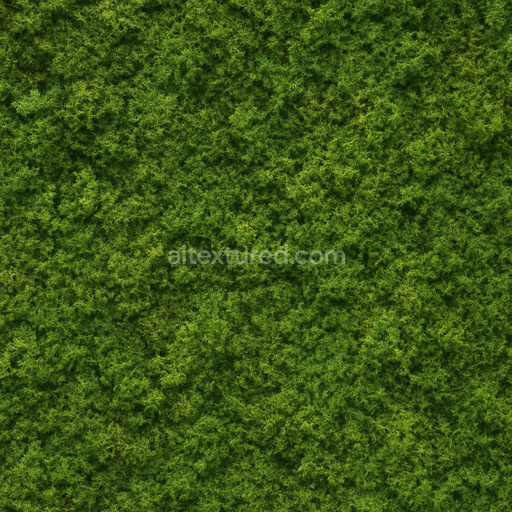
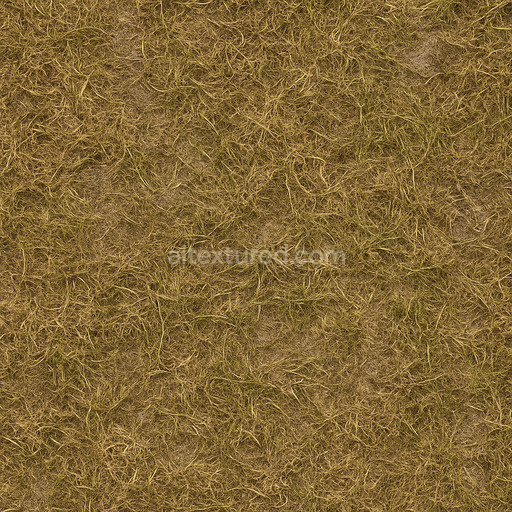
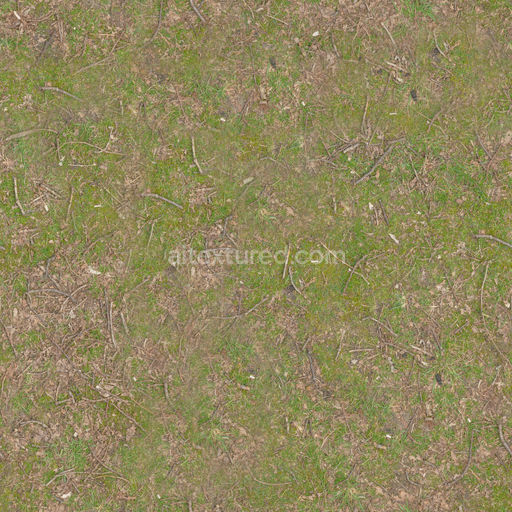
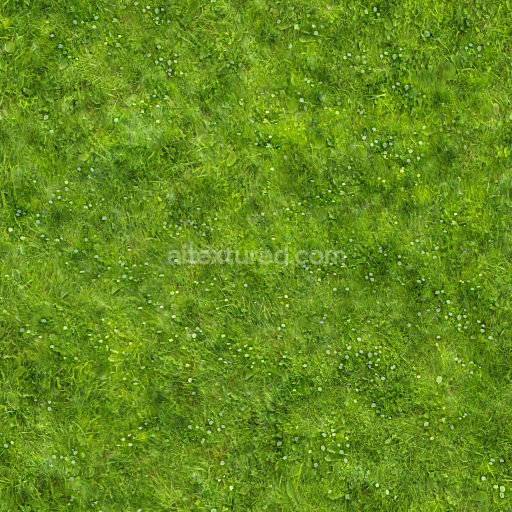
The Futuristic Field Texture is a generated seamless texture crafted to enhance and accelerate your grass-related workflows across 3D applications. This tileable futuristic field texture captures a richly detailed organic substrate mimicking the natural interplay of fine grass blades and soil aggregates with a subtle futuristic twist in its pattern composition. The base surface appears as an intricate blend of organic fibers and micro-grain orientation combined with slight porosity and a softly weathered finish suggesting an advanced yet natural terrain material. Its surface finish balances a matte slightly roughened texture with areas of low specular reflection achieved through carefully calibrated pigment layers and diffuse colorants giving the field a realistic and tactile feel without glossiness. These characteristics translate effectively into physically based rendering (PBR) channels where the BaseColor or Albedo map defines the nuanced green-brown hues of the grass and earth while the Normal map encodes fine surface irregularities and fiber directions. The Roughness map controls the subtle variation between soft diffuse grass blades and firmer soil patches and the Metallic channel remains minimal emphasizing its organic origin. Ambient Occlusion adds depth to creases and overlaps and the Height or Displacement map reinforces surface relief with micro-elevations that suggest natural undulations and layering in the field structure.
Designed with production-ready standards this high-resolution texture reaches up to an 8K resolution ensuring exceptional clarity and detail even on vast terrain surfaces. It integrates seamlessly into popular engines like Blender Unity and Unreal Engine requiring minimal setup to achieve photorealistic results in real-time scenes cinematic renders or level dressing. Its AI-driven generation pipeline prioritizes micro-detail and structural consistency resulting in a pattern that tiles flawlessly without visible seams allowing you to cover extensive areas while preserving visual fidelity and texture uniformity. For optimal results it is recommended to maintain consistent texel density across assets and carefully manage UV scaling to avoid pattern distortion or stretching. Adjusting roughness values subtly can enhance material realism by simulating natural moisture or dryness variations in the field surface. Additionally fine-tuning the height or parallax settings can bring out the tactile depth of the grass fibers and soil aggregates enriching spatial perception in close-up views.
This seamless futuristic field texture features detailed grass textures with an PBR texture futuristic field texture design providing a realistic PBR appearance ideal for 3D preview in advanced material compositions.
Import the texture maps into Blender with sRGB color space for albedo/base color and Non-Color for normal, roughness, metallic, AO, height, and ORM maps. Connect normal maps through a Normal Map node, then adjust UV scale with a Mapping node so the material repeats naturally on your model.
For the full step-by-step setup, see How to Use Seamless Textures in Blender. Browse related material examples in wood, concrete, and metal.
Yes. This texture is designed as a seamless tileable PBR material, so it can repeat across large surfaces without visible borders.
Use the download controls on this page: they expose the available PNG, WEBP or engine ZIP choices and supported resolutions for this asset.
Use the engine ZIP choices to package compatible source maps for Blender, Unreal Engine or Unity, then verify the imported material in the target application.
Commercial-use permission is not verified for this record. Confirm the original source and license before production use.

Generate maps from existing images, preview materials, convert channels, and package compatible inputs for Blender, Unity, and Unreal Engine.
Choose a verified workflow for generating maps, previewing tiling, converting channels, or starting from the texture catalog.
Derive Normal, Roughness, AO, Metallic, Height and optional ORM maps from one or more source images, then review the results.
Instant WebGL viewer: inspect materials on a sphere, plane, and cube. Check tiling and lighting in real time.
Re-packages maps per engine: Unreal (BaseColor + ORM), Unity (Mask/MetallicSmoothness), Blender (separate channels).
PNG ↔ JPG ↔ SVG: fast convert, SVG rasterize, embed/trace options, quality & background controls.