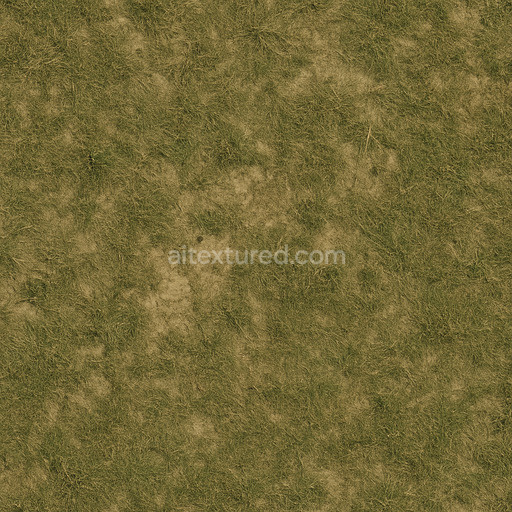
Ancient Grass Texture
Seamless texture (tileable) · PNG, WEBP, PBR ZIP.
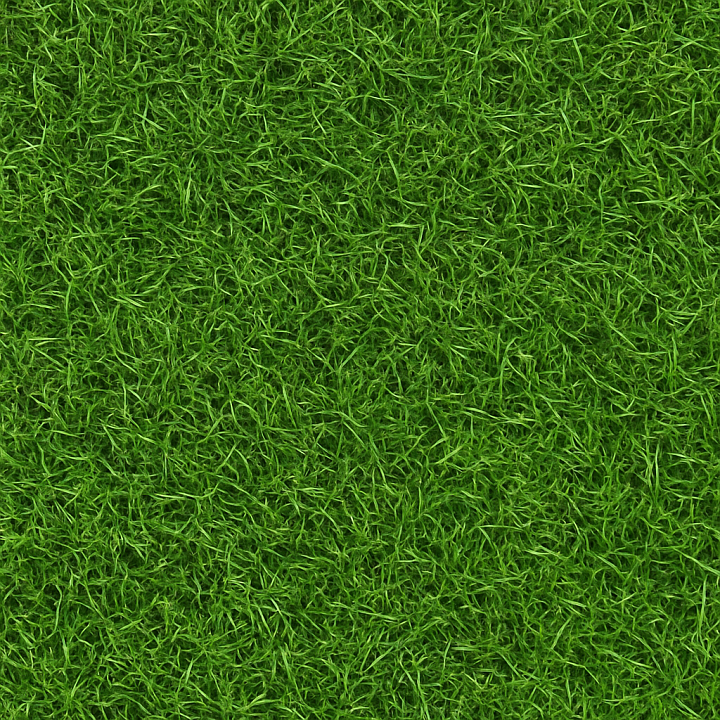
| ID | photorealistic-grass-texture |
|---|---|
| Category | Grass |
| Formats | PNG, WEBP, PBR ZIP |
| Size | 1k (1024x1024px), 2k (2048x2048px), 4k (4096x4096px), 8k (8192x8192px) |
| Tileable | Yes |
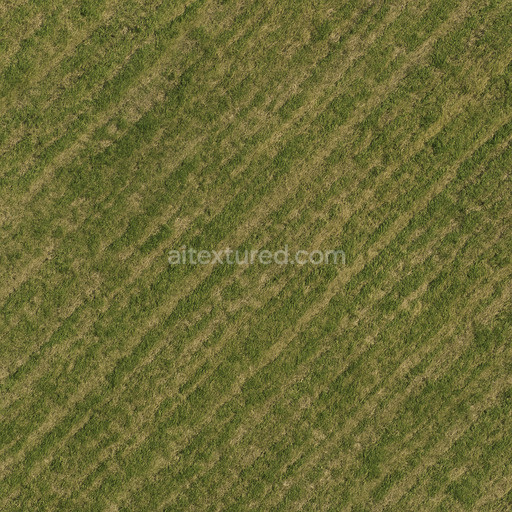
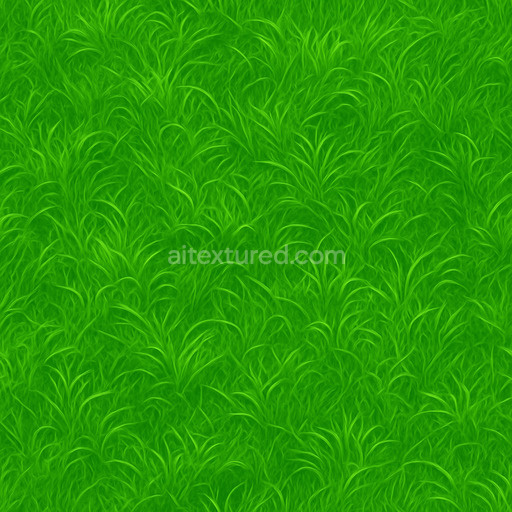
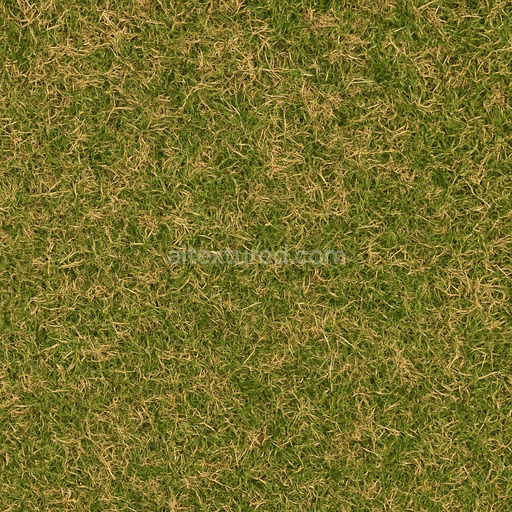
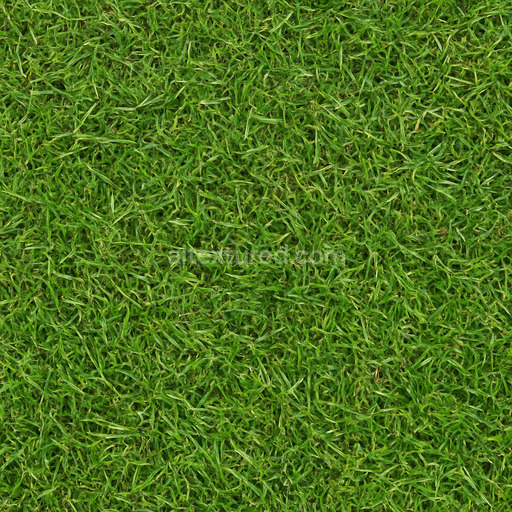
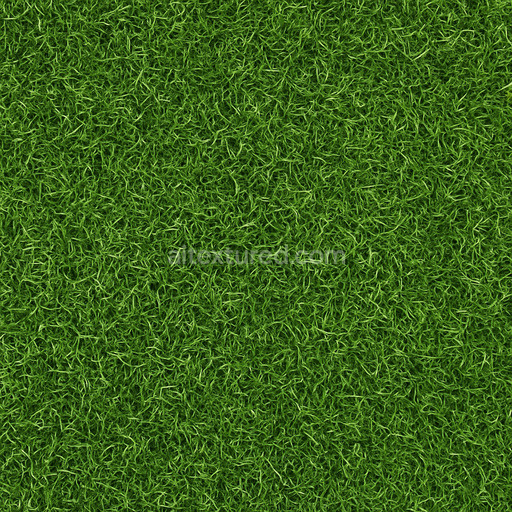
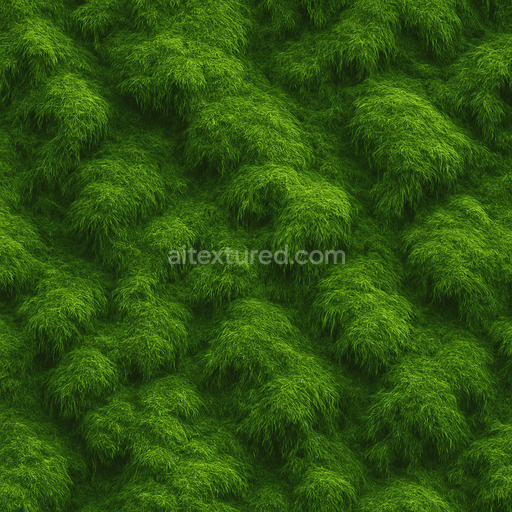
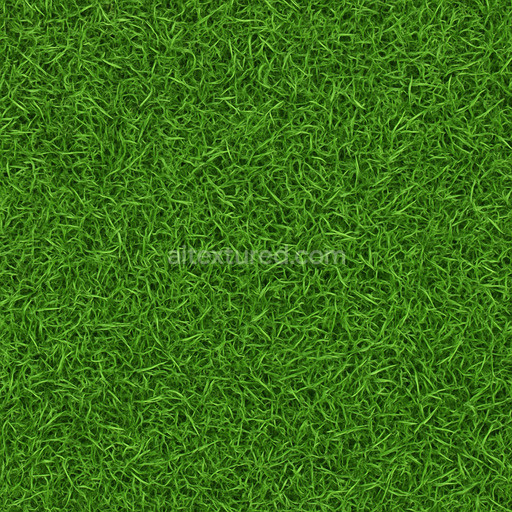
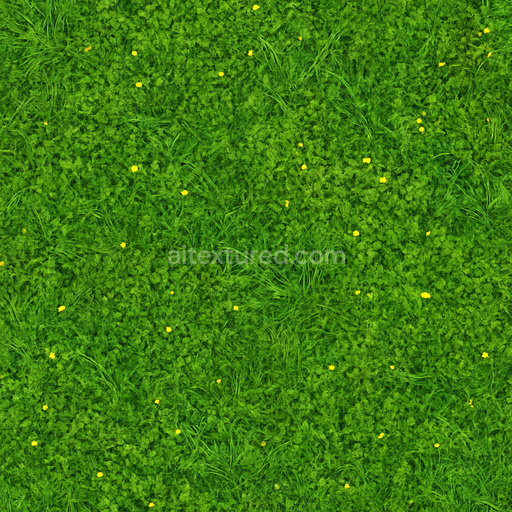
The Photorealistic Grass Texture is a meticulously crafted tileable material designed to replicate the organic complexity of natural grass surfaces with exceptional realism. This texture represents a finely balanced composition of organic fibers and natural pigments capturing the subtle variations in blade orientation density and color that characterize healthy grass. The base substrate is an organic matrix emulating the fibrous grass blades intertwined with soil and moisture elements while the colorants include a rich palette of green pigments with natural yellow and brown undertones to reflect seasonal and environmental diversity. The surface finish is matte with slight variability simulating the soft diffuse reflection of grass under natural light conditions and the micro-roughness caused by the fibrous structure and weathering effects such as dew or light wear.
In terms of physically based rendering (PBR) channels the BaseColor (Albedo) map delivers a high-resolution 8K detail layer that defines the vivid and nuanced greens essential for photorealism. The Normal map enhances the perception of individual grass blades and subtle surface undulations adding depth and tactile realism. The Roughness channel is carefully tuned to reflect the semi-matte slightly textured quality of grass allowing for natural light scattering without excessive glossiness. There is no metallic component as grass is purely organic so the Metallic map remains black. Ambient Occlusion is optimized to emphasize the shadows between dense clusters of blades enhancing depth perception and spatial definition. The Height/Displacement map provides fine detail for realistic parallax effects allowing the texture to interact convincingly with dynamic lighting and varying camera angles.
This tileable photorealistic grass texture is ideal for environment art architectural visualization quick look development and concept prototyping across multiple platforms including Blender Unreal Engine and Unity. Its seamless repeatability ensures vast areas can be covered without visible seams or repetitive artifacts maintaining consistent high-resolution detail throughout. For optimal results it is recommended to maintain uniform UV scaling to avoid texture stretching and to adjust roughness slightly to match the specific lighting conditions of your scene. Additionally subtle use of the height/displacement channel can enhance depth perception when working with parallax occlusion mapping further elevating the realism of outdoor and landscape environments.
The seamless photorealistic grass texture showcases an PBR texture photorealistic grass texture optimized for realistic grass textures with a detailed 3D preview highlighting its advanced PBR appearance and material composition.
Import the texture maps into Blender with sRGB color space for albedo/base color and Non-Color for normal, roughness, metallic, AO, height, and ORM maps. Connect normal maps through a Normal Map node, then adjust UV scale with a Mapping node so the material repeats naturally on your model.
For the full step-by-step setup, see How to Use Seamless Textures in Blender. Browse related material examples in wood, concrete, and metal.
Yes. This texture is designed as a seamless tileable PBR material, so it can repeat across large surfaces without visible borders.
Use the download controls on this page: they expose the available PNG, WEBP or engine ZIP choices and supported resolutions for this asset.
Use the engine ZIP choices to package compatible source maps for Blender, Unreal Engine or Unity, then verify the imported material in the target application.
Commercial-use permission is not verified for this record. Confirm the original source and license before production use.

Generate maps from existing images, preview materials, convert channels, and package compatible inputs for Blender, Unity, and Unreal Engine.
Choose a verified workflow for generating maps, previewing tiling, converting channels, or starting from the texture catalog.
Derive Normal, Roughness, AO, Metallic, Height and optional ORM maps from one or more source images, then review the results.
Instant WebGL viewer: inspect materials on a sphere, plane, and cube. Check tiling and lighting in real time.
Re-packages maps per engine: Unreal (BaseColor + ORM), Unity (Mask/MetallicSmoothness), Blender (separate channels).
PNG ↔ JPG ↔ SVG: fast convert, SVG rasterize, embed/trace options, quality & background controls.