Creating Realistic Furniture Plastic Textures for PBR Workflows
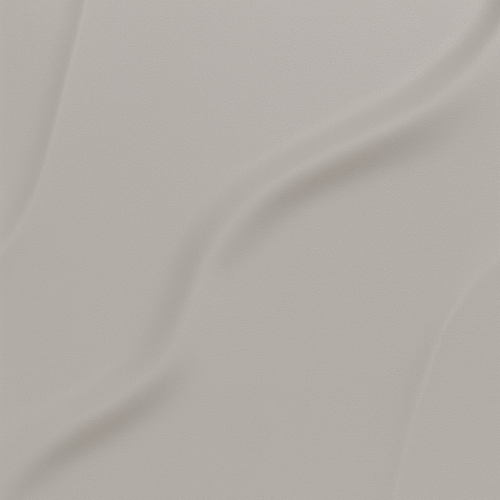
Acquiring authentic textures of furniture plastic surfaces for physically based rendering (PBR) workflows demands a careful balance between capturing high-fidelity detail and maintaining practical usability in real-time engines such as Unreal Engine or offline renderers like Blender’s Cycles. The fundamental challenge lies in faithfully reproducing the subtle micro geometry, reflectance variation, and surface imperfections intrinsic to plastic materials used in furniture—such as injection-molded polypropylene, ABS, or textured PVC laminates—while ensuring the resulting texture maps are optimized and tile seamlessly.
Two predominant acquisition techniques dominate this sphere: photogrammetry and 3D scanning. Both methods serve to capture not only the visible color information (albedo or base color) but also the surface characteristics that influence roughness, normal, ambient occlusion (AO), and height maps. Metallic values are generally negligible or zero for furniture plastics, as these materials are dielectric, but care must be taken in the acquisition pipeline to confirm this through reflectance measurements or controlled lighting.
Photogrammetry relies on capturing multiple overlapping photographs of a physical plastic surface under controlled lighting conditions, reconstructing a detailed 3D mesh and high-resolution texture maps via structure-from-motion and multi-view stereo algorithms. The key to extracting usable PBR textures from photogrammetry lies in the acquisition setup and post-processing calibration. For furniture plastic, which often exhibits low gloss and subtle micro-roughness, even minimal specular highlights can corrupt the albedo capture, leading to inaccurate base color maps that include baked-in reflections. To mitigate this, diffuse-only or cross-polarized lighting rigs are essential. Cross-polarization involves placing linear polarizing filters on both the light sources and the camera lens, oriented perpendicular to each other, effectively removing specular reflections from the captured images. This technique ensures the albedo texture represents purely diffuse reflectance, which is critical for correct PBR shading.
Furthermore, consistent and calibrated lighting is paramount during photogrammetry to preserve subtle surface features such as fine grain, micro-scratches, or injection molding marks. These details significantly influence the roughness and normal maps. Employing a light dome or a multi-directional LED array with adjustable intensity allows for even illumination, reducing shadows that can bias ambient occlusion and height map generation. Calibration targets with known reflectance properties should be included within the scene to facilitate color correction and exposure normalization across photographs, ensuring the albedo texture’s color fidelity aligns with physical reality.
After image capture, the photogrammetric reconstruction outputs a dense mesh where the micro geometry can be extracted as a normal map by baking the high-resolution mesh details onto a low-poly retopologized surface. This baking process must be carefully parameterized to avoid normal map artifacts such as seams or inconsistent tangents, which can disrupt shading in real-time engines. Similarly, ambient occlusion maps can be baked from the high-poly mesh, capturing shadowing in crevices and texture indentations typical of plastic grain and tooling marks.
Height maps derived from photogrammetry are invaluable for parallax occlusion mapping or displacement in shaders, adding an extra layer of tactile realism. However, the raw height data often requires filtering and normalization to achieve tileable results. Since furniture plastic surfaces are usually repetitive and manufactured, capturing large planar sections facilitates the creation of tileable textures by identifying and blending micro-variation zones—small, non-repetitive detail patches—to mask tiling artifacts in engine usage.
3D scanning approaches, including laser scanning and structured light scanning, offer an alternative or complementary solution. Laser scanners provide high-precision surface geometry measurements, capturing micro geometry with micron-level accuracy, which is advantageous for replicating the subtle textures of plastic furniture surfaces. Structured light scanning projects known patterns onto the surface and records the distortion to reconstruct geometry. Both scanning methods excel at delivering precise height and normal data, especially for low-gloss, matte plastics where conventional photogrammetry struggles with featureless areas.
When using 3D scanning, the acquisition environment must still be tightly controlled. Diffuse lighting minimizes noise in the captured geometry, and calibration with reference spheres or checkerboards ensures spatial accuracy. Scanners often provide raw reflectance intensity data, which can assist in generating roughness maps by correlating reflectance variance with surface microfacet distribution. However, raw scans typically lack color information for albedo; thus, integrating high-resolution photographs with calibrated lighting remains necessary to create comprehensive PBR sets.
Regardless of the chosen acquisition technique, post-processing plays a critical role in producing engine-ready textures. Raw captures typically contain lighting baked into the albedo or require normalization to conform to linear workflows. Tools that support linearization and gamma correction, such as Substance Designer or Blender’s compositor, enable artists to refine the base color maps. Roughness maps, often derived from grayscale versions of the albedo or from reflectance measurements, must be adjusted to align with real-world values, ensuring accurate energy conservation in shading models.
Normal maps generated from high-detail geometry require tangent space consistency and may benefit from detail normal map layering techniques, where micro-variation captured via scanning is overlaid on a base normal map to enhance realism without excessive resolution costs. Ambient occlusion maps should be optimized to avoid over-darkening and tuned to complement engine-level dynamic lighting rather than replace it.
Tiling is a particular concern with furniture plastic textures, as many commercial furniture pieces involve repeated plastic paneling or injection-molded parts. Achieving seamless tiling without visible repetition demands careful selection of scan regions and procedural blending. Utilizing micro-variation techniques, such as subtle noise overlays or multi-sample blending, can break up uniformity. In software like Unreal Engine, shader-based detail textures can be layered on top of tiled base textures to simulate stochastic surface imperfections dynamically, reducing the need for ultra-large texture maps.
In Blender, the PBR workflow benefits from node-based material setups that allow direct integration of the captured maps. The base color texture is plugged into the diffuse or principled BSDF shader, roughness controls the microsurface scattering, normal maps influence light interaction, and ambient occlusion can be combined multiplicatively with the base color or mixed within the shader for subtle shading enhancement. Height maps can drive displacement or bump nodes, adding depth without geometry overhead.
In summary, acquiring furniture plastic PBR textures through photogrammetry or 3D scanning requires meticulous control of lighting and calibration to isolate diffuse color and preserve microscopic detail. Cross-polarization and diffuse-only illumination are essential for eliminating specular contamination in albedo captures, while high-precision scanning methods provide superior micro geometry data for normal and height map generation. Post-processing to linearize, tile, and optimize texture maps ensures that these captures translate effectively into real-time or offline rendering contexts, maintaining the delicate balance between visual fidelity and performance crucial for realistic furniture plastic materials.
The creation of high-quality plastic PBR textures for furniture benefits significantly from a hybrid workflow that leverages both procedural generation and photographic input. This approach addresses the inherent challenges of simulating the subtle surface variations and complex reflectance characteristics of plastic materials, particularly when targeting a range of finishes from matte to glossy. The interplay between the meticulously crafted procedural maps and carefully captured photographic data allows artists to achieve intricate surface details such as natural grain, fine scratches, and micro-imperfections, all while ensuring seamless tiling and consistent physical accuracy across various 3D engines.
At the core of this workflow is the acquisition of photographic references and source images that embody the target plastic finish. Photographs of actual furniture plastics—whether injection-molded polypropylene, ABS sheets, or textured vinyl—serve as invaluable raw material. Capturing these images under controlled, neutral lighting conditions with a calibrated color chart aids in producing accurate albedo textures free from baked shadows or specular highlights. High-resolution macro shots reveal the micro-structure of the plastic surface, including subtle grain patterns or micro-scratches that contribute to the material’s visual complexity. These images are then processed to isolate the base color information, typically by desaturating and carefully removing any specular contamination through frequency separation or retouching techniques.
However, purely photographic textures often struggle with seamless tiling and can exhibit repetitiveness or visible seams when tiled over large surfaces. This is where procedural methods augment the workflow. Procedural generation, via tools like Substance Designer or Blender’s node-based shader editor, allows for the synthesis of grain and noise patterns that mimic the stochastic nature of plastic surfaces without obvious repetition. Procedural noise functions such as Perlin, Worley, or cellular noise can be layered and blended to emulate the micro-variations in surface roughness and diffuse scattering characteristic of plastic finishes. By combining these noise layers with directional grain maps—often derived and stylized from the photographic data—artists create roughness and normal map inputs that introduce micro-variation critical for realistic reflections.
The roughness map, in particular, benefits from the fusion of photographic and procedural inputs. Photographic roughness information can be extracted using specialized capture techniques like photometric stereo or by isolating specular highlights, but it often requires refinement. Procedural noise overlays help break up uniformity by introducing subtle, scale-dependent variation, which prevents the “plastic sheen” from appearing overly flat or artificial. This is essential for replicating finishes ranging from a soft, diffused matte to a sharper, semi-gloss surface typical of molded plastic furniture components. These roughness variations must be carefully calibrated to maintain energy conservation and physically plausible reflectance behavior within the PBR framework.
Normal maps are another critical component where procedural and photographic techniques complement each other. Photographically derived normal maps, generated via photogrammetry or derived from height maps obtained through displacement capture, provide authentic surface detail. However, these maps frequently require cleaning and enhancement to ensure they tile seamlessly and do not introduce artifacts when repeated. Procedural normal map generation, often through noise and gradient functions, can be layered atop photographic normals to simulate micro-scratches, injection molding marks, or subtle embossing patterns typical of plastic surfaces. This layering approach allows for dynamic control over bump intensity and orientation, which is especially useful when simulating directional grain or anisotropic reflections found in certain plastic finishes.
Ambient occlusion (AO) maps in plastic textures primarily serve to enhance perceived depth and surface variation, especially in crevices or areas with accumulated grime. While AO can be baked from high-poly geometry, procedural methods can introduce additional subtle occlusion variations that mimic the way dirt or wear accumulates on plastic furniture surfaces. Combining baked AO with procedural masks ensures that the occlusion map remains tileable and visually consistent, preventing unnatural dark spots or seams. Furthermore, height maps, often used for parallax or displacement effects in engines like Unreal Engine or Blender’s Eevee/Cycles, can be generated procedurally with fine noise overlays that replicate slight surface undulations or embossing. When combined with photographic base height data extracted from displacement capture or normal map conversions, this yields a more tactile, realistic surface interaction with light.
Metallic maps are generally not applicable for most plastic furniture materials, given their dielectric nature. However, in cases where plastic components include metallic flakes or conductive additives, a low-intensity metallic channel may be incorporated. This is typically done procedurally, with sparse noise patterns or masks derived from photographic references to localize metallic reflections accurately. Nevertheless, for standard plastic furniture surfaces, the metallic channel remains unused or set to zero.
A critical practical consideration is the calibration and optimization of these texture maps for real-time engine usage. For instance, Unreal Engine benefits from carefully optimized texture sets where roughness and metallic values adhere to linear workflows to ensure correct material response under dynamic lighting. Proper gamma correction and linear color space management during authoring prevent color shifts and maintain the physical accuracy of the albedo. Texture resolution must be balanced with memory budgets; procedural elements can be baked into tileable texture maps or generated dynamically in shader nodes to reduce footprint. In Blender, procedural textures can be authored directly within the shader editor, allowing artists to preview and tweak parameters interactively. Baking procedural outputs into maps is recommended when targeting real-time engines to maintain performance.
Seamless tiling remains a paramount challenge, especially for large furniture surfaces such as armrests or chair backs. The procedural generation of noise and grain patterns inherently supports tileability through built-in coordinate wrapping and noise functions. Photographic inputs, however, require careful editing, such as edge blending, offset wrapping, and clone-stamping, to remove visible seams. Combining these approaches, artists often use the photographic base color as a diffuse layer while overlaying procedural grain and scratch patterns in separate channels. This layering not only masks tiling artifacts but also introduces micro-variation that prevents the texture from appearing static or artificial when viewed at different distances or angles.
Furthermore, practical workflows often integrate micro-variation masks that modulate roughness and normal map intensities spatially. These masks can be procedurally generated using noise functions with different frequency bands and blended to simulate natural wear patterns or manufacturing inconsistencies, such as injection mold gates or ejector pin marks. By controlling these variations parametrically, artists tailor the plastic texture to specific furniture styles, ranging from factory-new, pristine surfaces to weathered or lightly scuffed finishes.
In summary, the synergy between procedural generation and photographic input in furniture plastic PBR texture authoring enables the creation of physically accurate, visually rich materials that scale well across different lighting environments and platforms. Photographic captures provide the foundational color and surface detail fidelity, while procedural methods ensure seamless tiling, micro-variation, and the nuanced surface imperfections essential for realism. Through careful calibration, layering, and optimization, these hybrid workflows empower artists and technical directors to simulate the diverse plastic finishes found in furniture design with both efficiency and precision.
Creating and calibrating physically based rendering (PBR) maps for furniture plastics demands an exacting approach to both the digital acquisition and authoring phases, as well as rigorous calibration to ensure the material behaves realistically under a variety of lighting conditions. Achieving photorealism hinges on the accurate representation of plastic’s intrinsic properties—its characteristic diffuse coloration, subtle specular response, micro-surface roughness, and occasional low-level subsurface scattering or translucency—captured through a carefully orchestrated workflow involving BaseColor, Normal, Roughness, Metallic, Ambient Occlusion (AO), and Height/Displacement maps.
The BaseColor (Albedo) map for furniture plastics must be derived with meticulous attention to the physical attributes of the material’s pigmentation, keeping in mind that plastics do not exhibit metallic reflection and generally lack complex subsurface scattering found in organic materials. When authoring or sourcing BaseColor textures, it is critical to ensure they are free from baked-in shadows or highlights, as these undermine the physically based nature of the shader. For plastics, the color range often spans from highly saturated, vivid hues to muted, pale tones depending on the polymer type and additives. Capturing these variations requires high-fidelity texture acquisition methods such as calibrated photogrammetry or multispectral scanning, or alternatively, carefully crafted hand-painted textures with color calibration against reference photographs under neutral lighting. The color data should be linearized and gamma-corrected appropriately during texturing workflows to maintain color accuracy within the rendering engine’s linear workflow.
Normal maps demand a nuanced approach to replicate the subtle micro-variations typical of plastic surfaces. Unlike metals or rough woods, furniture plastics often exhibit finely detailed surface imperfections such as injection molding marks, faint scratches, or micro-pitting, which significantly contribute to the tactile realism of the material. Rather than relying solely on high-frequency procedural noise, it is advisable to incorporate high-resolution scanned normal data derived from photogrammetric or laser-scanned geometry or to sculpt fine surface details in a dedicated normal map authoring tool such as Substance Painter or xNormal. When generating these maps, one must ensure the tangent space orientation aligns correctly with the target engine’s conventions (for example, DirectX or OpenGL normal map standards) to avoid lighting artifacts. Fine-tuning the normal map intensity is equally important: excessive normal strength can lead to unrealistic light scattering, while insufficient detail yields a flat, lifeless surface.
Roughness maps are arguably the most critical component in defining the visual fidelity of plastic materials within PBR workflows. The roughness parameter controls the microfacet distribution of the surface, dictating how light scatters and how glossy or matte the plastic appears. Furniture plastics typically exhibit a moderately high roughness range, reflecting their semi-glossy finish, although variations occur depending on surface treatment—polished plastics will have lower roughness values (around 0.1–0.3), whereas matte or textured plastics approach higher values (0.5 and above). Creating roughness maps often involves extracting micro-roughness data from high-dynamic-range (HDR) photographs or generating them procedurally to simulate micro-surface variations like subtle fingerprints, smudges, or wear patterns. Calibration of roughness maps should be performed through iterative rendering tests under controlled lighting, referencing real-world plastic samples. In practice, it is advisable to avoid flat roughness maps; introducing micro-variation through grayscale noise or detail masks prevents the surface from appearing unnaturally uniform and enhances the perceptual realism of the material.
The Metallic map is straightforward in the context of furniture plastics, as these materials are inherently non-metallic. The metallic channel should be set to zero (black) to prevent any metallic reflections. However, if the furniture plastic includes embedded metal parts or conductive coatings, these areas can be isolated and assigned metallic values accordingly. This separation is vital because incorrect metallic values can cause the renderer to simulate unrealistic reflectance behavior, skewing the Fresnel effect and specular response.
Ambient Occlusion maps for plastics serve primarily to enhance the perception of depth and contact shadows in crevices or recesses where ambient light is naturally occluded. Since plastics typically exhibit low self-shadowing in diffuse lighting, AO maps must be carefully balanced to avoid overly dark or unrealistic shading. Generating AO maps can be achieved via baked ray-tracing in 3D modeling software or through dedicated tools like xNormal or Substance Designer. It is critical that AO maps are stored separately and not multiplied directly into the BaseColor texture, as this can create artifacts and impede physical accuracy. Instead, AO is best integrated as a separate input within the material shader or multiplied against the indirect lighting component in post-processing. When authoring AO for furniture plastics, subtlety is key; overly strong AO can flatten the material’s appearance and detract from the plastic’s inherent smoothness.
Height or displacement maps add an additional layer of realism by simulating macro-scale surface geometry variations. In furniture plastics, displacement maps often represent injection molding seams, embossed logos, or surface texture patterns that cannot be convincingly replicated with normal maps alone. When authoring height maps, the grayscale values must be calibrated carefully to correspond with physically plausible depth ranges—typically on the order of fractions of a millimeter for plastic surfaces—to avoid exaggerated surface distortions that break immersion. These maps are usually stored in 8-bit or 16-bit grayscale textures with linear data encoding. It is important to note that not all rendering engines handle displacement uniformly; for instance, Unreal Engine supports tessellation-based displacement but requires performance considerations, whereas Blender’s Cycles renderer allows for both true displacement and bump mapping with greater flexibility. Adjusting displacement strength within the engine and testing under varied lighting and camera angles is essential to ensure the effect enhances rather than detracts from the material realism.
Tiling and seamlessness are paramount when authoring PBR maps for furniture plastics destined for large surfaces or modular assets. Plastics often display repetitive patterns or textures due to manufacturing processes, but visible tiling artifacts can severely break realism. To mitigate this, textures should be created or modified with seamless wrapping in mind, using tools that support edge-aware blending or procedural synthesis. Introducing subtle micro-variation across the tile boundaries—such as noise overlays or color perturbations—can further disguise repetition. When integrating textures into engines like Unreal or Blender, attention must be given to the UV mapping scale and texel density to maintain consistent detail levels and prevent blurring or pixelation.
A key practical consideration in the calibration process is matching the PBR maps’ responses to the target rendering environment. Both Unreal Engine and Blender’s Cycles/Eevee use physically based shaders but differ in their interpretation of roughness curves, normal map encoding, and AO blending. Unreal Engine’s default materials expect roughness maps in the inverted glossiness format and normal maps in DirectX standard, while Blender provides more flexibility but requires explicit configuration of normal map space and roughness input range. Calibration should include rendering the material under standard lighting rigs, such as an HDRI dome with neutral gray surroundings and an area light source, to observe specular highlights, roughness transitions, and shadowing. Comparing renders with real-world reference photos under similar lighting conditions is essential to validate the accuracy of the maps.
Optimization also plays a critical role in PBR map creation for furniture plastics. Large or uncompressed textures can burden real-time rendering performance, especially in game engines. Techniques such as texture atlasing, mipmap generation, and channel packing—e.g., combining AO, roughness, and metallic maps into a single RGB map—are widely used to reduce memory footprint and improve shader efficiency. However, channel packing must be handled with precision; for instance, metallic should remain zero for plastics, so the blue channel can be repurposed for other data if needed. Additionally, proper gamma correction and color space management are crucial during texture export to maintain consistency across different platforms.
In conclusion, the generation and calibration of PBR maps for furniture plastics require a methodical, physically grounded approach that respects the material’s unique optical characteristics. By carefully authoring BaseColor maps free of baked lighting, sculpting detailed normal maps with appropriate intensity, fine-tuning roughness to mimic plastic finishes, correctly setting metallic values to zero, applying subtle and physically plausible AO, and judiciously employing height maps for macro detail, artists can achieve convincing plastic materials. Combined with seamless tiling strategies and rigorous calibration within the target rendering engine, these practices ensure the final furniture plastic textures respond accurately to light, enabling photorealistic renders that hold up under scrutiny in both offline and real-time environments.
FAQ
What is covered in this guide?
This guide explains Creating Realistic Furniture Plastic Textures for PBR Workflows with practical notes for seamless PBR materials, texture setup, and production use.
Can I use these texture techniques in Blender, Unreal Engine, and Unity?
Yes. The workflow focuses on standard PBR maps and tileable materials that can be used in Blender, Unreal Engine, Unity, archviz, games, and VFX pipelines.
Where can I find textures for this workflow?
Use the AITextured texture library and the related texture links on this page to find seamless PBR materials and preview them before download.
Related Textures
 Procedural Dark Tree Bark PBR Texture
 Procedural Aged Oak Plank PBR Texture
 Seamless PBR Wood Planks Texture Featuring Natural Grain in 4K
 Seamless Wooden Facade PBR Texture in 4K Resolution
 Rustic Aged Wood Planks Texture for 3D Modeling and Rendering
 PBR Texture of Vertical Wooden Planks Wall
 Seamless PBR Wood Texture Featuring Vertical Natural Grain Patterns
 Natural Wood Logs Texture with Snow for 3D PBR