Optimizing PBR Texture Workflows for Photorealistic Vegetation and Foliage
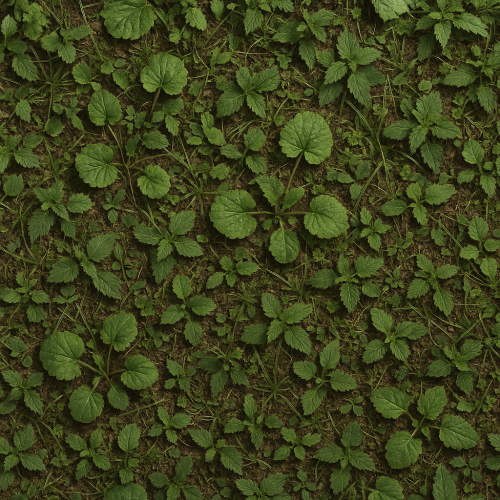
Creating photorealistic vegetation and foliage within physically based rendering (PBR) frameworks presents a distinct set of challenges that diverge significantly from those encountered when authoring textures for inorganic or hard-surface materials. While traditional PBR workflows provide a robust foundation for material realism through physically accurate light interaction models, the organic complexity intrinsic to plant surfaces demands nuanced adaptations in both texture acquisition and authoring processes. Understanding these vegetation-specific obstacles is fundamental to achieving believable foliage that convincingly integrates within real-time engines such as Unreal Engine or offline renderers like Blender’s Cycles.
One of the foremost difficulties lies in the inherently complex microstructure of vegetation surfaces. Unlike metals, plastics, or stone, plant leaves and bark exhibit a heterogeneous topology composed of microscopic veins, cuticles, trichomes, and cellular irregularities. These structures influence light scattering and reflectance in highly anisotropic and spatially varying ways. For instance, the waxy cuticle on many leaves results in a specular response that is both subtle and directionally dependent, while the presence of tiny hair-like structures can introduce soft, diffuse reflections and localized occlusion effects. Capturing these subtle details requires a departure from generic normal maps and roughness values; instead, the PBR workflow must incorporate finely tuned, high-resolution normal maps that preserve micro-variations without introducing tiling artifacts. To achieve this, authors often rely on photogrammetry or microscopic surface scanning combined with procedural detail injection to synthesize maps that reflect the natural randomness and complexity of plant surfaces.
Translucency represents another pivotal challenge unique to vegetation materials. Unlike opaque hard surfaces, leaves and petals transmit a significant portion of incident light, which then diffuses internally before exiting, producing the characteristic subsurface glow that defines healthy foliage. Standard PBR workflows, which primarily model light reflection and direct surface interactions, inadequately capture this semi-translucent behavior. Incorporating subsurface scattering (SSS) or subsurface transmission parameters necessitates additional texture maps beyond the conventional albedo, roughness, and normal channels. Specifically, authoring a calibrated subsurface color map and thickness map becomes essential to simulate how light penetrates varying leaf densities and thicknesses. The interplay between translucency and surface roughness further complicates the light transport model, as rougher surfaces scatter incident light diffusely, while smoother cuticles allow for more directional light transmission. Careful calibration of roughness and SSS parameters is thus critical, requiring iterative tests within the target rendering engine to balance visual fidelity against performance constraints.
In terms of PBR texture channels, the typical set—albedo, roughness, normal, ambient occlusion (AO), height, and metallic—must be reevaluated for vegetation assets. The metallic channel, for instance, is effectively redundant for organic plant materials, which are universally non-metallic and best represented by zero metallic values. However, the other maps require special attention. Albedo maps for foliage must accurately capture subtle color shifts caused by chlorophyll density, vein coloration, and even seasonal variations, demanding high dynamic range capture techniques or carefully controlled color grading to avoid desaturation or color bleeding. Roughness values in leaves often fall within narrow ranges but vary locally due to surface age, water droplets, or dust accumulation, necessitating fine-grained roughness maps rather than uniform values. Ambient occlusion must be delicately balanced; excessive AO can unnaturally darken crevices such as leaf junctions or bark fissures, breaking the natural light distribution seen in plant clusters. Height maps serve a dual purpose: not only do they drive parallax or displacement effects to enhance perceived depth, but they also assist in simulating micro-occlusion and shadowing within leaf surfaces, which is crucial for realistic light filtration within dense foliage.
Tiling and micro-variation strategies are particularly important in vegetation texturing workflows. Due to the sheer number of leaves and plant instances typically deployed in a scene, textures must tile efficiently without obvious repetition artifacts that betray procedural generation. However, the organic, non-uniform appearance of foliage resists simple tiling approaches. To mitigate this, authors often layer multiple detail maps with varying scales, incorporating noise and mask-driven blending to break up visual monotony. Procedural texturing techniques and shader-based detail blending become invaluable here, enabling micro-variation across leaf clusters while reusing a limited texture set. This approach not only conserves memory but also enhances the natural randomness essential to convincing vegetation. Techniques such as vertex color-driven blending or wind-animated detail masks further contribute to dynamic visual complexity, helping to simulate environmental interaction.
Calibration of vegetation PBR textures within rendering engines demands careful attention to the engine’s specific shading model and light transport algorithms. Unreal Engine, for instance, provides subsurface profile settings and translucency parameters that artists must fine-tune to replicate the soft light penetration characteristic of leaves. Blender’s Cycles renderer supports volumetric scattering and layered shaders, which can be combined with geometry-based thickness maps to achieve accurate subsurface effects. Because the perception of vegetation is heavily influenced by environmental lighting—such as indirect skylight, atmospheric scattering, and shadow color—the textures and materials must be tested under varied lighting conditions to ensure consistency. This iterative calibration often involves adjusting the albedo brightness to avoid overexposure in direct sunlight or increasing roughness subtly to prevent unnatural glossiness under artificial lighting. Artists may also leverage engine-specific tools like Unreal’s Material Instance parameters or Blender’s node groups to create adjustable presets that accommodate different plant species or seasonal changes without reauthoring entire texture sets.
Optimization remains a critical consideration given the high instance counts and complex shaders typical of vegetation rendering. While high-resolution PBR maps capture detail, they must be balanced against memory budgets and runtime performance, especially for real-time applications. Employing texture atlases and channel packing strategies—such as encoding roughness, AO, and metallic data into the same texture—reduces texture fetches and improves cache coherency. Additionally, leveraging mipmap generation with carefully crafted base levels ensures that distant foliage maintains an acceptable level of detail without unnecessary resource expenditure. Normal maps for leaves benefit from specialized compression techniques that preserve fine details critical for specular highlights and micro-shadowing. Height maps, when used for parallax occlusion mapping, should be optimized to avoid excessive sampling costs, often by limiting their resolution or employing cheaper approximations like steep parallax or normal offset mapping. Shader complexity must be managed by selectively enabling subsurface scattering or translucency effects only where they yield the greatest visual impact, typically on prominent leaves or flowering parts, while less visible foliage employs simpler diffuse models.
From a practical standpoint, acquiring source data for vegetation PBR textures often involves a hybrid approach combining high-resolution photography, photogrammetry, and hand-painted elements. Photogrammetry captures the intricate surface and color detail of leaves and bark but may require extensive cleanup to remove lighting inconsistencies and shadows. Hand-painting or procedural generation fills gaps, particularly for translucency and subsurface parameters not directly measurable from scans. Calibration targets such as color charts and reference leaves assist in maintaining consistent albedo values and color fidelity across different capture sessions. In engine integration, artists should exploit material layering and instancing workflows to maximize reuse and enable rapid iteration. For instance, Unreal’s foliage system allows for procedurally driven variation of material parameters, facilitating subtle shifts in roughness or subsurface color that emulate natural heterogeneity without the overhead of unique textures per instance.
In summary, while traditional PBR workflows provide a foundational structure for realistic material creation, vegetation and foliage materials require specialized adaptations to handle their organic surface complexity, translucency, and nuanced light interaction. Successful texturing of plant materials demands careful acquisition and authoring of detailed multi-channel maps, sophisticated tiling and micro-variation methods, rigorous calibration within rendering engines, and mindful optimization to balance fidelity with performance. Mastering these vegetation-specific challenges is essential for 3D artists and technical directors aiming to produce photorealistic foliage that enhances immersion and visual storytelling in both real-time and offline rendering contexts.
Achieving photorealistic vegetation and foliage in physically based rendering (PBR) workflows hinges fundamentally on the quality and fidelity of texture acquisition. Two primary avenues dominate contemporary practices: photogrammetry and procedural generation. Each approach brings distinct strengths and challenges, and often their synergistic combination yields the richest, most versatile texture libraries. For 3D artists and technical directors working within engines such as Unreal Engine and Blender, understanding the nuances of these techniques—ranging from capture calibration and data processing to advanced map authoring and micro-variation synthesis—is essential for optimizing both realism and performance.
Photogrammetry remains a gold standard for acquiring highly detailed, physically accurate texture maps from real-world vegetation assets. Leaves, bark, and branches present unique challenges due to their complex surface geometries, translucency, and subtle microstructures. Successful photogrammetric acquisition begins with meticulous calibration of the capture environment. Controlled lighting is imperative; diffuse, neutral illumination—often achieved with softboxes or overcast skies—minimizes harsh shadows and specular hotspots that can distort albedo data and complicate normal and roughness map extraction. A consistent light temperature ensures color fidelity, crucial for albedo maps representing the diffuse reflectance of foliage surfaces.
Capturing leaves demands particular attention to translucency and subsurface scattering effects, which profoundly influence their appearance. Using a backlighting setup during photogrammetry can help isolate leaf venation and fine structural details by enhancing translucency. Multiple angles, including oblique and backlit shots, are essential to reconstruct accurate geometry and to inform height and normal map generation. High-resolution RAW images allow for capturing subtle chromatic variations and fine-grained surface features, which ultimately translate into richer albedo and roughness textures. For bark and woody branches, a combination of close-up macro images and wider contextual shots enables the reconstruction of both micro and macro surface details. The bark’s roughness and porosity dictate the roughness and height maps, which must be calibrated carefully to avoid overemphasizing noise or underrepresenting depth.
Post-capture processing pipelines typically begin with photogrammetric reconstruction software like RealityCapture, Metashape, or Meshroom, which generate dense point clouds and textured meshes. However, raw outputs often require retouching and refinement. For PBR workflows, the separation of baked maps—albedo, roughness, normal, ambient occlusion (AO), height, and metallic—is critical. Notably, metallic maps are usually trivial or zero for organic vegetation but must be considered for branches or twigs that might contain mineral deposits or resinous surfaces. Normal maps derived from the high-resolution geometry are essential for capturing micro-surface detail, while ambient occlusion maps simulate the self-shadowing effects that enhance depth perception in foliage clusters.
Calibration of these maps against real-world reference data or spectrophotometer measurements can elevate authenticity. For instance, matching the diffuse albedo to measured reflectance spectra of leaves under standardized light sources prevents common pitfalls such as overly saturated or desaturated textures. Similarly, roughness calibration benefits from physically measured microfacet distributions, which govern the light scattering behavior on leaf cuticles and bark surfaces. Ensuring that roughness maps maintain a plausible range (typically between 0.1 and 0.8 for vegetation) avoids the plastic or overly matte look that breaks immersion.
Despite photogrammetry’s fidelity, it can be limited by environmental constraints and the difficulty of capturing certain seasonal or damaged foliage states. This is where procedural generation excels, offering parametric control to synthesize texture variations, seasonal changes, and micro-structural diversity that would be impractical to capture exhaustively. Procedural techniques leverage noise functions, fractal algorithms, and physically inspired models to generate base maps and layered detail. Procedural albedo textures can simulate chlorophyll degradation, necrosis, fungal spots, and frost effects by blending multiple channels driven by masks and procedural masks. This enables the creation of seamless, tileable textures that can be dynamically altered to reflect seasonal transitions such as autumnal color shifts or springtime budding.
Procedural roughness maps can incorporate stochastic micro-variation based on cellular noise or Voronoi patterns, mimicking the heterogeneous nature of leaf surfaces and bark textures. These variations are critical for avoiding repetition artifacts, especially when texturing large forests or dense foliage clusters. Height and normal maps benefit from procedural detail layers that add fine-scale bumps and veins without requiring additional geometry, ensuring performance efficiency in real-time engines. Employing node-based shading systems—such as Blender’s Shader Editor or Unreal’s Material Editor—allows artists to build modular, non-destructive texture networks where parameters can be tweaked interactively, facilitating rapid iteration and experimentation.
In addition to micro-variation, procedural workflows enable the generation of edge wear, translucency masks, and wetness effects that respond dynamically to environmental conditions within a game engine. For example, leveraging Unreal Engine’s dynamic material instances, artists can control seasonal foliage states via parameters that blend between procedural texture sets, driven by time or gameplay events. This creates immersive, living ecosystems without the need for exhaustive texture sets, reducing memory overhead while enhancing visual richness.
Tiling strategies are critical in both photogrammetry-derived and procedural textures. Photogrammetric textures often require careful UV unwrapping and texture atlas packing to minimize seams and maximize texel density on curved surfaces like branches. When tiling is necessary, seamless patch making involves manual cloning and edge blending to avoid obvious repetition. Procedural textures inherently excel at seamless tiling, given their algorithmic nature, but may require careful frequency tuning to match the scale and style of photogrammetric detail for hybrid workflows.
Optimization remains paramount. High-resolution photogrammetry captures can produce massive texture files that strain memory budgets and runtime performance. Efficient mipmapping, texture compression (e.g., BC7 or ASTC), and judicious LOD (level of detail) texture swapping are mandatory to maintain frame rates without sacrificing visual quality. Baking ambient occlusion into vertex colors or lightmaps can offload some AO computation from textures. Procedural detail can also be selectively baked into maps or generated on-the-fly depending on hardware capabilities.
Combining photogrammetry and procedural methods often yields the best results. For instance, a base photogrammetric albedo map can be layered with procedural variation masks and seasonal overlays, while normal and roughness maps can be enriched procedurally to enhance micro-detail and adapt dynamically. This hybrid approach leverages the authenticity of real-world data with the flexibility and scalability of procedural generation, enabling texture libraries that cover diverse vegetation types, conditions, and temporal states.
Ultimately, mastery over acquisition techniques—both photogrammetric and procedural—is crucial for constructing PBR texture assets that convincingly render vegetation and foliage in modern real-time and offline rendering pipelines. A disciplined approach to lighting calibration, map extraction, procedural layering, and optimization tailored to the target engine empowers artists and technical directors to push the boundaries of photorealism while maintaining practical performance budgets. As vegetation is inherently complex and variable, these advanced acquisition workflows form the backbone of any high-fidelity natural environment pipeline.
Creating accurate and compelling PBR textures for vegetation surfaces demands a nuanced understanding of how each map contributes to the complex interaction between light and organic materials such as leaves, bark, and undergrowth. Unlike hard surfaces, vegetation exhibits highly variable optical characteristics, from the delicate translucency of leaves to the rough, fibrous structure of tree bark. To achieve photorealism, a precise calibration of essential PBR maps—albedo, roughness, normal, ambient occlusion (AO), height, metallic, and subsurface scattering (SSS)—is critical. This section elucidates the methodologies and practical considerations for generating these maps, emphasizing their tailored application to foliage and vegetation within modern render engines like Unreal Engine and Blender’s Eevee or Cycles.
The foundation of any PBR texture set is the albedo map, representing the base color of the surface without baked-in lighting or shading. For vegetation, capturing true albedo is challenging because leaves and bark often exhibit subtle color gradations influenced by biological pigments and environmental factors. Acquisition typically begins with high-resolution, raw photographic captures under diffuse, neutral illumination to minimize specular highlights and shadows. Using calibrated color charts during photography enables subsequent linear color space correction, ensuring consistent and physically plausible reflectance data. When authoring albedo maps, it is imperative to avoid any baked-in shadows or lighting artifacts, as these distort the energy-conserving light response in PBR workflows. For foliage, subtle color variation within leaf clusters or bark scales can be enhanced through procedural noise or hand-painted micro-variation to break repetitive tiling, especially when textures are tiled extensively across large terrains.
Roughness maps play a pivotal role in defining the microsurface scattering properties of vegetation surfaces, controlling how specular highlights blur and spread. Leaves typically have a semi-glossy finish with roughness values that vary spatially due to waxy coatings, veins, or moisture. Bark surfaces, in contrast, exhibit higher roughness with pronounced microfacets causing diffuse reflection. Generating accurate roughness maps often involves converting grayscale photographs from controlled lighting setups or leveraging photogrammetry-derived data that captures surface sheen variations. In authoring tools like Substance Painter or Designer, roughness can be refined by isolating specular response from albedo captures and manually adjusting values to emulate wetness or dust accumulation on foliage. Calibration is essential: roughness must remain within physically plausible bounds (0 to 1) and maintain energy conservation when integrated with the albedo and normal maps. In Unreal Engine, roughness maps influence the specular BRDF calculations directly, so any deviation can result in unnatural highlight behavior or material brightness inconsistencies.
Normal maps are indispensable for conveying fine geometric details absent from the base mesh, such as leaf venation, bark fissures, or mossy protrusions. High-fidelity normal maps are typically derived from photogrammetric models or generated via high-resolution sculpting in software like ZBrush or Mudbox, followed by baking onto low-poly meshes. For vegetation, special attention must be paid to preserving delicate, thin structures and avoiding normal map artifacts that can cause lighting anomalies—this often requires custom tangent space correction or utilizing world-space normal maps where feasible. When authoring normal maps, adding subtle micro-variations mimicking natural surface irregularities enhances light scattering realism. Normal map calibration involves verifying that edge normals and flat areas maintain appropriate smoothness to prevent shading artifacts, particularly in game engines where mipmapping and texture compression can degrade detail. In Blender’s Cycles renderer, normal maps contribute to accurate diffuse and specular light interaction, and their correct gamma space management is crucial to avoid incorrect shading.
Ambient occlusion maps provide localized shadowing effects caused by geometry self-occlusion, enhancing the perception of depth and surface complexity. For vegetation, AO maps accentuate the crevices between bark ridges or the folds and overlaps of leaves, adding realism especially in indirect lighting scenarios. AO can be baked from high-poly meshes using ray-traced methods in Blender or captured through photogrammetry workflows. However, AO maps must be applied judiciously; over-darkening can flatten the foliage visual or conflict with global illumination systems in engines like Unreal. Calibration involves balancing AO intensity to complement, rather than replace, dynamic shadows and indirect lighting. Many PBR workflows integrate AO into the metallic or roughness channels for optimization, but for vegetation, maintaining a separate AO map often yields better control over shading nuances.
Height maps, often used in conjunction with parallax occlusion or displacement mapping, add macroscopic depth cues to vegetation surfaces. For leaves, subtle height variations represent vein ridges and surface undulations, while bark benefits from pronounced height differences that emphasize fissures and cracks. Height maps are derived from grayscale displacement captures during photogrammetry or sculpted details baked from high-poly meshes. When authoring height maps for vegetation, it is crucial to maintain a calibrated range that avoids excessive displacement, which can cause silhouette artifacts or collision issues in real-time engines. Height data enhances realism by modulating shadowing and light scattering but should be optimized to maintain performance; for example, in Unreal Engine, height maps can be used for tessellation or parallax occlusion, but overuse on dense foliage assets can degrade frame rates. Calibration includes testing height influence under varying camera distances and lighting angles to ensure consistent visual fidelity.
Unlike metals and man-made materials, vegetation generally exhibits negligible metallic properties, making the metallic map a near-constant zero value across leaves and bark surfaces. However, subtle exceptions can occur in certain plant species where resinous or mineral deposits produce localized specular anomalies. In these rare cases, the metallic map can encode small values to simulate these effects, but generally, the metallic channel remains unused or uniformly black in vegetation PBR sets. Maintaining this convention avoids unrealistic reflectance and preserves energy conservation in the shading model.
Subsurface scattering (SSS) is arguably the most critical yet complex aspect of PBR texturing for foliage, as it simulates light diffusion through thin organic layers—particularly evident in leaves and soft plant tissues. Unlike opaque surfaces, leaves transmit and scatter light internally, producing a characteristic glow when backlit. Generating SSS maps involves defining thickness and translucency parameters, often extracted from thickness maps or hand-painted masks that approximate leaf density and cellular structure. Advanced workflows may incorporate spectral data to simulate wavelength-dependent scattering, although this is computationally expensive and typically approximated in real-time engines. In Blender, the Principled BSDF shader includes an SSS input that can be driven by dedicated maps to modulate subsurface color and radius, enhancing realism in leaf translucency. Unreal Engine supports subsurface profiles where leaf materials can be assigned parameters controlling scattering distance and color tint, calibrated through iterative rendering tests to balance translucency with opacity. For bark, SSS is minimal but can be present in moss or lichen layers overlaying the bark surface. Accurate SSS calibration requires reference to real-world light interaction, often achieved through cross-polarized photography or multispectral imaging.
Tiling and micro-variation are paramount considerations in vegetation texturing, as natural surfaces rarely exhibit perfectly repetitive patterns. Effective PBR workflows incorporate procedural noise overlays or hand-painted variation maps to break uniformity, especially in roughness and albedo channels. For instance, applying subtle hue shifts and brightness variations in albedo maps can simulate leaf aging and environmental effects, while roughness micro-variation replicates dust accumulation or moisture irregularities. Normal and height maps benefit from similar stochastic detail to avoid visible tiling seams. In engines like Unreal, these variations can be further enhanced through runtime shaders that blend multiple texture sets based on world position or vertex color data, increasing visual diversity without multiplying texture memory.
Calibration of all PBR maps must be conducted within the target rendering environment, as perceptions of roughness, normal detail, and translucency can differ significantly between engines and renderers. For example, the same roughness map may yield distinct specular highlights in Blender’s Cycles versus Unreal Engine due to differences in BRDF implementations and IBL setups. Therefore, iterative testing using standardized HDRI lighting and controlled test scenes is essential. Artists should utilize shader preview tools and real-time feedback loops to fine-tune map intensities, ensuring the final material responds realistically under diverse lighting conditions.
Optimization is also critical, particularly for real-time applications where vegetation assets are often rendered in large quantities. Balancing texture resolution, compression artifacts, and channel packing strategies can reduce memory footprints without sacrificing visual fidelity. For instance, combining AO, roughness, and metallic maps into a single texture’s RGB channels is a common practice, but caution is advised for vegetation, where AO often benefits from a dedicated map. Employing mipmap biasing and anisotropic filtering can preserve texture sharpness at oblique viewing angles, crucial for thin leaves and fine bark details.
In conclusion, creating essential PBR maps for vegetation surfaces requires a meticulous approach that respects the unique physical properties of organic materials. Accurate albedo captures free of baked lighting, finely tuned roughness maps capturing microsurface variances, high-fidelity normal and height maps revealing structural detail, carefully balanced AO to enhance depth, appropriately null metallic maps, and thoughtfully crafted subsurface scattering profiles collectively enable photorealistic rendering of foliage and bark. Coupled with calibrated tiling strategies and rigorous engine-specific testing, these maps form the cornerstone of believable vegetation in contemporary PBR workflows.
FAQ
What is covered in this guide?
This guide explains Optimizing PBR Texture Workflows for Photorealistic Vegetation and Foliage with practical notes for seamless PBR materials, texture setup, and production use.
Can I use these texture techniques in Blender, Unreal Engine, and Unity?
Yes. The workflow focuses on standard PBR maps and tileable materials that can be used in Blender, Unreal Engine, Unity, archviz, games, and VFX pipelines.
Where can I find textures for this workflow?
Use the AITextured texture library and the related texture links on this page to find seamless PBR materials and preview them before download.
Related Textures
 Procedural Dark Tree Bark PBR Texture
 Procedural Aged Oak Plank PBR Texture
 Seamless PBR Wood Planks Texture Featuring Natural Grain in 4K
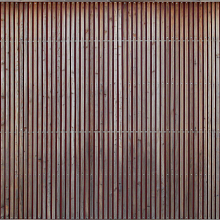 Seamless Wooden Facade PBR Texture in 4K Resolution
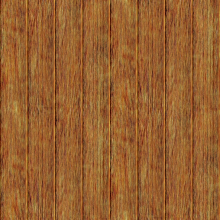 Rustic Aged Wood Planks Texture for 3D Modeling and Rendering
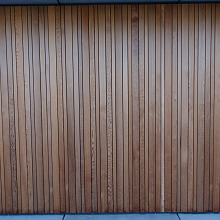 PBR Texture of Vertical Wooden Planks Wall
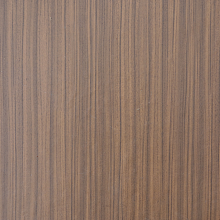 Seamless PBR Wood Texture Featuring Vertical Natural Grain Patterns
 Natural Wood Logs Texture with Snow for 3D PBR