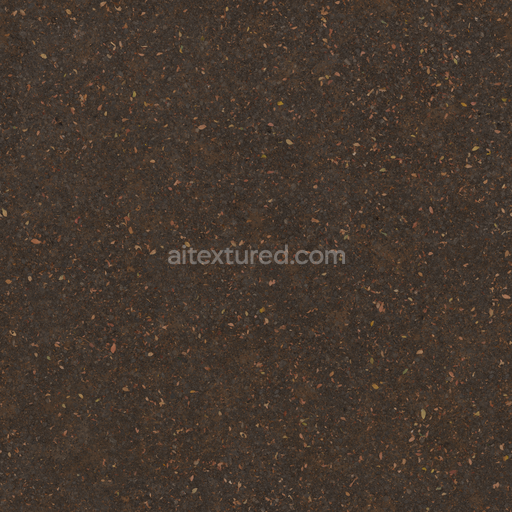
Worn Asphalt
Seamless texture (tileable) · PNG, WEBP, PBR ZIP.
| ID | dirty-weathered-asphalt-texture-seamless |
|---|---|
| Category | Asphalt |
| Formats | PNG, WEBP, PBR ZIP |
| Size | 1k (1024x1024px), 2k (2048x2048px), 4k (4096x4096px), 8k (8192x8192px) |
| Tileable | Yes |
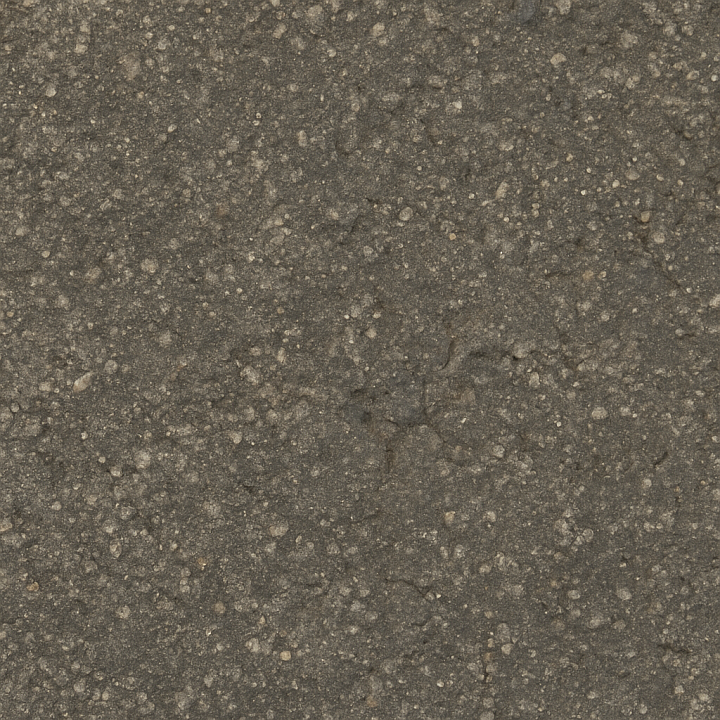
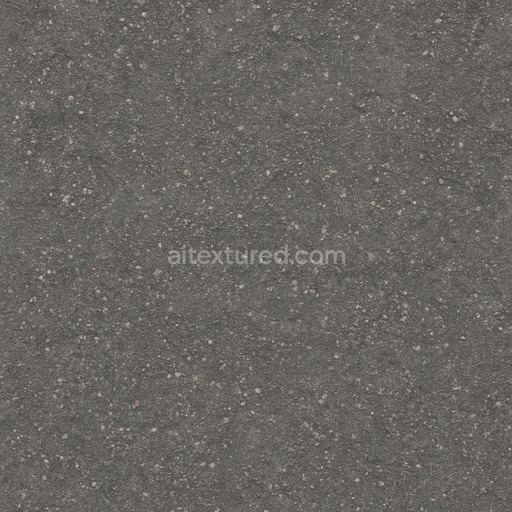
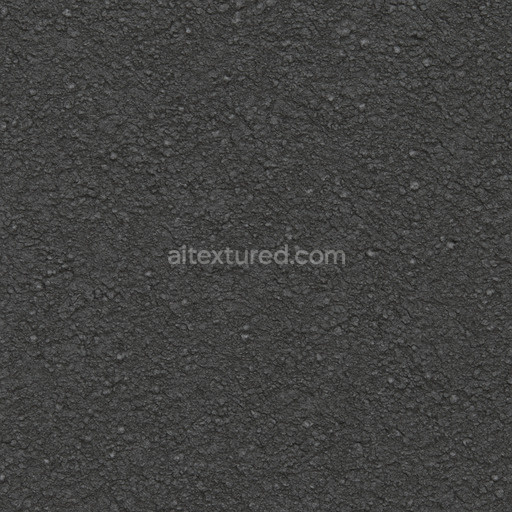
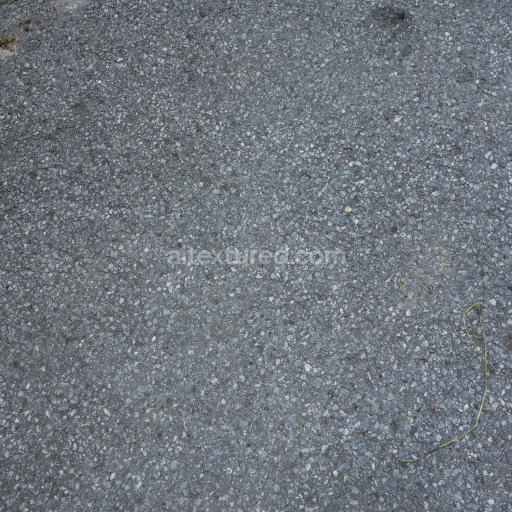
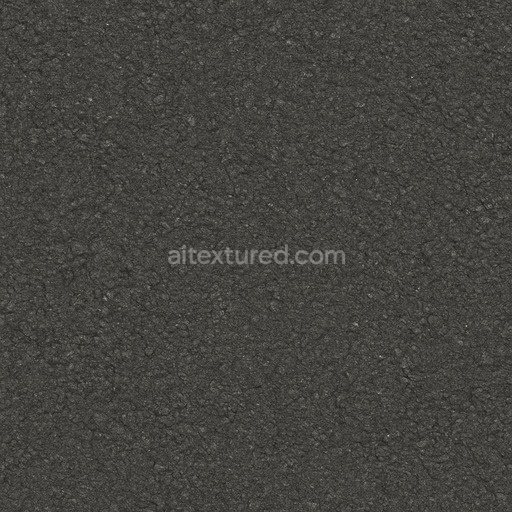
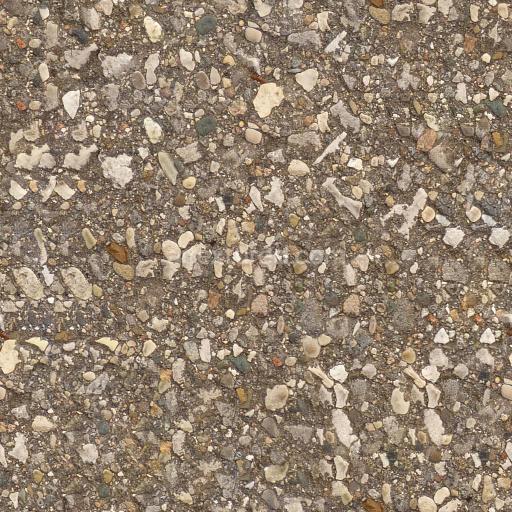
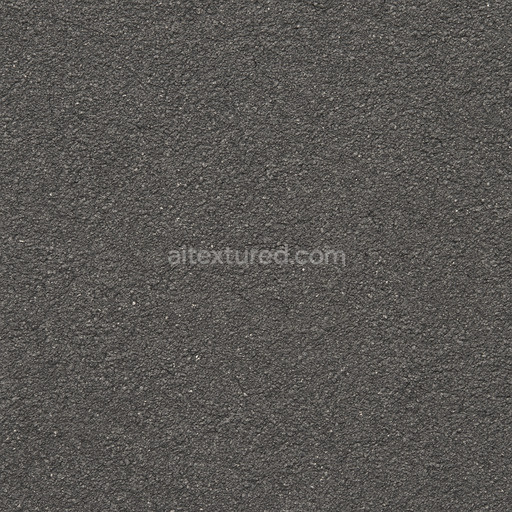
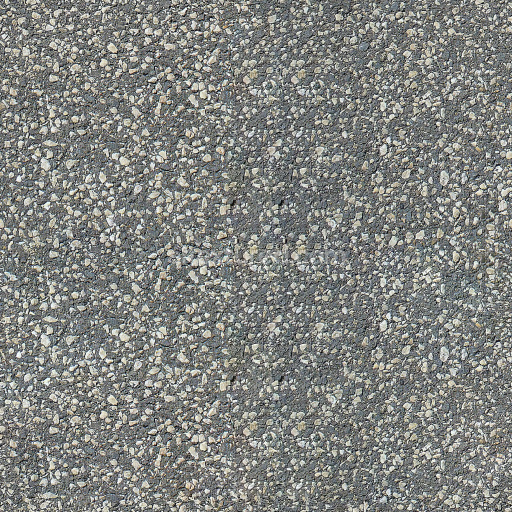
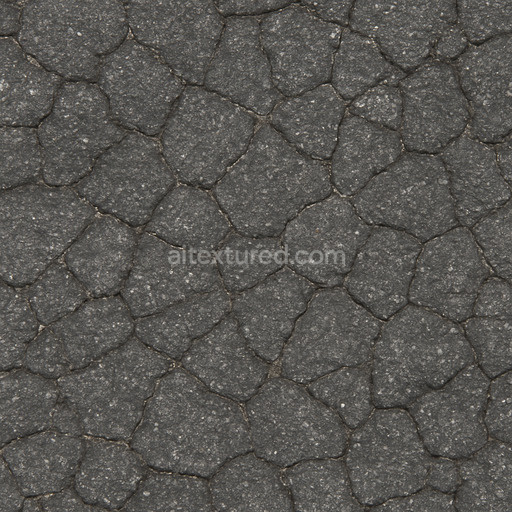
This dirty weathered asphalt texture seamless high resolution up to 8K authentically replicates the intricate makeup and aged character of real-world asphalt surfaces. The material’s base substrate is predominantly composed of mineral aggregates such as crushed stone gravel and sand all bound securely by a polymeric bitumen binder. This combination forms a durable weather-resistant pavement that withstands varying environmental conditions over time. The porous uneven surface reveals signs of prolonged exposure featuring fine micro-cracks dust accumulation and subtle discolorations from oil stains and dirt deposits. The color spectrum ranges from muted charcoal grays to deeper browns and blacks reflecting natural pigment variations and oxidation layers within the binder which collectively contribute to the texture’s authentic weathered appearance.
These material and compositional details are precisely captured across the PBR channels enhancing the texture’s realism and usability. The BaseColor/Albedo map reveals nuanced shading and dirt patterns that define the surface’s aged look while the Normal map highlights the irregular grain orientation and roughness of the mineral aggregates. The Roughness map simulates the matte worn finish typical of weathered asphalt with low Metallic values consistent with the non-metallic mineral content. Ambient Occlusion maps add depth by emphasizing crevices and surface breakup and Height/Displacement maps subtly convey the texture’s subtle elevation changes increasing tactile realism and surface complexity. This tileable dirty weathered asphalt texture seamless high resolution up to 8K ensures consistent detail across large digital terrains without visible seams making it ideal for use in 3D projects.
Optimized for high-resolution applications up to 8K this seamless dirty weathered asphalt texture is fully compatible with leading real-time rendering engines such as Blender Unreal Engine and Unity. Its generated design balances sharp detail with carefully controlled noise delivering a natural believable appearance suitable for architectural visualization environment art and concept prototyping. To achieve maximum realism in your projects it’s recommended to carefully adjust the UV scale to match real-world pavement dimensions preventing granular details from appearing disproportionately large or small. Additionally fine-tuning roughness values can simulate varied surface wear — from smoother areas of heavy traffic to rougher more weathered zones — while subtle use of Ambient Occlusion and Normal maps enhances surface breakup without overemphasizing detail. This seamless dirty weathered asphalt texture high resolution up to 8K is a versatile reliable solution for adding authentic asphalt materials with minimal setup and maximum visual impact.
This PBR material features a seamless dirty weathered asphalt texture seamless high resolution up to 8K providing realistic asphalt textures with a detailed 3D preview that enhances the PBR appearance for accurate material representation.
Import the texture maps into Blender with sRGB color space for albedo/base color and Non-Color for normal, roughness, metallic, AO, height, and ORM maps. Connect normal maps through a Normal Map node, then adjust UV scale with a Mapping node so the material repeats naturally on your model.
For the full step-by-step setup, see How to Use Seamless Textures in Blender. Browse related material examples in wood, concrete, and metal.
Yes. This texture is designed as a seamless tileable PBR material, so it can repeat across large surfaces without visible borders.
Use the download controls on this page: they expose the available PNG, WEBP or engine ZIP choices and supported resolutions for this asset.
Use the engine ZIP choices to package compatible source maps for Blender, Unreal Engine or Unity, then verify the imported material in the target application.
Commercial-use permission is not verified for this record. Confirm the original source and license before production use.
Generate maps from existing images, preview materials, convert channels, and package compatible inputs for Blender, Unity, and Unreal Engine.
Choose a verified workflow for generating maps, previewing tiling, converting channels, or starting from the texture catalog.
Derive Normal, Roughness, AO, Metallic, Height and optional ORM maps from one or more source images, then review the results.
Instant WebGL viewer: inspect materials on a sphere, plane, and cube. Check tiling and lighting in real time.
Re-packages maps per engine: Unreal (BaseColor + ORM), Unity (Mask/MetallicSmoothness), Blender (separate channels).
PNG ↔ JPG ↔ SVG: fast convert, SVG rasterize, embed/trace options, quality & background controls.