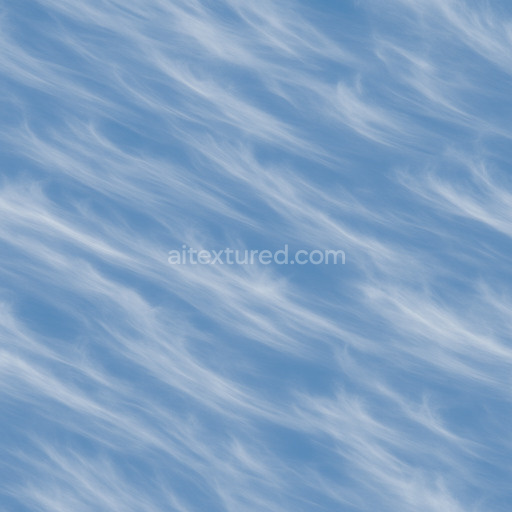
Natural Cirrus Seamless Texture
Seamless texture (tileable) · PNG, WEBP, PBR ZIP.
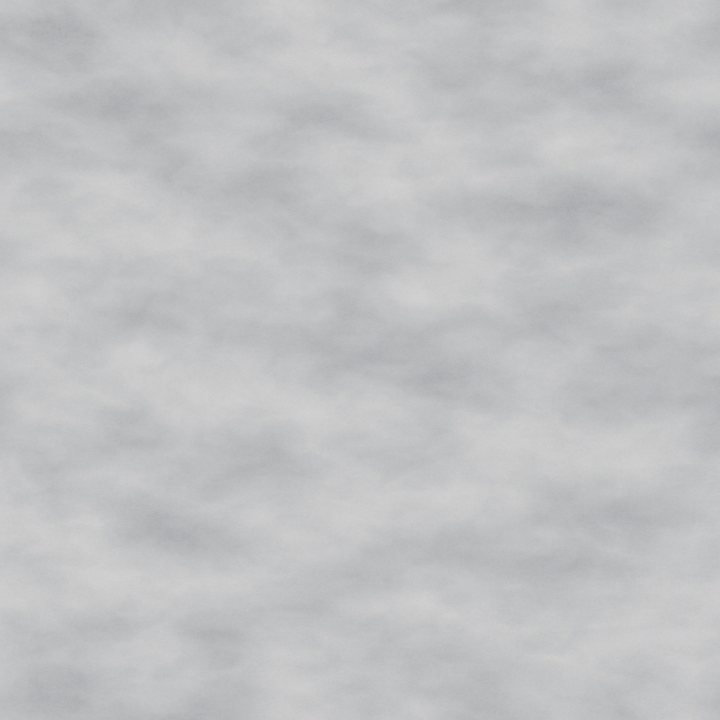
| ID | light-stratus-seamless-texture |
|---|---|
| Category | Clouds |
| Formats | PNG, WEBP, PBR ZIP |
| Size | 1k (1024x1024px), 2k (2048x2048px), 4k (4096x4096px), 8k (8192x8192px) |
| Tileable | Yes |
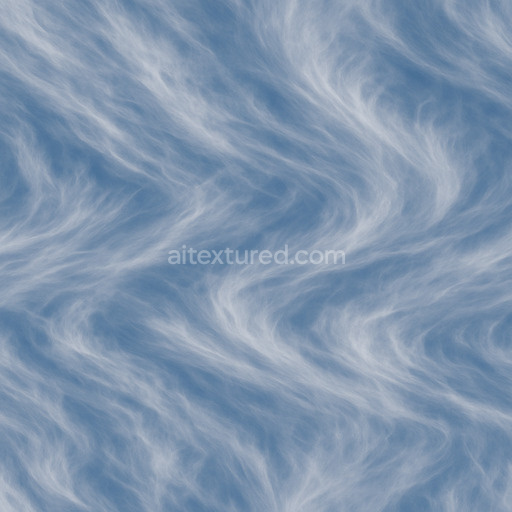
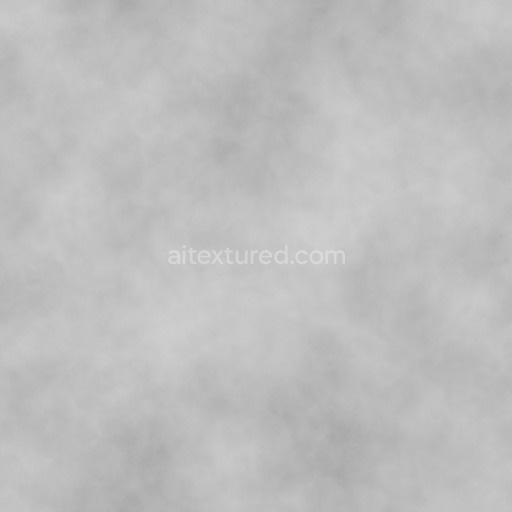
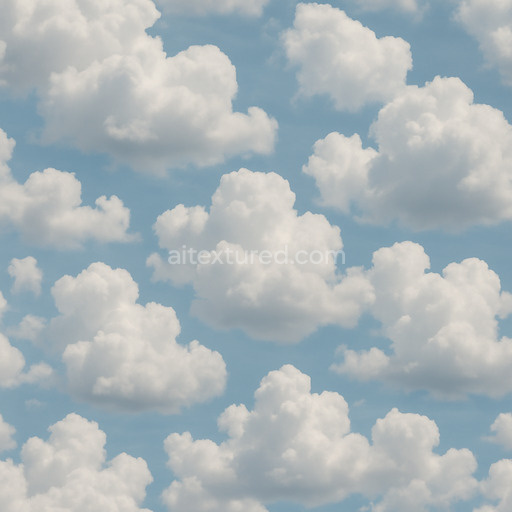
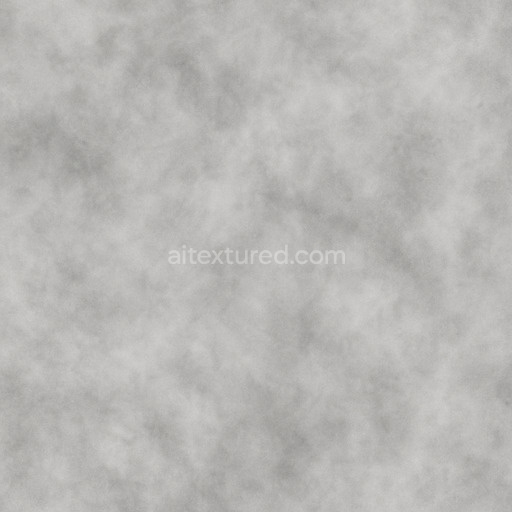
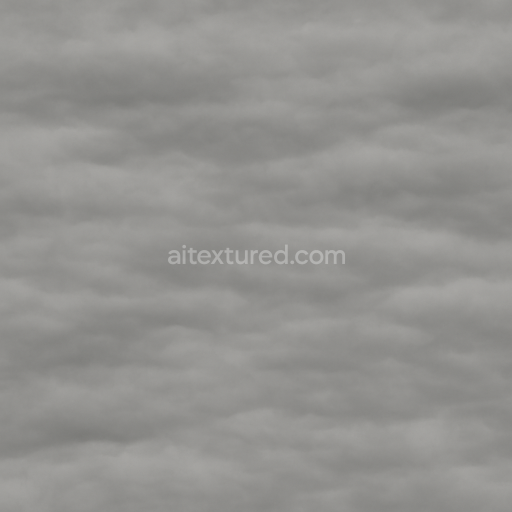
The Light Stratus Seamless Texture captures the delicate layering and diffuse quality typical of stratus cloud formations presented as a finely detailed tileable pattern designed to cover expansive surfaces without visible seams. Its base composition evokes a soft organic substrate reminiscent of fine mineral particles suspended in a thin polymer binder creating a semi-translucent matte surface that balances smoothness with subtle textural variation. The color palette relies on muted off-whites and light grays simulating natural cloud hues with gentle gradients achieved through carefully blended pigments rather than harsh dyes. This results in a visually stable finish that avoids abrupt color shifts and enhances the seamless integration across tiled areas. The texture’s microstructure suggests a low-porosity surface with minimal weathering effects preserving consistent detail while maintaining a natural softness suitable for realistic environmental renders.
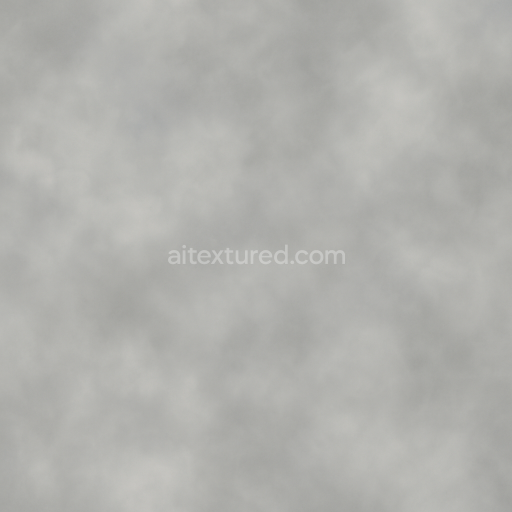
From a PBR perspective the BaseColor (Albedo) channel delivers nuanced soft tonal variations mimicking the diffused illumination of light stratus clouds. The Normal map introduces subtle surface undulations and gentle grain orientation adding depth without overpowering the texture’s inherent smoothness. Roughness is tuned to a moderately high level reflecting the matte lightly scattering nature of cloud surfaces and providing a naturalistic diffuse response under varied lighting conditions. The Metallic channel remains neutral as expected for an organic non-metallic material while the Ambient Occlusion map enhances the perception of depth by softly shading crevices and folds inherent in the texture’s pattern. Finally the Height/Displacement channel offers low-relief surface breakup ideal for subtle parallax effects that enrich realism without compromising the texture’s seamless properties.
Optimized for use at resolutions up to 8K this tileable Light Stratus Seamless Texture ensures crisp artifact-free results even on large-scale applications making it ideal for archviz scenes game environments product mockups and interior staging projects. Its compatibility out of the box with Blender Unreal Engine and Unity accelerates iteration workflows by providing immediate high-quality cloud textures that maintain consistent detail regardless of scale. For best results consider adjusting the UV scale to balance pattern repetition and detail density and combine with a subtle ambient occlusion pass plus a light normal map overlay to enhance surface breakup without introducing excessive sharpness or noise.
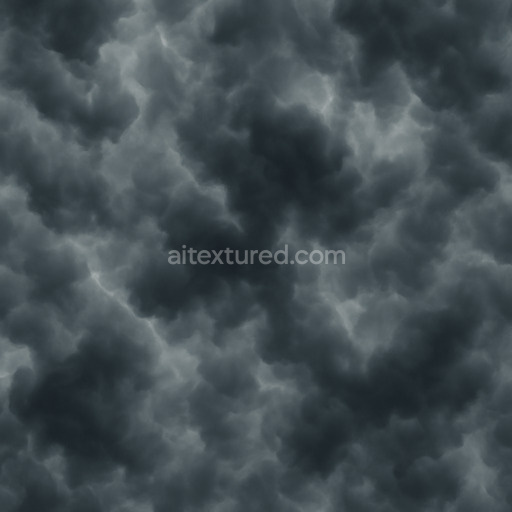
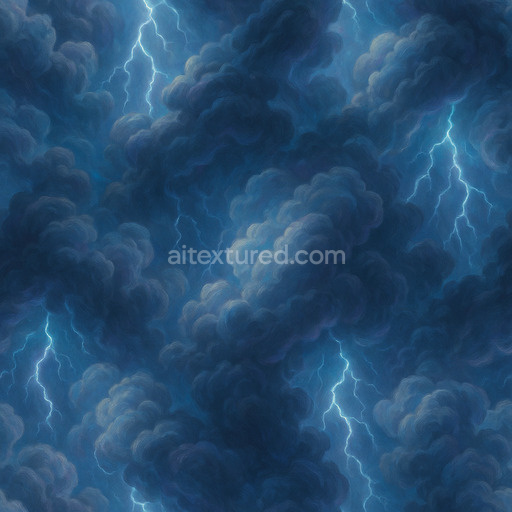
The generated light stratus seamless texture offers a realistic seamless light stratus seamless texture with detailed clouds textures and a 3D preview that highlights its PBR material composition.
Import the texture maps into Blender with sRGB color space for albedo/base color and Non-Color for normal, roughness, metallic, AO, height, and ORM maps. Connect normal maps through a Normal Map node, then adjust UV scale with a Mapping node so the material repeats naturally on your model.
For the full step-by-step setup, see How to Use Seamless Textures in Blender. Browse related material examples in wood, concrete, and metal.
Yes. This texture is designed as a seamless tileable PBR material, so it can repeat across large surfaces without visible borders.
Use the download controls on this page: they expose the available PNG, WEBP or engine ZIP choices and supported resolutions for this asset.
Use the engine ZIP choices to package compatible source maps for Blender, Unreal Engine or Unity, then verify the imported material in the target application.
Commercial-use permission is not verified for this record. Confirm the original source and license before production use.
Generate maps from existing images, preview materials, convert channels, and package compatible inputs for Blender, Unity, and Unreal Engine.
Choose a verified workflow for generating maps, previewing tiling, converting channels, or starting from the texture catalog.
Derive Normal, Roughness, AO, Metallic, Height and optional ORM maps from one or more source images, then review the results.
Instant WebGL viewer: inspect materials on a sphere, plane, and cube. Check tiling and lighting in real time.
Re-packages maps per engine: Unreal (BaseColor + ORM), Unity (Mask/MetallicSmoothness), Blender (separate channels).
PNG ↔ JPG ↔ SVG: fast convert, SVG rasterize, embed/trace options, quality & background controls.