
Blue Cheese Texture | Free PBR
Seamless texture (tileable) · PNG, WEBP, PBR ZIP.
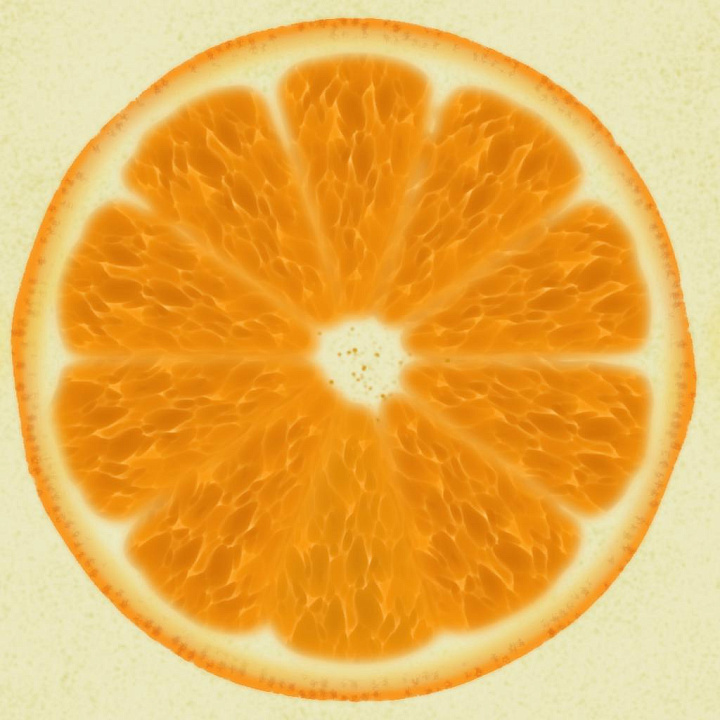
| ID | orange-slice-texture-free-pbr |
|---|---|
| Category | Food |
| Formats | PNG, WEBP, PBR ZIP |
| Size | 1k (1024x1024px), 2k (2048x2048px), 4k (4096x4096px), 8k (8192x8192px) |
| Tileable | Yes |
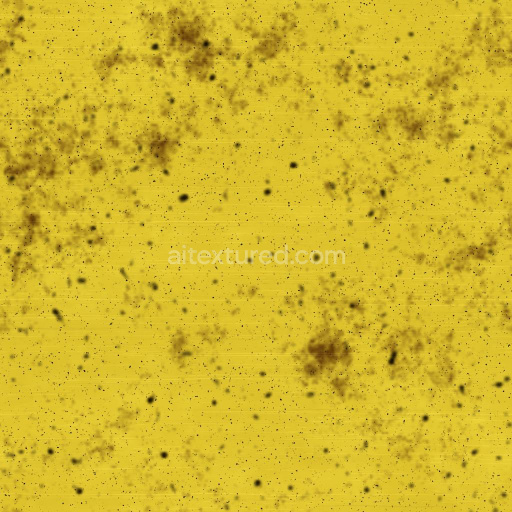
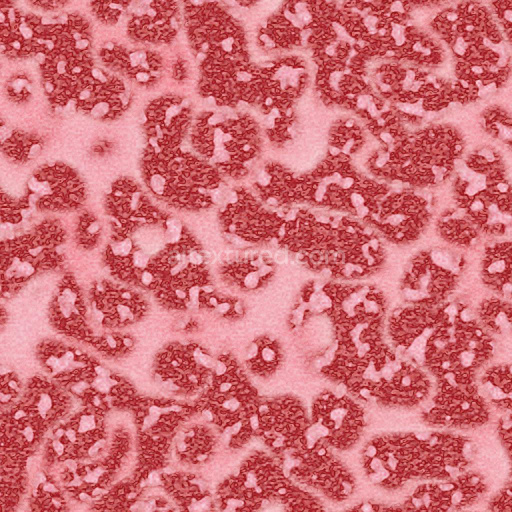
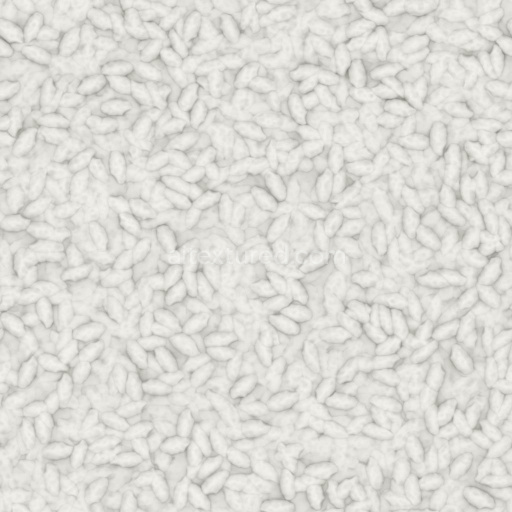
This Orange Slice texture captures the intricate organic structure of a freshly cut orange segment, rendered in high-quality 8K resolution for exceptional detail and realism. The base material is a natural organic substrate composed primarily of fibrous plant cells and juice vesicles, which create a semi-translucent, slightly porous surface. The texture’s surface finish reflects the moist, slightly glossy appearance of the fruit’s flesh, with subtle variations in translucency and color caused by the natural pigments—primarily carotenoids and flavonoids—that give the orange its vibrant, saturated hues. These pigments manifest clearly in the BaseColor/Albedo channel, offering a true-to-life palette of warm oranges, yellows, and pale whites, while the Normal map defines the delicate, bumpy grain orientation of the juice sacs and membrane fibers, enhancing tactile realism.
In the PBR material setup, the Roughness channel exhibits moderate values to simulate the semi-glossy, slightly wet surface texture typical of fresh citrus slices, while the Metallic channel remains at zero, accurately reflecting the organic, non-metallic nature of the subject. The Ambient Occlusion map enhances the subtle crevices and folds between the juice vesicles, adding depth and shadowing to the texture. Height or Displacement maps provide fine relief detailing, allowing for realistic surface undulations that respond naturally to lighting and viewing angles in real-time engines such as Unreal Engine, Unity, and 3D software like Blender. This careful layering of PBR maps ensures the material reacts authentically under various lighting conditions and environments.
When applying this texture in a 3D scene, it is advisable to adjust the UV scale to maintain the natural size of the orange slice’s cellular structure, preventing distortion or repetition artifacts. Additionally, fine-tuning the roughness parameter can help match different fruit states—lower roughness values for a fresh, moist look or slightly higher for a dried, matte finish. This flexibility makes the texture ideal for use in food visualization, botanical projects, or organic material studies where photorealism and physical accuracy are paramount. Its seamless design and licensing also facilitate easy integration into diverse creative workflows without restrictions.
Import the texture maps into Blender with sRGB color space for albedo/base color and Non-Color for normal, roughness, metallic, AO, height, and ORM maps. Connect normal maps through a Normal Map node, then adjust UV scale with a Mapping node so the material repeats naturally on your model.
For the full step-by-step setup, see How to Use Seamless Textures in Blender. Browse related material examples in wood, concrete, and metal.
Yes. This texture is designed as a seamless tileable PBR material, so it can repeat across large surfaces without visible borders.
Use the download controls on this page: they expose the available PNG, WEBP or engine ZIP choices and supported resolutions for this asset.
Use the engine ZIP choices to package compatible source maps for Blender, Unreal Engine or Unity, then verify the imported material in the target application.
Commercial-use permission is not verified for this record. Confirm the original source and license before production use.



Generate maps from existing images, preview materials, convert channels, and package compatible inputs for Blender, Unity, and Unreal Engine.
Choose a verified workflow for generating maps, previewing tiling, converting channels, or starting from the texture catalog.
Derive Normal, Roughness, AO, Metallic, Height and optional ORM maps from one or more source images, then review the results.
Instant WebGL viewer: inspect materials on a sphere, plane, and cube. Check tiling and lighting in real time.
Re-packages maps per engine: Unreal (BaseColor + ORM), Unity (Mask/MetallicSmoothness), Blender (separate channels).
PNG ↔ JPG ↔ SVG: fast convert, SVG rasterize, embed/trace options, quality & background controls.