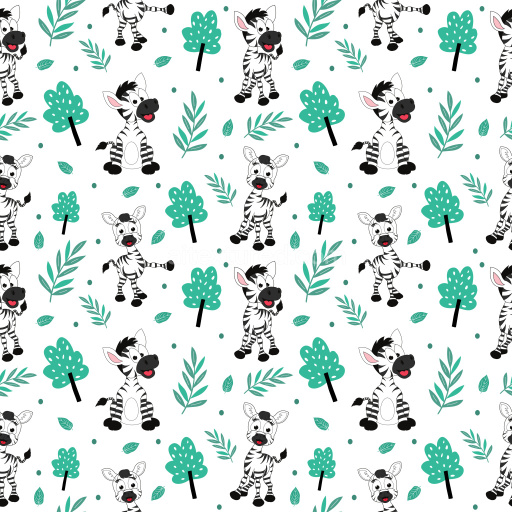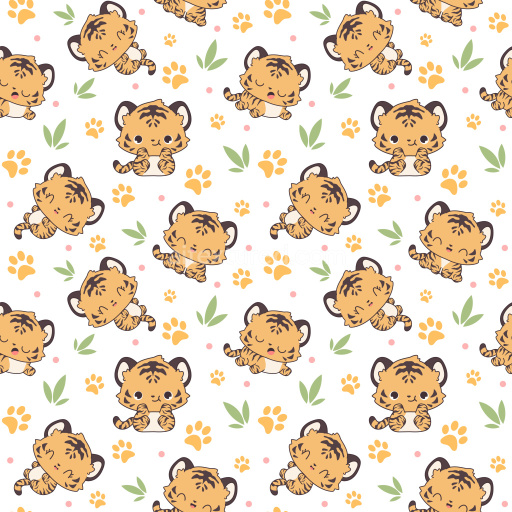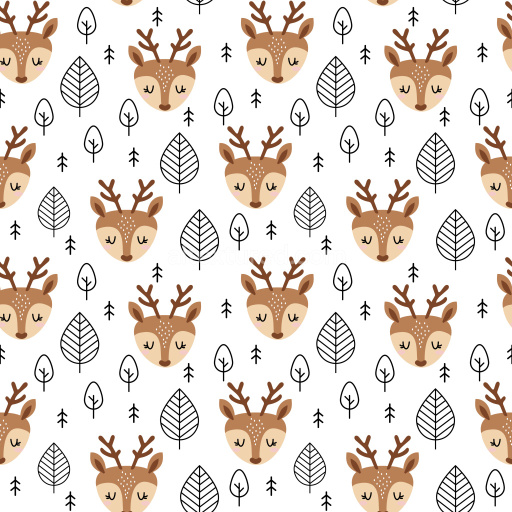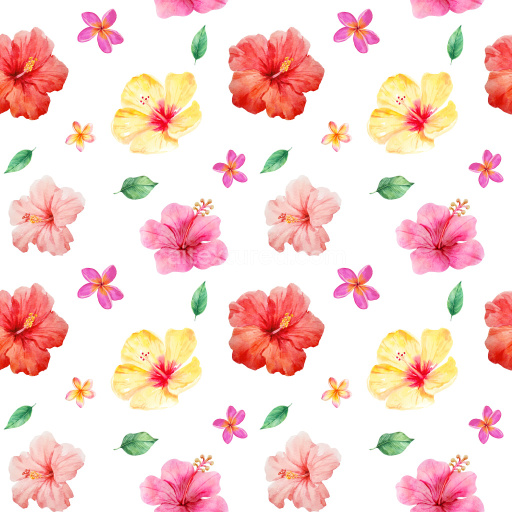
Seamless 3D Pattern PBR Texture Featuring Vivid Parrot Motifs and Tropical Leaves

Seamless texture (tileable) · PNG. License: Free for personal & commercial use.

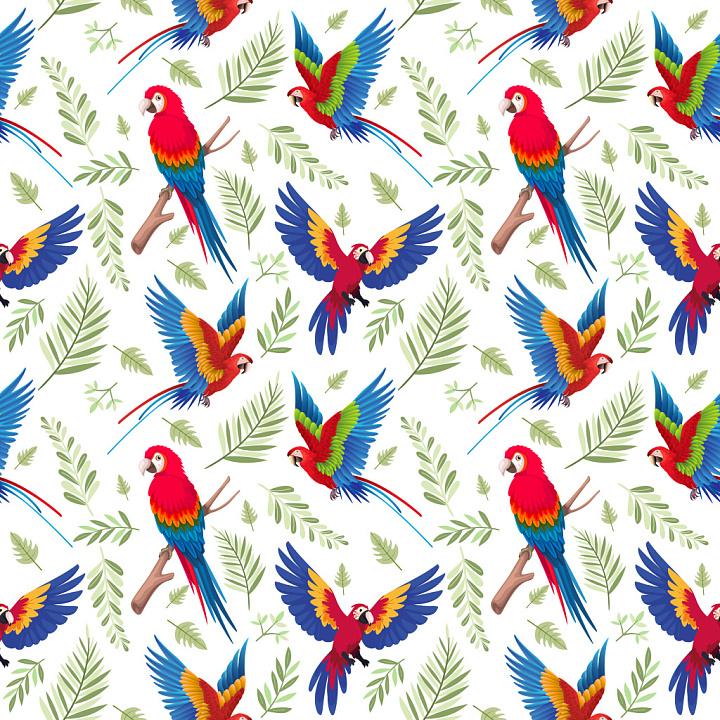
Pattern Bundle - Seamless 3D Pattern PBR Texture Featuring Vivid Parrot Motifs and Tropical Leaves texture preview

Texture Info

IDpattern-bundle-seamless-pbr-parrot-pattern-texture-with-tropical-foliage
CategoryPattern Bundle
FormatsPNG
Size1k (1024x1024px), 2k (2048x2048px), 4k (4096x4096px), 8k (8192x8192px)
ColorsRGB
TileableYes
This seamless 3D pattern PBR texture showcases a lively tropical theme combining vivid parrot illustrations and assorted green foliage motifs. The texture features multiple distinct parrot poses: perched parrots on branches and dynamic flying parrots with open wings. Each bird is rendered in bold red, blue, green, and yellow hues with smooth vector-style linework, giving the pattern a clean and vibrant finish. The leafy motifs vary from slender palm fronds to delicate small leaves, dispersed with balanced spacing throughout the white background to maintain a fresh and airy rhythm. The pattern repeats seamlessly with natural distribution, avoiding visual crowding or overlap, making it ideal for tiling in any direction. This tileable PBR-ready pattern is designed to deliver crisp, UV-friendly application on surfaces in Blender, Unreal Engine, Unity, 3ds Max, or Cinema 4D. Its bright palette and illustrative style are especially suited for tropical-themed interior decorative elements, fabrics, wallpaper designs, packaging graphics, children's product renders, and stylized brand visuals. Artistic yet versatile, this parrot pattern brings energetic, exotic character to any 3D or 2D creative project requiring a playful, colorful aesthetic with a natural theme.

How to Use These Seamless PBR Textures in Blender

This quick guide shows how to connect a seamless PBR texture set in Blender using Principled BSDF. The workflow works for tileable materials used in Blender, Unreal Engine, Unity, archviz, and game environments.

What Is Included

  • albedo or base color for the visible surface color
  • normal for fine surface relief
  • roughness for gloss and reflectivity control
  • metallic for metal or dielectric response
  • ao for ambient occlusion in cavities
  • height for bump, parallax, or displacement
  • ORM packed maps for optimized real-time workflows
Blender node setup overview for a seamless PBR texture
Example node layout for a standard PBR material in Blender.

Quick Start

  1. Open the Shader Editor and create a new material.
  2. Add an Image Texture node for each map you want to use.
  3. Set Color Space to sRGB for Albedo and to Non-Color for Normal, Roughness, Metallic, AO, Height, and ORM.
  4. Connect the maps to the matching inputs on Principled BSDF.

Recommended Connections

  • Albedo -> Base Color
  • Roughness -> Roughness
  • Metallic -> Metallic
  • Normal -> Normal Map node -> Normal
  • Height -> Bump or Displacement, depending on your render setup
Adding an image texture node in Blender
Add an Image Texture node before assigning the downloaded maps.

Using ORM Maps

If your download includes a packed ORM texture, split its RGB channels: R = AO, G = Roughness, B = Metallic. This is useful for Unreal Engine and other optimized real-time pipelines.

Tiling and UV Scale

Because these textures are seamless, you can repeat them across large surfaces without visible seams. Use a Mapping node to increase or reduce tiling density on floors, walls, terrain, props, and modular assets.

Common Mistakes

  • Using sRGB on non-color maps
  • Connecting a Normal map directly without a Normal Map node
  • Overdriving Height or Bump values so the surface looks unnatural
  • Ignoring texture scale, which makes seamless materials look repetitive
Loading a downloaded texture set into Blender
Load the downloaded texture set and wire the maps to Principled BSDF.

For more examples, browse related categories such as Wood Textures, Concrete Textures, and Metal Textures.

AITEXTURED Tools

Build, preview, and export seamless PBR materials. Generate full map sets from a single image, inspect them in a real-time WebGL viewer, and re-package maps for Unreal, Unity, and Blender—directly in your browser.