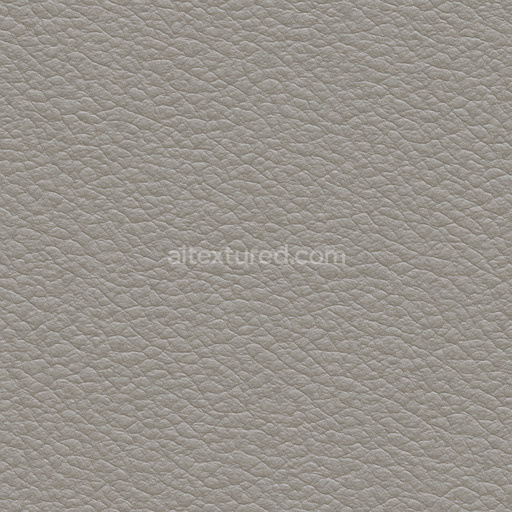
Detailed Pvc Seamless Texture
Seamless texture (tileable) · PNG, WEBP, PBR ZIP.
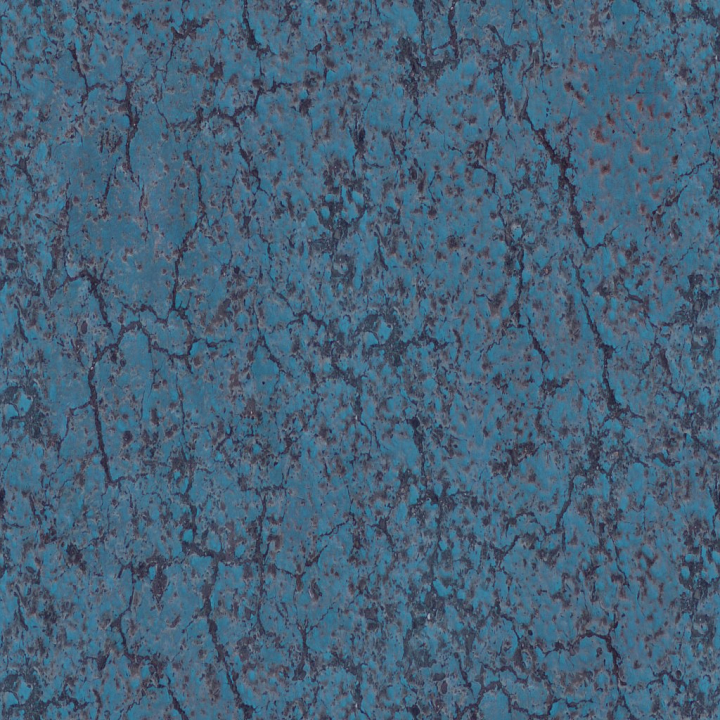
| ID | aged-archviz-damaged-old-paint-plaster-substance |
|---|---|
| Category | Plastic |
| Formats | PNG, WEBP, PBR ZIP |
| Size | 1k (1024x1024px), 2k (2048x2048px), 4k (4096x4096px), 8k (8192x8192px) |
| Tileable | Yes |
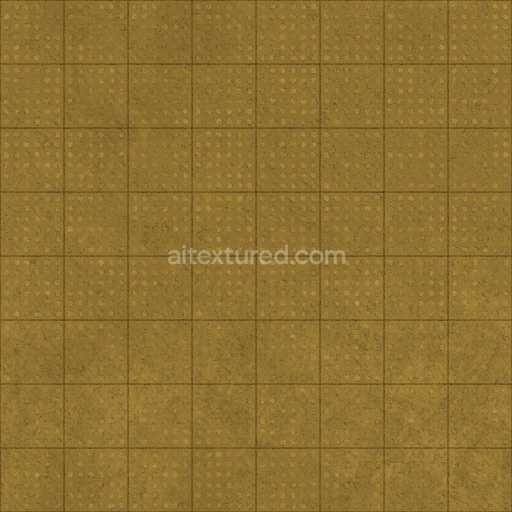
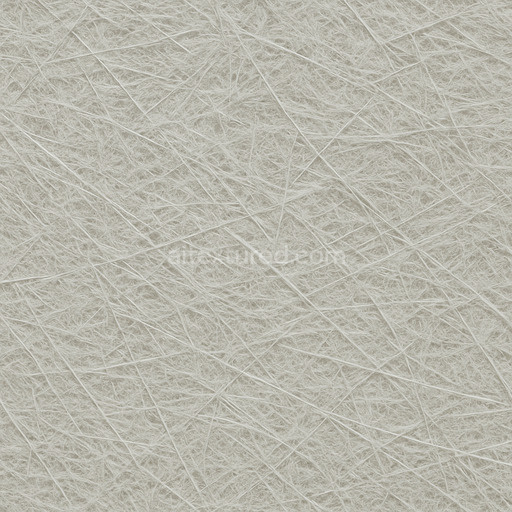
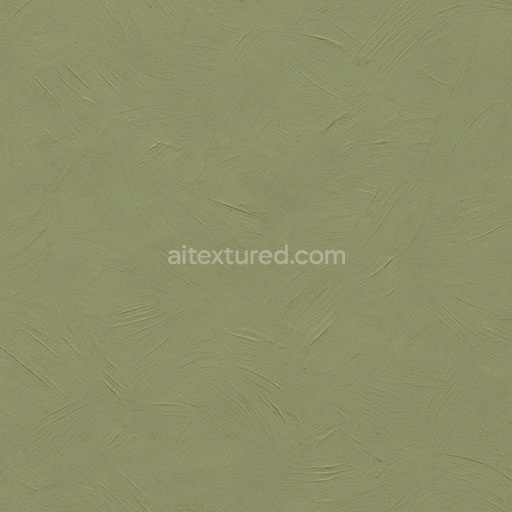
This aged archviz damaged old paint plaster substance texture captures the authentic complexity of weathered wall surfaces combining mineral-based plaster with residual layers of oxidized paint. The base substrate consists primarily of porous mineral aggregates bound by a traditional lime or cement binder that has naturally degraded over time. Fine cracks chips and flaking paint pigments reveal the layered structure while subtle variations in grain orientation and surface porosity contribute to the material’s tactile realism. The surface finish is matte and rough with a naturally eroded patina emphasizing the effects of prolonged exposure to environmental elements on both plaster and paint layers. Colorants include muted earth tones and faded oxide pigments that retain a consistent response across lighting conditions mirroring the visual characteristics of aged walls in architectural visualization projects.
This seamless PBR texture set is carefully prepared for physically based rendering workflows and includes all common maps essential for realistic material representation: BaseColor (Albedo) captures the nuanced color variations of old plaster and peeling paint Normal maps simulate fine surface irregularities and cracks Roughness channels define surface micro-roughness for accurate light diffusion and Height/Displacement maps highlight depth variations caused by erosion and damage. The Metallic map remains minimal to reflect the non-metallic nature of plaster and paint while Ambient Occlusion enhances shadowing in crevices and chipped areas to add depth and dimensionality. Rendered at up to 8K resolution this texture is optimized for use in Blender Unreal Engine and Unity ensuring sharp detail even on large-scale wall applications.
For practical use it is recommended to carefully adjust UV scale to maintain the balance between visible surface detail and tiling repeat especially for expansive architectural surfaces. Slight tuning of the roughness map can enhance realism by adapting the surface reflectivity to different lighting setups or weathering states. This material is ideal for designers and visualization professionals seeking to add authentic aged wall surfaces with damaged paint and plaster details blending seamlessly in real-time and offline rendering environments. Attribution is appreciated but not required and the texture has been curated for quality and consistency to support efficient look-development workflows.
Import the texture maps into Blender with sRGB color space for albedo/base color and Non-Color for normal, roughness, metallic, AO, height, and ORM maps. Connect normal maps through a Normal Map node, then adjust UV scale with a Mapping node so the material repeats naturally on your model.
For the full step-by-step setup, see How to Use Seamless Textures in Blender. Browse related material examples in wood, concrete, and metal.
Yes. This texture is designed as a seamless tileable PBR material, so it can repeat across large surfaces without visible borders.
Use the download controls on this page: they expose the available PNG, WEBP or engine ZIP choices and supported resolutions for this asset.
Use the engine ZIP choices to package compatible source maps for Blender, Unreal Engine or Unity, then verify the imported material in the target application.
Commercial-use permission is not verified for this record. Confirm the original source and license before production use.
Generate maps from existing images, preview materials, convert channels, and package compatible inputs for Blender, Unity, and Unreal Engine.
Choose a verified workflow for generating maps, previewing tiling, converting channels, or starting from the texture catalog.
Derive Normal, Roughness, AO, Metallic, Height and optional ORM maps from one or more source images, then review the results.
Instant WebGL viewer: inspect materials on a sphere, plane, and cube. Check tiling and lighting in real time.
Re-packages maps per engine: Unreal (BaseColor + ORM), Unity (Mask/MetallicSmoothness), Blender (separate channels).
PNG ↔ JPG ↔ SVG: fast convert, SVG rasterize, embed/trace options, quality & background controls.