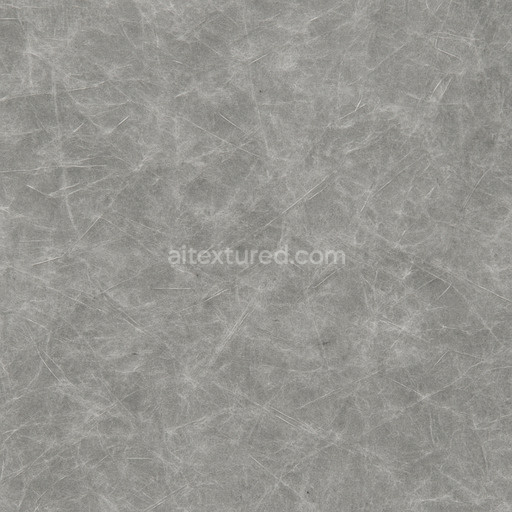
Worn Polyethylene Seamless Texture
Seamless texture (tileable) · PNG, WEBP, PBR ZIP.
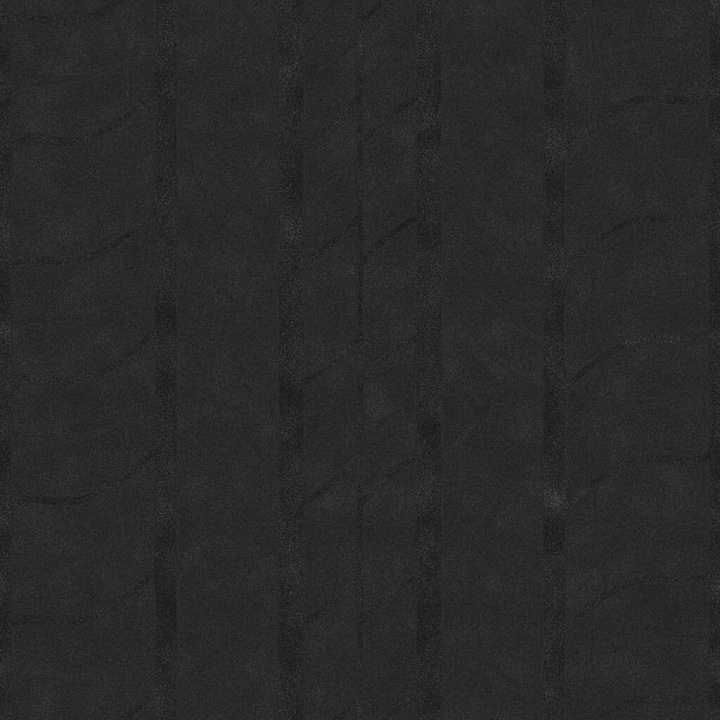
| ID | clean-car-tire-rubber-texture-free-pbr |
|---|---|
| Category | Plastic |
| Formats | PNG, WEBP, PBR ZIP |
| Size | 1k (1024x1024px), 2k (2048x2048px), 4k (4096x4096px), 8k (8192x8192px) |
| Tileable | Yes |
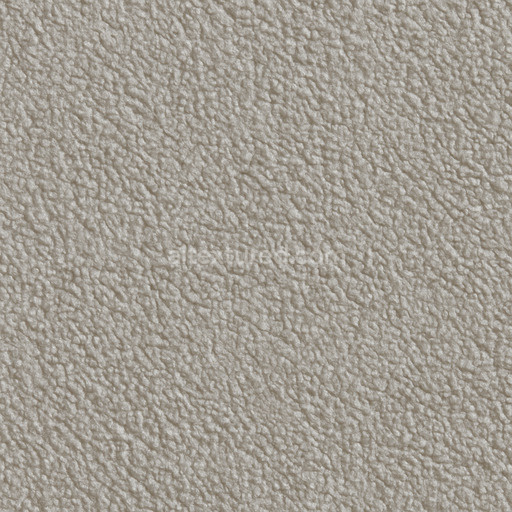
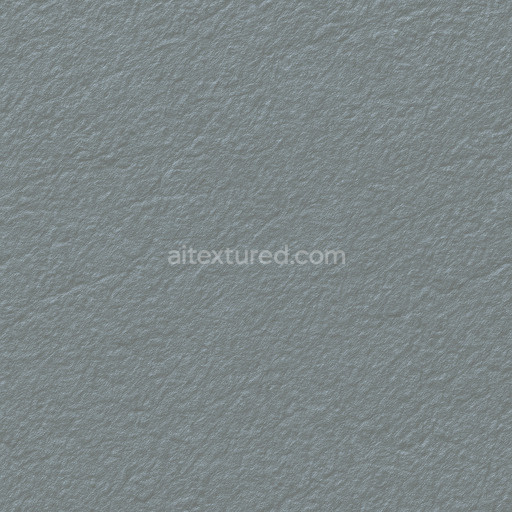
The Clean Car Tire Rubber Texture (Plastic 0022) offers an exceptionally detailed and realistic depiction of automotive tire rubber surfaces, making it an ideal choice for rendering sports cars, sedans, trucks, and other vehicle types. This texture accurately captures the characteristic tread pattern formed by a polymer-based rubber compound, primarily composed of synthetic elastomers reinforced with carbon black and a blend of additives designed to enhance durability, grip, and resistance to wear. The rubber substrate features a dense yet slightly porous microstructure that is engineered to absorb shocks and maintain traction across a wide range of driving conditions. Its surface finish is predominantly matte, with subtle roughness and fine grain orientation that reflect the natural texture and minimal wear of clean, well-maintained tires, maintaining the authentic look of fresh rubber without excessive gloss or shine.
In physically based rendering (PBR) workflows, this texture excels by precisely mapping the material’s complex physical properties across multiple channels. The BaseColor/Albedo channel presents the deep, rich black tone typical of tire rubber, subtly muted by natural carbon deposits and minimal pigmentation to avoid artificial brightness. The Normal map enhances the intricate tread design and micro-surface irregularities, adding realistic depth and tactile detail to the tire’s surface. Roughness values are calibrated to simulate the semi-matte, non-reflective nature of rubber, ensuring correct light diffusion without unwanted reflections. The Metallic channel remains near zero, as tire rubber is a non-metallic polymer, while the Ambient Occlusion map accentuates the crevices and recesses between tread blocks, boosting contrast and dimensionality. Height or Displacement maps provide subtle relief for the tread features, allowing for enhanced parallax effects and realistic surface deformation in real-time engines.
This clean car tire rubber texture is optimized up to 8K resolution, guaranteeing crisp and detailed visuals even in close-up renders. It is fully compatible with major 3D software platforms such as Blender, Unreal Engine, and Unity, ensuring seamless integration into a variety of workflows. For best results, it is recommended to adjust the UV scale to maintain accurate tread proportions relative to the vehicle model, which helps preserve the texture’s realism. Additionally, fine-tuning the roughness parameter can simulate different levels of tire wear—from freshly molded rubber to gently worn surfaces—enhancing the authenticity and overall visual impact of your 3D vehicle renders.
Import the texture maps into Blender with sRGB color space for albedo/base color and Non-Color for normal, roughness, metallic, AO, height, and ORM maps. Connect normal maps through a Normal Map node, then adjust UV scale with a Mapping node so the material repeats naturally on your model.
For the full step-by-step setup, see How to Use Seamless Textures in Blender. Browse related material examples in wood, concrete, and metal.
Yes. This texture is designed as a seamless tileable PBR material, so it can repeat across large surfaces without visible borders.
Use the download controls on this page: they expose the available PNG, WEBP or engine ZIP choices and supported resolutions for this asset.
Use the engine ZIP choices to package compatible source maps for Blender, Unreal Engine or Unity, then verify the imported material in the target application.
Commercial-use permission is not verified for this record. Confirm the original source and license before production use.

Generate maps from existing images, preview materials, convert channels, and package compatible inputs for Blender, Unity, and Unreal Engine.
Choose a verified workflow for generating maps, previewing tiling, converting channels, or starting from the texture catalog.
Derive Normal, Roughness, AO, Metallic, Height and optional ORM maps from one or more source images, then review the results.
Instant WebGL viewer: inspect materials on a sphere, plane, and cube. Check tiling and lighting in real time.
Re-packages maps per engine: Unreal (BaseColor + ORM), Unity (Mask/MetallicSmoothness), Blender (separate channels).
PNG ↔ JPG ↔ SVG: fast convert, SVG rasterize, embed/trace options, quality & background controls.