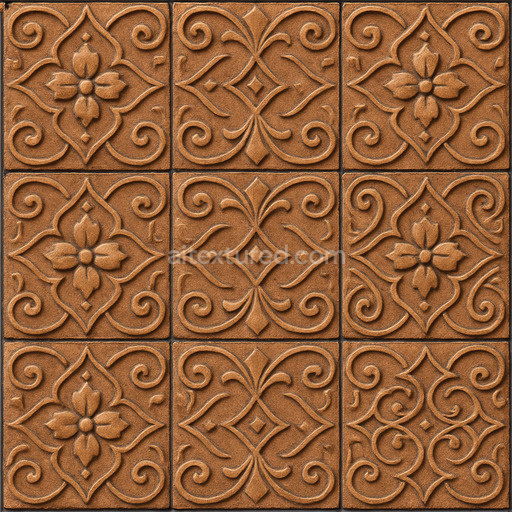
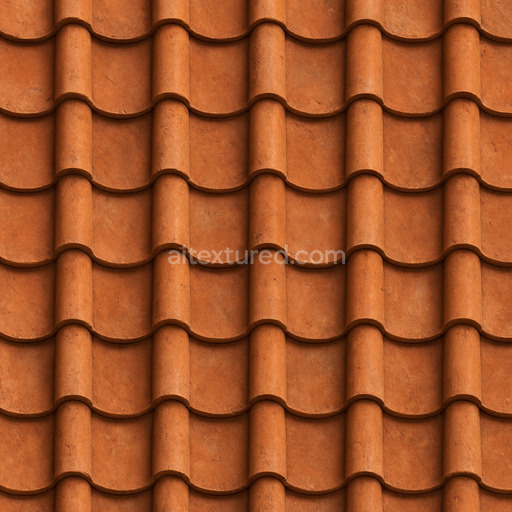
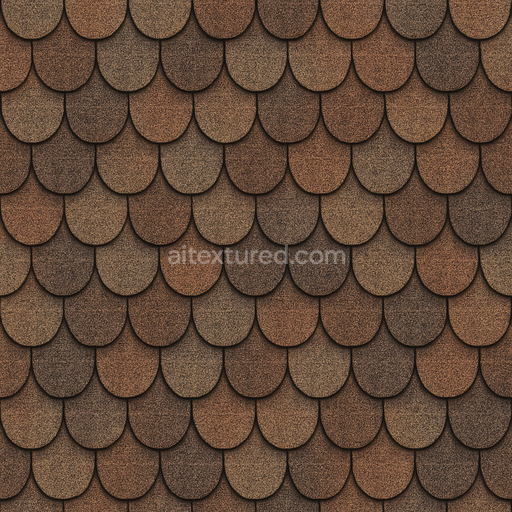
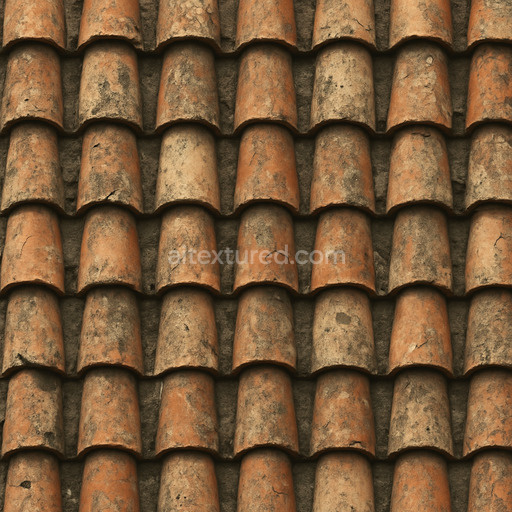
Patterned Clay Tiles Seamless Texture
Seamless texture (tileable) · PNG, WEBP, PBR ZIP.
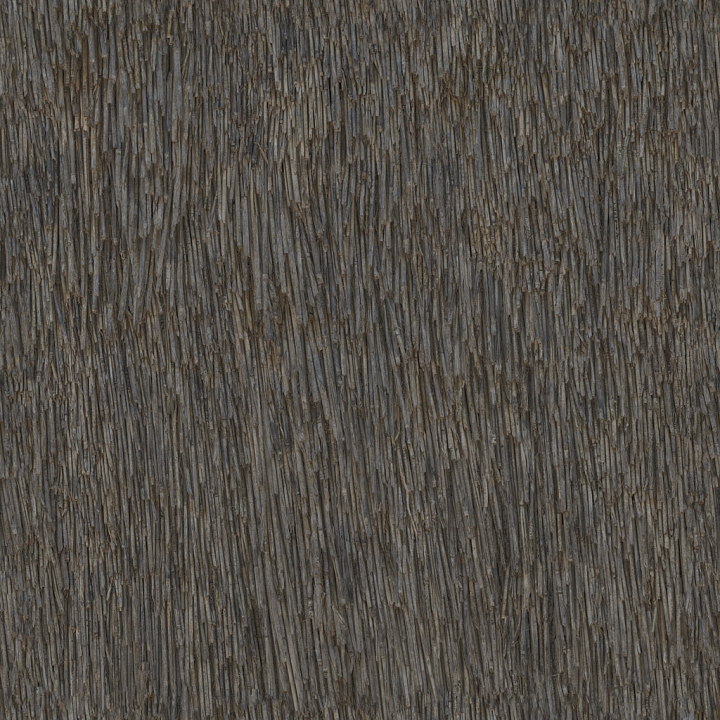
| ID | thatch-roof-angled-rough-thatch-reed-roof-roofing-structure |
|---|---|
| Category | Roofing |
| Formats | PNG, WEBP, PBR ZIP |
| Size | 1k (1024x1024px), 2k (2048x2048px), 4k (4096x4096px), 8k (8192x8192px) |
| Tileable | Yes |
This thatch roof texture is a carefully designed physically based rendering (PBR) material that faithfully replicates the complex organic composition of traditional thatch roofing made from tightly bundled angled reed fibers straw and hay. The base substrate is primarily composed of natural fibrous materials—reeds and dried grass—arranged in overlapping rough layers that create a structurally authentic weathered surface typical of medieval village houses rustic outdoor huts and other man-made roofing structures. The texture captures the porous uneven nature of dried straw and reed bundles with subtle color variations reflecting natural pigments sun-bleached tones and age-induced discoloration. This detailed surface finish is enhanced through the albedo (base color) map which carries warm earthy hues while the normal map simulates the intricate grain orientation and fibrous relief of the thatch emphasizing its three-dimensional rough texture.
The roughness and height maps work together to define the tactile and irregular qualities of the roofing material highlighting areas of natural wear erosion and weathered detail that contribute to its realistic aged appearance. Ambient occlusion maps deepen shadowed crevices between individual straw and reed bundles improving depth perception and structural complexity without manual adjustment. The metallic channel remains neutral reinforcing the purely organic non-metallic nature of the thatch roofing material. Designed as a seamless tileable 3D texture this thatch roof material supports consistent detail and shading across expansive surfaces compatible with both real-time and offline rendering workflows. Available in high-resolution 4K and optionally upgradable to 8K the texture is fully optimized for integration in modern 3D pipelines and popular engines such as Blender Unreal Engine and Unity utilizing the metal/rough workflow for reliable visually rich results.
For practical application adjusting the UV scale to match the architectural proportions of the thatch roof structure ensures that the angled reed bundles and rough surface detail appear natural and proportionate enhancing realism. Additionally fine-tuning the roughness parameter allows simulation of various weathering stages or moisture conditions from dry brittle straw to damp weathered roofing surfaces. The included PBR maps—albedo normal roughness ambient occlusion and height—are provided in versatile PNG and EXR formats offering flexibility for diverse rendering workflows and detailed visualization projects. This texture is ideal for recreating authentic thatch roofing on medieval village houses outdoor huts and other rustic man-made structures requiring a rich natural and weathered appearance without extensive manual modification.
Import the texture maps into Blender with sRGB color space for albedo/base color and Non-Color for normal, roughness, metallic, AO, height, and ORM maps. Connect normal maps through a Normal Map node, then adjust UV scale with a Mapping node so the material repeats naturally on your model.
For the full step-by-step setup, see How to Use Seamless Textures in Blender. Browse related material examples in wood, concrete, and metal.
Yes. This texture is designed as a seamless tileable PBR material, so it can repeat across large surfaces without visible borders.
Use the download controls on this page: they expose the available PNG, WEBP or engine ZIP choices and supported resolutions for this asset.
Use the engine ZIP choices to package compatible source maps for Blender, Unreal Engine or Unity, then verify the imported material in the target application.
Commercial-use permission is not verified for this record. Confirm the original source and license before production use.
Generate maps from existing images, preview materials, convert channels, and package compatible inputs for Blender, Unity, and Unreal Engine.
Choose a verified workflow for generating maps, previewing tiling, converting channels, or starting from the texture catalog.
Derive Normal, Roughness, AO, Metallic, Height and optional ORM maps from one or more source images, then review the results.
Instant WebGL viewer: inspect materials on a sphere, plane, and cube. Check tiling and lighting in real time.
Re-packages maps per engine: Unreal (BaseColor + ORM), Unity (Mask/MetallicSmoothness), Blender (separate channels).
PNG ↔ JPG ↔ SVG: fast convert, SVG rasterize, embed/trace options, quality & background controls.