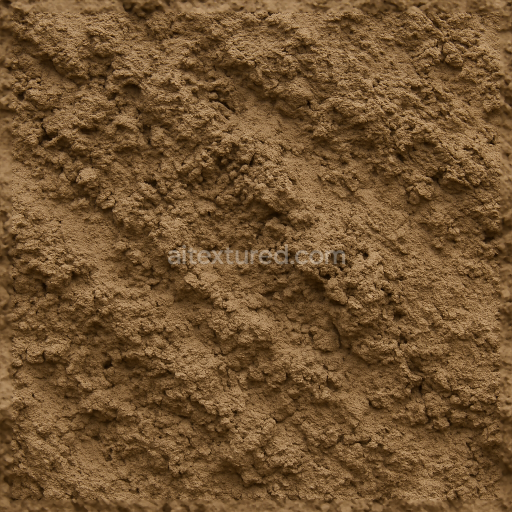
Muddy Hill Surface With Mud Texture Clumpy And Compacted
Seamless texture (tileable) · PNG, WEBP, PBR ZIP.
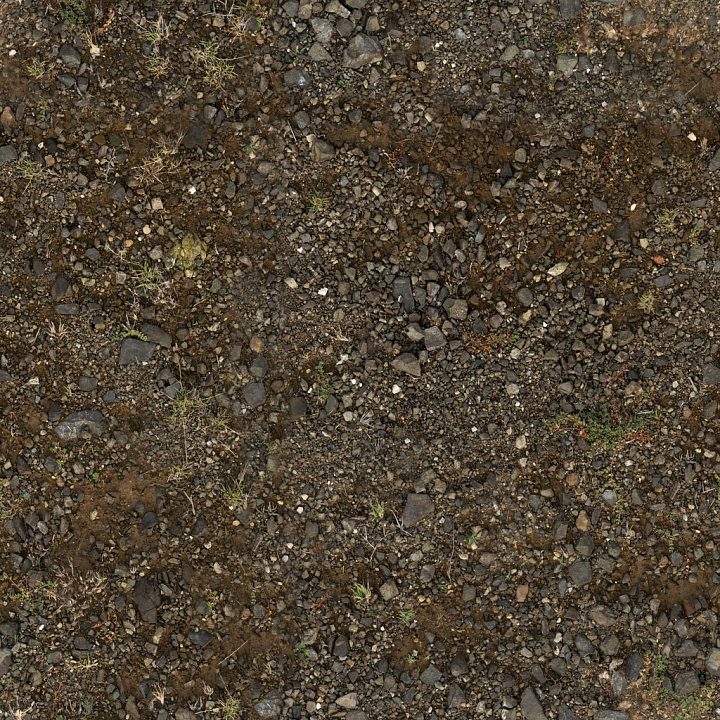
| ID | brown-mud-rocks-01-gravel-mud-moss-stones-forest-rocks |
|---|---|
| Category | Mud |
| Formats | PNG, WEBP, PBR ZIP |
| Size | 1k (1024x1024px), 2k (2048x2048px), 4k (4096x4096px), 8k (8192x8192px) |
| Tileable | Yes |
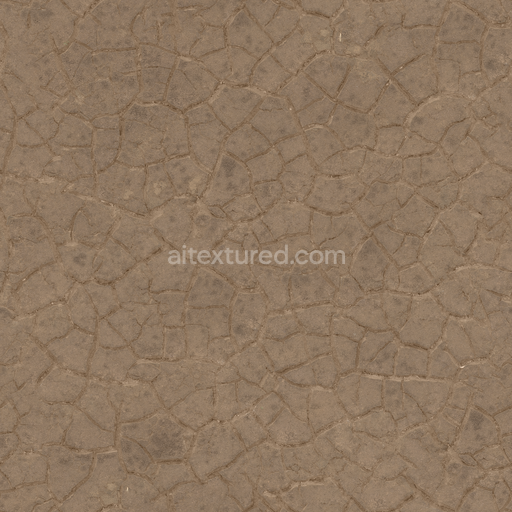
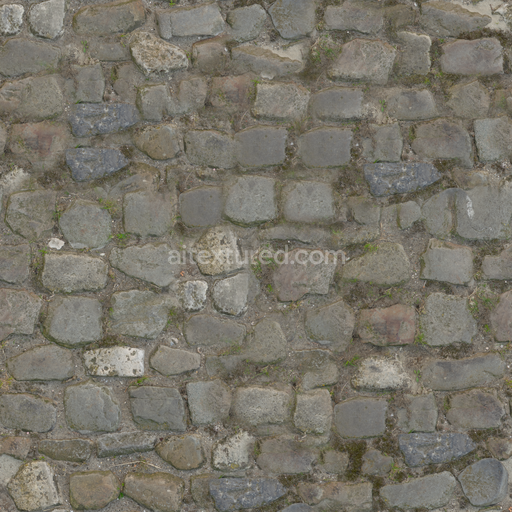
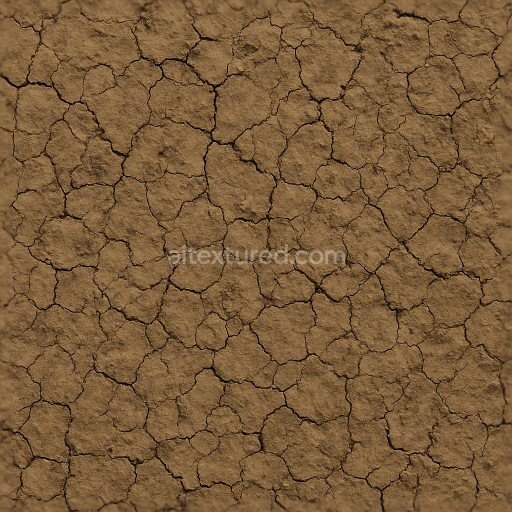
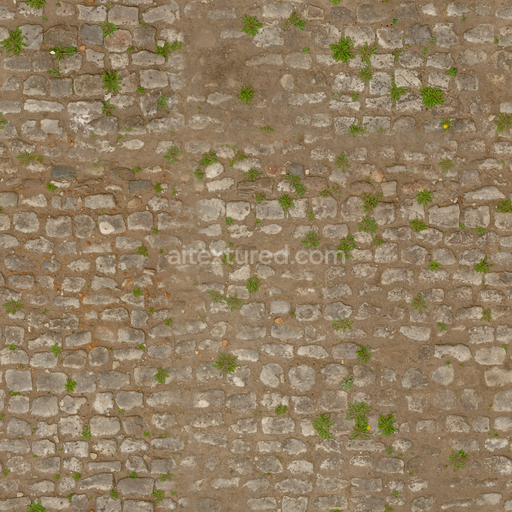
The Mud Moss Stones texture is a meticulously crafted seamless 3D material designed to replicate the natural complexity of brown mud rocks interspersed with moss and scattered plant debris typically found in forest and riverbank environments. This physically based rendering (PBR) texture features a base substrate composed of fine-grained mineral aggregates and organic matter combining the earthiness of wet rocky soil with the soft fibrous appearance of moss and loose stones. The surface finish exhibits a subtly roughened weathered look caused by natural erosion and moisture exposure while the color palette reflects various brown and green pigments blended with oxide layers to simulate the organic decay and mineral deposits characteristic of outdoor terrain.
Within the PBR workflow the included maps—albedo (BaseColor) normal roughness ambient occlusion (AO) and height (displacement)—work harmoniously to reproduce these material properties with high fidelity. The albedo map captures the nuanced pigmentation of mud moss and stones without metallic reflections ensuring a natural earthy appearance. The normal map adds detailed surface irregularities such as porous textures and fine grain orientation enhancing realism in both real-time and offline renderers. Roughness values are finely tuned to balance the damp matte finish of wet ground against the slightly glossier moss and loose stones while ambient occlusion deepens shadowed crevices and plant debris for added depth. Height maps provide subtle displacement effects that emphasize the uneven terrain and scattered weeds improving the perception of dimensionality in close-up views.
Available in 4K resolution with an optional 8K upgrade for high-end applications this texture is optimized for modern pipelines and supports consistent shading across Blender Unreal Engine and Unity. The texture is tileable and calibrated to perform reliably without manual tweaking making it suitable for use in natural outdoor scenes including terrains rocky soil riverbanks and forest floors. For best results it is recommended to adjust the UV scale to match the scene’s environmental features and to fine-tune the roughness channel to emphasize moisture variation on muddy versus mossy surfaces. The texture’s metal/rough workflow compatibility ensures seamless integration with physically based shading models providing balanced detail and performance across digital content creation tools and game engines.
Import the texture maps into Blender with sRGB color space for albedo/base color and Non-Color for normal, roughness, metallic, AO, height, and ORM maps. Connect normal maps through a Normal Map node, then adjust UV scale with a Mapping node so the material repeats naturally on your model.
For the full step-by-step setup, see How to Use Seamless Textures in Blender. Browse related material examples in wood, concrete, and metal.
Yes. This texture is designed as a seamless tileable PBR material, so it can repeat across large surfaces without visible borders.
Use the download controls on this page: they expose the available PNG, WEBP or engine ZIP choices and supported resolutions for this asset.
Use the engine ZIP choices to package compatible source maps for Blender, Unreal Engine or Unity, then verify the imported material in the target application.
Commercial-use permission is not verified for this record. Confirm the original source and license before production use.

Generate maps from existing images, preview materials, convert channels, and package compatible inputs for Blender, Unity, and Unreal Engine.
Choose a verified workflow for generating maps, previewing tiling, converting channels, or starting from the texture catalog.
Derive Normal, Roughness, AO, Metallic, Height and optional ORM maps from one or more source images, then review the results.
Instant WebGL viewer: inspect materials on a sphere, plane, and cube. Check tiling and lighting in real time.
Re-packages maps per engine: Unreal (BaseColor + ORM), Unity (Mask/MetallicSmoothness), Blender (separate channels).
PNG ↔ JPG ↔ SVG: fast convert, SVG rasterize, embed/trace options, quality & background controls.