
Padded Coat and Jacket Texture | Free PBR
Seamless texture (tileable) · PNG, WEBP, PBR ZIP. License: AITextured Free Commercial License (FCL) v1.1. Free personal and commercial use. Raw resale, standalone redistribution, mirroring/scraping, competing asset packs, and AI/ML training are not allowed without written permission. Attribution is not required, but appreciated..
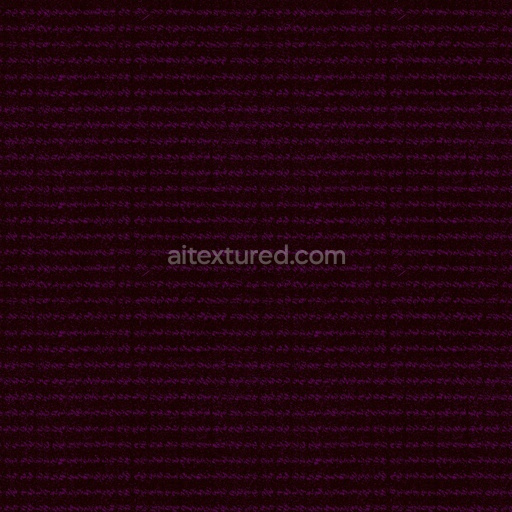
| ID | claret-red-fabric-by-share-textures-pbr-seamless-8k |
|---|---|
| Category | Fabric |
| Formats | PNG, WEBP, PBR ZIP |
| Size | 1k (1024x1024px), 2k (2048x2048px), 4k (4096x4096px), 8k (8192x8192px) |
| Color | sRGB |
| Tileable | Yes |
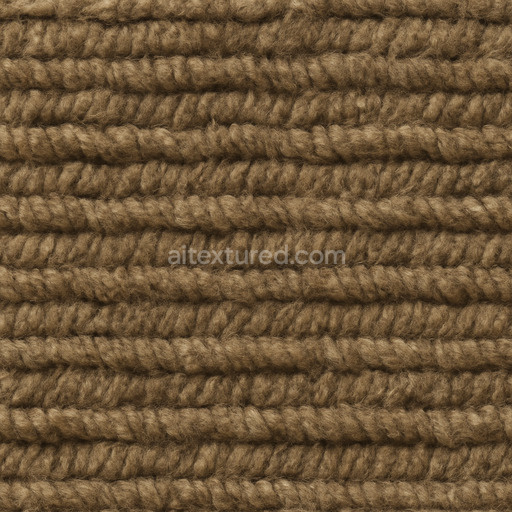
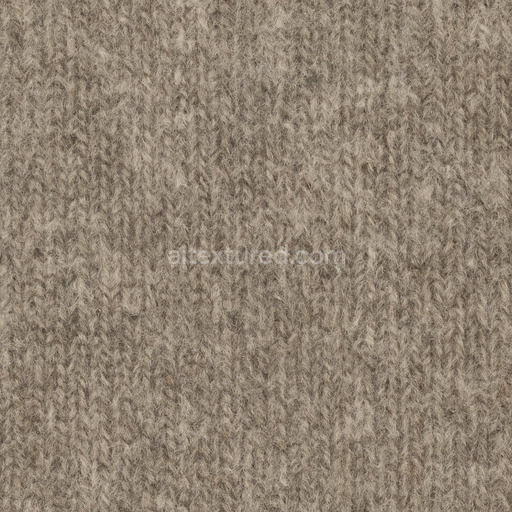
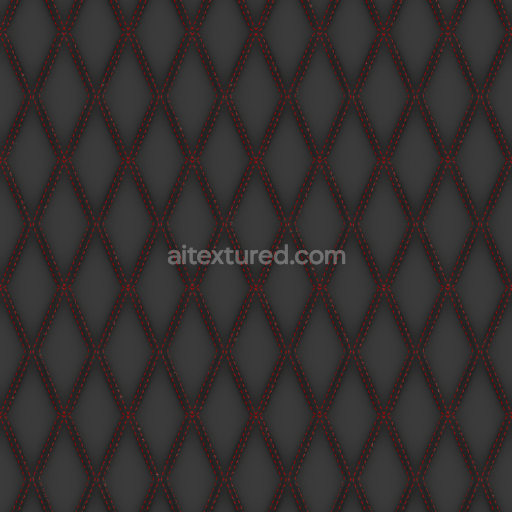
The Seamless Claret Red Fabric by Share Textures is a meticulously crafted PBR 3D texture that authentically replicates the look and feel of a high-quality textile material. This fabric texture mimics an organic polymer-based substrate where fine fibers are tightly interlaced to form a smooth yet tactile surface. The base material is composed of densely woven fibers bound together with subtle organic adhesives that maintain structural integrity while allowing for a soft pliable finish. The claret red color emerges from carefully balanced pigment dyes producing rich deep hues with natural tonal variations that enhance realism. These pigments interact with light diffusely creating a surface finish that is predominantly soft matte with minimal sheen accurately reflecting the subtle interplay of light typical of dyed textile surfaces without harsh reflections or glossiness.
In terms of materials representation the texture’s PBR channels are thoughtfully designed to convey the fabric’s complex composition and surface characteristics. The BaseColor (Albedo) channel captures the vivid claret red pigment with precise saturation and diffuse light absorption properties simulating natural dye behavior on fibers. The Normal map reveals the fine weave pattern and individual fiber orientations contributing to realistic light scattering and shadowing that conveys depth without distortion or repetitive artifacts. Roughness values are calibrated to reflect the semi-rough soft textile finish ensuring light highlights are gentle and diffused rather than sharp. The Metallic channel is consistently flat as expected for non-metallic fabric materials while Ambient Occlusion enhances subtle shading within fiber intersections and fabric folds. Height and Displacement maps simulate the fabric’s thickness and micro-surface irregularities supporting advanced rendering techniques like parallax occlusion to add tactile dimension and realism across large tiled surfaces.
This texture is optimized for seamless tiling and is compatible with major rendering engines such as Blender Unreal Engine and Unity supporting workflows that utilize Principled BSDF shaders UE4 material inputs and Unity’s URP/HDRP Lit shaders. With resolutions up to 8K it ensures exceptional detail even at close viewing distances maintaining consistent color and shading fidelity across engines. For best results it is recommended to maintain consistent UV scale to avoid texture stretching and to fine-tune roughness values depending on the lighting environment. Combining the Normal map with Height or Parallax Displacement further enriches the fabric’s tactile presence making this claret red textile an excellent choice for realistic 3D materials in fashion interior design or product visualization projects.
Import the texture maps into Blender with sRGB color space for albedo/base color and Non-Color for normal, roughness, metallic, AO, height, and ORM maps. Connect normal maps through a Normal Map node, then adjust UV scale with a Mapping node so the material repeats naturally on your model.
For the full step-by-step setup, see How to Use Seamless Textures in Blender. Browse related material examples in wood, concrete, and metal.
Yes. This texture is designed as a seamless tileable PBR material, so it can repeat across large surfaces without visible borders.
You can download PNG/WEBP versions and use 1K, 2K, 4K and 8K download options when available on the page.
Yes. The download options and engine-mapped ZIP workflow are designed for Blender, Unreal Engine, Unity Standard, URP and HDRP material pipelines.
Yes. The texture is available under the AITextured free commercial license. Review the license page for redistribution and AI-training restrictions.



Build, preview, and export seamless PBR materials. Generate full map sets from a single image, inspect them in a real-time WebGL viewer, and re-package maps for Unreal, Unity, and Blender—directly in your browser.
AI text-to-texture: type a prompt and get a seamless, tileable base image ready for PBR workflows (great starting point for materials).
Create a full PBR set (Normal, Roughness, AO, Metallic, etc.) from a single image. Seamless and tiling-friendly.
Instant WebGL viewer: inspect materials on a sphere, plane, and cube. Check tiling and lighting in real time.
Re-packages maps per engine: Unreal (BaseColor + ORM), Unity (Mask/MetallicSmoothness), Blender (separate channels).
PNG ↔ JPG ↔ SVG: fast convert, SVG rasterize, embed/trace options, quality & background controls.