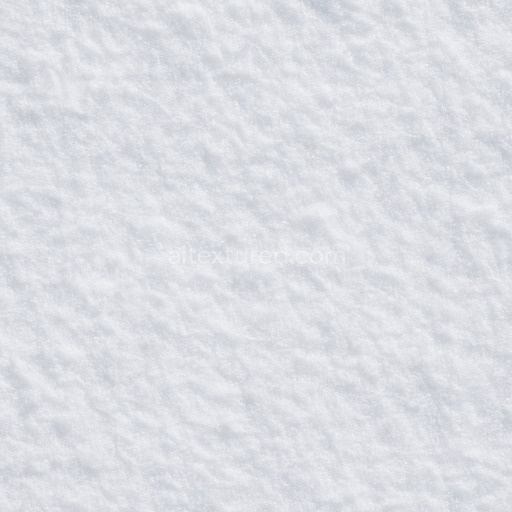
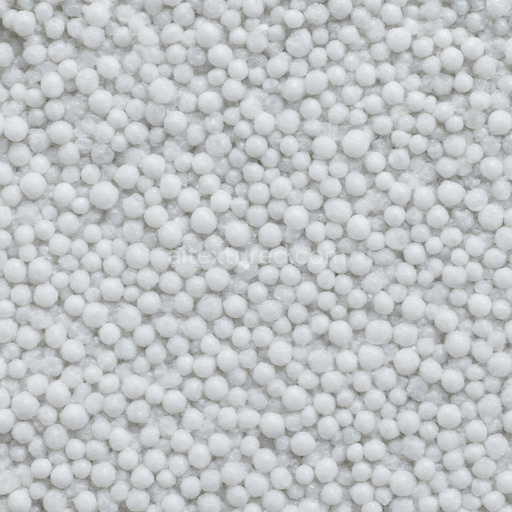
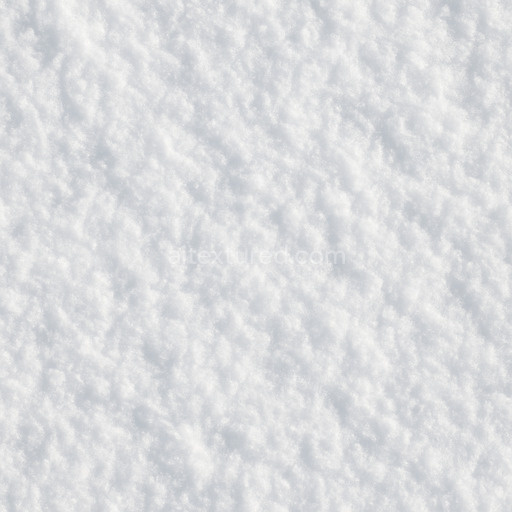
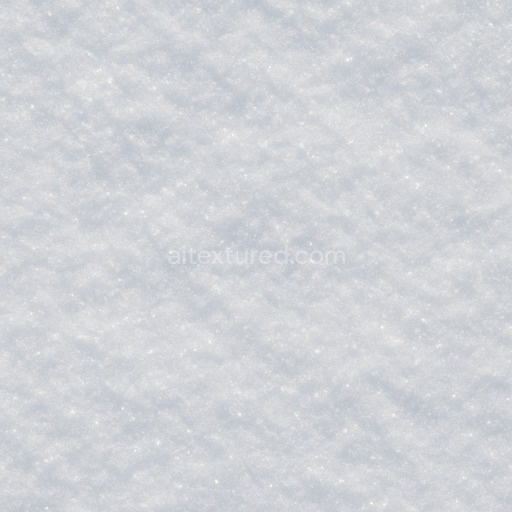
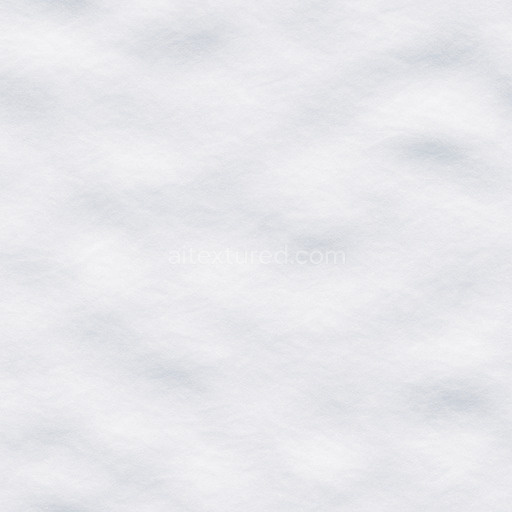
Seamless Powder Snow Seamless Texture
Seamless texture (tileable) · PNG, WEBP, PBR ZIP.
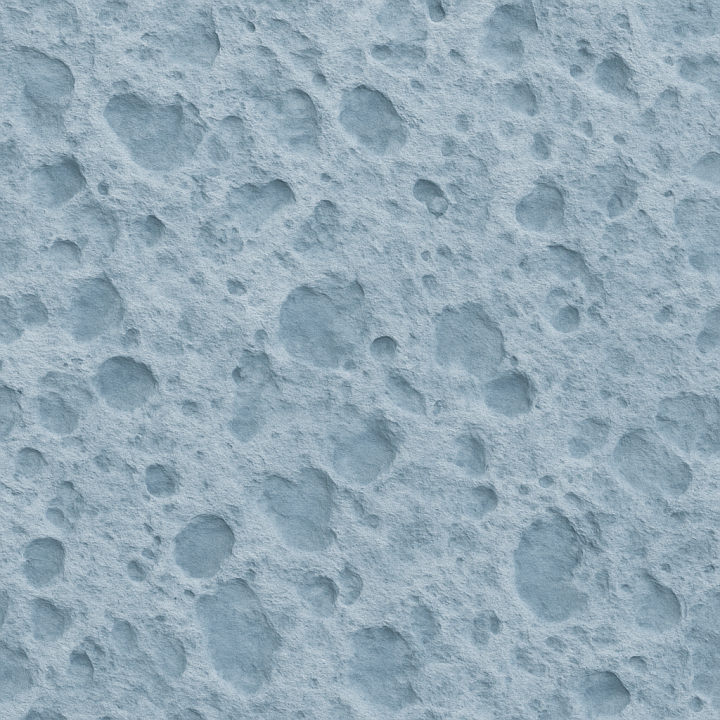
| ID | eroded-ice-seamless-texture |
|---|---|
| Category | Snow-ice |
| Formats | PNG, WEBP, PBR ZIP |
| Size | 1k (1024x1024px), 2k (2048x2048px), 4k (4096x4096px), 8k (8192x8192px) |
| Tileable | Yes |
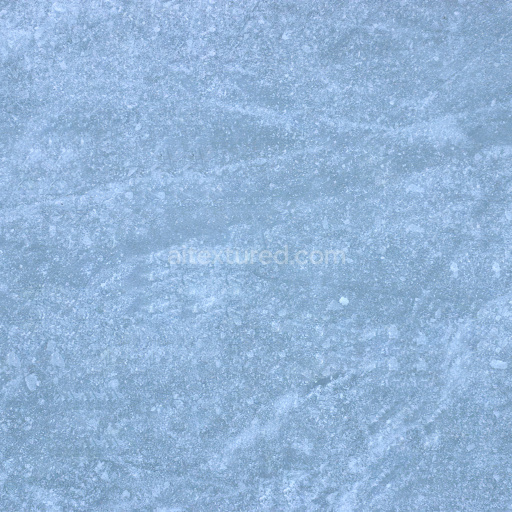
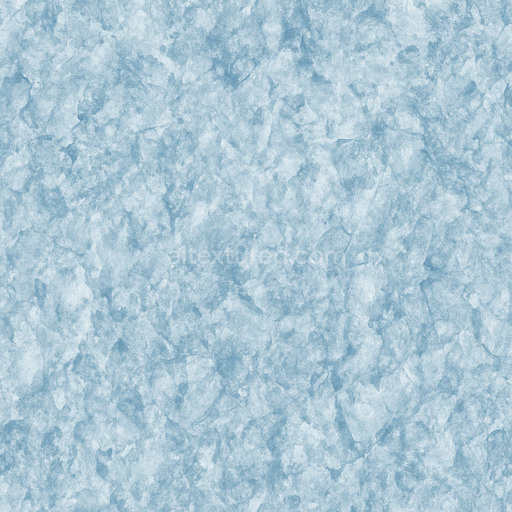
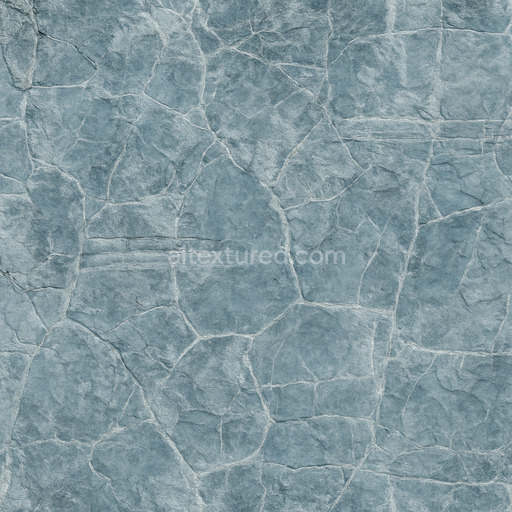
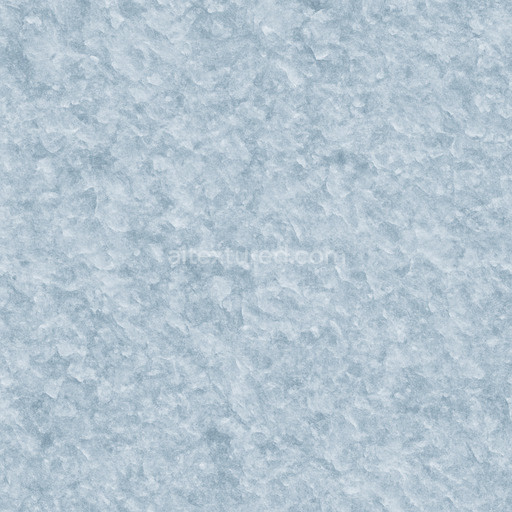
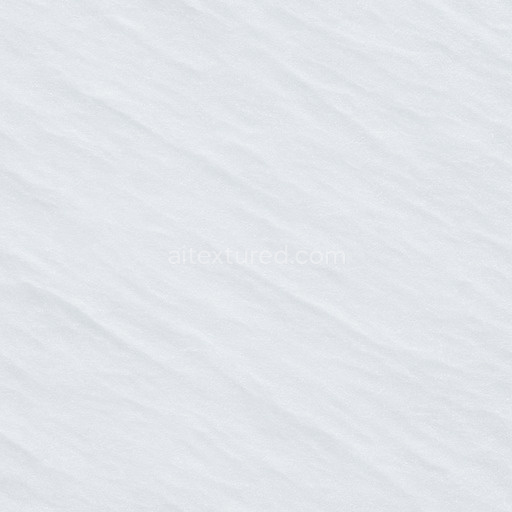
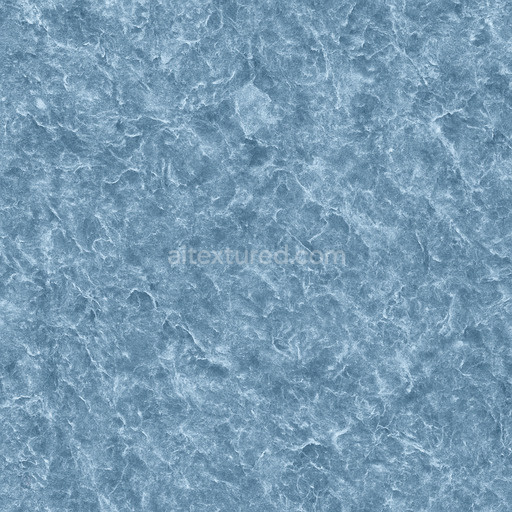
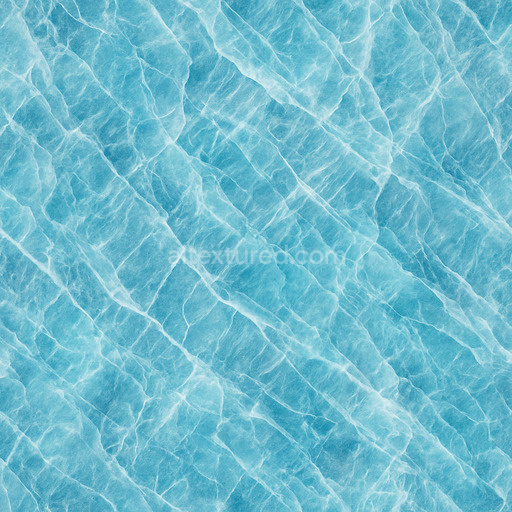
The Eroded Ice Seamless Texture captures the intricate characteristics of weathered ice formations combining natural mineral and organic elements shaped by prolonged exposure to cold and erosion. This texture represents an ice substrate with subtle mineral inclusions and microscopic air pockets reflecting the porous and fractured nature typical of aged ice surfaces. Its composition features fine grain orientation resulting from natural crystallization and erosion while surface finishes suggest a slightly frosted matte appearance with occasional polished highlights where ice has been smoothed by melting and refreezing cycles. Coloration is primarily a cool palette of translucent whites and pale blues enhanced by subtle oxide layers and dispersed pigment variations that simulate trapped impurities within the ice matrix.
In physically based rendering (PBR) workflows this texture excels by providing detailed and coherent data across all essential channels. The BaseColor (Albedo) reflects the nuanced ice hues with soft gradients and delicate discolorations. Normal maps emphasize the micro-fractures and eroded fissures adding realistic depth and surface irregularities. Roughness maps balance the matte and glossy areas replicating the interplay between frosted and polished ice. The Metallic channel remains minimal or null consistent with non-metallic ice material properties. Ambient Occlusion enhances shadowed crevices increasing perceived depth while Height/Displacement maps accurately portray surface relief and erosion patterns vital for close-up realism. This texture is designed to maintain visual cohesion even when applied to large UV islands preventing common tiling artifacts.
With a high resolution of up to 8K the Eroded Ice Seamless Texture is optimized for modern digital content creation pipelines offering seamless tiling that integrates effortlessly into software such as Blender Unreal Engine and Unity. Its generated precision ensures stability and clarity throughout iterative workflows making it ideal for applications including architectural visualization immersive game environments product mockups and interior staging. For optimal visual results it is recommended to carefully match texel density across related assets and keep UV layouts uniform to avoid texture stretching. Adjusting roughness values slightly higher can enhance the frosted ice effect while subtle parallax mapping based on the height channel can add convincing depth to closer camera angles.
The tileable eroded ice seamless texture offers a realistic PBR appearance with detailed snow-ice textures allowing for a smooth 3D preview that highlights the PBR texture eroded ice seamless texture's intricate surface erosion and seamless eroded ice seamless texture continuity.
Import the texture maps into Blender with sRGB color space for albedo/base color and Non-Color for normal, roughness, metallic, AO, height, and ORM maps. Connect normal maps through a Normal Map node, then adjust UV scale with a Mapping node so the material repeats naturally on your model.
For the full step-by-step setup, see How to Use Seamless Textures in Blender. Browse related material examples in wood, concrete, and metal.
Yes. This texture is designed as a seamless tileable PBR material, so it can repeat across large surfaces without visible borders.
Use the download controls on this page: they expose the available PNG, WEBP or engine ZIP choices and supported resolutions for this asset.
Use the engine ZIP choices to package compatible source maps for Blender, Unreal Engine or Unity, then verify the imported material in the target application.
Commercial-use permission is not verified for this record. Confirm the original source and license before production use.
Generate maps from existing images, preview materials, convert channels, and package compatible inputs for Blender, Unity, and Unreal Engine.
Choose a verified workflow for generating maps, previewing tiling, converting channels, or starting from the texture catalog.
Derive Normal, Roughness, AO, Metallic, Height and optional ORM maps from one or more source images, then review the results.
Instant WebGL viewer: inspect materials on a sphere, plane, and cube. Check tiling and lighting in real time.
Re-packages maps per engine: Unreal (BaseColor + ORM), Unity (Mask/MetallicSmoothness), Blender (separate channels).
PNG ↔ JPG ↔ SVG: fast convert, SVG rasterize, embed/trace options, quality & background controls.