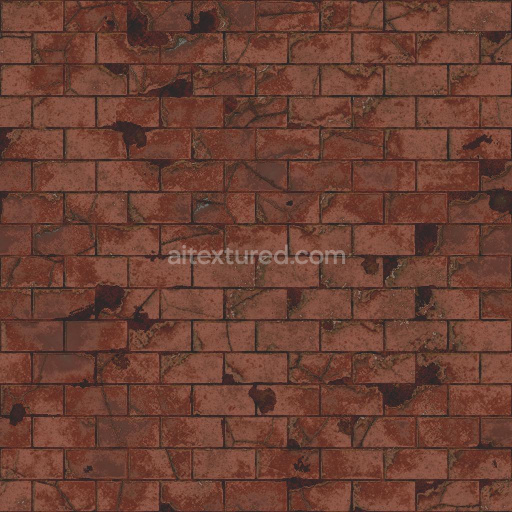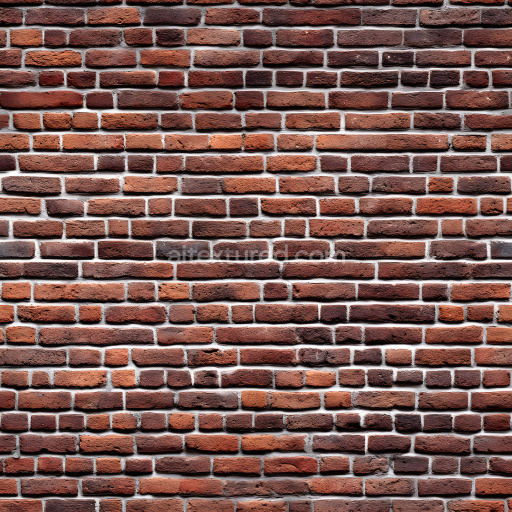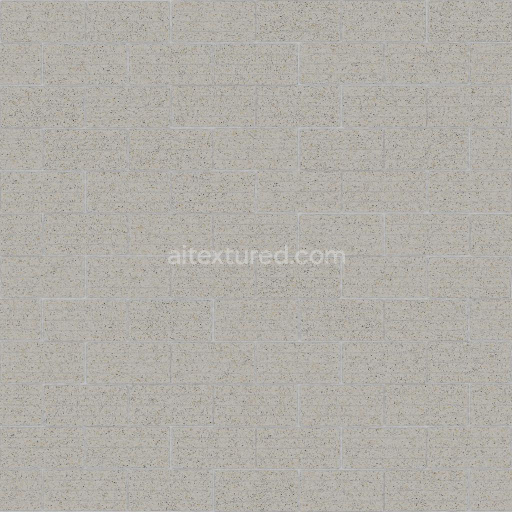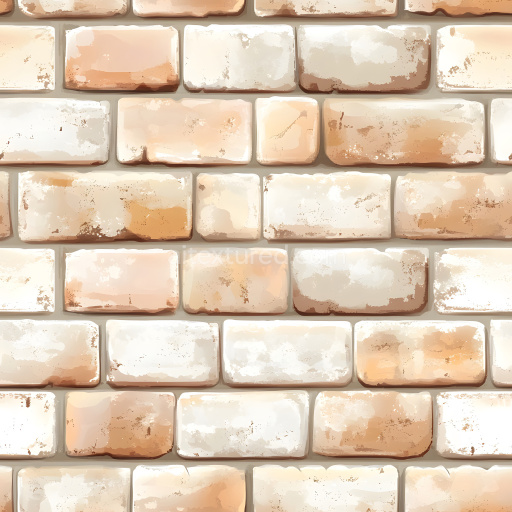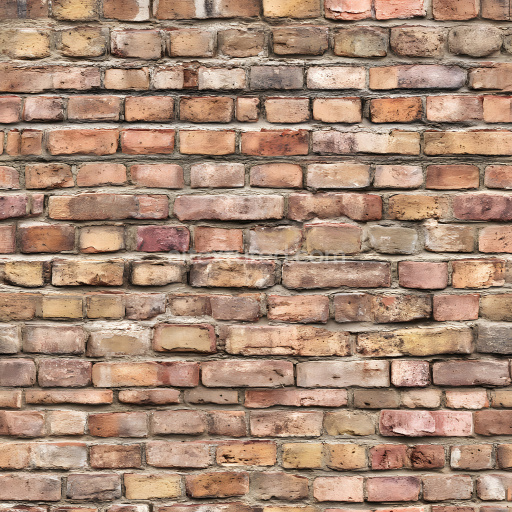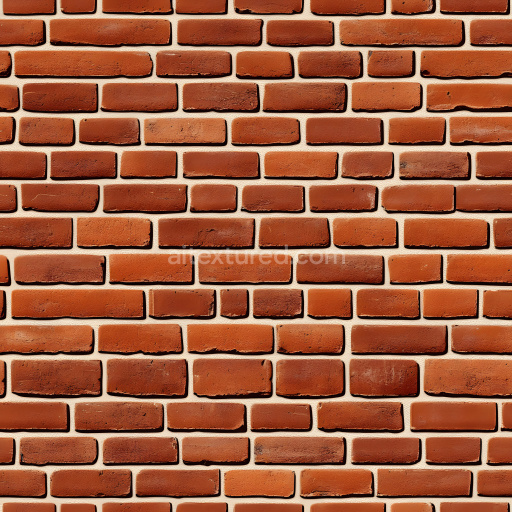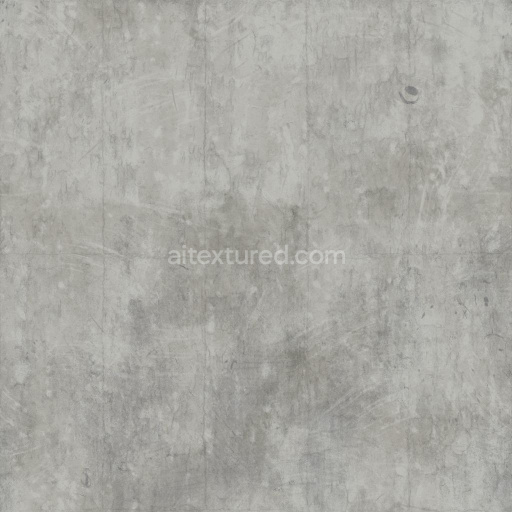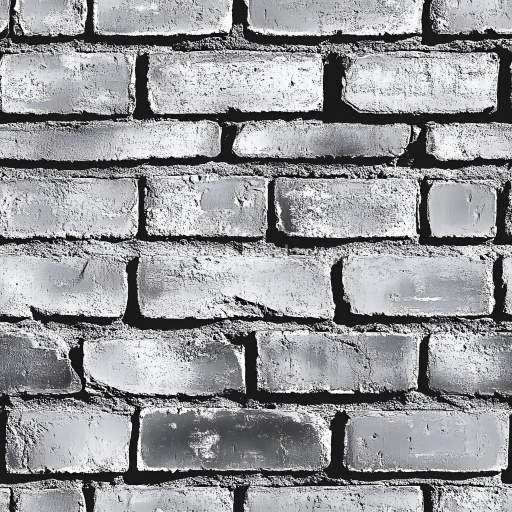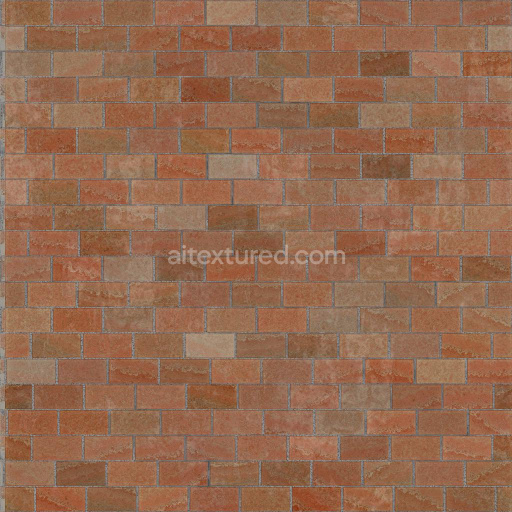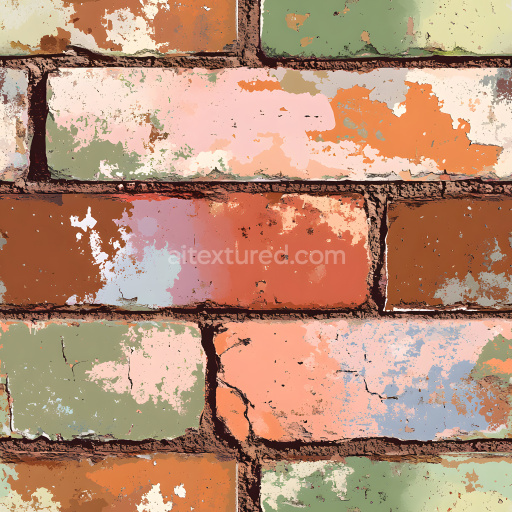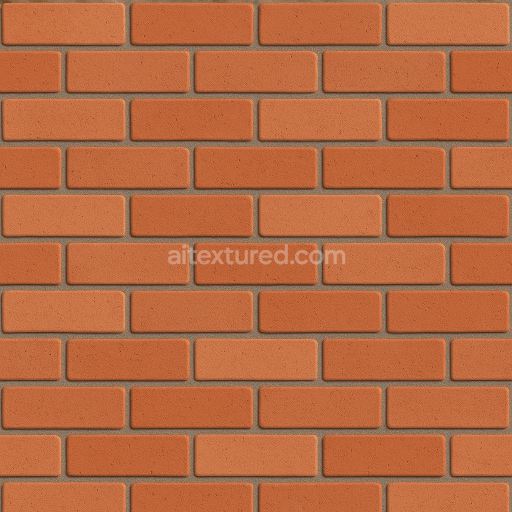
Cracked Red Brick Wall PBR Texture with Worn Paint and Rough Detail

Seamless texture (tileable) · PNG, WEBP, PBR ZIP. License: AITextured Free Commercial License (FCL) v1.1. Free personal and commercial use. Raw resale, standalone redistribution, mirroring/scraping, competing asset packs, and AI/ML training are not allowed without written permission. Attribution is not required, but appreciated..
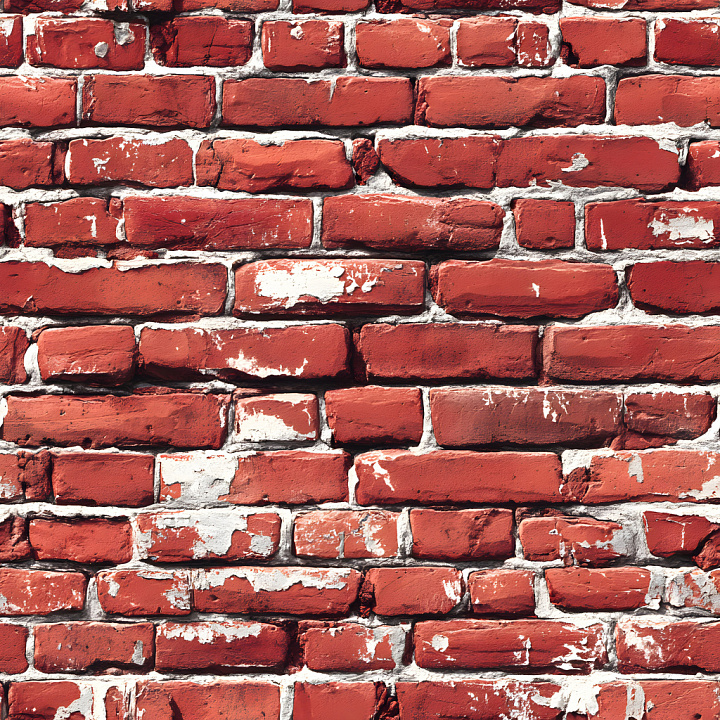
Cracked Red Brick Wall PBR Texture with Worn Paint and Rough Detail texture preview

Texture Info

IDcracked-seamless-pbr-cracked-red-brick-wall-texture-4k-13
CategoryBrick
FormatsPNG, WEBP, PBR ZIP
Size1k (1024x1024px), 2k (2048x2048px), 4k (4096x4096px), 8k (8192x8192px)
ColorsRGB
TileableYes
This high-resolution 4K seamless PBR texture showcases a classic red brick wall characterized by heavily weathered, cracked bricks and patches of peeling white paint. Each brick displays a unique rough surface with noticeable chips, fractures, and cracks that expose the aged, gritty nature of the material. The mortar between bricks is irregular, with some areas showing erosion and wear, enhancing the overall authenticity. The color palette centers on rich reds and oranges with variations from deep burgundy shadows to faded burnt sienna tones, contrasted sharply by worn white paint remnants scattered unevenly across many bricks. The surface feels dry and rugged with a tactile roughness, reflecting natural aging and prolonged environmental exposure rather than recent damage. The brick placement forms a random but orderly horizontal pattern with some slight imperfections and broken edges adding to its realism. This tileable texture is fully PBR-ready and compatible with popular 3D software like Blender, Unreal Engine, Unity, 3ds Max, and Cinema 4D, supporting realistic light interaction and material detail. It excels in visualizing urban decay, industrial corridors, exterior building facades, or historical reconstructions where weathered brick surfaces evoke authenticity and depth. Its detailed wear and cracked paint make it ideal for post-apocalyptic or abandoned construction scenes, game environments, props, and architectural visualizations requiring detailed wall surfaces that convey timeworn character and tactile roughness.

Best Uses for This Texture

  • seasonal brick materials
  • stylized game props and level dressing
  • Blender, Unreal Engine and Unity materials
  • packaging mockups, textile prints and decorative surfaces
  • tileable backgrounds for archviz, motion graphics and product renders

Using This PBR Texture in Blender

Import the texture maps into Blender with sRGB color space for albedo/base color and Non-Color for normal, roughness, metallic, AO, height, and ORM maps. Connect normal maps through a Normal Map node, then adjust UV scale with a Mapping node so the material repeats naturally on your model.

  • Albedo -> Principled BSDF Base Color
  • Roughness -> Roughness, Metallic -> Metallic
  • Normal -> Normal Map node -> Normal
  • Height -> Bump or Displacement depending on render setup

For the full step-by-step setup, see How to Use Seamless Textures in Blender. Browse related material examples in wood, concrete, and metal.

FAQ

Is this texture seamless and tileable?

Yes. This texture is designed as a seamless tileable PBR material, so it can repeat across large surfaces without visible borders.

Which resolutions and formats are available?

You can download PNG/WEBP versions and use 1K, 2K, 4K and 8K download options when available on the page.

Can I use it in Blender, Unreal Engine and Unity?

Yes. The download options and engine-mapped ZIP workflow are designed for Blender, Unreal Engine, Unity Standard, URP and HDRP material pipelines.

Is commercial use allowed?

Yes. The texture is available under the AITextured free commercial license. Review the license page for redistribution and AI-training restrictions.

AITEXTURED Tools

Build, preview, and export seamless PBR materials. Generate full map sets from a single image, inspect them in a real-time WebGL viewer, and re-package maps for Unreal, Unity, and Blender—directly in your browser.