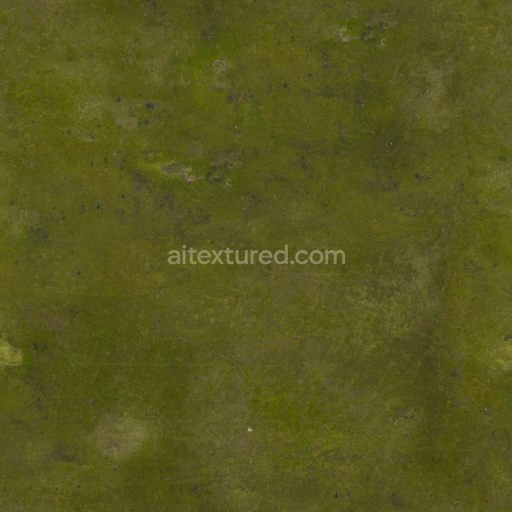
Concrete Moss
Seamless texture (tileable) · PNG, WEBP, PBR ZIP.
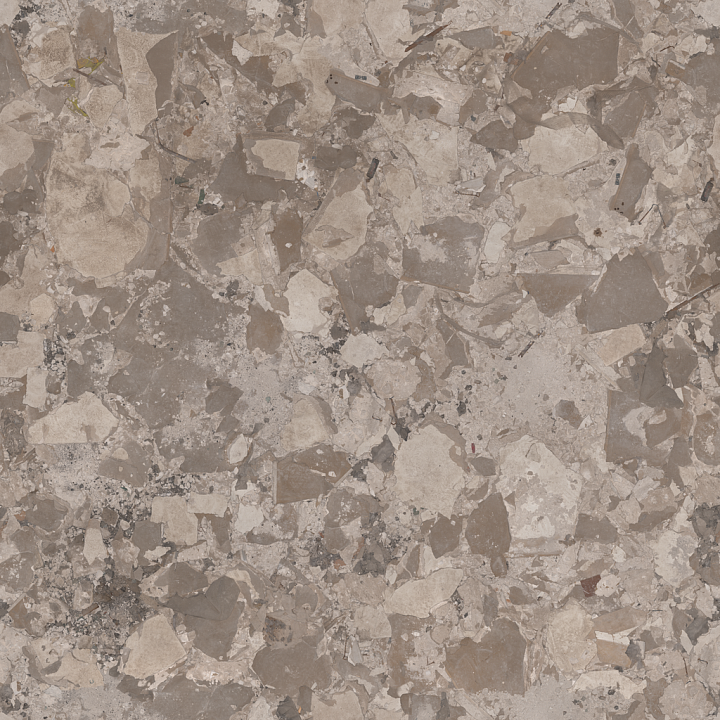
| ID | rubble-debris-concrete-waste-building-materials-demolition-broken |
|---|---|
| Category | Concrete |
| Formats | PNG, WEBP, PBR ZIP |
| Size | 1k (1024x1024px), 2k (2048x2048px), 4k (4096x4096px), 8k (8192x8192px) |
| Tileable | Yes |
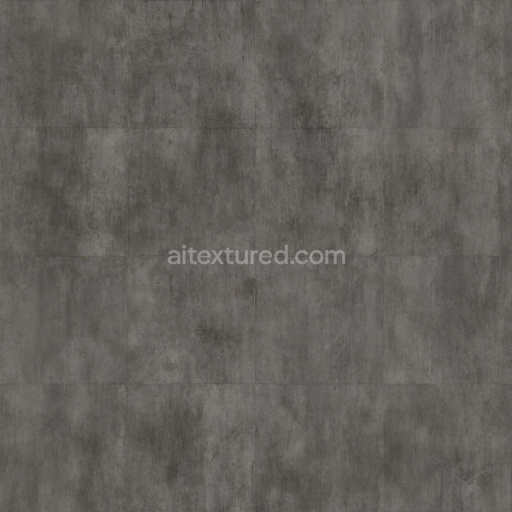
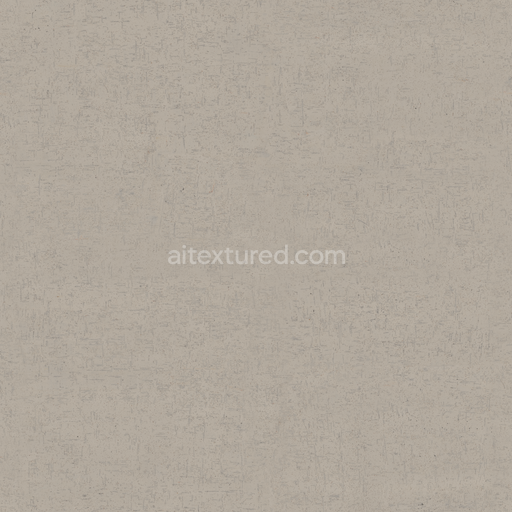
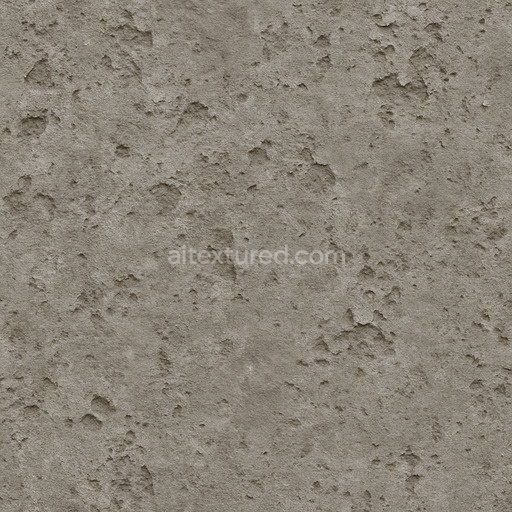
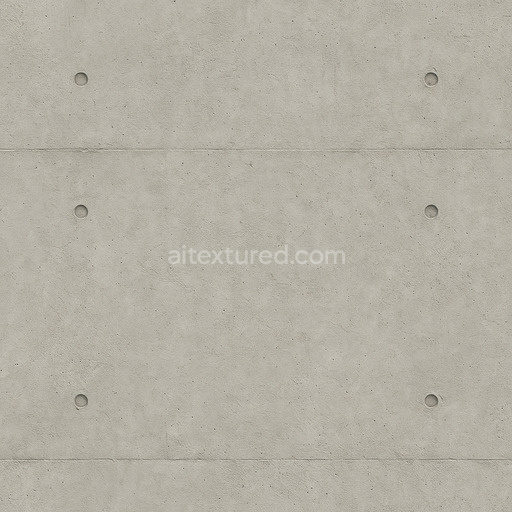
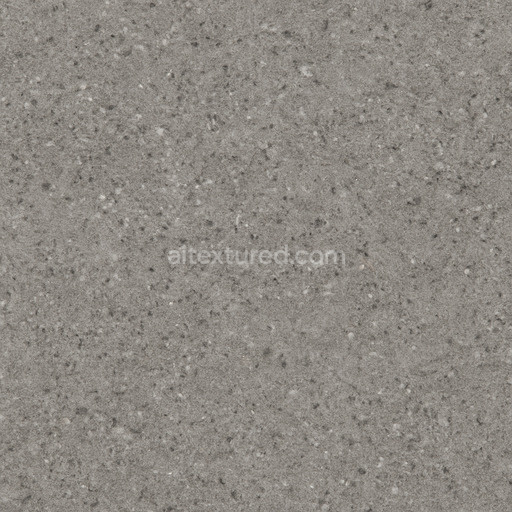
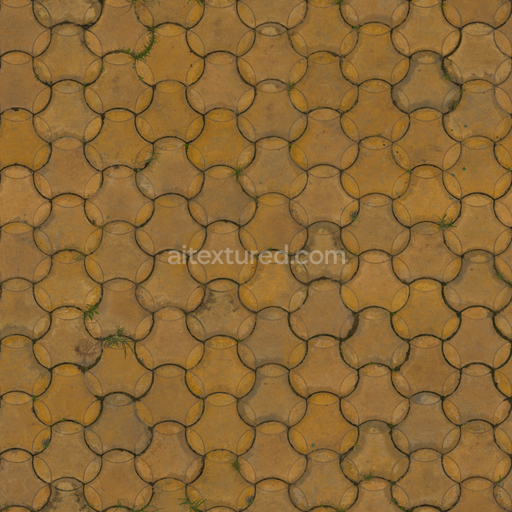
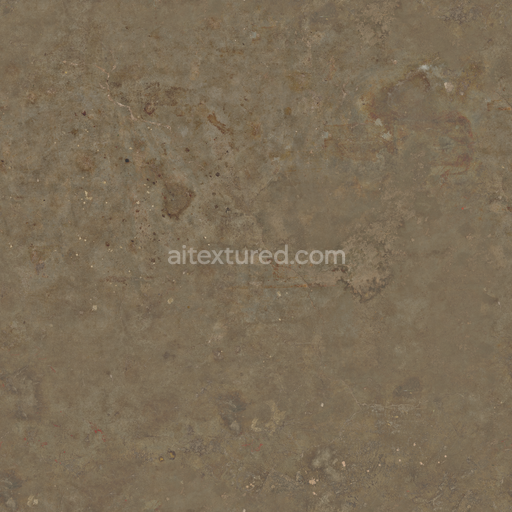
This seamless PBR texture represents rubble and debris concrete specifically capturing the complex composition of crumbling plasterconcrete commonly found in demolition and abandoned construction sites. The base substrate primarily consists of mineral-rich concrete a composite of cement binder and aggregates such as sand and gravel which form a dense but weathered structure. Over time exposure creates porosity and surface degradation leading to broken fragments and loose structure debris. The texture’s surface finish reflects this wear with a rough uneven patina that includes dirt and indoor dust accumulation simulating realistic floor and wall conditions in both interior and outdoor settings. Subtle color variations arise from oxide layers and embedded pigments within the concrete enhancing the natural muted gray tones and occasional brownish stains typical of aged building materials.
In the PBR workflow the base color (albedo) map faithfully reproduces these earth-toned pigments and dusty overlays without any baked-in lighting providing a neutral foundation for physically based rendering. The normal map captures the intricate micro-details of cracked and broken concrete emphasizing the roughness and depth of the rubble surface. Roughness maps control the varying glossiness across the debris balancing between matte cement areas and slightly smoother plaster remnants while the metallic channel remains minimal to reflect the non-metallic nature of concrete. Ambient occlusion enhances shadowing in crevices and deeper cracks adding realism to the texture’s structural complexity. Height and displacement maps further accentuate the three-dimensional quality of the broken and crumbling material enabling dynamic parallax effects and fine surface relief in real-time and offline renderers.
Optimized for modern pipelines and compatible with Blender Unreal Engine and Unity this tileable 4K texture includes an optional 8K resolution version supporting high-end visual fidelity in architectural visualization game environments and CGI projects. The texture is designed for use with the metal/roughness workflow and calibrated to ensure consistent shading performance across different digital content creation suites and game engines eliminating the need for manual adjustments. For practical application it is recommended to carefully adjust UV scaling to maintain realistic repetition and to fine-tune roughness parameters for specific lighting conditions enhancing the material’s authenticity on floors walls or structural debris in both indoor and outdoor scenes.
Import the texture maps into Blender with sRGB color space for albedo/base color and Non-Color for normal, roughness, metallic, AO, height, and ORM maps. Connect normal maps through a Normal Map node, then adjust UV scale with a Mapping node so the material repeats naturally on your model.
For the full step-by-step setup, see How to Use Seamless Textures in Blender. Browse related material examples in wood, concrete, and metal.
Yes. This texture is designed as a seamless tileable PBR material, so it can repeat across large surfaces without visible borders.
Use the download controls on this page: they expose the available PNG, WEBP or engine ZIP choices and supported resolutions for this asset.
Use the engine ZIP choices to package compatible source maps for Blender, Unreal Engine or Unity, then verify the imported material in the target application.
Commercial-use permission is not verified for this record. Confirm the original source and license before production use.

Generate maps from existing images, preview materials, convert channels, and package compatible inputs for Blender, Unity, and Unreal Engine.
Choose a verified workflow for generating maps, previewing tiling, converting channels, or starting from the texture catalog.
Derive Normal, Roughness, AO, Metallic, Height and optional ORM maps from one or more source images, then review the results.
Instant WebGL viewer: inspect materials on a sphere, plane, and cube. Check tiling and lighting in real time.
Re-packages maps per engine: Unreal (BaseColor + ORM), Unity (Mask/MetallicSmoothness), Blender (separate channels).
PNG ↔ JPG ↔ SVG: fast convert, SVG rasterize, embed/trace options, quality & background controls.