Newspaper Print Dot Pattern
Seamless texture (tileable) · PNG, WEBP, PBR ZIP.
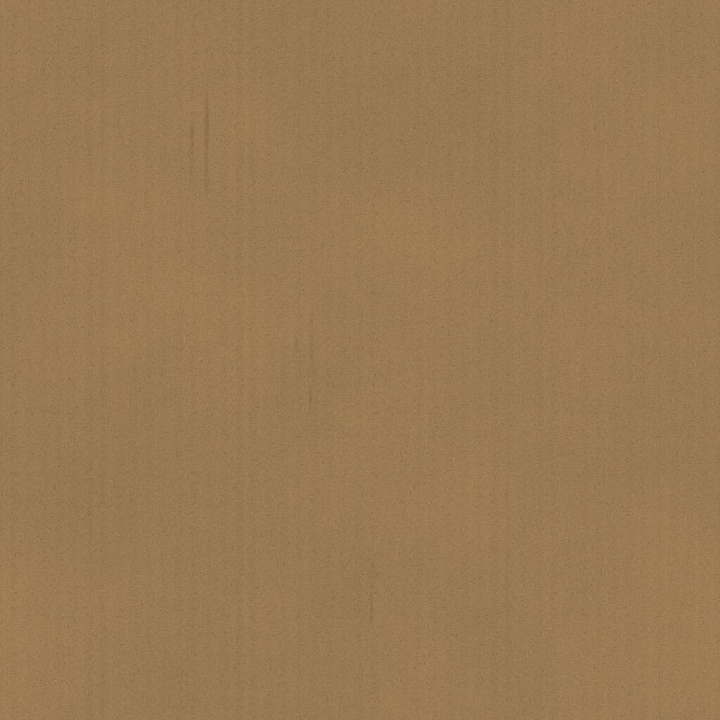
| ID | carton-box-cardboard-texture-free-pbr |
|---|---|
| Category | Paper |
| Formats | PNG, WEBP, PBR ZIP |
| Size | 1k (1024x1024px), 2k (2048x2048px), 4k (4096x4096px), 8k (8192x8192px) |
| Tileable | Yes |
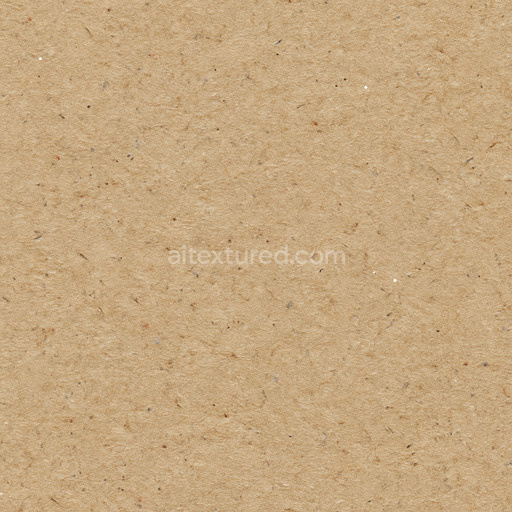
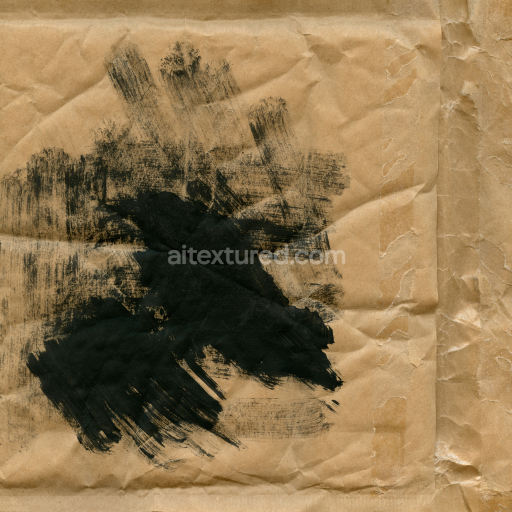
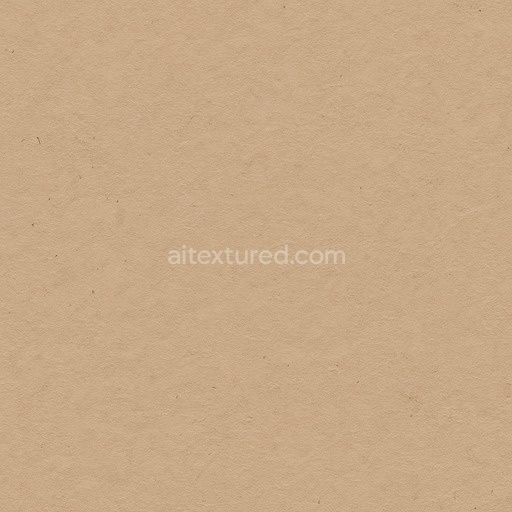
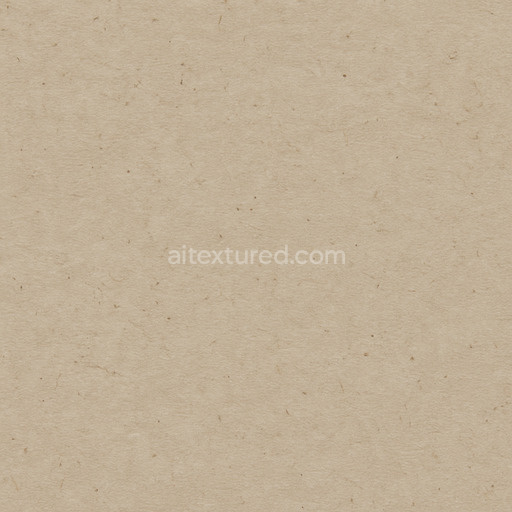
The Carton Box Cardboard Texture (Paper 0025) presents a highly detailed and realistic portrayal of typical carton box surfaces, focusing on the organic and fibrous composition inherent to cardboard material. This texture accurately captures the layered cellulose fibers and paper pulp base substrate, which are naturally bonded through adhesives to create a sturdy yet flexible sheet. The fibrous aggregates and grain orientation within the paperboard give it a characteristic porosity and subtle roughness. Surface details such as wrinkled and folded marks reflect the mechanical stresses and creases commonly found on packaging boxes, contributing to an authentic tactile impression. These irregularities enhance the natural feel of the material, emphasizing the interplay between the fibrous texture and the slight variations in fiber density and compression.
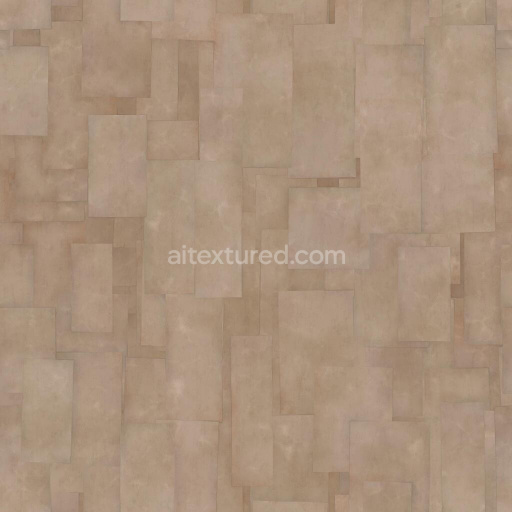
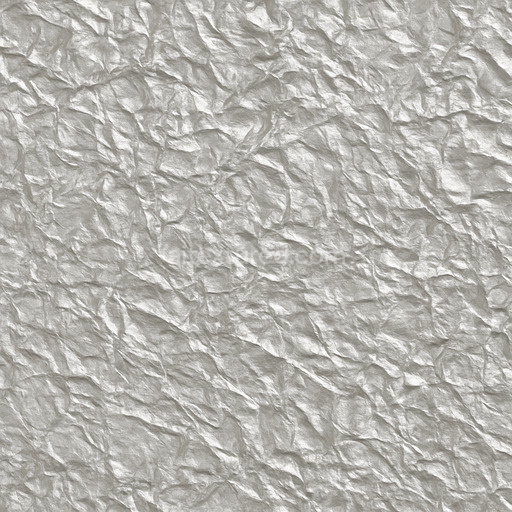
In terms of physical-based rendering (PBR), this texture excels with its comprehensive channel maps. The BaseColor (Albedo) map features muted brown and beige tones typical of untreated cardboard, with natural variations caused by fiber distribution and minor discolorations within the paper pulp. The Normal map adds depth by simulating embossed folds, creases, and fiber relief without increasing polygon count, while the Roughness map ranges from medium to high values, reinforcing the matte, non-reflective surface finish that is characteristic of cardboard. The Metallic channel remains neutral, as cardboard is inherently non-metallic. Ambient Occlusion enhances shadowing in recessed areas such as folds and indentations, creating convincing depth and dimensionality. The Height (Displacement) map supports parallax occlusion effects, emphasizing layered fiber structures and subtle surface imperfections for enhanced realism.
Available in up to 8K resolution, this seamless cardboard texture is optimized for use in Blender, Unreal Engine, and Unity workflows, enabling highly detailed and realistic packaging visualization, product design, and environmental modeling. For best results, it is recommended to carefully adjust the UV scale to align with the real-world dimensions of carton boxes. Additionally, fine-tuning the roughness map can simulate subtle wear patterns or varnished finishes to match specific design requirements. Utilizing the height map in parallax occlusion shaders can further elevate the tactile presence of folds and wrinkles, enhancing the overall authenticity of the cardboard surface in 3D scenes.
Import the texture maps into Blender with sRGB color space for albedo/base color and Non-Color for normal, roughness, metallic, AO, height, and ORM maps. Connect normal maps through a Normal Map node, then adjust UV scale with a Mapping node so the material repeats naturally on your model.
For the full step-by-step setup, see How to Use Seamless Textures in Blender. Browse related material examples in wood, concrete, and metal.
Yes. This texture is designed as a seamless tileable PBR material, so it can repeat across large surfaces without visible borders.
Use the download controls on this page: they expose the available PNG, WEBP or engine ZIP choices and supported resolutions for this asset.
Use the engine ZIP choices to package compatible source maps for Blender, Unreal Engine or Unity, then verify the imported material in the target application.
Commercial-use permission is not verified for this record. Confirm the original source and license before production use.

Generate maps from existing images, preview materials, convert channels, and package compatible inputs for Blender, Unity, and Unreal Engine.
Choose a verified workflow for generating maps, previewing tiling, converting channels, or starting from the texture catalog.
Derive Normal, Roughness, AO, Metallic, Height and optional ORM maps from one or more source images, then review the results.
Instant WebGL viewer: inspect materials on a sphere, plane, and cube. Check tiling and lighting in real time.
Re-packages maps per engine: Unreal (BaseColor + ORM), Unity (Mask/MetallicSmoothness), Blender (separate channels).
PNG ↔ JPG ↔ SVG: fast convert, SVG rasterize, embed/trace options, quality & background controls.