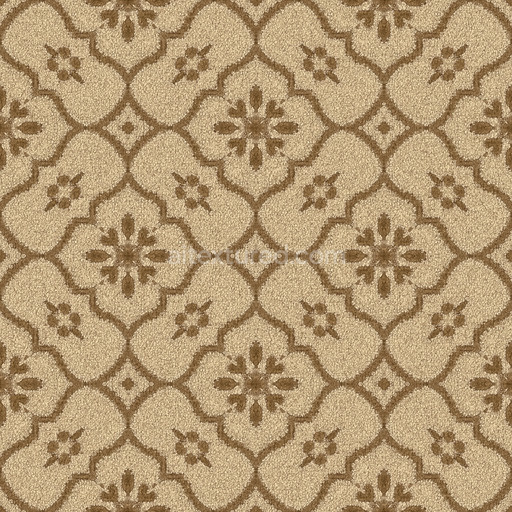
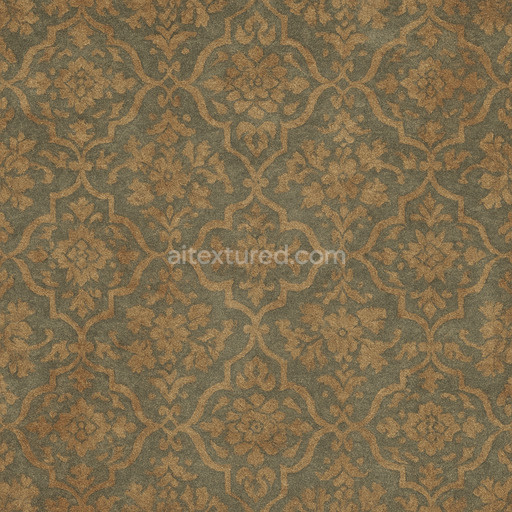
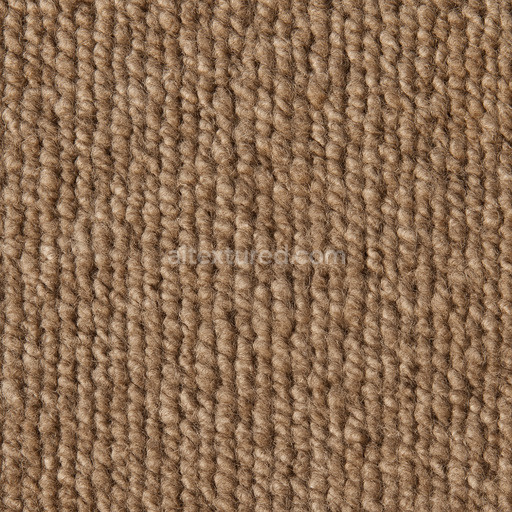
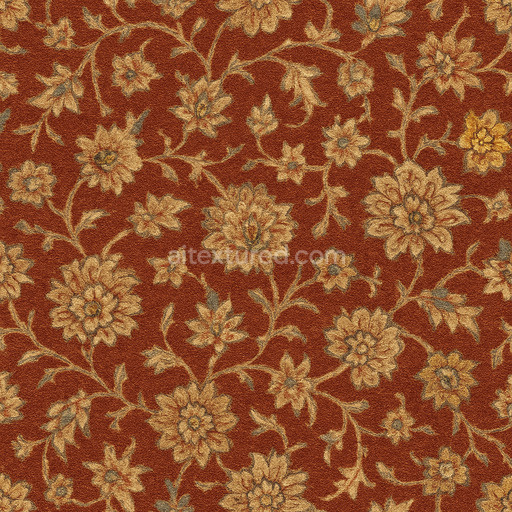
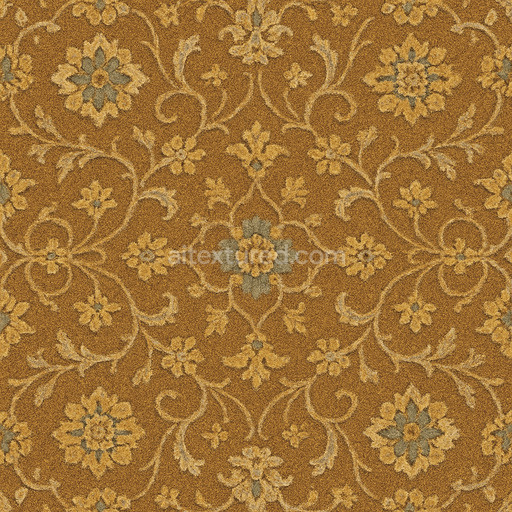
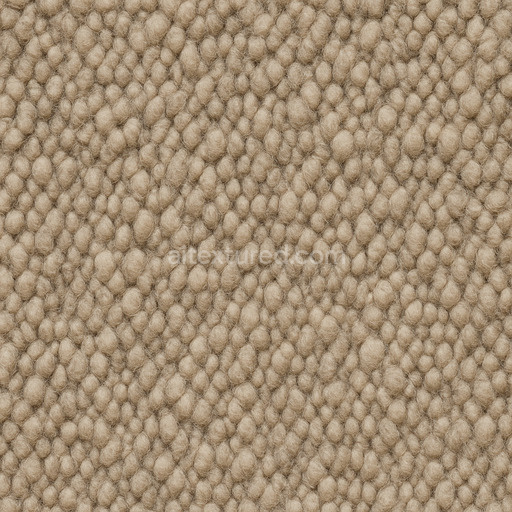
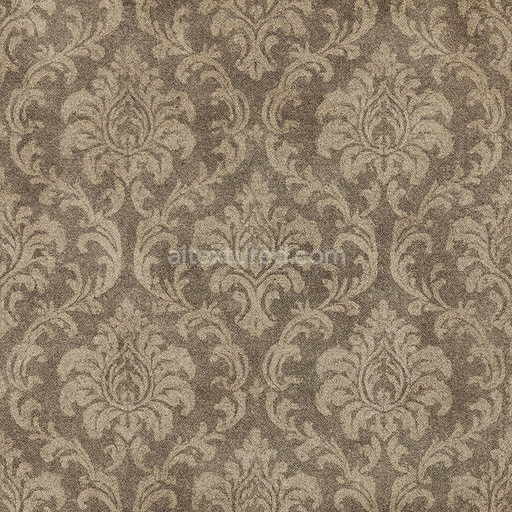
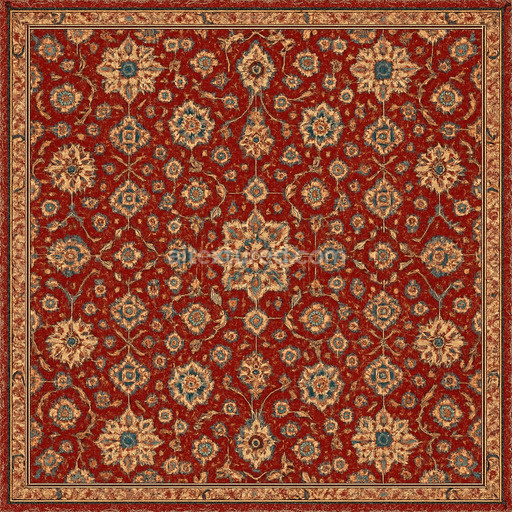
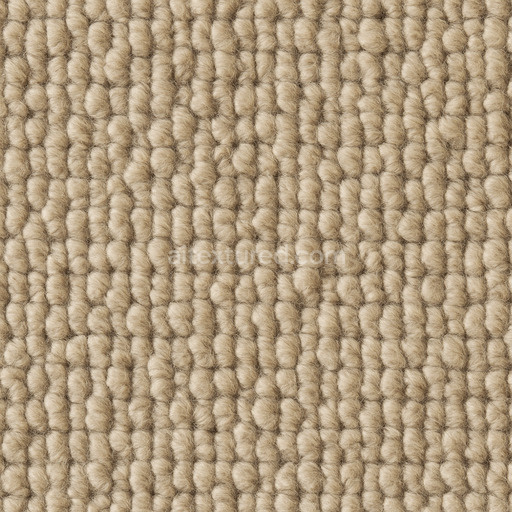
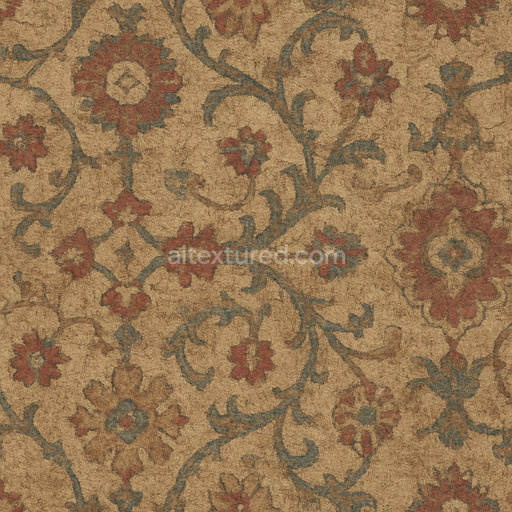
Clean Patterned Carpet Seamless Texture
Seamless texture (tileable) · PNG, WEBP, PBR ZIP.
| ID | fine-patterned-carpet-texture-seamless |
|---|---|
| Category | Carpet |
| Formats | PNG, WEBP, PBR ZIP |
| Size | 1k (1024x1024px), 2k (2048x2048px), 4k (4096x4096px), 8k (8192x8192px) |
| Tileable | Yes |
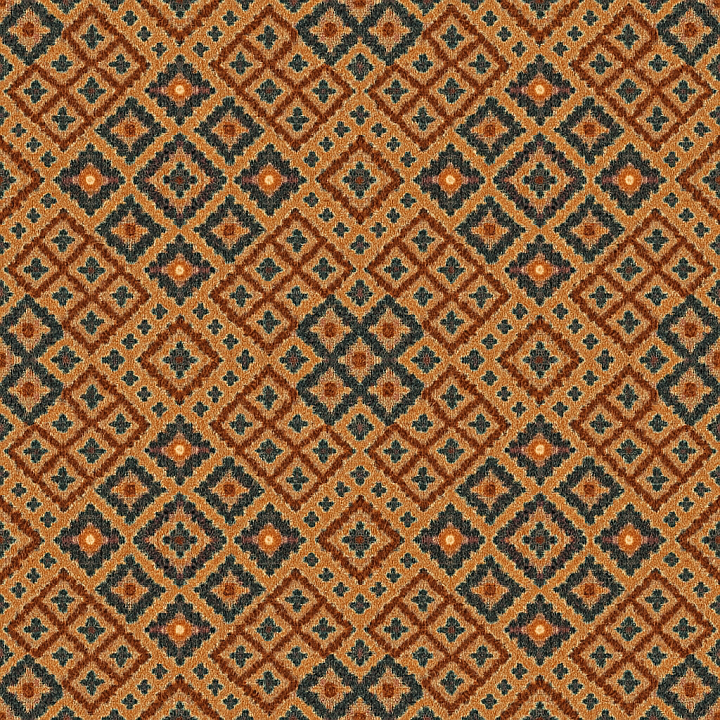
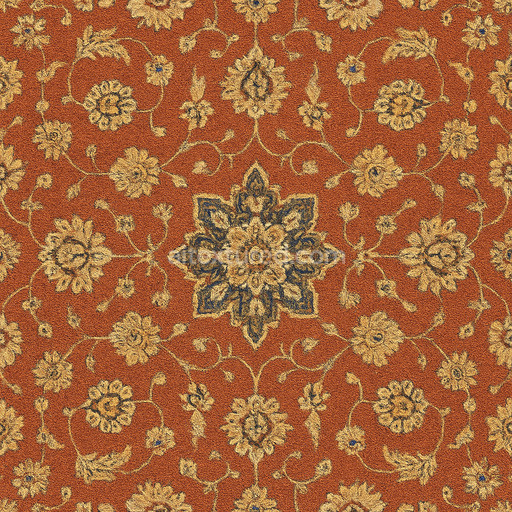
The fine patterned carpet texture seamless high resolution up to 8K represents a carefully engineered material designed to replicate the complex composition of premium woven carpets in digital 3D environments. At its core this texture simulates a durable yet soft base substrate formed by the intertwining of organic fibers and synthetic binders. These fibers are meticulously arranged with varying yarn orientations that create the intricate fine pattern characteristic of high-end carpets. Subtle variations in porosity and signs of gentle wear contribute to a natural tactile quality while embedded pigments and dyes within the fibers provide a rich authentic color palette. The surface finish captures the slightly brushed matte appearance typical of quality carpets achieving a balanced light diffusion that avoids unwanted glossiness. This refined combination of materials and surface treatments ensures the texture’s realism and depth without compromising performance.
Each PBR channel reflects the intricate material characteristics essential for realistic rendering. The BaseColor (Albedo) channel delivers vivid true-to-life colors from the embedded pigments while the Normal map emphasizes the delicate fiber structures and the depth of the fine pattern. The Roughness channel finely tunes surface irregularities controlling how light interacts with the carpet to produce a natural soft reflection. Metallic values remain minimal reflecting the non-metallic nature of the fibers and binders. Ambient Occlusion enhances depth perception by simulating realistic shadowing at fiber intersections and the Height/Displacement map adds subtle surface relief that improves parallax effects without overwhelming the texture’s delicate details. This seamless fine patterned carpet texture seamless high resolution up to 8K is optimized for flawless tiling allowing for expansive seamless coverage in projects without visible repetition or seams.
Rendered at an exceptional resolution of up to 8k this tileable fine patterned carpet texture seamless high resolution up to 8K is fully compatible with Blender Unity and Unreal Engine offering a streamlined workflow for integrating realistic carpet surfaces into architectural visualization environment art or concept prototyping. The texture supports 3D preview functionality providing precise material composition insights during development. For optimal results in practical application adjusting the UV scale is recommended to maintain natural fiber density while fine-tuning roughness values enhances the balance between softness and light diffusion. This careful calibration ensures the carpet’s appearance remains authentic adding convincing realism and tactile quality to any rendered scene where detailed carpet textures are essential.
Import the texture maps into Blender with sRGB color space for albedo/base color and Non-Color for normal, roughness, metallic, AO, height, and ORM maps. Connect normal maps through a Normal Map node, then adjust UV scale with a Mapping node so the material repeats naturally on your model.
For the full step-by-step setup, see How to Use Seamless Textures in Blender. Browse related material examples in wood, concrete, and metal.
Yes. This texture is designed as a seamless tileable PBR material, so it can repeat across large surfaces without visible borders.
Use the download controls on this page: they expose the available PNG, WEBP or engine ZIP choices and supported resolutions for this asset.
Use the engine ZIP choices to package compatible source maps for Blender, Unreal Engine or Unity, then verify the imported material in the target application.
Commercial-use permission is not verified for this record. Confirm the original source and license before production use.
Generate maps from existing images, preview materials, convert channels, and package compatible inputs for Blender, Unity, and Unreal Engine.
Choose a verified workflow for generating maps, previewing tiling, converting channels, or starting from the texture catalog.
Derive Normal, Roughness, AO, Metallic, Height and optional ORM maps from one or more source images, then review the results.
Instant WebGL viewer: inspect materials on a sphere, plane, and cube. Check tiling and lighting in real time.
Re-packages maps per engine: Unreal (BaseColor + ORM), Unity (Mask/MetallicSmoothness), Blender (separate channels).
PNG ↔ JPG ↔ SVG: fast convert, SVG rasterize, embed/trace options, quality & background controls.