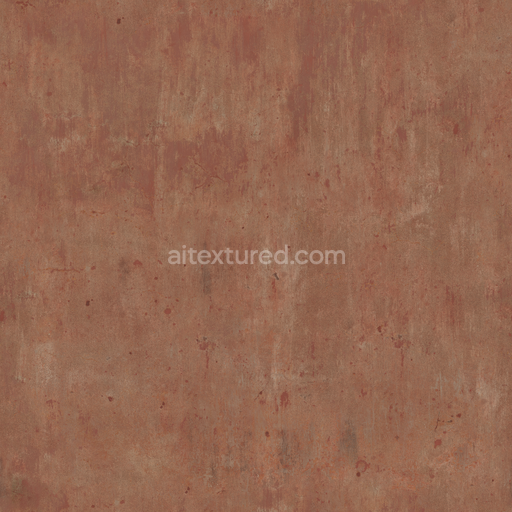
Scuffed Chipped Scratched
Seamless texture (tileable) · PNG, WEBP, PBR ZIP.
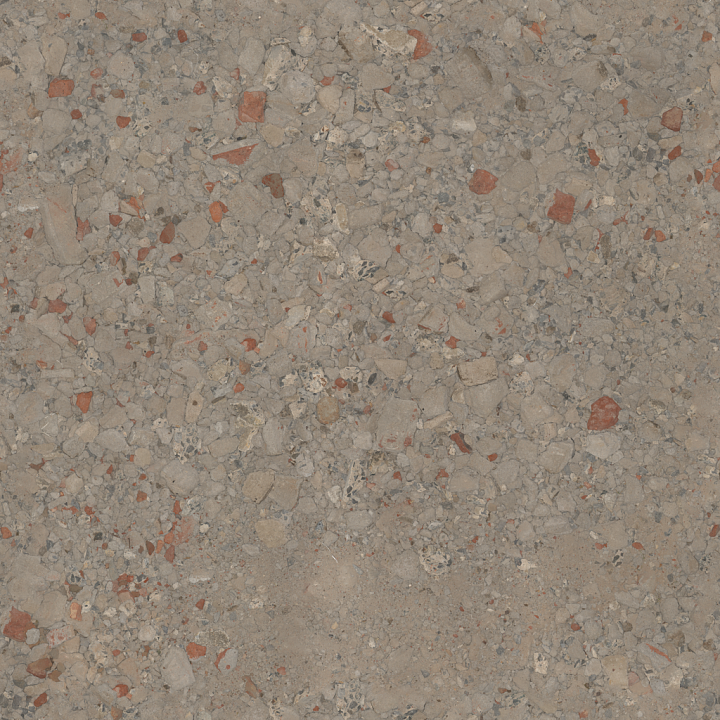
| ID | concrete-debris-stones-dry-debris-crumbling-concrete-broken |
|---|---|
| Category | Concrete |
| Formats | PNG, WEBP, PBR ZIP |
| Size | 1k (1024x1024px), 2k (2048x2048px), 4k (4096x4096px), 8k (8192x8192px) |
| Tileable | Yes |
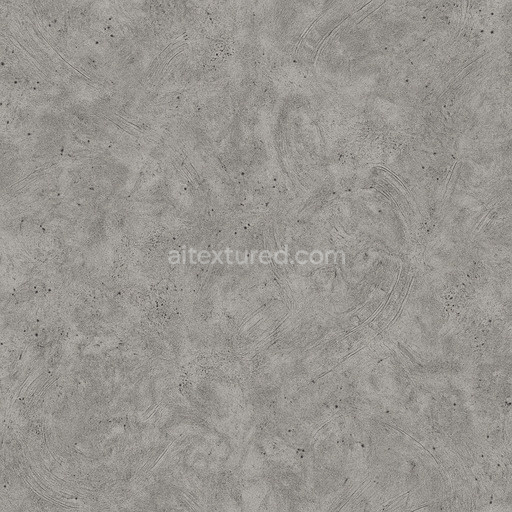
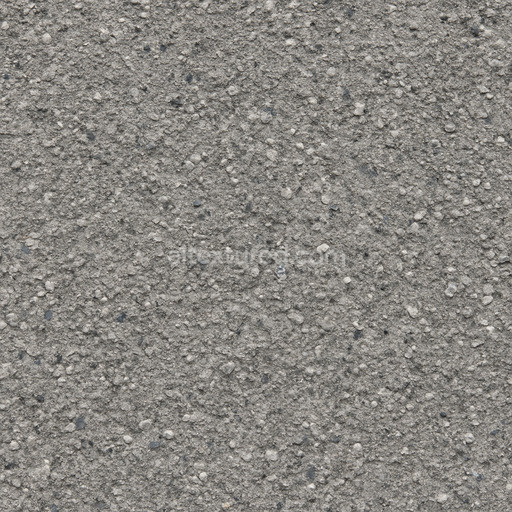
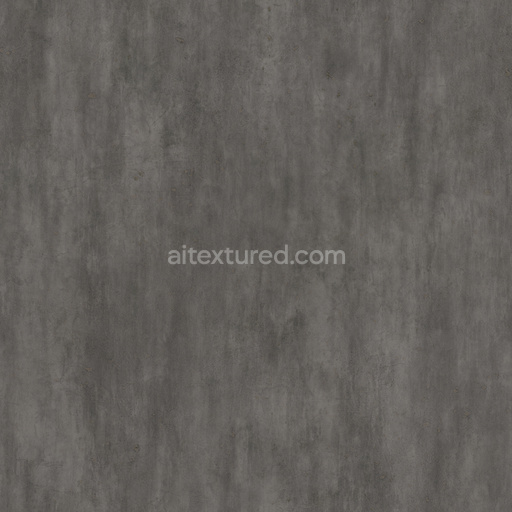
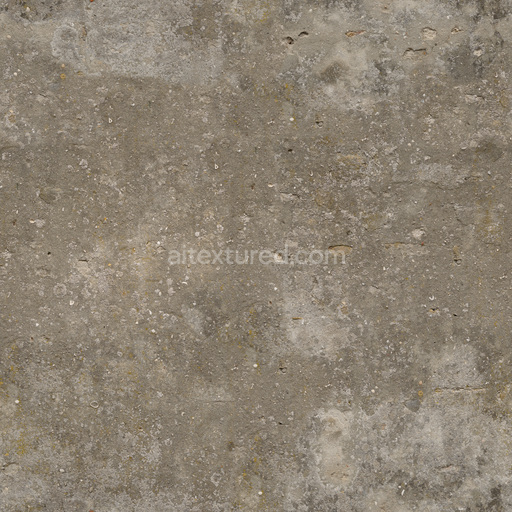
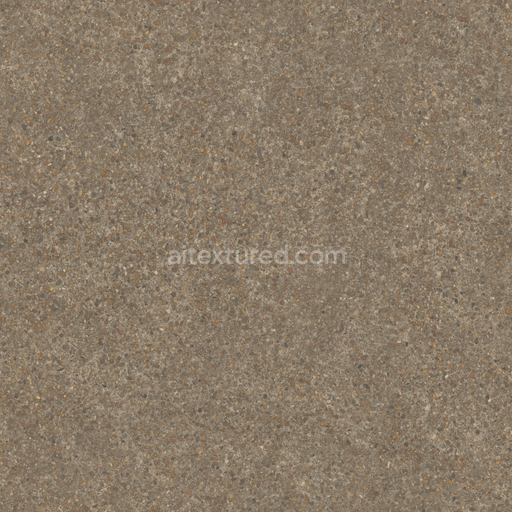
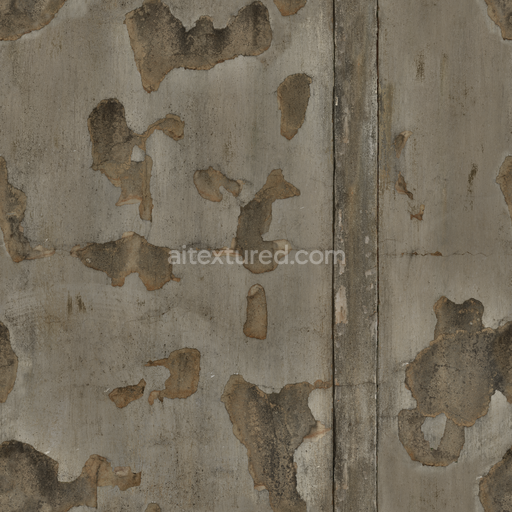
This concrete debris texture captures the intricate details of crumbling broken concrete surfaces commonly found in urban and industrial environments. The base substrate is primarily mineral-based cement combined with fine aggregates such as crushed stones and sand bound together by a hydrated cement paste. This combination creates a dense yet porous material reflecting the typical rough dry and weathered appearance of damaged plaster concrete. The surface finish is matte with natural micro-roughness showing subtle variations in grey tones due to oxide layers and embedded dust with occasional patches of exposed stones and cement matrix. These characteristics are meticulously represented across the PBR channels to ensure physically accurate rendering in modern 3D pipelines.
The Albedo (BaseColor) map reveals the natural grey and off-white hues of aged cement and plaster interspersed with the earthy browns and muted grays of embedded stones and debris fragments. The Normal map enhances surface depth by simulating fine cracks chips and uneven grain orientation caused by weathering and mechanical damage. Roughness values vary realistically to reflect the contrast between rough broken edges and smoother worn surfaces enabling nuanced light diffusion typical of dry man-made cementitious materials. The Ambient Occlusion map adds subtle shadowing in crevices and fissures emphasizing the texture’s dimensionality while the Height map provides precise displacement data for realistic parallax effects capturing the crumbling nature of damaged plaster concrete.
This seamless 3D texture is available in high-resolution 4K with an optional 8K upgrade making it suitable for detailed close-ups and large-scale architectural visualizations. It is fully tileable and optimized for use with physically based rendering workflows in Blender Unreal Engine and Unity supporting metal/rough shading models for consistent real-time and offline render results. The included PNG and EXR formats offer flexibility depending on project demands. For best results adjusting the UV scale to match the debris size and fine-tuning roughness can enhance realism and integration in your scene especially when simulating layered cement and plaster concrete layers subject to environmental wear.
Import the texture maps into Blender with sRGB color space for albedo/base color and Non-Color for normal, roughness, metallic, AO, height, and ORM maps. Connect normal maps through a Normal Map node, then adjust UV scale with a Mapping node so the material repeats naturally on your model.
For the full step-by-step setup, see How to Use Seamless Textures in Blender. Browse related material examples in wood, concrete, and metal.
Yes. This texture is designed as a seamless tileable PBR material, so it can repeat across large surfaces without visible borders.
Use the download controls on this page: they expose the available PNG, WEBP or engine ZIP choices and supported resolutions for this asset.
Use the engine ZIP choices to package compatible source maps for Blender, Unreal Engine or Unity, then verify the imported material in the target application.
Commercial-use permission is not verified for this record. Confirm the original source and license before production use.

Generate maps from existing images, preview materials, convert channels, and package compatible inputs for Blender, Unity, and Unreal Engine.
Choose a verified workflow for generating maps, previewing tiling, converting channels, or starting from the texture catalog.
Derive Normal, Roughness, AO, Metallic, Height and optional ORM maps from one or more source images, then review the results.
Instant WebGL viewer: inspect materials on a sphere, plane, and cube. Check tiling and lighting in real time.
Re-packages maps per engine: Unreal (BaseColor + ORM), Unity (Mask/MetallicSmoothness), Blender (separate channels).
PNG ↔ JPG ↔ SVG: fast convert, SVG rasterize, embed/trace options, quality & background controls.