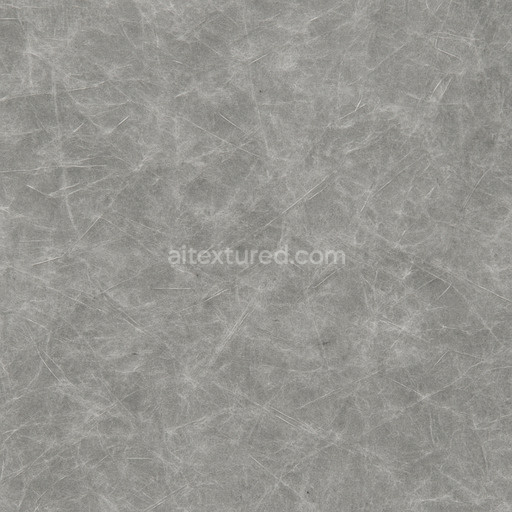
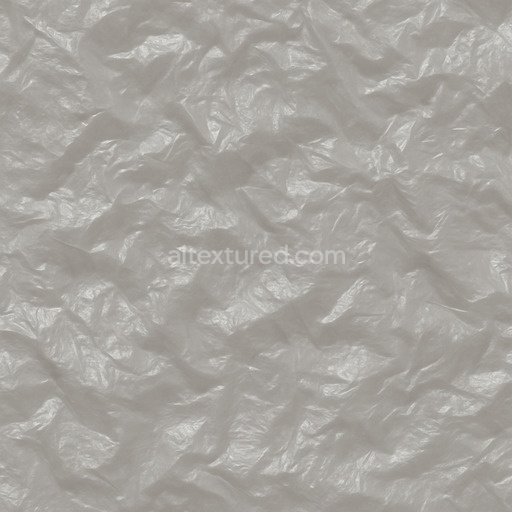
Worn Polyethylene Seamless Texture
Seamless texture (tileable) · PNG, WEBP, PBR ZIP.

| ID | scuffed-plastic-with-rough-marks-free-pbr |
|---|---|
| Category | Plastic |
| Formats | PNG, WEBP, PBR ZIP |
| Size | 1k (1024x1024px), 2k (2048x2048px), 4k (4096x4096px), 8k (8192x8192px) |
| Tileable | Yes |
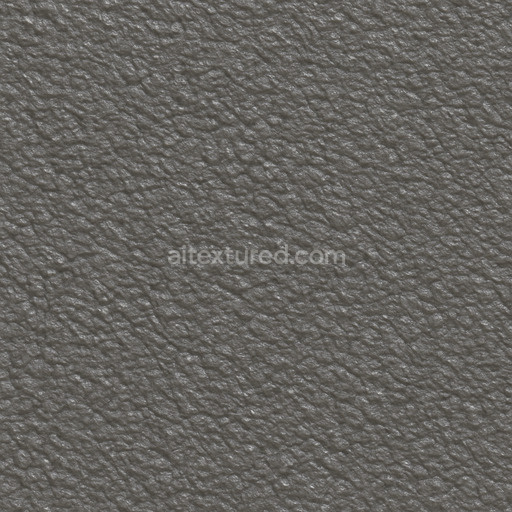
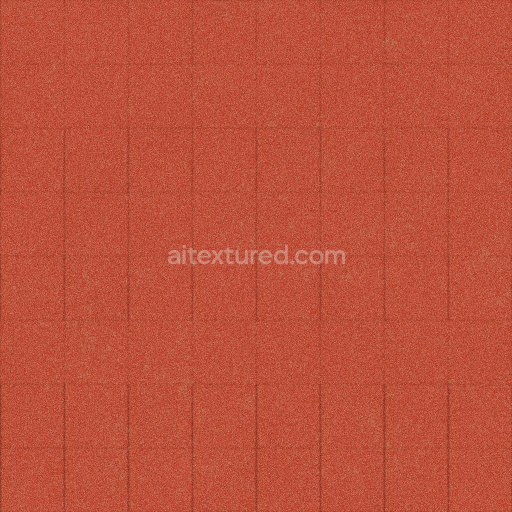
This high-quality PBR texture showcases a scuffed plastic surface distinguished by rough marks and subtle abrasions, capturing the intricate details of a polymer-based material commonly found in everyday objects. The base substrate consists of a synthetic polymer with a slightly porous structure, exhibiting natural wear patterns and surface irregularities resulting from prolonged use and environmental exposure. The surface finish ranges from matte to semi-gloss, reflecting light unevenly due to micro-scratches and rough patches. These characteristics are authentically represented through complex roughness and normal maps, highlighting the tactile depth of the worn plastic. The color palette is a muted, neutral tone typical of aged plastic materials, enhanced by subtle variations in pigment concentration and surface oxidation, which add realism and visual depth to the texture.
Within the PBR workflow, this texture excels by providing all essential maps needed for realistic rendering. The BaseColor (Albedo) channel accurately reflects the soft, worn pigmentation of the plastic, while the Normal map brings out the micro-relief of scuffs and rough marks, improving light interaction and surface definition. Its Roughness map features variable values that simulate the contrast between smoother areas and heavily abraded spots, contributing to authentic specular highlights and diffuse reflections. The Metallic map remains close to zero, consistent with the non-metallic nature of plastic materials. Ambient Occlusion enhances shadow depth in crevices and worn depressions, while the Height/Displacement map adds subtle parallax effects that capture the physical depth of scratches and surface inconsistencies, enriching the overall realism.
Rendered at resolutions up to 8K, this seamless texture is optimized for use in popular 3D engines such as Blender, Unreal Engine, and Unity, ensuring crisp detail and scalability for both close-up views and large surfaces. For practical application, adjusting the UV scale is recommended to avoid repetition artifacts and maintain natural variation in the scuffed marks. Additionally, fine-tuning the roughness parameter allows customization of the material’s reflectivity to suit different lighting environments, providing flexibility across diverse scene requirements. This versatile material is ideal for adding authenticity to worn plastic props, industrial assets, and environments where realistic surface aging and tactile imperfections are essential for immersive visuals.
Import the texture maps into Blender with sRGB color space for albedo/base color and Non-Color for normal, roughness, metallic, AO, height, and ORM maps. Connect normal maps through a Normal Map node, then adjust UV scale with a Mapping node so the material repeats naturally on your model.
For the full step-by-step setup, see How to Use Seamless Textures in Blender. Browse related material examples in wood, concrete, and metal.
Yes. This texture is designed as a seamless tileable PBR material, so it can repeat across large surfaces without visible borders.
Use the download controls on this page: they expose the available PNG, WEBP or engine ZIP choices and supported resolutions for this asset.
Use the engine ZIP choices to package compatible source maps for Blender, Unreal Engine or Unity, then verify the imported material in the target application.
Commercial-use permission is not verified for this record. Confirm the original source and license before production use.
Generate maps from existing images, preview materials, convert channels, and package compatible inputs for Blender, Unity, and Unreal Engine.
Choose a verified workflow for generating maps, previewing tiling, converting channels, or starting from the texture catalog.
Derive Normal, Roughness, AO, Metallic, Height and optional ORM maps from one or more source images, then review the results.
Instant WebGL viewer: inspect materials on a sphere, plane, and cube. Check tiling and lighting in real time.
Re-packages maps per engine: Unreal (BaseColor + ORM), Unity (Mask/MetallicSmoothness), Blender (separate channels).
PNG ↔ JPG ↔ SVG: fast convert, SVG rasterize, embed/trace options, quality & background controls.