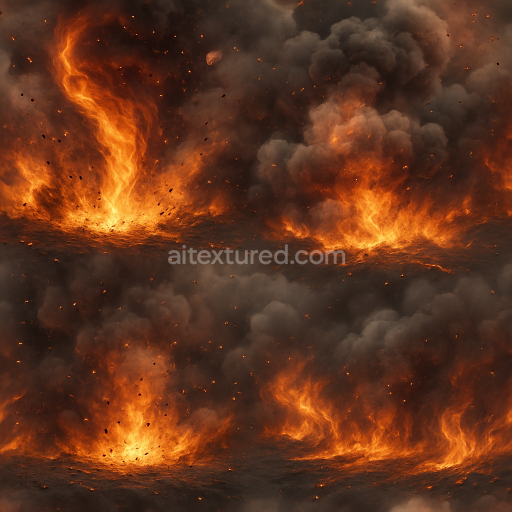
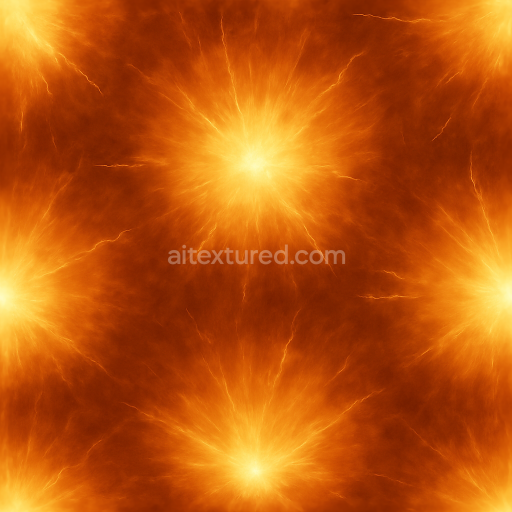
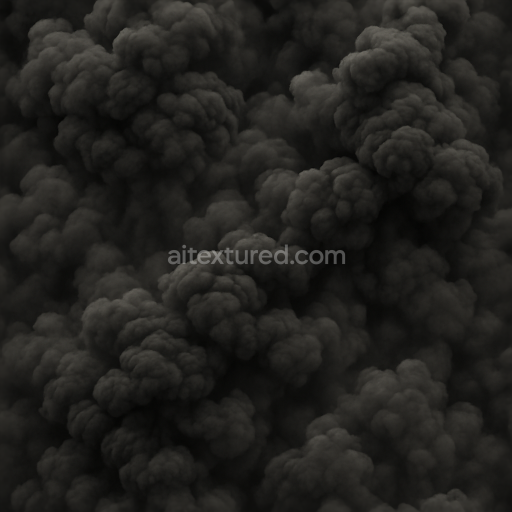
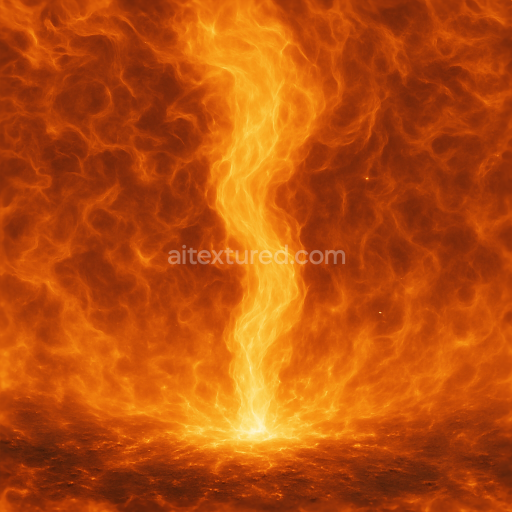
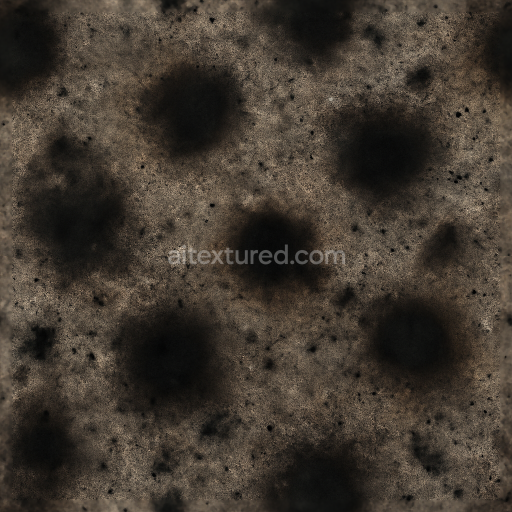
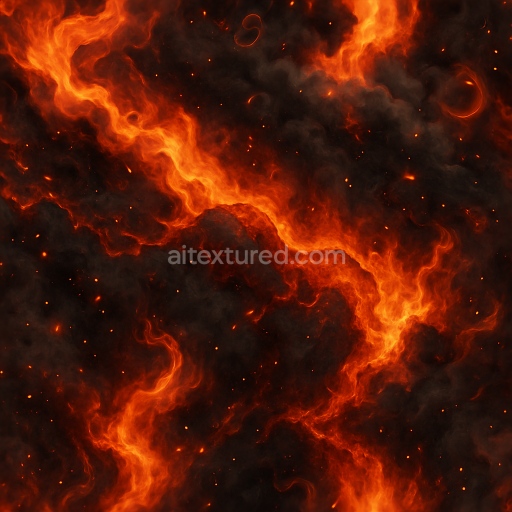
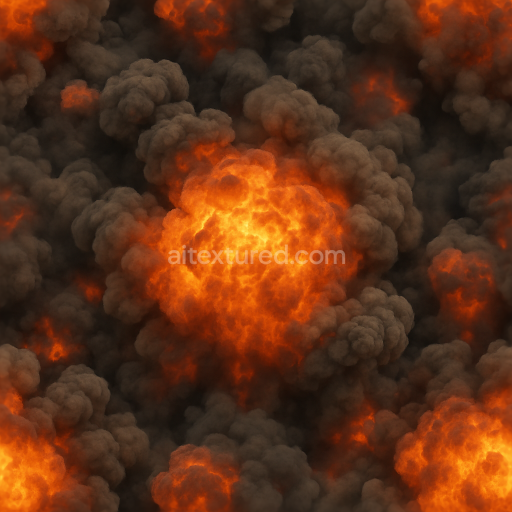
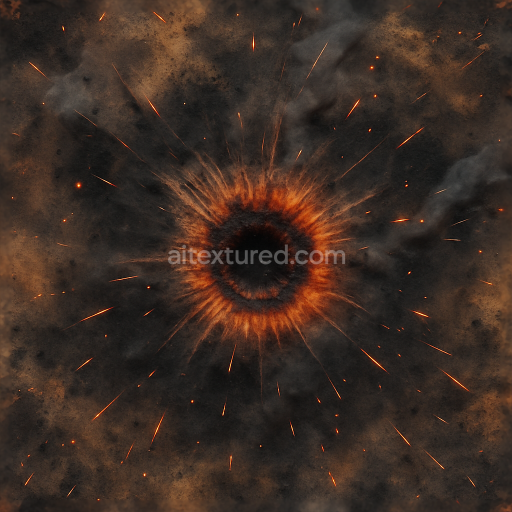
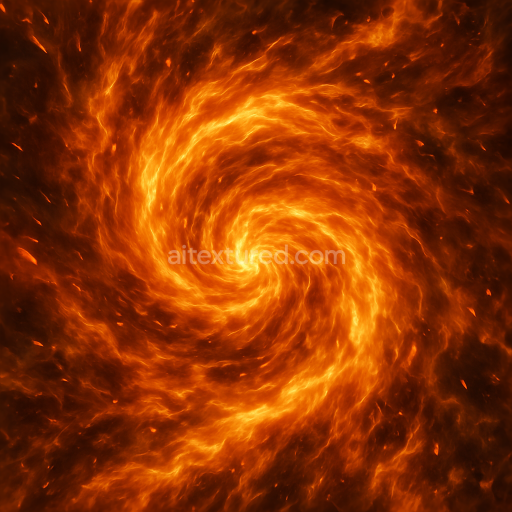
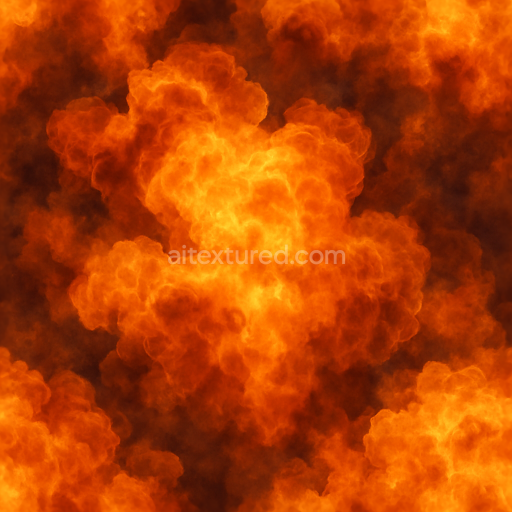
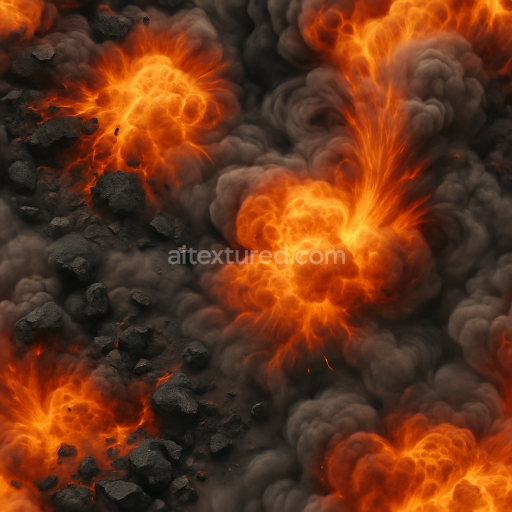
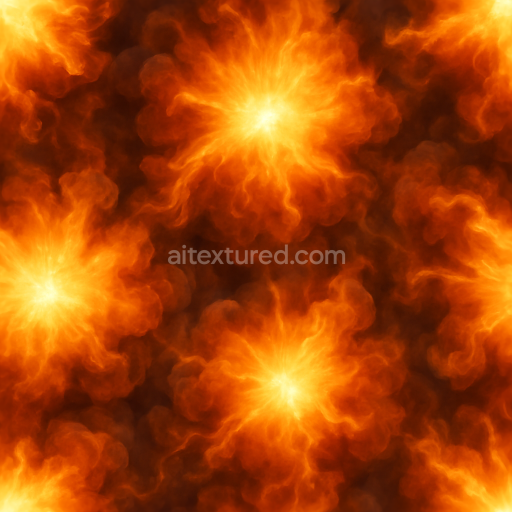
Seamless 8K PBR 3D texture of fire vortex with burning debris and explosion shock
Seamless texture (tileable) · PNG, WEBP, PBR ZIP.
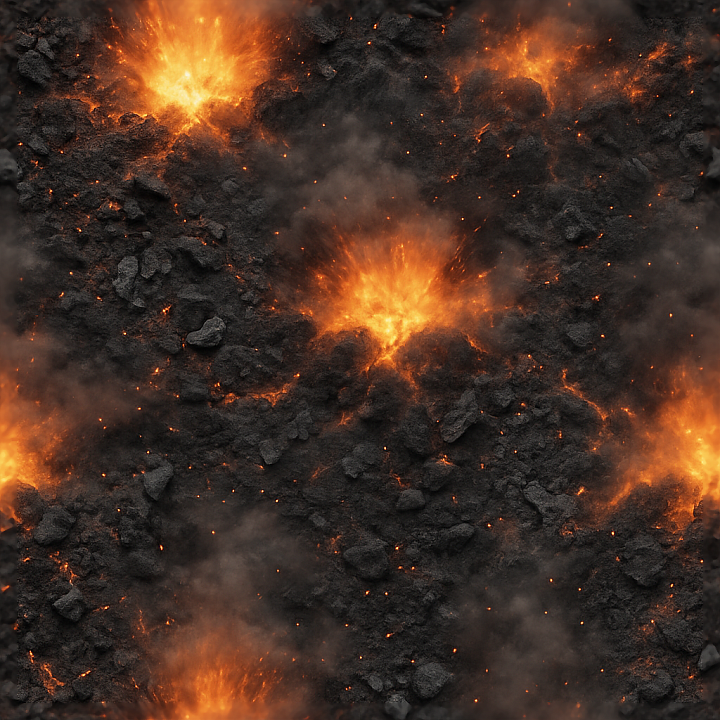
| ID | seamless-8k-pbr-3d-texture-showing-burnt-rubble-with-fire-flash-and-explosion-shock-effects |
|---|---|
| Category | Explosion |
| Formats | PNG, WEBP, PBR ZIP |
| Size | 1k (1024x1024px), 2k (2048x2048px), 4k (4096x4096px), 8k (8192x8192px) |
| Tileable | Yes |
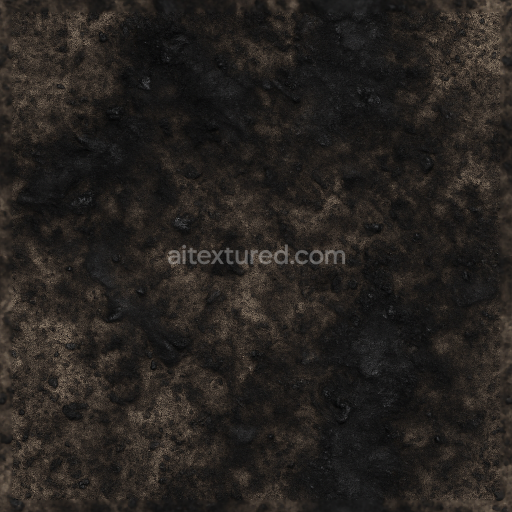
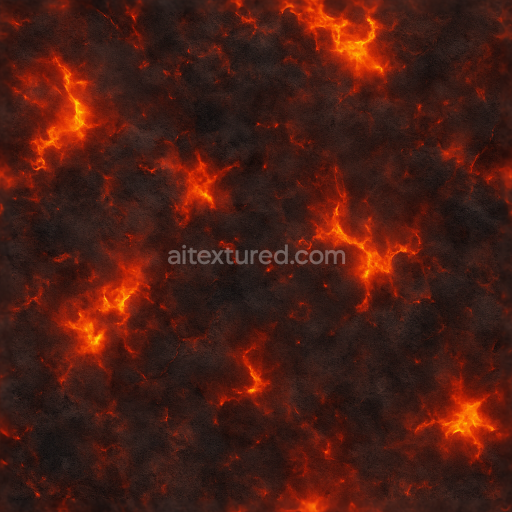
This seamless 8K PBR texture represents a complex surface of burnt rubble scattered across a devastated terrain characterized by fragmented concrete charred wood splinters and scorched soil. The underlying material is predominantly a rough brittle aggregate of mineral-based debris fused with remnants of carbonized organic matter. The substrate exhibits high porosity with cracks and fissures formed by explosive forces while the binders include vitrified residues and ash layers that partially cement the rubble fragments together. Dark pigments from charred earth and soot deposits dominate the BaseColor channel presenting a varied palette of deep blacks grays and burnt umber tones interspersed with glowing orange highlights from ignition sparks and embers.
The geometric form of the texture is irregular but maintains a natural debris pattern with fractured angular chunks and scattered fine grains creating a tactile multi-layered surface. The Normal map captures the intricate depth of jagged edges craters formed by blast impacts and subtle undulations from smoke curtains and rolling fire waves. These dynamic forms are accentuated by a Height/Displacement map that enhances the volumetric feel of explosion shock ripples and raised rubble pieces contributing to realistic parallax effects when used in 3D environments.
Surface finish varies across the texture transitioning from matte ashy areas with high roughness values to semi-glossy patches where molten residues and fresh blaze flashes reflect light more intensely. The Roughness channel is finely tuned to reproduce this heterogeneity allowing for realistic specular highlights on the fire flash zones while maintaining diffuse scattering on the charred earth. The Metallic channel remains near zero throughout as the materials involved are primarily non-metallic mineral and organic compounds though small metallic flecks embedded in the debris may be subtly represented in Ambient Occlusion maps to define shadows within crevices and emphasize depth.
Optimized for use in Blender Unreal Engine and Unity this texture tiles seamlessly to cover large surfaces without visible repetition ensuring photorealistic rendering of explosive destruction scenes under neutral lighting conditions. For best results it is recommended to adjust UV scaling to balance detail density with performance requirements and to experiment with roughness tuning to reflect different fire intensities. Combining Height and Normal maps carefully will enhance depth perception without introducing artifacts making this texture a versatile asset for realistic firestorm and explosion visualizations.
Import the texture maps into Blender with sRGB color space for albedo/base color and Non-Color for normal, roughness, metallic, AO, height, and ORM maps. Connect normal maps through a Normal Map node, then adjust UV scale with a Mapping node so the material repeats naturally on your model.
For the full step-by-step setup, see How to Use Seamless Textures in Blender. Browse related material examples in wood, concrete, and metal.
Yes. This texture is designed as a seamless tileable PBR material, so it can repeat across large surfaces without visible borders.
Use the download controls on this page: they expose the available PNG, WEBP or engine ZIP choices and supported resolutions for this asset.
Use the engine ZIP choices to package compatible source maps for Blender, Unreal Engine or Unity, then verify the imported material in the target application.
Commercial-use permission is not verified for this record. Confirm the original source and license before production use.
Generate maps from existing images, preview materials, convert channels, and package compatible inputs for Blender, Unity, and Unreal Engine.
Choose a verified workflow for generating maps, previewing tiling, converting channels, or starting from the texture catalog.
Derive Normal, Roughness, AO, Metallic, Height and optional ORM maps from one or more source images, then review the results.
Instant WebGL viewer: inspect materials on a sphere, plane, and cube. Check tiling and lighting in real time.
Re-packages maps per engine: Unreal (BaseColor + ORM), Unity (Mask/MetallicSmoothness), Blender (separate channels).
PNG ↔ JPG ↔ SVG: fast convert, SVG rasterize, embed/trace options, quality & background controls.