
Laminated Long Brown Wood Planks | Free PBR
Seamless texture (tileable) · PNG, WEBP, PBR ZIP.
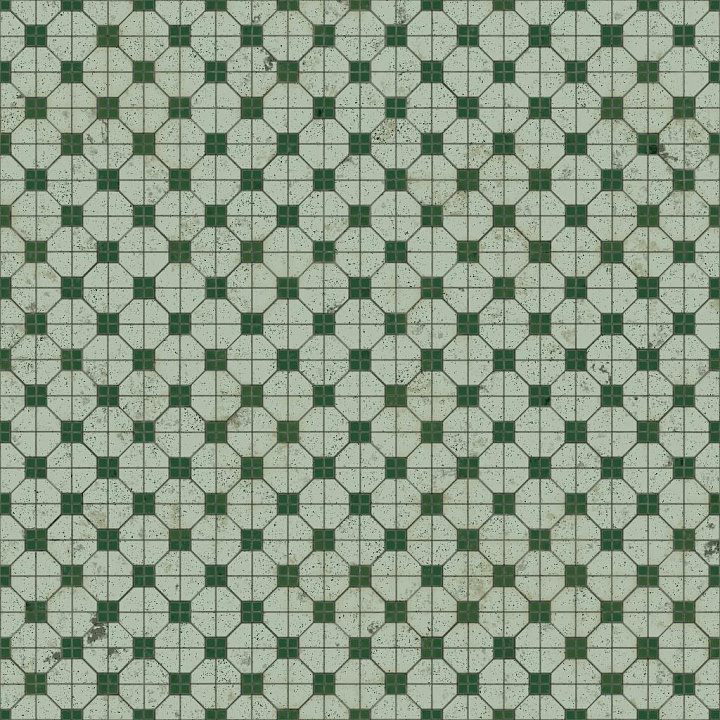
| ID | old-hong-kong-and-macau-restaurant-tiles-in-70s-free-pbr |
|---|---|
| Category | Tile |
| Formats | PNG, WEBP, PBR ZIP |
| Size | 1k (1024x1024px), 2k (2048x2048px), 4k (4096x4096px), 8k (8192x8192px) |
| Tileable | Yes |
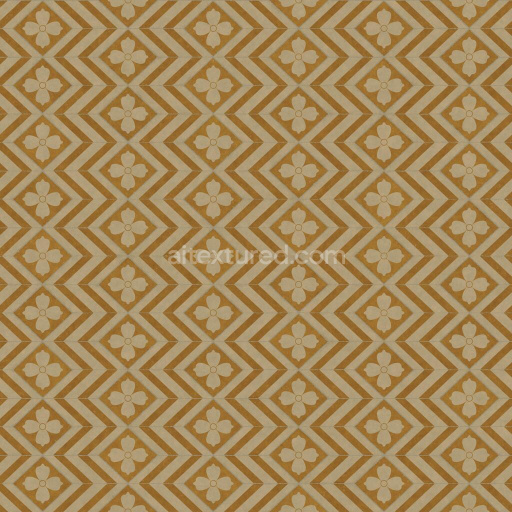
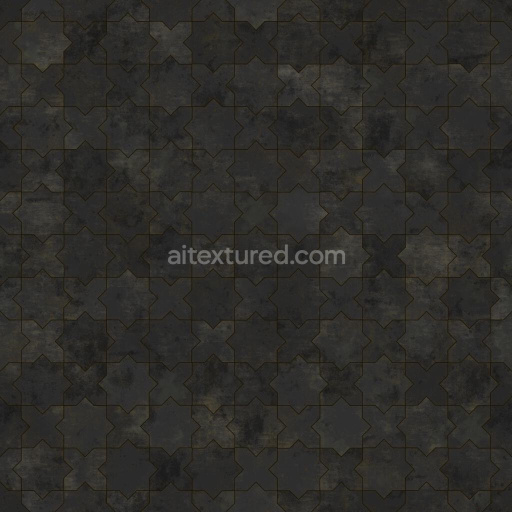
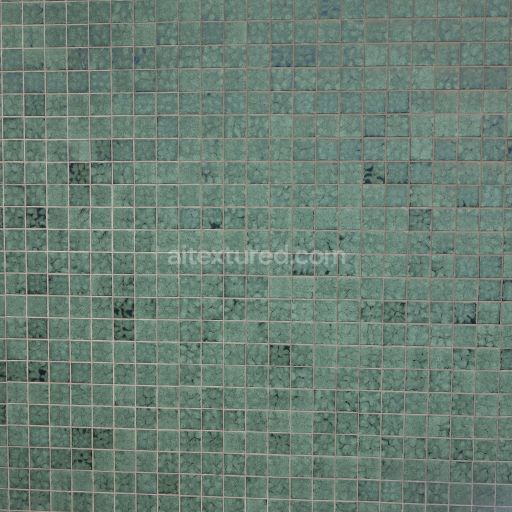
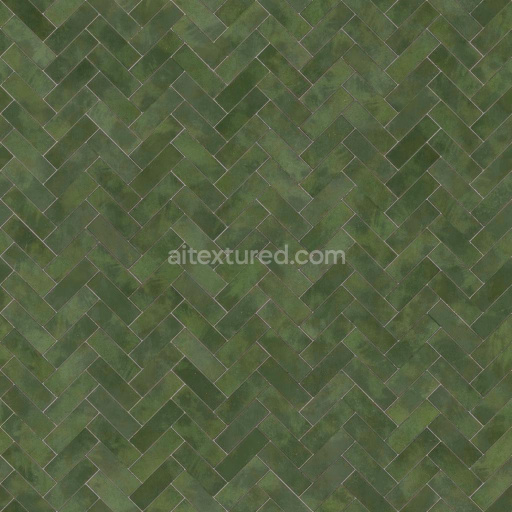
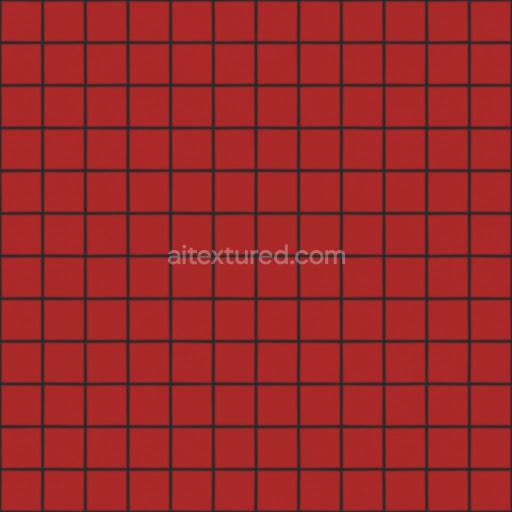
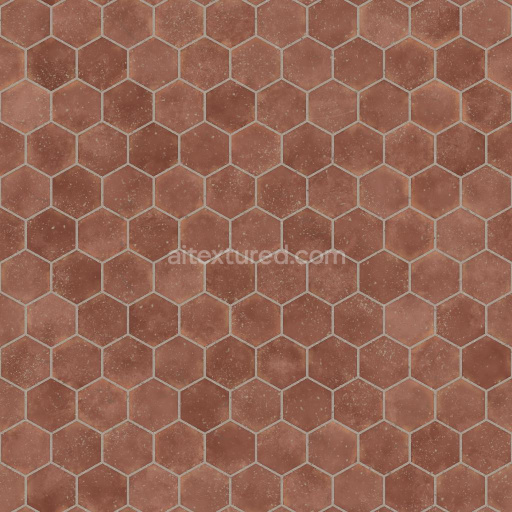
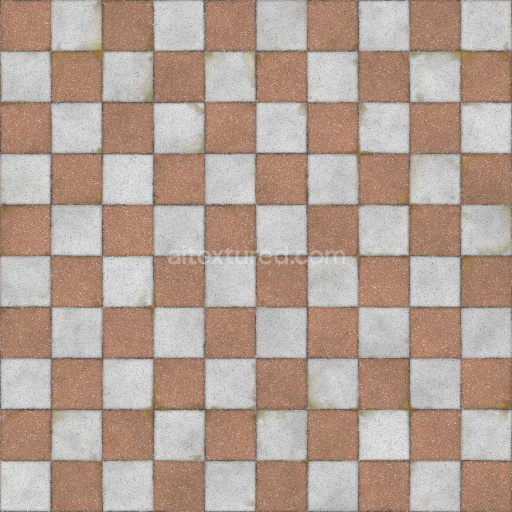
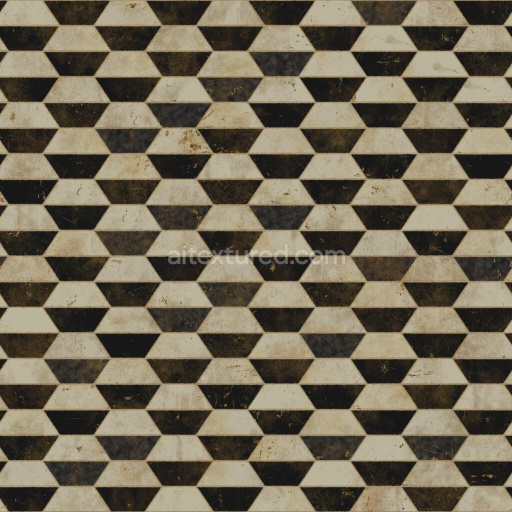
This seamless PBR texture captures the authentic appearance of old Hong Kong and Macau restaurant tiles from the 1970s, showcasing the distinctive ceramic composition typical of that era. The base material is a dense, mineral-rich ceramic substrate, fired at high temperatures to achieve durability and slight porosity. Traditional binders and natural clays contribute to the tile’s structural integrity, while fine aggregates create subtle grain and texture variations visible across the surface. The tiles exhibit signs of natural weathering and mild wear consistent with decades of use, including faint surface scratches and softened edges. The finish is a semi-gloss glaze with slight imperfections, reflecting the handcrafted production methods prevalent in mid-20th century Asian eateries. Pigments embedded within the glaze include muted earth tones and faded pastel colors, achieved via oxide layers and mineral dyes, which lend the tiles their nostalgic aesthetic and subtle color shifts under varying light conditions.
All material characteristics are meticulously represented in the PBR channels to ensure photorealistic rendering. The BaseColor (Albedo) map reflects the tile’s aged ceramic hues and glaze discolorations, while the Normal map captures the intricate surface details such as tiny cracks, chips, and grain texture. The Roughness channel is calibrated to represent the semi-gloss finish with slight matte areas where wear has dulled the surface, and the Metallic channel remains near zero, accurately portraying the non-metallic ceramic nature. Ambient Occlusion enhances shadowing in crevices and edges, emphasizing depth and realism. Height/Displacement maps simulate the subtle relief of glaze thickness variations and surface imperfections, adding tactile dimension especially effective in close-up renders.
Rendered at an ultra-high resolution of 8K, this texture is optimized for use in Blender, Unreal Engine, and Unity, making it ideal for architectural visualizations, game environments, and historical reconstructions requiring authentic period materials. Practical application advice includes adjusting the UV scale to capture the correct tile size relative to your scene, ensuring the vintage pattern remains visually coherent. Additionally, fine-tuning the roughness parameter can help replicate different lighting conditions—lower roughness for polished, recently cleaned tiles, or higher for aged, weathered surfaces. This texture provides a versatile, high-quality resource for recreating the iconic ambiance of mid-century Hong Kong and Macau restaurant interiors with unmatched realism and detail.
Import the texture maps into Blender with sRGB color space for albedo/base color and Non-Color for normal, roughness, metallic, AO, height, and ORM maps. Connect normal maps through a Normal Map node, then adjust UV scale with a Mapping node so the material repeats naturally on your model.
For the full step-by-step setup, see How to Use Seamless Textures in Blender. Browse related material examples in wood, concrete, and metal.
Yes. This texture is designed as a seamless tileable PBR material, so it can repeat across large surfaces without visible borders.
Use the download controls on this page: they expose the available PNG, WEBP or engine ZIP choices and supported resolutions for this asset.
Use the engine ZIP choices to package compatible source maps for Blender, Unreal Engine or Unity, then verify the imported material in the target application.
Commercial-use permission is not verified for this record. Confirm the original source and license before production use.



Generate maps from existing images, preview materials, convert channels, and package compatible inputs for Blender, Unity, and Unreal Engine.
Choose a verified workflow for generating maps, previewing tiling, converting channels, or starting from the texture catalog.
Derive Normal, Roughness, AO, Metallic, Height and optional ORM maps from one or more source images, then review the results.
Instant WebGL viewer: inspect materials on a sphere, plane, and cube. Check tiling and lighting in real time.
Re-packages maps per engine: Unreal (BaseColor + ORM), Unity (Mask/MetallicSmoothness), Blender (separate channels).
PNG ↔ JPG ↔ SVG: fast convert, SVG rasterize, embed/trace options, quality & background controls.