
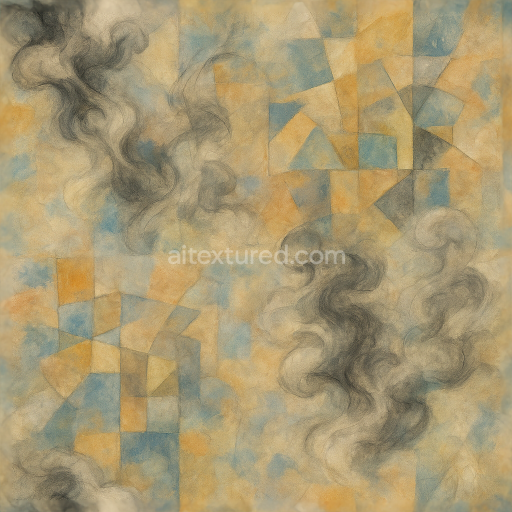
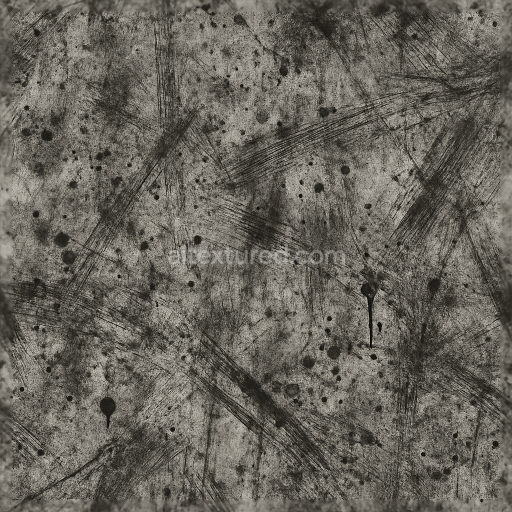
Brush Strokes Splatter Drip Marks Grunge Distressed Charcoal Strokes
Seamless texture (tileable) · PNG, WEBP, PBR ZIP.
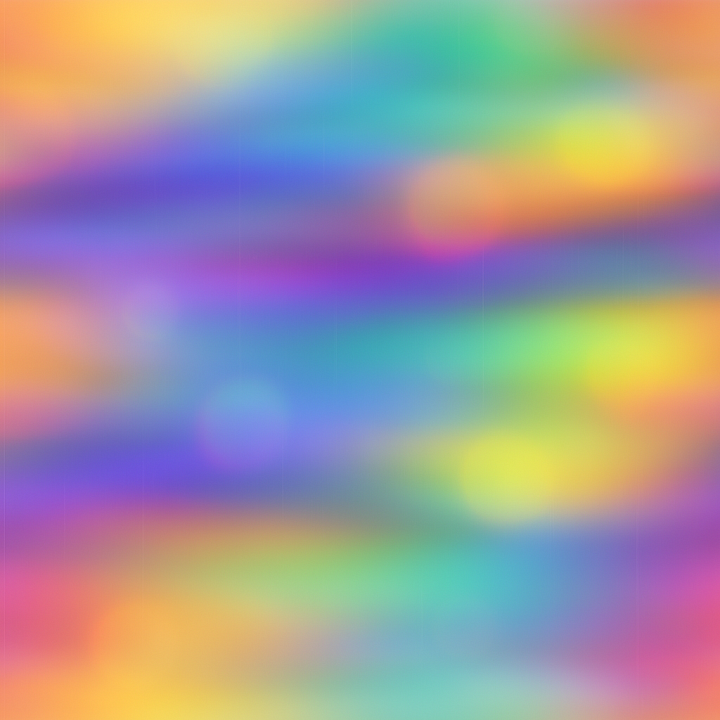
| ID | seamless-3d-texture-pbr-8k-layered-multilayer-gradient-mesh-diffused-light-soft-focus-bokeh-chromatic-aberration |
|---|---|
| Category | Abstract |
| Formats | PNG, WEBP, PBR ZIP |
| Size | 1k (1024x1024px), 2k (2048x2048px), 4k (4096x4096px), 8k (8192x8192px) |
| Tileable | Yes |
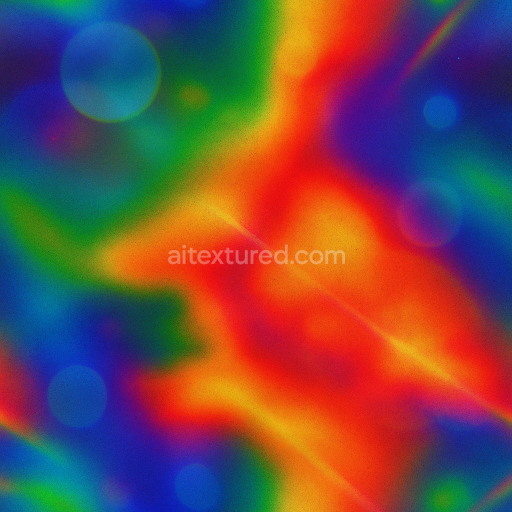
This seamless 3D PBR texture is crafted from a multilayered composite material that mimics a finely laminated substrate with a subtle gradient mesh pattern. The base material resembles a translucent polymer resin embedded with delicate fibrous inclusions, creating a semi-diffuse surface that interacts naturally with light. The layers are arranged in thin strata, each slightly offset to produce depth and complexity, while the gradient mesh introduces smooth transitions of color and tone across the surface, enhancing the perception of volume and curvature. The form is abstract yet structured, evoking a softly undulating, almost textile-like geometry with gentle folds and overlaps rather than rigid or repeating geometric shapes.
In terms of composition, the texture simulates a synthetic binder matrix that holds fine aggregates and microfibers together, resulting in a moderately porous but uniform finish. The porosity is subtle, contributing to soft shadowing and ambient occlusion effects without harsh contrast. Surface finish is diffused and matte with a soft focus effect, avoiding specular sharpness while allowing gentle highlights to emerge, akin to light passing through frosted glass or thin fabric. Chromatic aberration and pixel sorting effects are incorporated as post-process details, adding digital artifacts that simulate slight color fringing and randomized pixel displacement, which enrich the visual complexity without disrupting seamless tiling.
Mapped to PBR channels, the BaseColor (Albedo) captures the layered gradient hues with smooth tonal shifts from muted pastels to neutral shades, supporting a wide range of lighting scenarios. The Normal map encodes the subtle undulations and fibrous texture, enhancing micro-geometry and light interaction. Roughness is finely tuned to reflect the soft, matte finish, providing a balanced diffusion of reflected light without glossiness. Metallic values remain low or zero, consistent with the non-metallic polymer base, while Ambient Occlusion accentuates the layered depth and porosity, reinforcing shadowed crevices. Height/Displacement maps complement the normal details by adding gentle relief and enhancing parallax effects, crucial for realistic rendering in engines such as Blender, Unreal Engine, and Unity at full 8K resolution.
This texture is optimized for high-fidelity workflows, supporting complex shading models and physically accurate lighting. The 8K resolution ensures crisp detail even at close inspection or large-scale applications, making it suitable for abstract backgrounds, environment surfaces, or artistic material overlays. When applying this texture, it is recommended to carefully adjust the UV scale to avoid overly repetitive patterns and to blend the height map with the normal map subtly to maintain smooth surface transitions. Additionally, tuning the roughness channel can help adapt the material to different lighting conditions, from soft interior scenes to more direct outdoor illumination, preserving the intended soft-focus and diffused light characteristics.
Import the texture maps into Blender with sRGB color space for albedo/base color and Non-Color for normal, roughness, metallic, AO, height, and ORM maps. Connect normal maps through a Normal Map node, then adjust UV scale with a Mapping node so the material repeats naturally on your model.
For the full step-by-step setup, see How to Use Seamless Textures in Blender. Browse related material examples in wood, concrete, and metal.
Yes. This texture is designed as a seamless tileable PBR material, so it can repeat across large surfaces without visible borders.
Use the download controls on this page: they expose the available PNG, WEBP or engine ZIP choices and supported resolutions for this asset.
Use the engine ZIP choices to package compatible source maps for Blender, Unreal Engine or Unity, then verify the imported material in the target application.
Commercial-use permission is not verified for this record. Confirm the original source and license before production use.



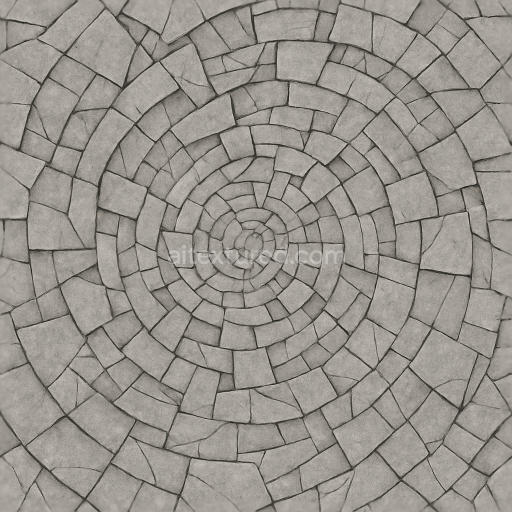
Generate maps from existing images, preview materials, convert channels, and package compatible inputs for Blender, Unity, and Unreal Engine.
Choose a verified workflow for generating maps, previewing tiling, converting channels, or starting from the texture catalog.
Derive Normal, Roughness, AO, Metallic, Height and optional ORM maps from one or more source images, then review the results.
Instant WebGL viewer: inspect materials on a sphere, plane, and cube. Check tiling and lighting in real time.
Re-packages maps per engine: Unreal (BaseColor + ORM), Unity (Mask/MetallicSmoothness), Blender (separate channels).
PNG ↔ JPG ↔ SVG: fast convert, SVG rasterize, embed/trace options, quality & background controls.