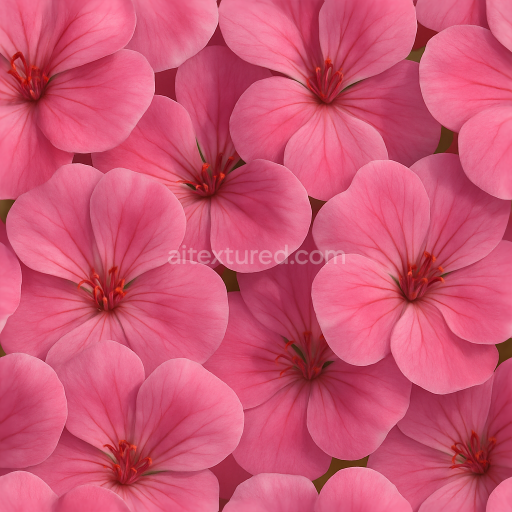
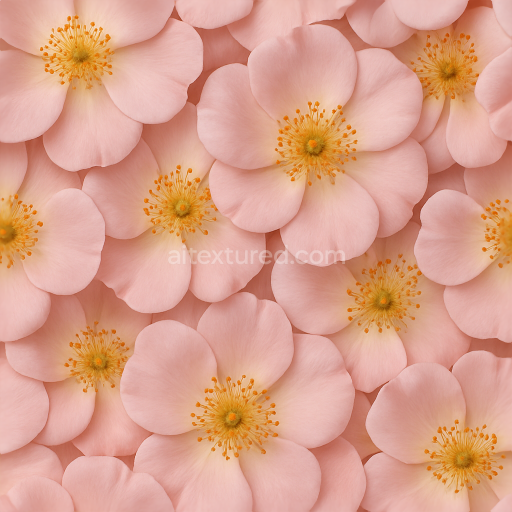
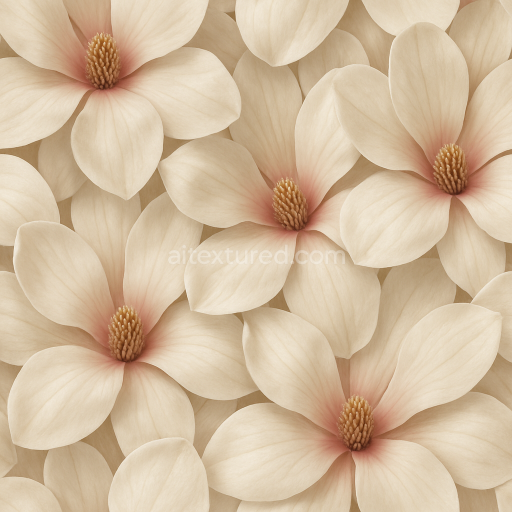
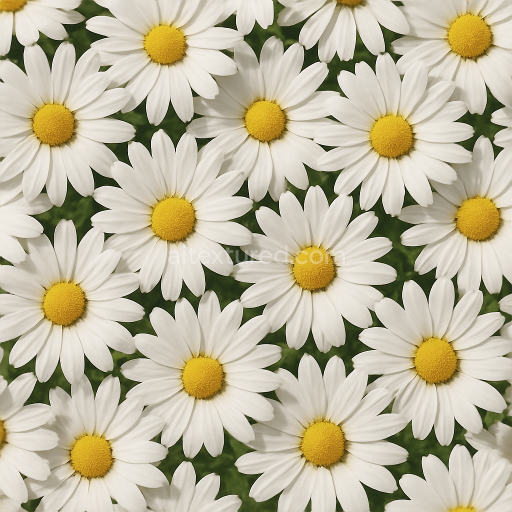
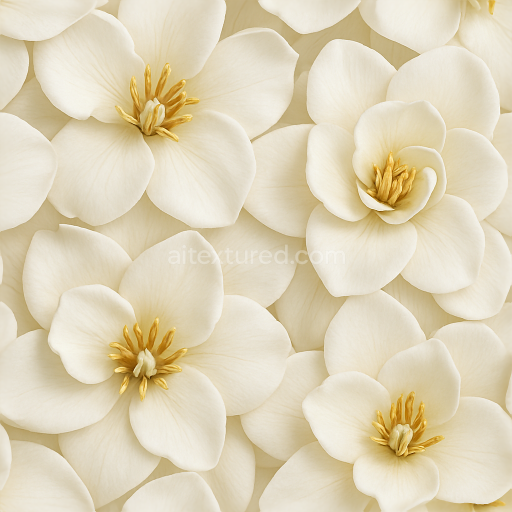
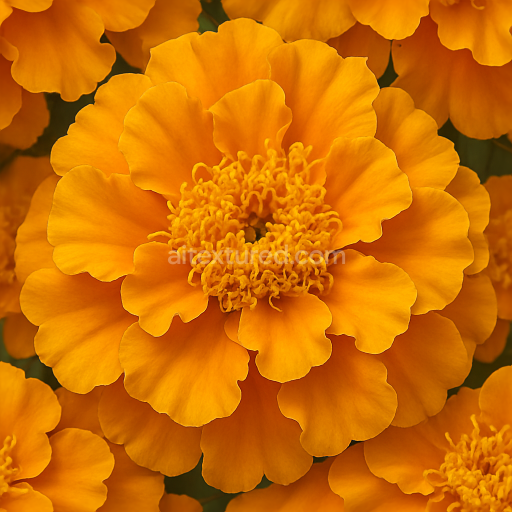
Geranium Flower Flower Petals Closeup Flower Garden Natural Lighting
Seamless texture (tileable) · PNG, WEBP, PBR ZIP.
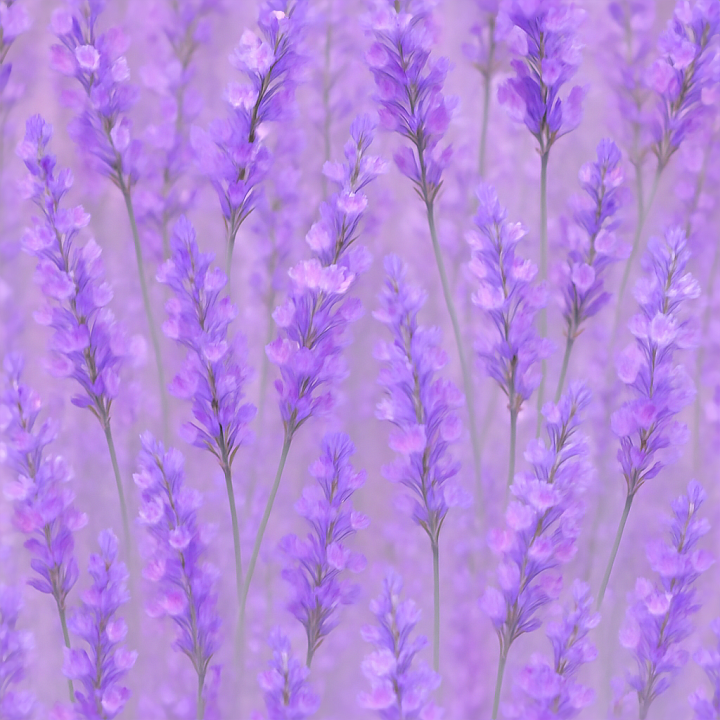
| ID | seamless-3d-texture-pbr-8k-of-fragrant-lavender-sprigs-with-detailed-flower-softness-and-color-gradients |
|---|---|
| Category | Flowers |
| Formats | PNG, WEBP, PBR ZIP |
| Size | 1k (1024x1024px), 2k (2048x2048px), 4k (4096x4096px), 8k (8192x8192px) |
| Tileable | Yes |
This seamless 3D texture in 8K resolution showcases delicate lavender sprigs, emphasizing the intricate softness and natural color variations of the flower petals. The base material is botanical in nature, composed of fine, translucent petals layered atop slender, slightly fibrous stems. The geometric form follows an organic pattern of overlapping sprigs arranged in a loosely repeating tile, capturing the gentle curvature and subtle undulations of each petal. The texture’s surface finish appears softly matte with a slight velvety sheen, mimicking the natural bloom and translucency found in fresh lavender flowers.
The substrate of this texture can be understood as the soft epidermis of the lavender petals, which includes microscopic fibers and natural waxy coatings that contribute to its semi-translucent quality. Pigments range subtly from pale lilac to deeper purple hues, with gradients reflecting natural light diffusion and petal thickness differences. The texture’s composition involves a complex interplay of organic binders and fibrous networks within the petals, while the stems exhibit a slightly rougher, fibrous surface with minimal gloss. This botanical surface is free of heavy weathering, maintaining a pristine, fresh appearance with minimal porosity, allowing for realistic light penetration and scattering.
Mapped to PBR channels, the BaseColor (Albedo) captures the nuanced lavender gradients and gentle flower color variations, essential for authentic visual depth. The Normal map conveys the fine surface undulations, petal veins, and subtle folds, enhancing three-dimensional realism. The Roughness channel reflects the matte softness of the petals contrasted with the slightly coarser stems, while the Metallic map remains near zero to replicate non-metallic organic material. Ambient Occlusion accentuates shadowed crevices between petals and sprigs, deepening spatial perception. Height and Displacement maps are finely tuned to replicate the gentle relief of petal edges and stem textures, enabling realistic parallax effects in closeup renders.
Designed with high fidelity in mind, this lavender sprigs texture is fully optimized for use in Blender, Unreal Engine, and Unity, supporting seamless tiling without visible borders. The ultra-high 8K resolution ensures that fine flower texture details and translucency remain crisp even in extreme closeups, making it suitable for botanical visualizations, product renders, and environmental scenes. For practical application, adjusting the UV scale to maintain natural sprig proportions is recommended, along with subtle tuning of roughness values to balance the soft matte finish with slight petal sheen. Blending height maps with normal maps can further enhance the perception of petal depth and tactile softness in real-time engines.
Import the texture maps into Blender with sRGB color space for albedo/base color and Non-Color for normal, roughness, metallic, AO, height, and ORM maps. Connect normal maps through a Normal Map node, then adjust UV scale with a Mapping node so the material repeats naturally on your model.
For the full step-by-step setup, see How to Use Seamless Textures in Blender. Browse related material examples in wood, concrete, and metal.
Yes. This texture is designed as a seamless tileable PBR material, so it can repeat across large surfaces without visible borders.
Use the download controls on this page: they expose the available PNG, WEBP or engine ZIP choices and supported resolutions for this asset.
Use the engine ZIP choices to package compatible source maps for Blender, Unreal Engine or Unity, then verify the imported material in the target application.
Commercial-use permission is not verified for this record. Confirm the original source and license before production use.

Generate maps from existing images, preview materials, convert channels, and package compatible inputs for Blender, Unity, and Unreal Engine.
Choose a verified workflow for generating maps, previewing tiling, converting channels, or starting from the texture catalog.
Derive Normal, Roughness, AO, Metallic, Height and optional ORM maps from one or more source images, then review the results.
Instant WebGL viewer: inspect materials on a sphere, plane, and cube. Check tiling and lighting in real time.
Re-packages maps per engine: Unreal (BaseColor + ORM), Unity (Mask/MetallicSmoothness), Blender (separate channels).
PNG ↔ JPG ↔ SVG: fast convert, SVG rasterize, embed/trace options, quality & background controls.