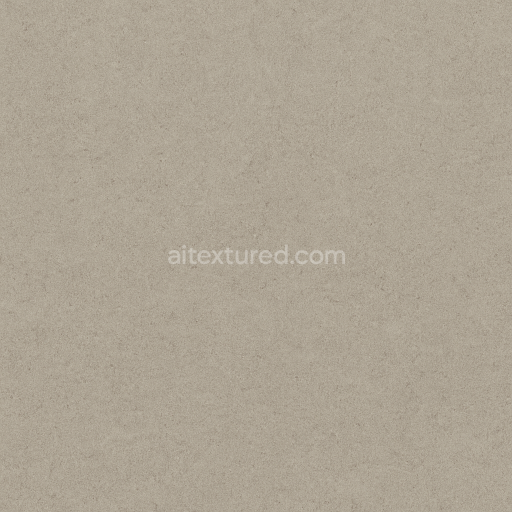
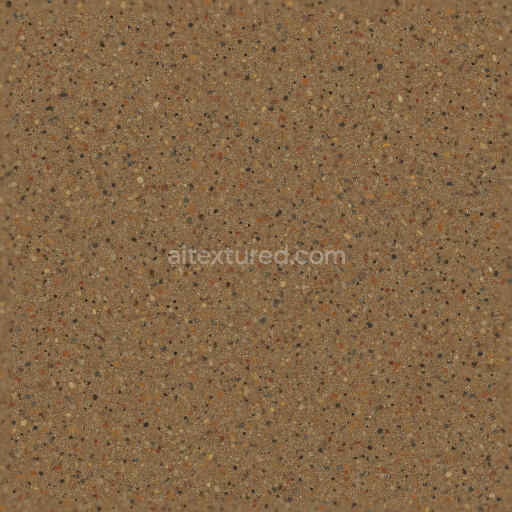
Homogeneous Linoleum Sheet With Matte Finish
Seamless texture (tileable) · PNG, WEBP, PBR ZIP. License: AITextured Free Commercial License (FCL) v1.1. Free personal and commercial use. Raw resale, standalone redistribution, mirroring/scraping, competing asset packs, and AI/ML training are not allowed without written permission. Attribution is not required, but appreciated..
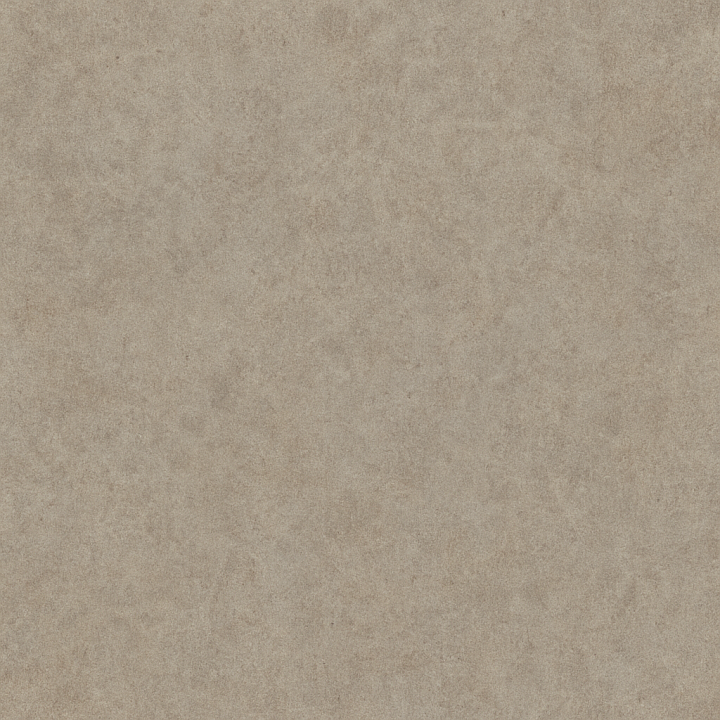
| ID | seamless-3d-texture-pbr-8k-linoleum-sheet-with-faded-colors-and-matte-finish-in-neutral-palette |
|---|---|
| Category | Linoleum |
| Formats | PNG, WEBP, PBR ZIP |
| Size | 1k (1024x1024px), 2k (2048x2048px), 4k (4096x4096px), 8k (8192x8192px) |
| Color | sRGB |
| Tileable | Yes |
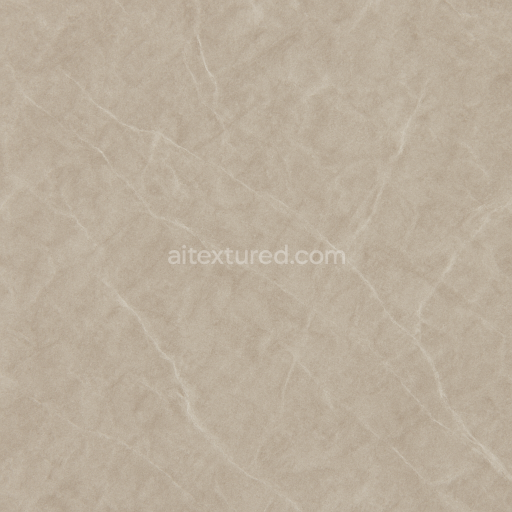
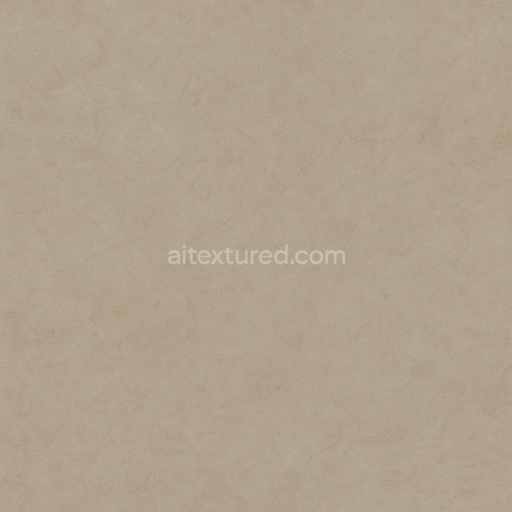
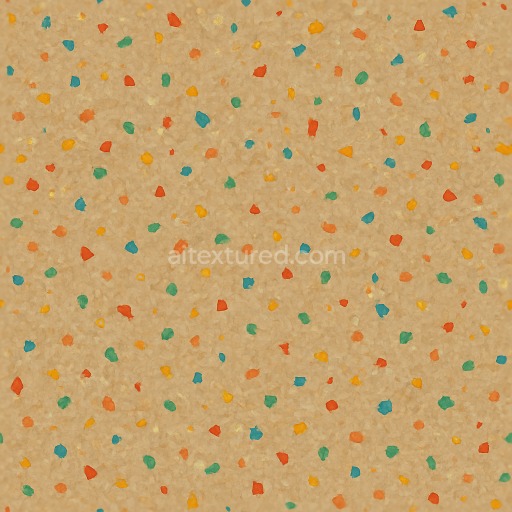
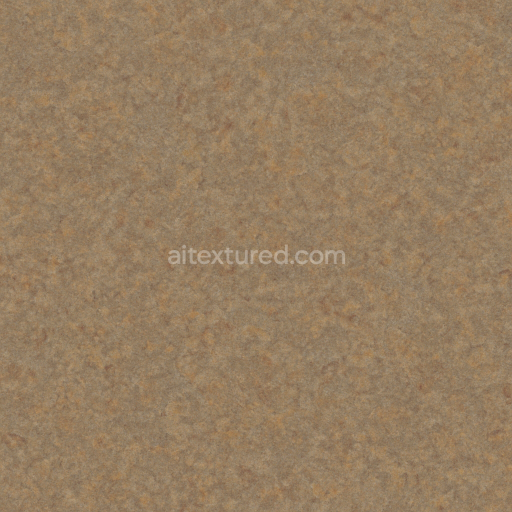
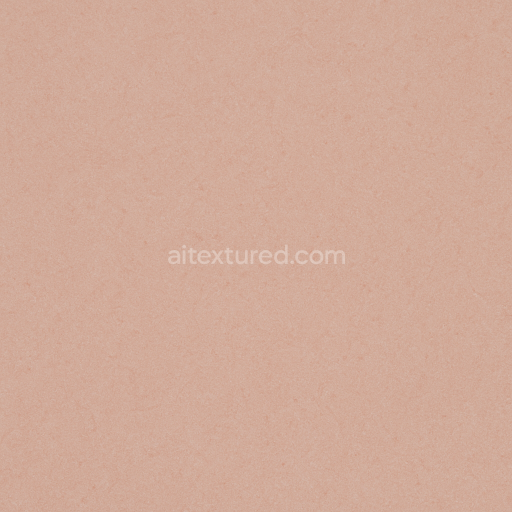
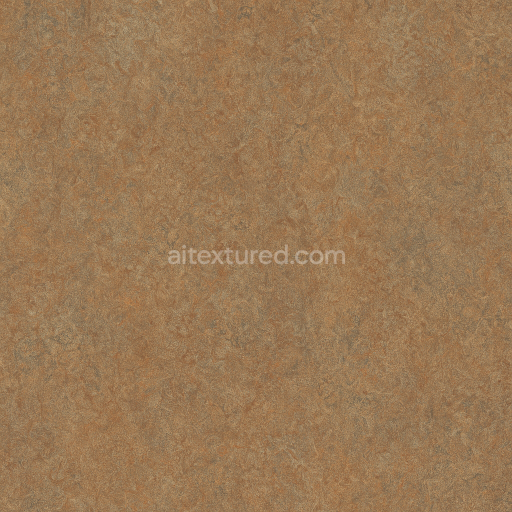
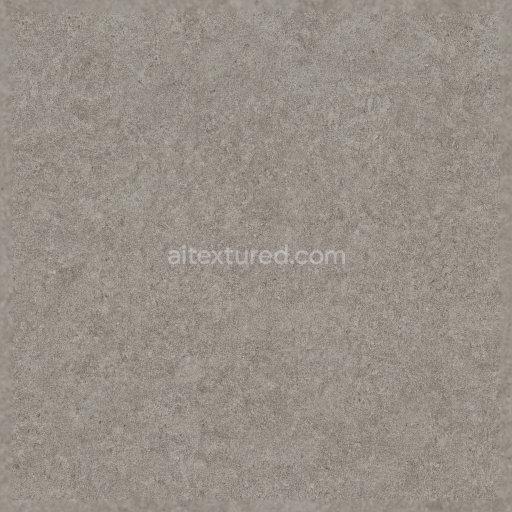
This seamless 3D texture represents a linoleum sheet characterized by a subtle interplay of faded colors within a neutral palette, emphasizing a matte finish that minimizes light reflection and enhances the material’s natural appearance. The texture’s surface exhibits a fine yet coarse grain reminiscent of resilient commercial-grade flooring, where the underlying substrate is typically composed of natural linseed oil combined with solidified resins and wood flour aggregates. This composition creates a dense, compact sheet with slight porosity, which over time manifests as gentle surface wear and natural fading, lending an authentic aged look. The geometric form is uniform and planar, reflecting the typical sheet structure of linoleum without distinct pattern interruptions, allowing for seamless tiling in 3D environments.
From a material science perspective, linoleum’s base consists of a fibrous jute backing layered with a mixture of oxidized linseed oil, cork dust, wood flour, and pigments to achieve its muted, faded coloration. The coarse grain texture arises from the embedded wood flour particles, which create subtle topographical variations captured effectively in the Normal and Height/Displacement maps. The matte finish corresponds to a high roughness value, reducing specular highlights and conveying the non-reflective quality of aged linoleum. The BaseColor (Albedo) map reflects the subdued, washed-out hues, while the Ambient Occlusion map enhances the perception of depth within the grain and surface irregularities. The Metallic channel remains minimal or zero, as linoleum is an organic, non-metallic material.
Rendered in 8K PBR resolution, this texture is optimized for use in Blender, Unreal Engine, and Unity, ensuring crisp detail and accurate material response under varied lighting conditions. The high-resolution maps allow for close-up inspection without loss of fidelity, essential for commercial interior visualizations or game environments seeking realism. The Height and Normal maps work in tandem to provide convincing surface relief, while the Roughness map finely controls the diffuse matte effect, preventing any artificial glossiness. This texture’s seamless quality facilitates large-area coverage without visible repetition or edge artifacts, making it ideal for expansive flooring scenes.
For practical application, it is recommended to carefully adjust the UV scale to maintain the realistic grain size relative to the scene’s scale, preventing the coarse texture from appearing unnaturally large or small. Additionally, fine-tuning the Roughness map intensity can help achieve the desired balance between worn and preserved surface qualities, while subtle blending of the Height and Normal maps can enhance depth perception without introducing exaggerated parallax distortions. This approach ensures the linoleum sheet texture integrates naturally within both vintage and industrial design contexts, offering a durable, visually convincing flooring solution.
Import the texture maps into Blender with sRGB color space for albedo/base color and Non-Color for normal, roughness, metallic, AO, height, and ORM maps. Connect normal maps through a Normal Map node, then adjust UV scale with a Mapping node so the material repeats naturally on your model.
For the full step-by-step setup, see How to Use Seamless Textures in Blender. Browse related material examples in wood, concrete, and metal.
Yes. This texture is designed as a seamless tileable PBR material, so it can repeat across large surfaces without visible borders.
You can download PNG/WEBP versions and use 1K, 2K, 4K and 8K download options when available on the page.
Yes. The download options and engine-mapped ZIP workflow are designed for Blender, Unreal Engine, Unity Standard, URP and HDRP material pipelines.
Yes. The texture is available under the AITextured free commercial license. Review the license page for redistribution and AI-training restrictions.
Generate, preview, and export seamless PBR materials for Blender, Unity, and Unreal Engine—directly in your browser.
AI text-to-texture: type a prompt and get a seamless, tileable base image ready for PBR workflows (great starting point for materials).
Create a full PBR set (Normal, Roughness, AO, Metallic, etc.) from a single image. Seamless and tiling-friendly.
Instant WebGL viewer: inspect materials on a sphere, plane, and cube. Check tiling and lighting in real time.
Re-packages maps per engine: Unreal (BaseColor + ORM), Unity (Mask/MetallicSmoothness), Blender (separate channels).
PNG ↔ JPG ↔ SVG: fast convert, SVG rasterize, embed/trace options, quality & background controls.