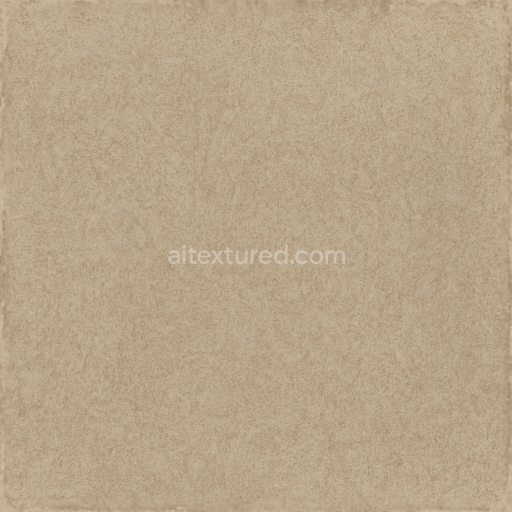
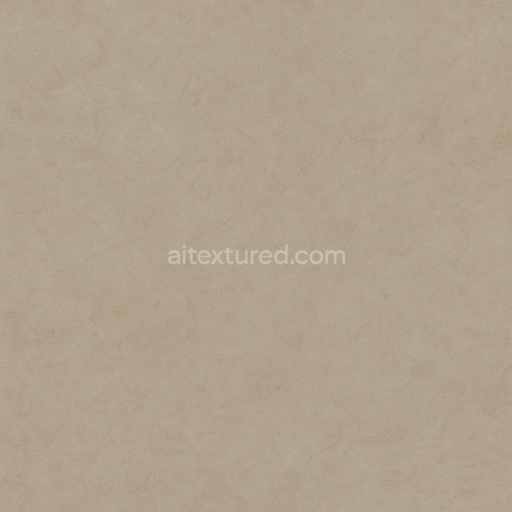
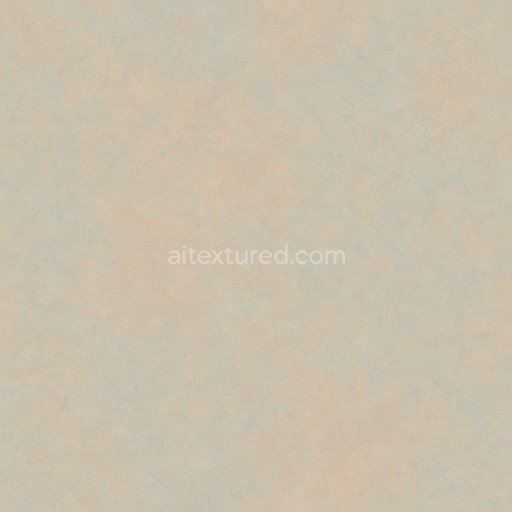
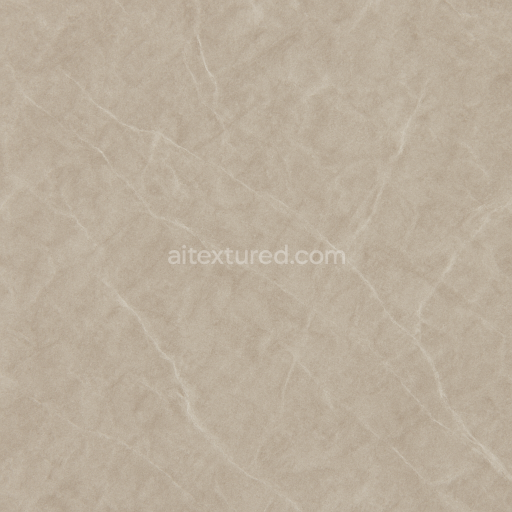
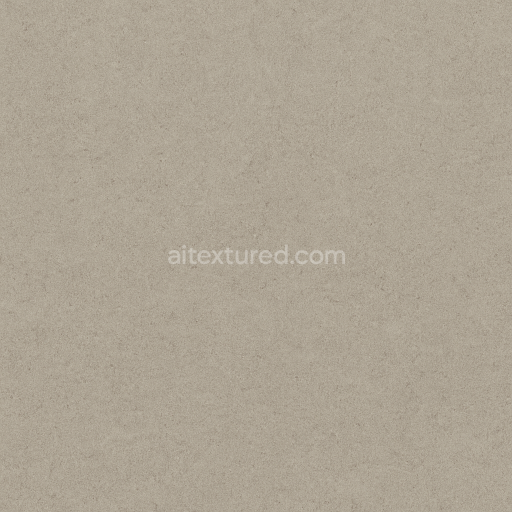
Linoleum Sheet With Worn Edges And Matte Finish In Neutral Palette
Seamless texture (tileable) · PNG, WEBP, PBR ZIP. License: AITextured Free Commercial License (FCL) v1.1. Free personal and commercial use. Raw resale, standalone redistribution, mirroring/scraping, competing asset packs, and AI/ML training are not allowed without written permission. Attribution is not required, but appreciated..
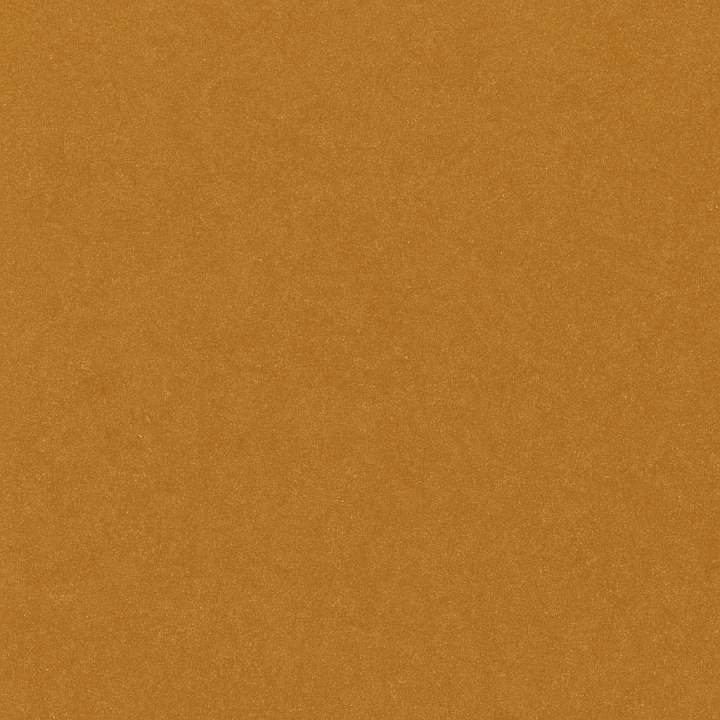
| ID | seamless-3d-texture-pbr-8k-linoleum-sheet-with-waxed-surface-and-warm-palette-solid-colors |
|---|---|
| Category | Linoleum |
| Formats | PNG, WEBP, PBR ZIP |
| Size | 1k (1024x1024px), 2k (2048x2048px), 4k (4096x4096px), 8k (8192x8192px) |
| Color | sRGB |
| Tileable | Yes |
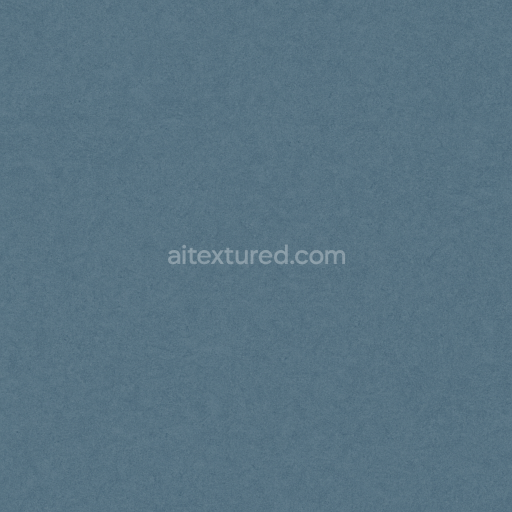
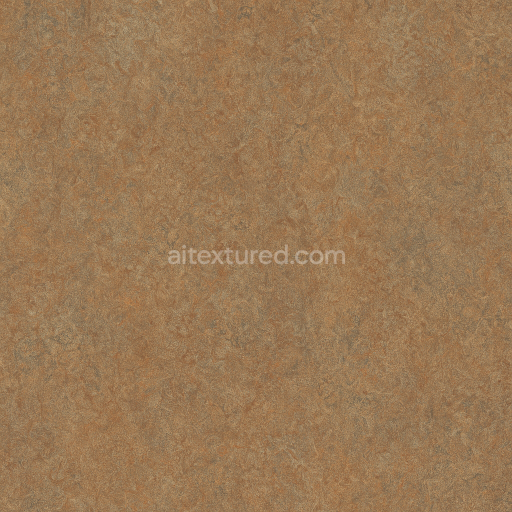
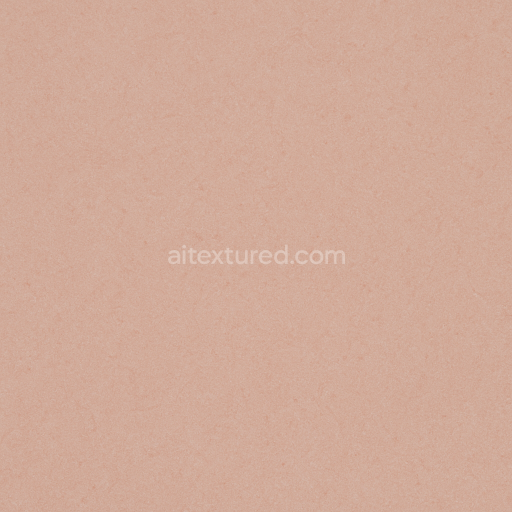
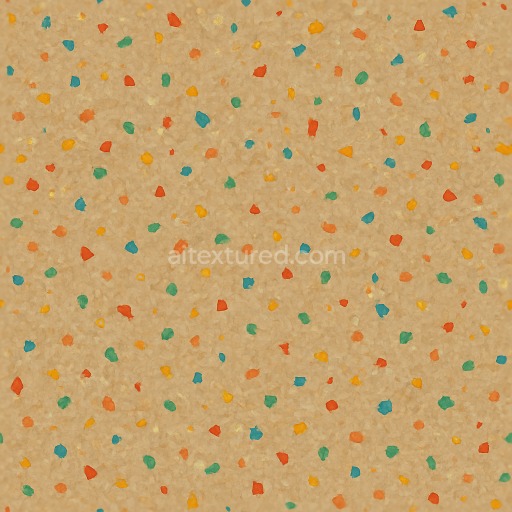
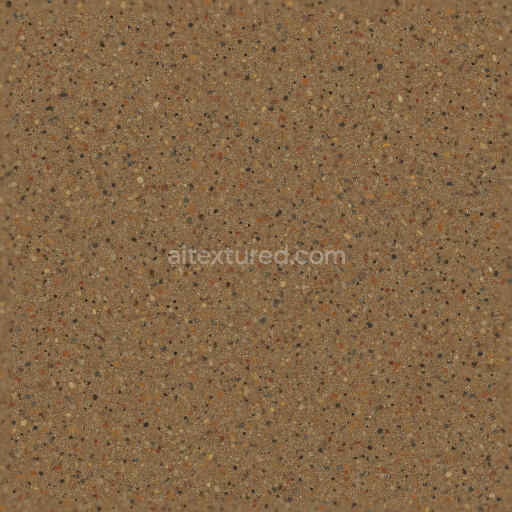
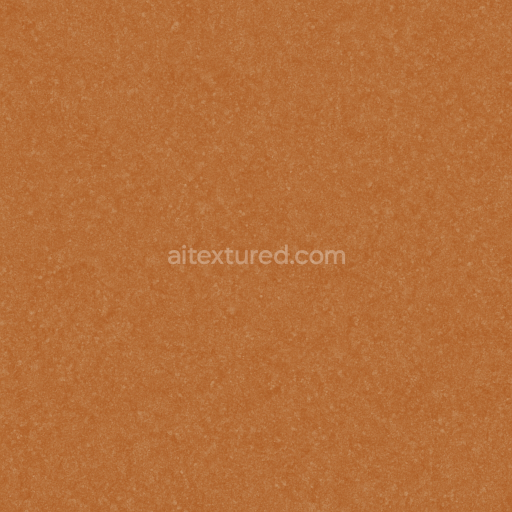
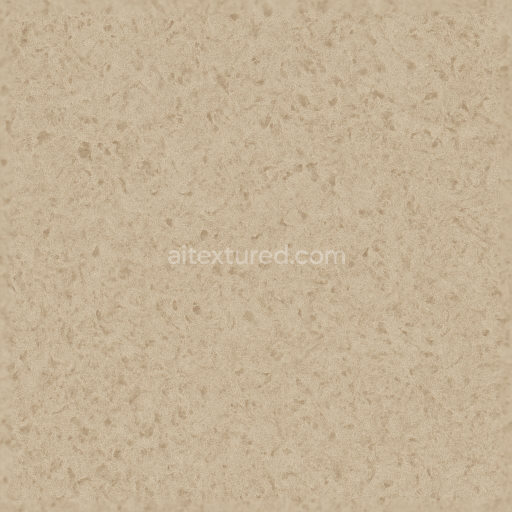
This seamless 3D texture represents a commercial-grade linoleum sheet characterized by a warm palette of solid colors and a fine grain surface. Linoleum, traditionally composed of natural materials such as linseed oil, cork dust, wood flour, and mineral fillers layered onto a jute backing, provides a resilient and eco-friendly flooring solution. The texture captures the subtle geometric form of a uniform sheet without visible seams, emphasizing a smooth yet finely grained planar surface that reflects the consistent manufacturing process and material homogeneity typical of linoleum products.
The substrate in this texture is depicted with moderate porosity, reflecting linoleum's natural fiber and mineral composite structure. The fine grain visible in the Normal and Height maps simulates subtle surface irregularities and micro-relief patterns created by embedded cork and wood particles. The waxed surface finish is represented through the Roughness channel, featuring a low to medium roughness value that imparts a soft sheen without excessive gloss, while the BaseColor channel presents a range of warm, solid pigments that replicate the naturally muted earth tones achievable through mineral-based dyes and pigments. The Metallic channel is near zero, consistent with linoleum’s organic, non-metallic composition, and the Ambient Occlusion map enhances the perception of depth around fine texture details, lending realism to the surface’s slight micro-variations and soft shadows.
Rendered at 8K resolution, this texture is optimized for high-fidelity visualizations in Blender, Unreal Engine, and Unity, ensuring crisp detail and accurate material response under varied lighting conditions. The texture’s uniformity and balanced surface characteristics make it suitable for large-scale applications, such as commercial interiors and retail environments, where durability and aesthetic consistency are paramount. The Height and Normal maps work in tandem to deliver realistic relief without excessive parallax distortion, preserving the smoothness expected from waxed linoleum flooring while conveying tactile nuance.
For practical implementation, it is recommended to carefully adjust the UV scale to maintain the texture’s subtle grain detail when applied to large surfaces. Fine-tuning the Roughness map can help simulate different levels of wear or waxing, allowing designers to adapt the material’s reflectivity to specific lighting scenarios or aging effects. Blending the Height map with Normal details can further enhance depth perception without introducing rendering artifacts, providing a seamless and natural look to the linoleum sheet in any 3D environment.
Import the texture maps into Blender with sRGB color space for albedo/base color and Non-Color for normal, roughness, metallic, AO, height, and ORM maps. Connect normal maps through a Normal Map node, then adjust UV scale with a Mapping node so the material repeats naturally on your model.
For the full step-by-step setup, see How to Use Seamless Textures in Blender. Browse related material examples in wood, concrete, and metal.
Yes. This texture is designed as a seamless tileable PBR material, so it can repeat across large surfaces without visible borders.
You can download PNG/WEBP versions and use 1K, 2K, 4K and 8K download options when available on the page.
Yes. The download options and engine-mapped ZIP workflow are designed for Blender, Unreal Engine, Unity Standard, URP and HDRP material pipelines.
Yes. The texture is available under the AITextured free commercial license. Review the license page for redistribution and AI-training restrictions.
Generate, preview, and export seamless PBR materials for Blender, Unity, and Unreal Engine—directly in your browser.
AI text-to-texture: type a prompt and get a seamless, tileable base image ready for PBR workflows (great starting point for materials).
Create a full PBR set (Normal, Roughness, AO, Metallic, etc.) from a single image. Seamless and tiling-friendly.
Instant WebGL viewer: inspect materials on a sphere, plane, and cube. Check tiling and lighting in real time.
Re-packages maps per engine: Unreal (BaseColor + ORM), Unity (Mask/MetallicSmoothness), Blender (separate channels).
PNG ↔ JPG ↔ SVG: fast convert, SVG rasterize, embed/trace options, quality & background controls.